Best Straw Cup for Baby: A Complete Buying Guide
Disclosure: We may earn a commission when you buy through links on this page, at no extra cost to you. As an Amazon Associate we earn from qualifying purchases. Learn more

Somewhere between the bottle and the big-kid cup, most parents hit the same question: what actually counts as the best straw cup for baby, and is it really different from the sippy cup already sitting in the cabinet? The short answer is yes, and the reasons go beyond spills. In this guide, you will learn how straw cups differ from sippy cups, when your baby is ready to try one, which features actually matter, and how to teach the skill without turning every meal into a wrestling match.
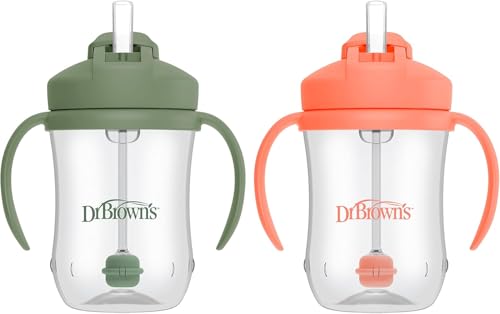
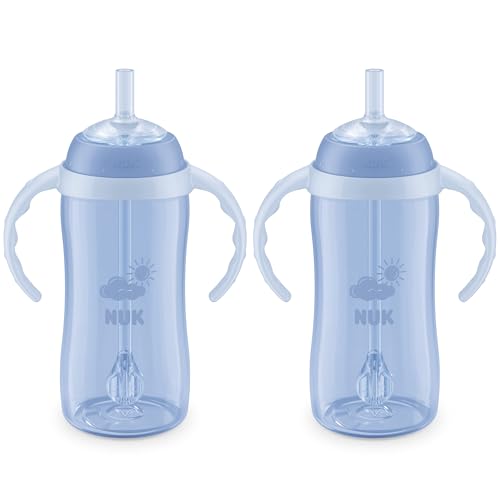
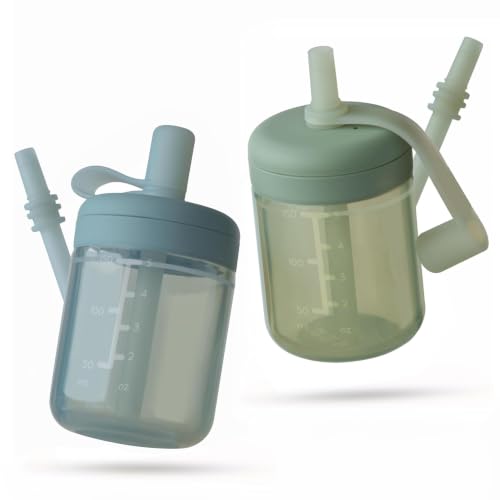
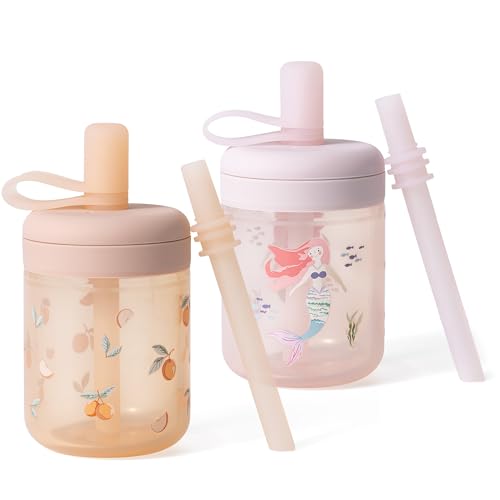
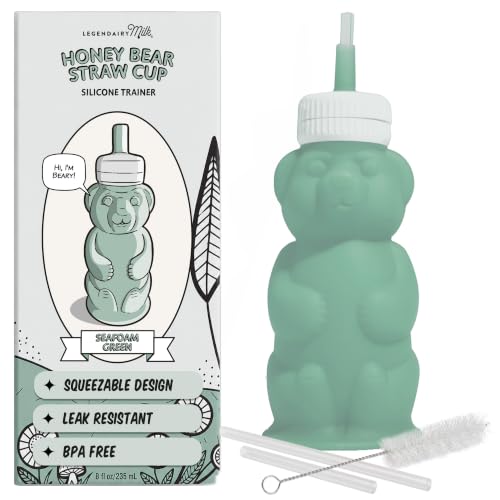
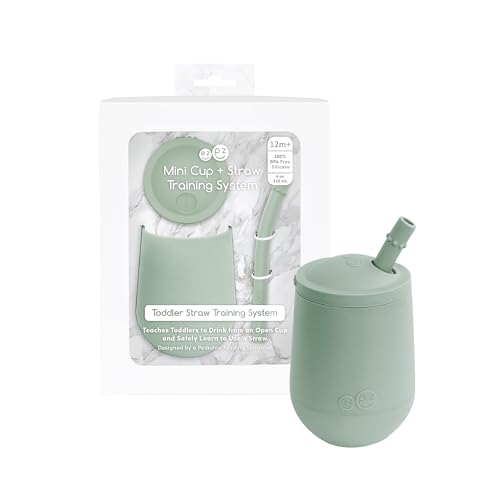
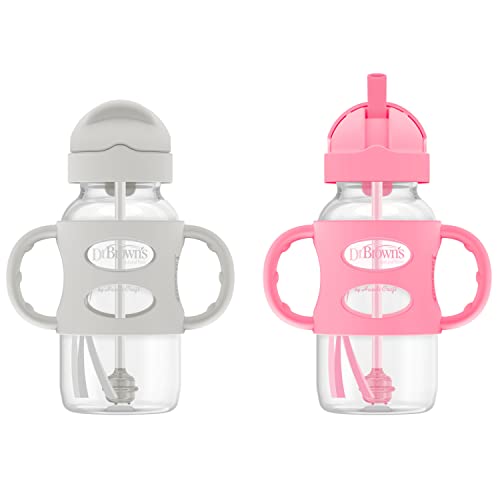
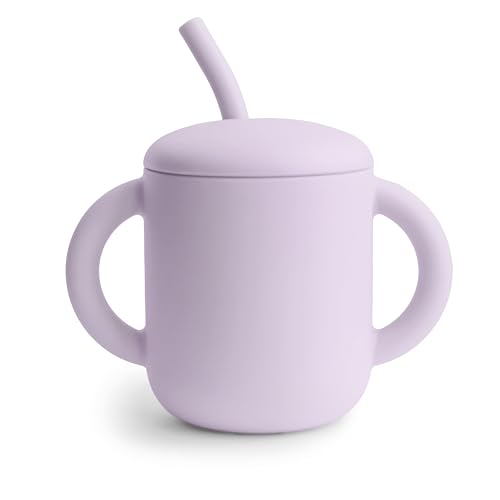
Straw Cup vs. Sippy Cup: Why the Difference Actually Matters
It is easy to lump every non-bottle cup into one category, but a straw cup vs sippy cup comparison matters more than most parents realize. A spouted sippy cup keeps the tongue pushed forward against the spout, which mimics the same suckling motion babies use on a bottle. A straw cup asks for the opposite: the tongue has to pull back and lift, and the lips have to round and seal around the straw.
That difference shows up later. Feeding and speech specialists point to prolonged sippy cup use as a contributor to a forward resting tongue posture, sometimes linked to a lisp or a tongue thrust pattern. Straw drinking, by contrast, builds the same lip rounding, cheek strength, and tongue elevation that babies will eventually use for chewing and talking. Neither cup will make or break development on its own, but if you are choosing a first transition cup, a straw cup gives you more developmental upside for very little extra effort.
When Your Baby Is Ready for a Straw Cup
Most babies can start experimenting with a straw cup somewhere between 6 and 9 months, often around the same time solids and baby led weaning enter the picture. Readiness has less to do with a specific birthday and more to do with a few physical signs: your baby can sit upright with decent head control, shows interest in what is on your plate or in your cup, and has started bringing toys or hands to their mouth with some coordination.
That window is also when most parents start actively comparing options for the best straw cup for baby use, rather than picking one at random off a shelf. Do not expect a clean first try. Straw drinking is a learned skill, not a reflex, so a baby who gags, dribbles, or ignores the straw entirely in week one is completely normal. Most babies get the hang of it somewhere between 9 and 12 months with regular, low-pressure practice. If your baby shows zero interest by 12 to 15 months, it is worth mentioning at a pediatric visit, but there is no need to rush the process before then.
Key Features That Make a Straw Cup Work for Babies
Not every straw cup on the shelf is built with a beginner in mind, and the gap between an average cup and the best straw cup for baby usually comes down to a handful of design details rather than anything flashy.
Straw Material and Softness
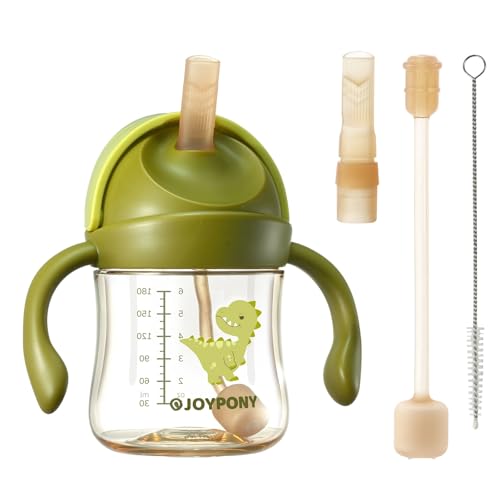
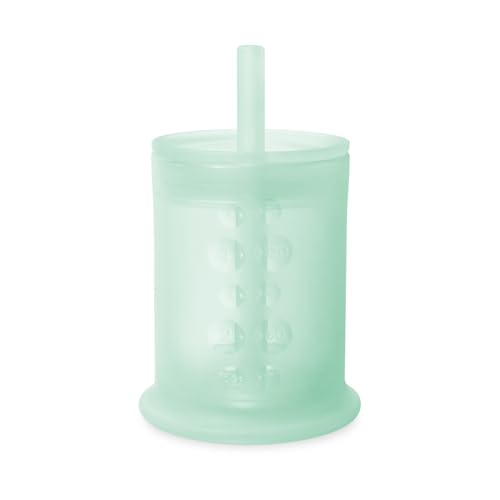
Look for a soft, flexible silicone straw rather than a rigid plastic one. A soft straw is gentler on developing gums and new teeth, and it flexes instead of poking the roof of the mouth if your baby chomps down while learning. Thicker, slightly flattened straws also tend to be easier for a beginner to seal their lips around than thin, round ones.
Weighted vs. Fixed Straws
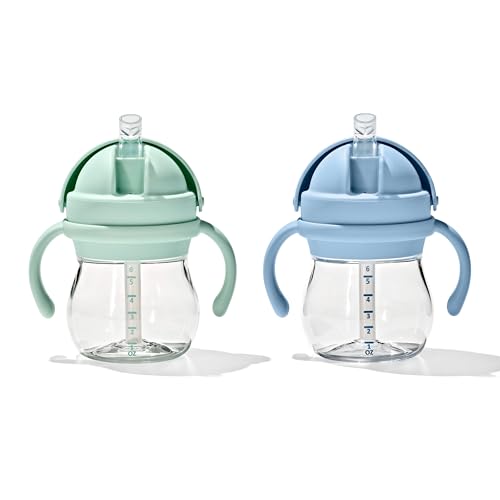
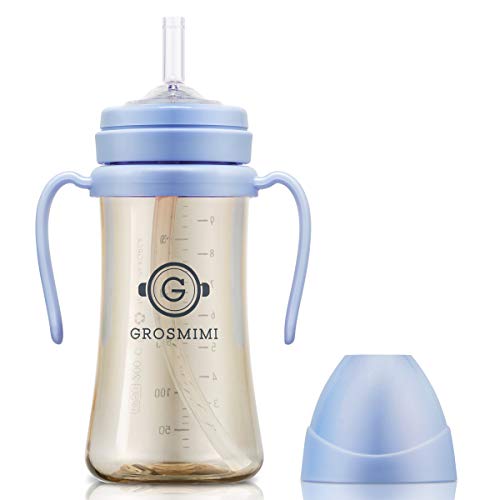
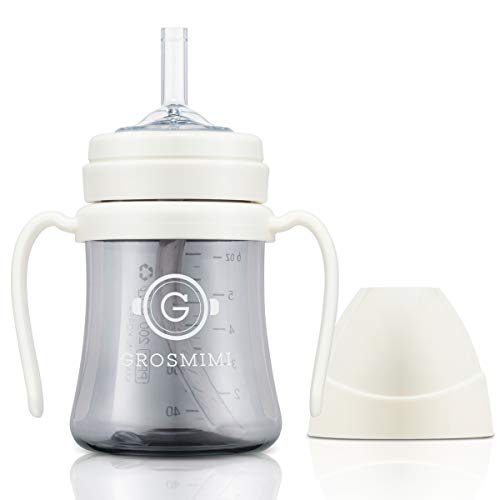
A weighted straw cup has a small weight attached near the tip of the straw so it drops toward the liquid no matter how the cup is tilted. That means your baby can drink from almost any angle instead of needing the cup held perfectly upright, which matters a lot during the clumsy early weeks. Fixed straws work fine once your baby has better hand control, but weighted designs are usually easier for a true first cup.
Leak-Proof and Spill-Proof Design
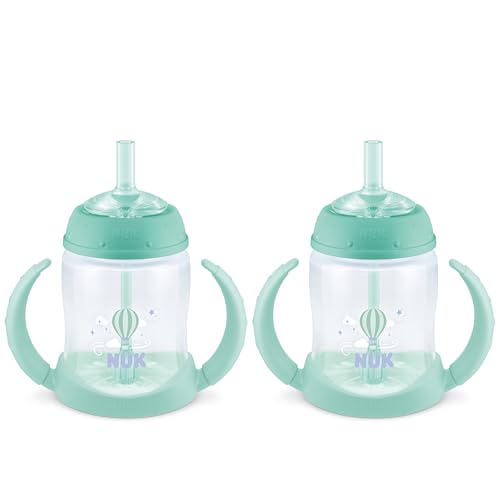
A good leak-proof straw cup uses a valve that stops liquid from dripping out when the cup is knocked over or tossed off a high chair tray, which happens often. Some valves require a light suck to open, which can also slow down accidental gulping. Test how the valve fits before buying if you can, since a stiff valve that is hard to open will frustrate a beginner just as much as no valve at all.
Size, Capacity, and Handles
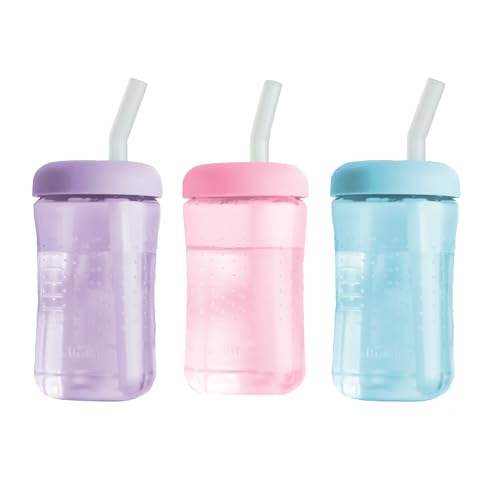
Smaller capacities, generally in the 4 to 7 ounce range, are easier for tiny hands to lift and less overwhelming for a first cup. Removable or built-in handles help babies grip and control the cup, though many toddlers eventually prefer a handle-free version as their coordination improves. Fewer, simpler parts also tend to mean an easier cleaning routine later.
Teaching Your Baby to Use a Straw Cup
Straw drinking rarely clicks on the first attempt, and that is expected rather than a sign something is wrong. A few approaches tend to work well:
- Let your baby explore the cup and straw with their hands and mouth before expecting them to drink from it.
- Fill the straw partway and give the cup a gentle squeeze once their lips are around the straw, so liquid reaches their mouth and they learn what wrapping their lips around it does.
- Model it yourself with an exaggerated sip, since babies pick up a lot from watching a parent or older sibling drink the same way.
- Keep sessions short, just a few minutes at a time, and offer the cup often rather than pushing through frustration in one long sitting.
- Start with water or breast milk rather than a new food or flavor, so you are only introducing one new skill at a time.
Progress usually comes in small jumps rather than a steady climb, so a good week followed by a stubborn one is normal, not a setback.
Keeping a Straw Cup Clean and Mold-Free
Straw cups have more hiding spots for moisture than an open cup, and that moisture is exactly what mold needs to grow. The straw and the valve are the two parts to watch closely, since both trap liquid in narrow spaces that air out slowly.
After each use, take the cup fully apart rather than rinsing it as one piece. Soak the straw and valve in warm, soapy water, then run a narrow straw brush through the straw itself to clear anything a rinse would miss. Most cup bodies are top-rack dishwasher safe, but small valves and straws are easier to lose or melt near the heating element, so a mesh basket or hand washing works better for those pieces. Let everything air dry completely before reassembling, since trapping any dampness inside is often what starts mold growth in the first place. If you want a gentler option than a full disassemble-and-boil routine, a non-toxic baby-safe cleaner can also help with a deeper weekly clean.
Frequently Asked Questions
When can babies start using a straw cup?
Many babies can begin practicing around 6 months, once they can sit up with support and show interest in cups. That is usually when parents start researching the best straw cup for baby options, though most babies do not master the skill until somewhere between 9 and 12 months, and that timeline is completely normal.
Is a straw cup better than a sippy cup for babies?
For oral development, most feeding and speech specialists favor straw cups over spouted sippy cups. Straw drinking encourages proper tongue and lip movement, while prolonged spout use can encourage a forward tongue posture linked to speech and dental concerns later.
How do I teach my baby to drink from a straw cup?
Let them explore the straw first, gently squeeze the cup to send a small amount of liquid up while their lips are sealed around it, and model sipping yourself. Short, frequent practice sessions work better than one long, frustrating attempt.
Are weighted straws necessary in a baby straw cup?
They are not strictly required, but a weighted straw makes it much easier for a beginner to drink from any angle, since the weight keeps the straw tip near the liquid no matter how the cup is tilted.
How often should you clean a straw cup?
Wash and fully disassemble it after every use, paying close attention to the straw and valve. A deeper weekly clean, including a soak or a baby-safe disinfectant, helps prevent mold from building up in spots a quick rinse can miss.
Can a straw cup cause tooth or speech problems if used too long?
Straw cups are generally considered a better long-term choice than sippy cups for oral development, but any cup used constantly throughout the day, especially with sugary drinks, can contribute to tooth decay. Moderation and good cleaning habits matter more than the cup style itself.
Making the Switch
There is no single cup that works for every baby, but the pattern behind a good one is consistent: a soft silicone straw, a leak-proof valve, and few enough parts that cleaning does not become a chore. Pair the right cup with short, low-pressure practice sessions, and most babies get comfortable with a straw well before their first birthday. The best straw cup for baby is really just the one your baby will actually pick up and use, and that usually becomes obvious within the first few tries.