Best High Chair for Baby-Led Weaning: A Complete Buying Guide
Disclosure: We may earn a commission when you buy through links on this page, at no extra cost to you. As an Amazon Associate I earn from qualifying purchases. Learn more

Starting solids with whole foods instead of purees changes what your baby's seat needs to do. Finding the best high chair for baby-led weaning means looking past color and price tag toward posture, stability, and cleanup, since your baby will be gripping, gnawing, and dropping food from day one.
A chair built for spoon-feeding often falls short here: no footrest, a reclined seat back, or a tray that traps every bit of mashed sweet potato in its seams. The right seat supports your baby's hips, knees, and ankles at roughly 90 degrees, keeps them upright while they chew, and lets you hose down the mess in under a minute. The sections below walk through exactly what matters and why.


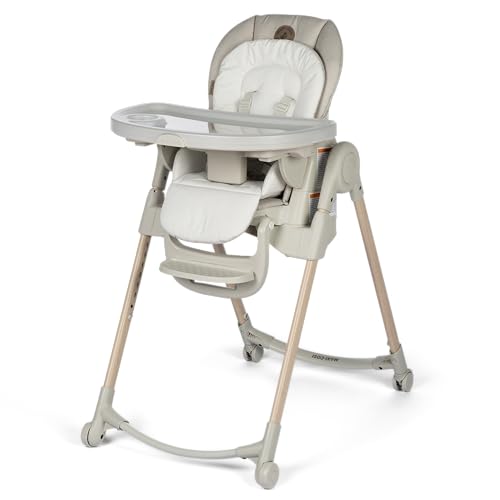
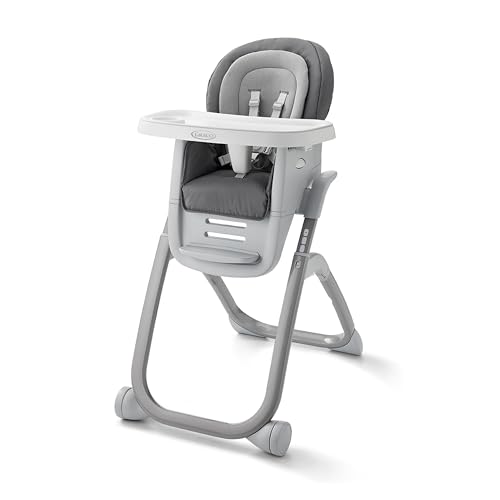
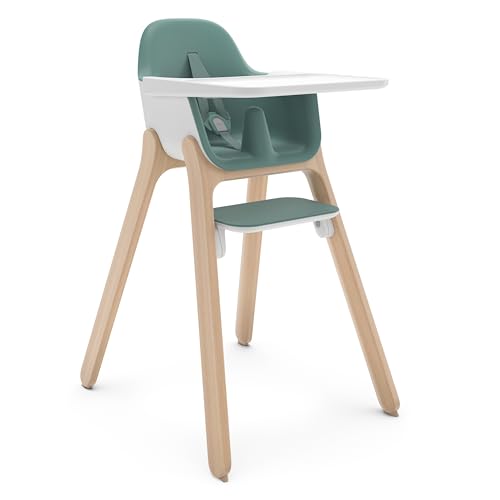

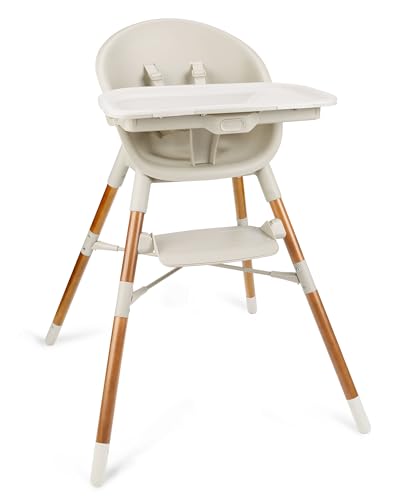


Why Self-Feeding Changes the Posture Rules
With traditional spoon-feeding, a slight recline works fine because you control the pace and the food texture. Baby-led weaning hands that control to your baby, who is picking up whole pieces of food, gumming them, and moving them around the mouth independently. That takes real core strength and an upright trunk. A reclined or semi-reclined seat pushes the chin toward the chest, which narrows the airway and makes swallowing harder to manage safely.
An upright seated position, roughly hips, knees, and ankles each bent near 90 degrees, gives your baby the stability to chew, cough, and self-correct if a piece of food goes toward the airway. Pediatric feeding therapists point to this posture repeatedly because it supports the muscles babies use to protect their own airway while learning to handle new textures. A chair that only reclines, or one that leaves legs dangling with nothing to push against, works against that goal from the very first bite.
The Fit Checklist That Actually Matters
Seat Angle and Footrest
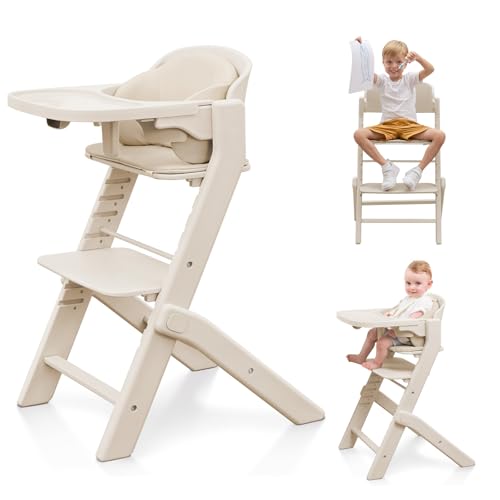
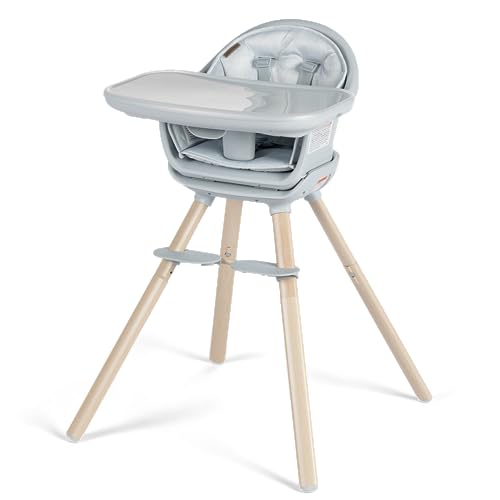
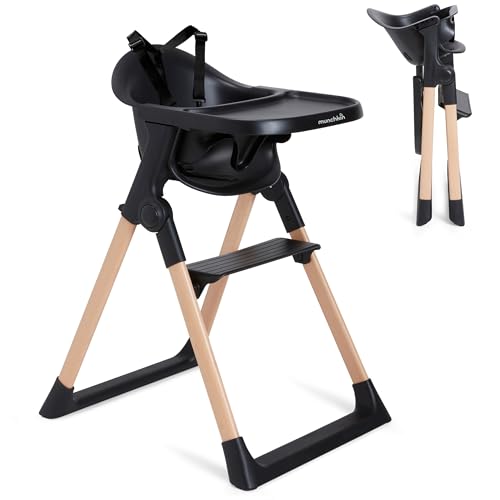
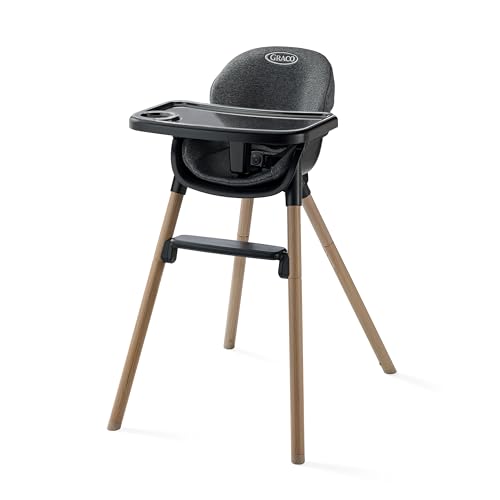
Look for a seat back that locks in a true upright position rather than a slight lean. Just as important is a footrest your baby can actually reach and press into. Dangling legs make it harder for a baby to stay steady while chewing, and a footrest gives them something to brace against, which in turn frees up the core and arms for the actual job of eating.
Tray and Harness
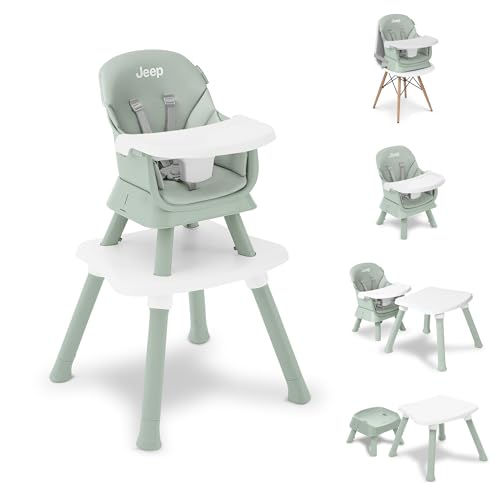
A deep, wide tray gives food somewhere to land besides the floor, and one that pops off with one hand makes it easy to pull your baby straight up to the family table later on. A snug five-point harness keeps your baby seated safely through the wiggling and reaching that come with grabbing food independently, without restricting the arm movement self-feeding requires.
Sizing the Chair to a Growing Eater
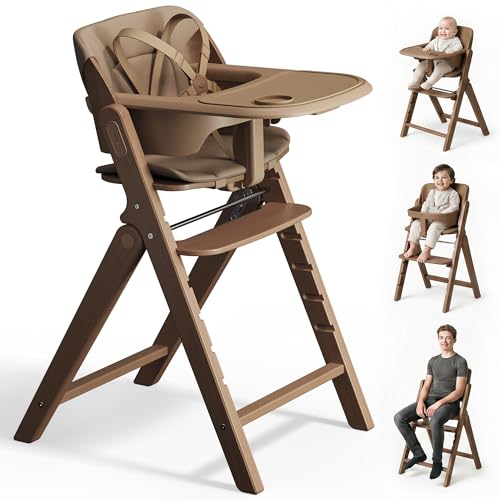
Part of choosing the best high chair for baby-led weaning is picking a seat that will still fit properly a year from now, not just at the first meal. Most babies start baby-led weaning around six months, sitting with support but not yet steady on their own. At that stage, adjustable footrest height and seat depth matter enormously, since a chair sized for a one-year-old will leave a six-month-old's feet nowhere near a resting point. Look for a base that adjusts through several height settings and a footrest that moves independently of the tray, so both grow along with your baby rather than staying fixed.
Weight and age limits vary widely between models, and some chairs convert into a toddler seat or booster once the high chair phase ends. If you want one seat to last from first bites through the preschool years, check the stated weight capacity and whether the tray and straps can be removed later so the chair can pull up to a regular table. A chair that only fits a narrow age window means buying again within a year or two.
Cleaning Up After the Inevitable Mess
Baby-led weaning is messier than spoon-feeding, full stop. Food gets squeezed, smeared, and dropped, and a chair that is hard to wipe down turns every meal into a chore. A dishwasher-safe tray is worth prioritizing, since hand-scrubbing rice or oatmeal out of a textured surface every day gets old fast.
- Smooth, seamless tray surfaces rinse clean far faster than trays with ridges or decorative grooves
- A wipeable vinyl or plastic seat pad beats fabric, which absorbs juice and grease and starts to smell over time
- Mesh or fabric harness straps trap crumbs in the stitching, so look for straps that can be wiped or, ideally, removed for a wash
- A crevice-free seat frame prevents food from wedging into joints where a cloth cannot reach
None of this is cosmetic. A chair that is genuinely easy to clean gets used consistently, and a chair that is a hassle to clean tends to get skipped in favor of a quicker, less ideal spot for meals.
Making It Work at the Family Table
Eating alongside the family, even from a high chair, helps babies pick up on chewing and pacing by watching everyone else at the table. A high chair that sits at true table height, or one with a tray that comes off entirely, lets your baby scoot right up next to the rest of the family rather than eating off to the side on their own. If space is tight, a compact or folding high chair can free up a surprising amount of floor space without sacrificing the upright seating baby-led weaning calls for.
Portability matters too if you eat at grandparents' houses, in the backyard, or on trips. A lightweight frame or a hook-on chair that clips to a table can round out a household that already owns a full-size seat, giving your baby the same upright, self-feeding-friendly setup wherever the meal happens. For a broader look at options across styles and budgets, this roundup of high chairs is a useful starting point before narrowing down to BLW-specific features.
Frequently Asked Questions
Is a reclining high chair ever okay for baby-led weaning?
No. A reclined position narrows the airway and makes it harder for your baby to manage food safely. Always feed in a fully upright position, buckled in, with a caregiver watching the whole meal.
Does the footrest really matter that much?
Yes. Feet flat on a footrest give your baby something to brace against, which stabilizes the trunk and frees up the hands and mouth for eating. Dangling legs make chewing and self-feeding noticeably harder to manage.
What age can a baby start using a high chair for baby-led weaning?
Most babies begin around six months, once they can sit upright with minimal support and have lost the tongue-thrust reflex. A chair with adjustable recline and footrest settings helps it fit properly at this early stage.
How do I clean a high chair tray with dried food stuck on it?
Soak the tray in warm soapy water for a few minutes before scrubbing, or run it through the dishwasher if it is rated for one. Wiping trays down right after each meal, before food dries, saves a lot of scrubbing later.
Should I buy a fabric seat pad or a plastic one?
Plastic or vinyl pads wipe clean in seconds and hold up better to daily messes. Fabric pads can be softer and more comfortable but tend to absorb spills and require more frequent washing.
Can one high chair really last from six months through toddlerhood?
Some chairs are designed to grow with your child, adjusting through infant, toddler, and even booster configurations. Check the stated weight limit and whether the tray and straps can be removed as your child gets older.
Is gagging during baby-led weaning a sign the chair is wrong?
Not necessarily. Gagging is a normal, noisy protective reflex as babies learn to manage new textures, and it looks and sounds very different from silent choking. A properly upright seat supports safer gagging and reduces the risk of true choking.
Getting the Setup Right From the First Meal
The right seat does more than hold your baby still at mealtime. Choosing the best high chair for baby-led weaning comes down to posture, a reachable footrest, and a surface that wipes clean without a fight, more than any particular color or extra feature. Once the seating angle, footrest, and cleanup routine are dialed in, the rest of baby-led weaning tends to fall into place on its own.