
Best Slow Cooker Under $100: How to Choose the Right One
Disclosure: We may earn a commission when you buy through links on this page, at no extra cost to you. As an Amazon Associate I earn from qualifying purchases. Learn more
Standing in front of a shelf of slow cookers, all promising to be the last one you'll ever need, makes it hard to tell what actually separates a $25 model from a $95 one. If you have set a firm ceiling and are hunting for the best slow cooker under 100 dollars, the good news is that this price range covers a wide spread of quality. The trick is knowing which features are genuinely worth paying for and which ones are just marketing. In this guide, you'll learn how to size a slow cooker to your household, what the $50 to $100 range actually unlocks over the cheapest models, whether manual or programmable controls suit you better, and where budget units tend to compromise.


Finding the Right Capacity Without Overspending
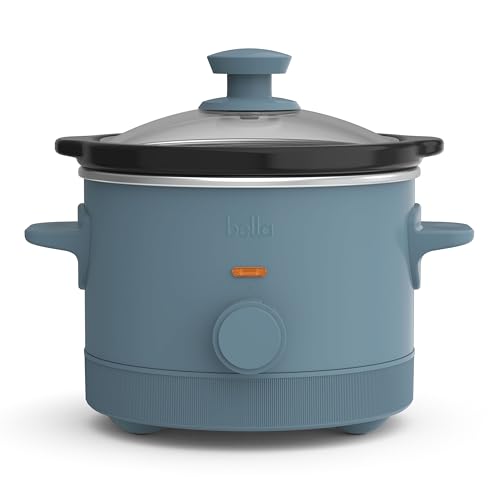
Capacity is the first decision that shapes everything else, including price. Slow cookers in this budget range span roughly 2 quarts up to 8 quarts, and picking the wrong size wastes either money or counter space. A good starting rule of thumb is about one quart of capacity per person you regularly cook for, though most people round up slightly for leftovers.
Matching Quart Size to Household Size
Someone cooking for one or two people usually does fine with a 3 to 4 quart model, which also tends to sit at the lower end of this price bracket. A typical family of four is better served by a 4 to 5 quart cooker, which fits a full pot of chili, a whole chicken, or a pork shoulder without crowding. If you regularly cook for a crowd, batch meal prep for the week, or want leftovers to freeze, a 6 to 8 quart model makes more sense, and you'll usually pay closer to the top of the under $100 range for that extra room.
Why Bigger Isn't Automatically Better
It's tempting to buy the largest capacity available since it seems like better value per dollar, but an oversized crock left half empty can cook unevenly and dry out food faster than a properly filled smaller one. Most slow cookers perform best when the insert is filled between half and three quarters full. If you frequently cook small portions, a large cooker sitting mostly empty will not perform the way it's designed to. Readers who want to compare capacity and features across every price tier, not just this budget range, can see the fuller picture in our slow cooker buying guide.
What $50 to $100 Actually Buys You
Price tiers in the slow cooker category are fairly predictable, and understanding them helps you avoid overpaying for features you won't use, or underpaying and missing something you'll want. When people search for the best slow cooker under 100 dollars, they're usually trying to figure out exactly where that extra $30 to $70 over a rock-bottom model actually goes.
The Baseline: What a Sub-$30 Model Gives You
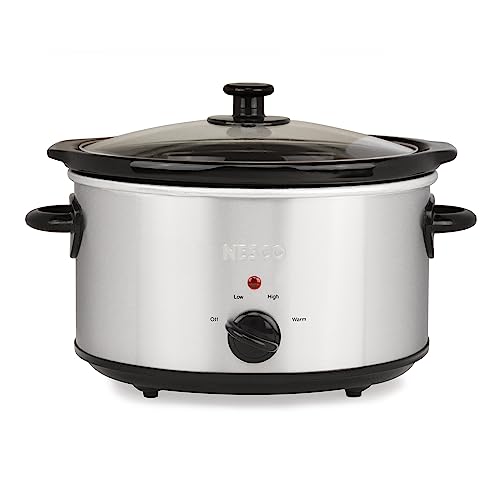
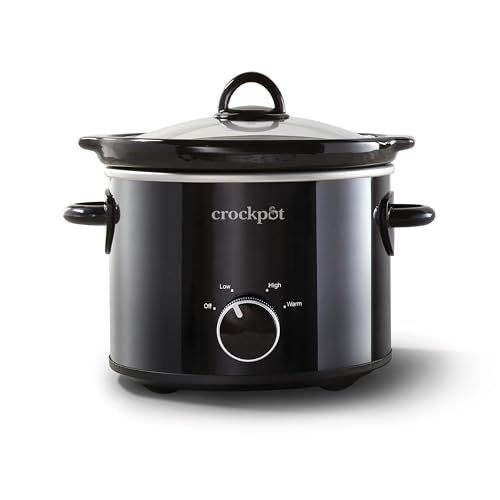
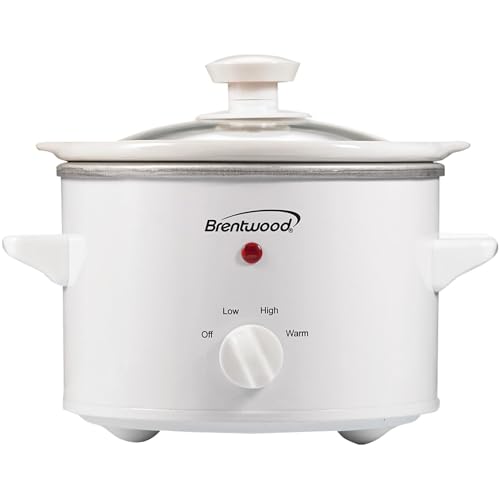
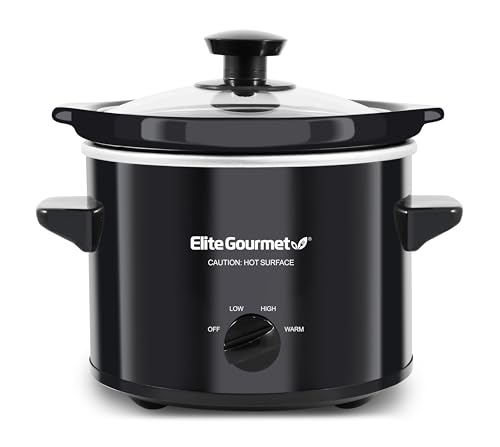
Entry-level slow cookers, generally priced under $30, typically offer a simple manual dial with low, high, and warm settings. The crock insert is usually a basic ceramic piece, the lid is glass but not locking, and there's no timer of any kind. For straightforward weekend cooking where you're home to shut it off, this tier does the core job perfectly well.
What Changes Once You Cross Into the $50-100 Range
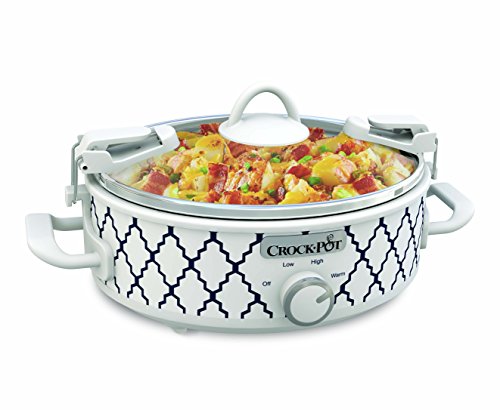
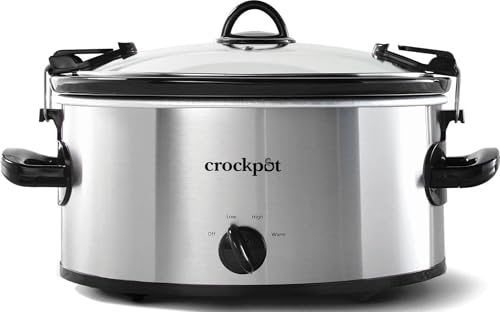
Moving into the middle of this budget unlocks a handful of upgrades that make a real difference in daily use. Digital programmable timers let you set a specific cook time and have the unit switch automatically to a warm setting, which matters if you're leaving for work and won't be home when the dish finishes. Many models in this range also add a locking, clip-on lid designed for transporting food to a potluck or gathering without spills. Some include a slightly heavier ceramic insert or a stainless steel exterior instead of plastic. If you're weighing this against other countertop appliances at a similar price point, the value logic is similar to what you'll find comparing options in our guide to the best air fryer ovens under $200, where the jump in price tier tends to buy convenience features rather than a fundamentally different cooking result.
Manual Dial or Programmable Control
This is one of the most common decisions buyers face in this price range, and there's a real trade-off worth understanding rather than just defaulting to "newer is better."
The Case for a Simple Manual Dial
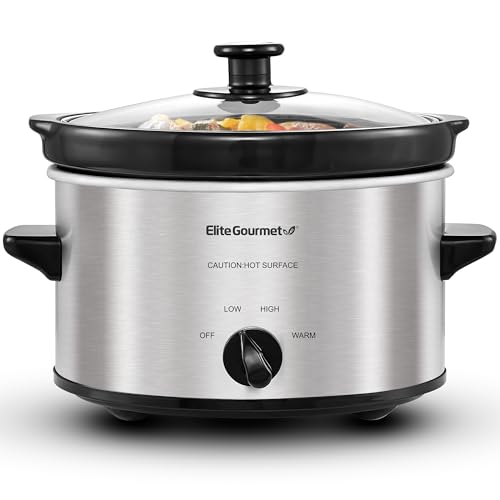
A manual dial with low, high, and warm settings has almost nothing to break. There's no circuit board sitting near a heat source for years on end, no digital display to fail, and no software to behave unpredictably. Plenty of experienced home cooks specifically prefer this simplicity, partly because they've had digital units develop quirks after a couple of years of regular use. If you're usually home to turn the cooker off yourself, or you cook on a predictable schedule, a manual model can be the more reliable long-term choice.
The Case for a Digital Timer
On the other hand, a programmable timer is genuinely useful if you start a recipe before leaving for work and won't be back for eight or nine hours. Rather than leaving the unit on high the entire time, it can automatically switch to warm once the set cook time elapses. The trade-off is that "warm" on some units runs hotter than you'd expect, which can slowly dry out food if it sits for several extra hours. If you tend to run long or unpredictable days, look specifically for a model where reviewers describe the warm setting as gentle rather than aggressive.
Where a Budget Model Cuts Corners
Staying under $100 doesn't mean settling for something that performs poorly, but it does mean a few things are more likely to show up compared to a premium unit priced well above this range.
Insert and Lid Quality
Premium slow cookers often use thicker, more evenly glazed ceramic inserts and tempered glass lids with a tighter seal. Budget models can have thinner inserts that are more prone to hairline cracks from thermal shock, such as adding cold ingredients straight from the fridge into an already warm base. Letting ingredients come closer to room temperature before adding them, and avoiding sudden temperature swings, goes a long way toward protecting a budget insert.
Even Heating and Hot Spots
The most common complaint about lower-priced slow cookers is uneven heating, where one side of the crock bubbles noticeably faster than the other. This happens because the heating element and insulation in cheaper units are less consistent than in higher-end models. It's rarely severe enough to ruin a dish, but it does mean stirring occasionally and rotating the crock if your model has a noticeably hot side is a good habit. If even heat control matters more to you than the slow cooker's usual set-it-and-forget-it convenience, it's worth knowing that a heavy Dutch oven on the stovetop or in a regular oven can deliver more consistent, controllable heat for slow braises, though obviously without the hands-off timer convenience.
Frequently Asked Questions
What size slow cooker is best for a family of four?
A 4 to 5 quart slow cooker generally fits a family of four well, leaving enough room for a full meal like a roast or a pot of stew without leftovers going to waste from being cooked in too large a crock.
Is it worth buying a more expensive slow cooker?
It depends on how often you use it. If you cook with it weekly and want features like a locking lid, a temperature probe, or more even heating, spending closer to the top of this budget or slightly above can be worthwhile. For occasional use, a basic model does the job just as well.
Should I get a programmable or manual slow cooker?
Choose programmable if you're regularly away from home for long stretches during cooking and want the unit to switch to warm automatically. Choose manual if you're usually home to monitor it, or you'd rather avoid electronics near a heat source over the long run.
Why does my slow cooker cook unevenly?
Uneven heating is typically due to the heating element or insulation quality, which tends to be less consistent in budget models. Stirring occasionally and keeping the crock filled to at least half capacity helps minimize the effect.
Is the keep warm setting safe to leave on for hours?
Yes, the warm setting is designed for extended use after cooking finishes, but food quality can suffer if it runs for many hours since some units keep the temperature higher than ideal. Checking food after four to six hours on warm is a reasonable habit.
Do budget slow cookers work as well as expensive ones?
For basic cooking tasks, yes. The core function, low and slow heat over several hours, works reliably even on inexpensive models. The differences show up mostly in convenience features, material quality, and heating consistency rather than whether the food actually gets cooked properly.
How full should I fill a slow cooker for the best results?
Aim for the insert to be roughly half to three quarters full. An overfilled cooker can take longer to reach a safe temperature, while one that's mostly empty may cook unevenly or dry food out faster than expected.
Making the Right Call for Your Kitchen
Choosing the best slow cooker under 100 dollars really comes down to matching capacity to how you actually cook, then deciding whether the convenience of a programmable timer is worth more to you than the simplicity of a manual dial. Once you've settled on those two points, you'll have a much clearer sense of where in this price range to focus your search, and which features are actually worth the extra few dollars.