
Best Blackout Curtain Liner: How to Pick One That Works
Disclosure: We may earn a commission when you buy through links on this page, at no extra cost to you. As an Amazon Associate we earn from qualifying purchases. Learn more
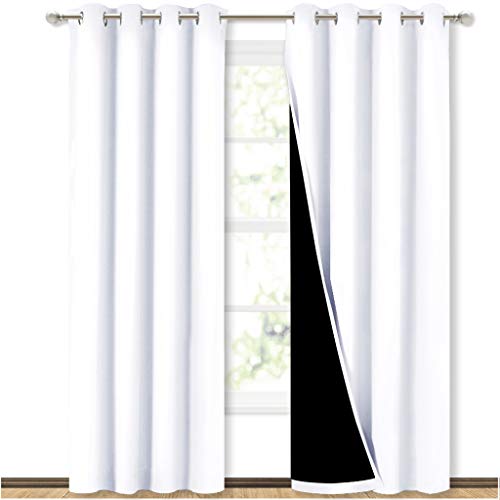
If your bedroom curtains let in too much light every morning, tearing them down and buying a whole new set feels like overkill for what should be a simple fix. A blackout curtain liner solves that problem without touching the curtains you already have. It clips, hooks, or slides in behind your existing panels and adds the light-blocking and insulating layer that thin or lightweight fabric usually lacks. Because it works with almost any curtain style already on your rod, whether that is a light cotton panel, a sheer, or a print you are not ready to part with, finding the best blackout curtain liner is one of the easiest upgrades for a room that needs to get darker or quieter. This guide covers how liners attach, what actually determines how dark a room gets, how to size one correctly, and when it makes more sense to replace the curtains outright.
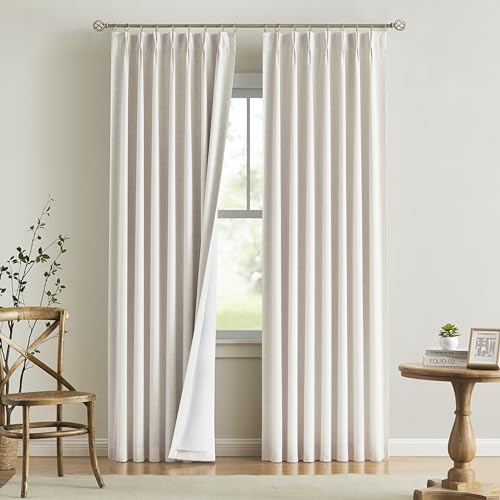
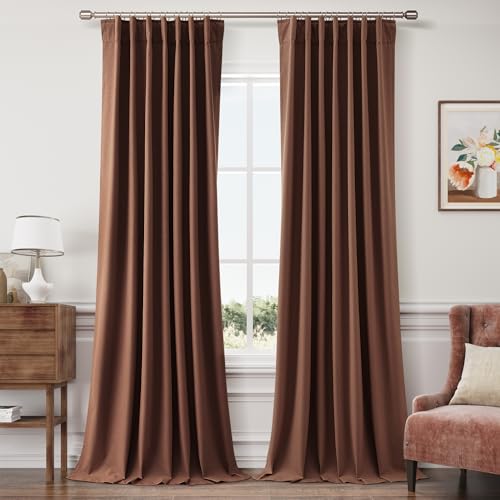
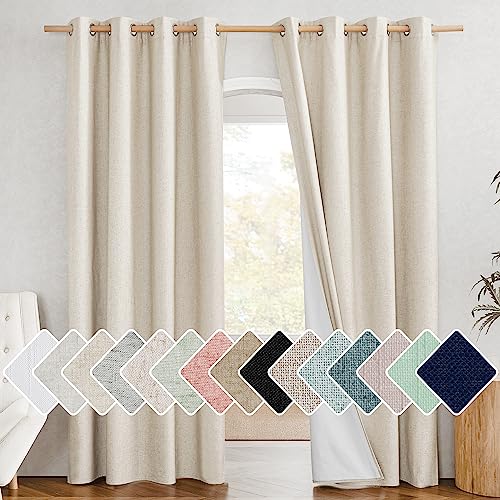

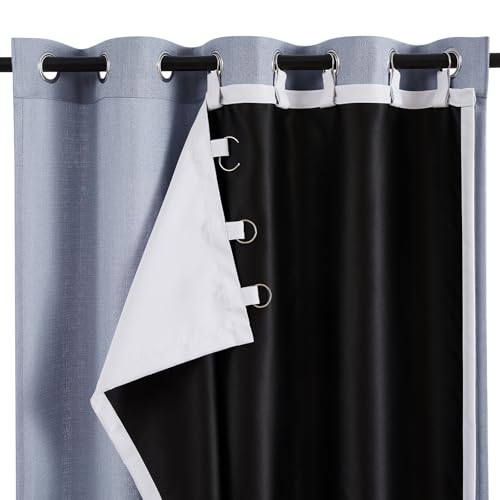
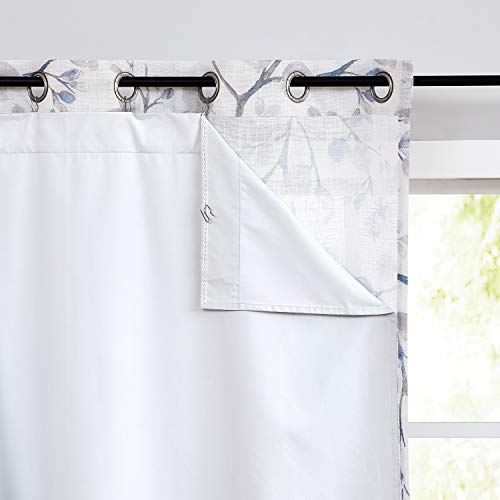
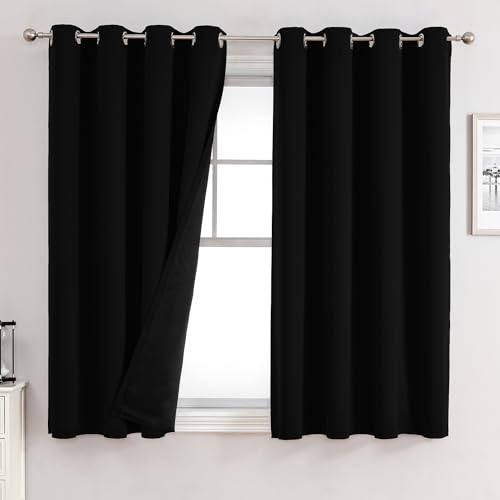
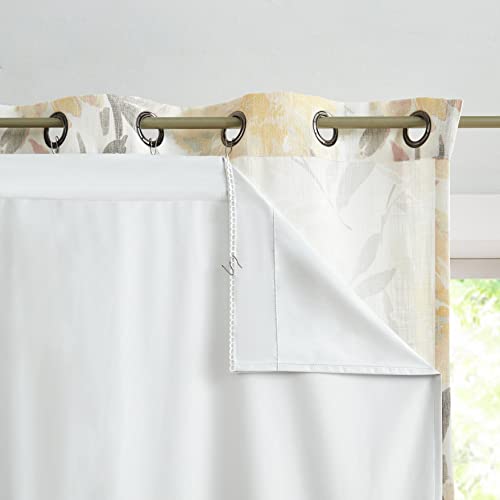



How a Blackout Curtain Liner Attaches to the Curtains You Already Have
Most liners are designed to go on without any sewing, which is the main reason people choose one over buying new curtains. The attachment method usually depends on what kind of curtain header you already have.
- Hook-and-loop tabs. Small strips of hook-and-loop fastener along the top edge stick the liner directly to the back of the existing panel. This works well with heavier decorative fabrics that can support the extra weight.
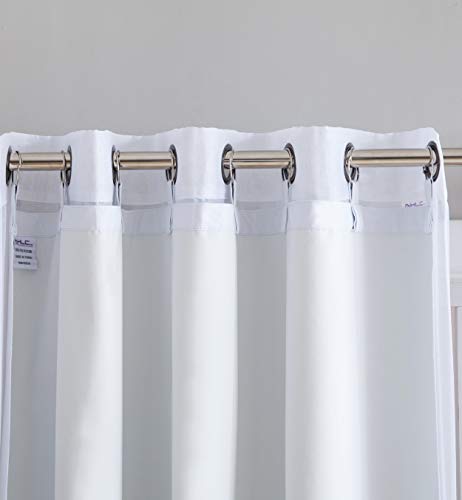
- Clip-on rings. Small curtain rings with clips grip both the liner and the main curtain at the same time, so the two hang together as one unit from the rod. This is the easiest option if your curtains already use rings.
- Pin hooks and header tape. The liner has a tape pocket along the top edge; pin hooks slide into that tape and then hook onto the same rings or track your curtains already use.
- Rod pocket sleeve. Some liners are made to hang on a second, thinner rod mounted just behind the main curtain rod rather than attaching to the curtain fabric at all.
Grommet and pinch pleat curtains tend to give the cleanest result because the liner sits close to the header with fewer visible gaps. Rod pocket curtains can work too, but you will usually need a separate rod for the liner since there is no tape or ring to clip onto.
What Actually Determines How Much Light It Blocks
Not every liner marketed as a blackout curtain liner performs the same way once it is hung. The fabric construction matters more than the color or the label on the packaging.
Look at how many layers, or passes, the fabric has. A three-pass or triple-weave construction has an opaque middle layer sandwiched between two outer layers, and it blocks noticeably more light than a basic two-pass liner. Foam-backed liners use a coated layer instead of woven layers; they block light well and add a bit of extra insulation, but the coating can crack or peel with heavy use over time.
A liner described as fully opaque should eliminate almost all light coming through the fabric itself, though light can still sneak in around the edges regardless of how dense the material is, which the sizing section below covers. Thermal or reflective backing is worth paying attention to as well since it does double duty, cutting glare and heat gain in a sunny room in addition to blocking light.
Sizing a Liner So There Are No Light Gaps
A liner that fits loosely, or one that is too short, defeats the purpose no matter how dense the fabric is. Measure the width of each existing curtain panel and choose a liner panel that matches it or runs slightly wider, since a liner narrower than the curtain will leave a strip of exposed window along the edge.
Length matters just as much. The liner should hang from the same height as the curtain header down to at least the bottom hem, if not slightly past it. A liner that stops several inches short creates a gap near the floor where light streams in, and one that runs too long will peek out from under the curtain and look unfinished.
For extra-wide windows or windows with a lot of exposed frame above the rod, hanging the liner a few inches wider than the window frame on each side helps block the light that would otherwise sneak around the sides where the curtain meets the wall.
Liner or a Full Curtain Swap: Which Makes More Sense
A blackout curtain liner is the better choice when you like your current curtains and just need them to perform better. It is faster, cheaper, and usually does not require new hardware, which makes it a practical option for renters or anyone who is not ready to commit to a full redecorate.
Replacing the curtains outright makes more sense when the panels themselves are worn out, too short, or were never a good match for the room to begin with. If you are furnishing a room from scratch, say outfitting a baby's room for the first time, starting with a complete blackout curtain set built for that purpose may be simpler than adding a liner to curtains you do not have yet.
There is also a middle ground worth knowing about. Some liners are sold as standalone panels meant to be layered behind sheers or lightweight curtains rather than clipped onto them. That approach gives you more control over how much light comes through on nights when you want the room a little brighter, since the layers can be opened independently.
Getting More Than Just Light Blocking Out of a Liner
Blocking light is the main reason most people add a liner, but it is rarely the only benefit. The extra layer of fabric also dampens sound to some degree, since dense woven or foam-backed material absorbs more noise than a single thin curtain panel does. If reducing outside noise is actually your main priority rather than light, it is worth comparing a liner against curtains built specifically for that job, like noise reducing curtains designed with sound dampening as the primary feature rather than a side effect.
A liner also helps regulate room temperature by adding a barrier against heat gain in summer and drafts in winter, which can make a real difference in a room with an older window or thin glass. On top of that, the extra layer blocks UV exposure that fades furniture, flooring, and the curtains themselves over time, and it adds a layer of privacy at night when the lights are on inside and outside eyes could otherwise see in through thin fabric.
Frequently Asked Questions
Does a blackout curtain liner work with sheer curtains?
Yes. Liners are often paired with sheers specifically because sheer fabric alone blocks very little light on its own. The liner hangs behind or clips to the sheer and does the light-blocking work while the sheer keeps its airy look during the day when it is left open.
Can you wash a blackout curtain liner?
Most are machine washable on a gentle cycle, though foam-backed versions often need to be spot cleaned or hand washed since the coating can break down in a washing machine. Check the care label before washing to avoid damaging the blackout layer.
Do blackout liners block noise as well as light?
They help, but light blocking and sound dampening are not the same thing. A liner reduces some noise simply by adding mass and layers to the window, but a product designed specifically for sound absorption will typically outperform a liner used mainly for darkness.
Is a blackout curtain liner as effective as blackout curtains?
A well-made liner paired with a properly sized curtain can come close to the performance of dedicated blackout curtains, especially when there are no gaps around the edges. Fully constructed blackout curtains still tend to have a slight edge because the blackout layer is built into the panel rather than added afterward.
Do blackout liners need their own curtain rod?
Not always. Liners that clip, hook, or use hook-and-loop tabs typically share the existing rod with the main curtain. A separate liner rod is usually only necessary for rod pocket styles that are not designed to attach directly to the curtain.
How much light does a blackout curtain liner actually block?
A quality liner with a three-pass or foam-backed construction can block close to all direct light coming through the fabric itself. The remaining light people notice usually comes from gaps at the top, sides, or bottom rather than the fabric letting light through.
Will adding a liner make my curtains too heavy for the rod?
It can, especially with foam-backed liners on a lightweight tension rod. Check the weight rating of your existing hardware, and consider a sturdier rod or extra brackets if you are lining a wide or floor-length panel.
The Bottom Line on Upgrading With a Liner
A blackout curtain liner is one of the most practical ways to fix a room that is too bright or too noisy without starting over on window treatments. Pay attention to the pass count and backing of the fabric, size it to eliminate gaps, and match the attachment method to the curtains you already have, and the upgrade will function close to a full blackout curtain replacement.
Take a few minutes to measure before buying rather than guessing, since a liner that is slightly undersized will underperform no matter how good the fabric is. Getting the fit right the first time saves a return and gets the room dark faster.