Best Portable Food Warmer: The Complete Buying Guide
Disclosure: We may earn a commission when you buy through links on this page, at no extra cost to you. As an Amazon Associate we earn from qualifying purchases. Learn more
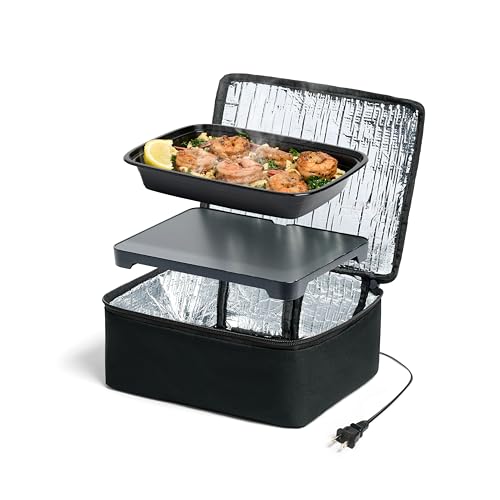
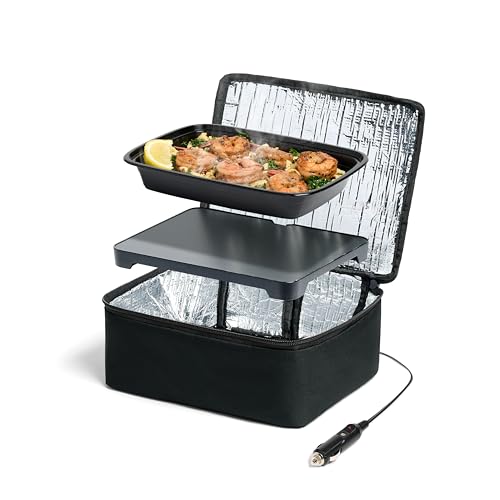
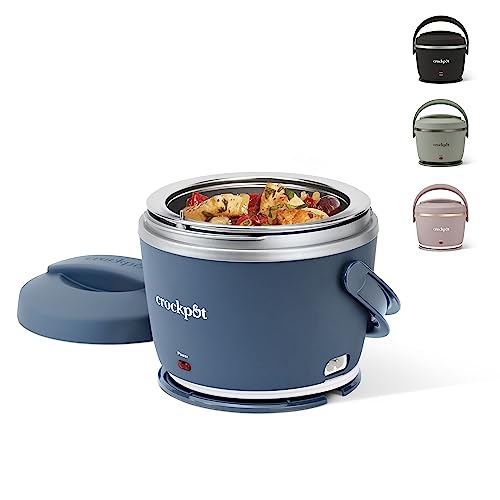
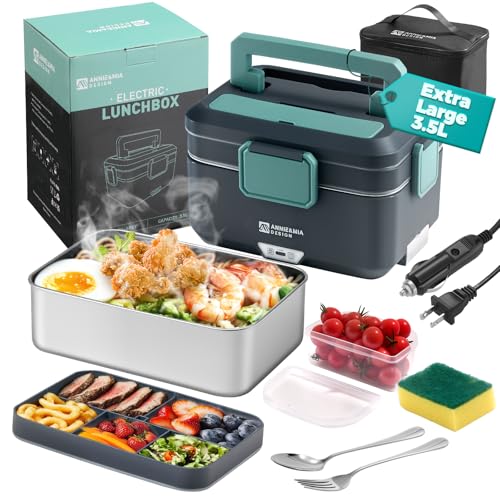
A trucker plugs a lunch box into the cab's 12V outlet before pulling out of the yard, and by the time he's three hours down the highway, the chili is still hot enough to eat straight from the container. That's the actual use case behind "portable food warmer," and it's a different product entirely from the flat tray your aunt plugs in for Thanksgiving or the steam table a diner runs all lunch shift. If you're searching this because you drive for a living, commute with a packed lunch, or work a job site without a break room microwave, you need something you can carry out the door and run off a car outlet, USB power bank, or good insulation alone. Here's how these actually work, what separates a warmer that earns its keep from one that just gets left in a drawer, and how to keep food safe while it's riding around with you.
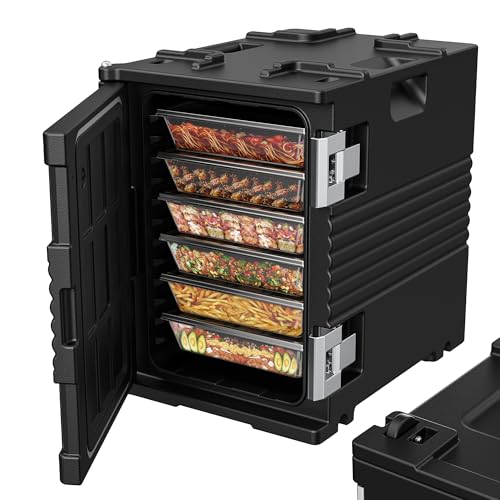
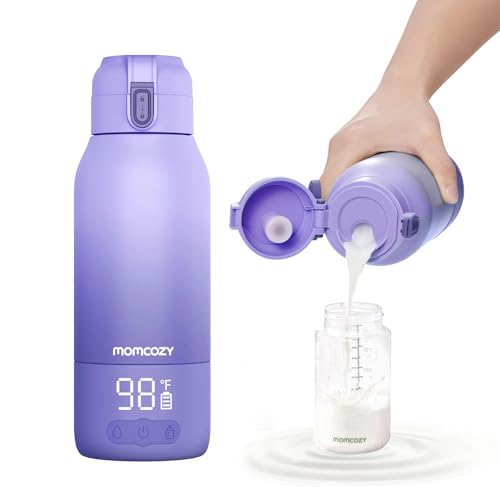
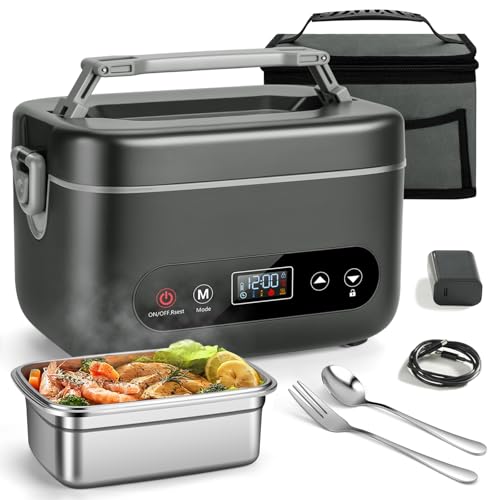
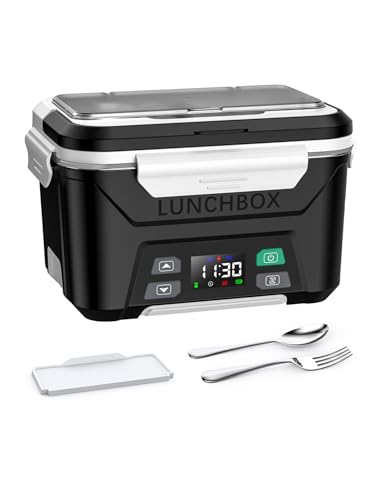
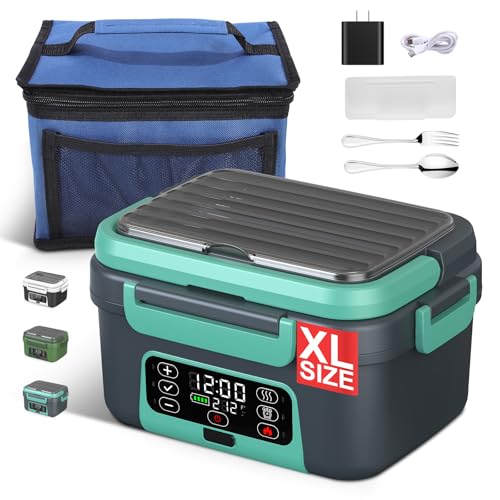
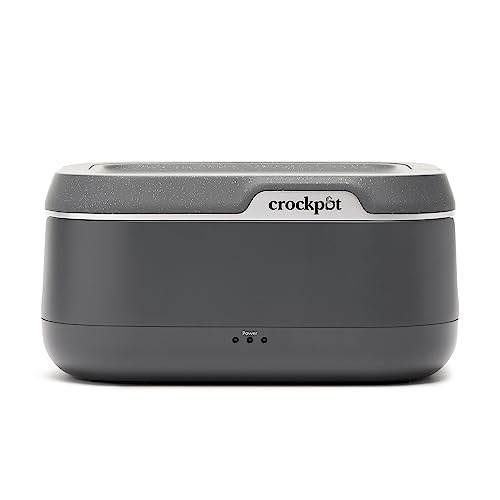
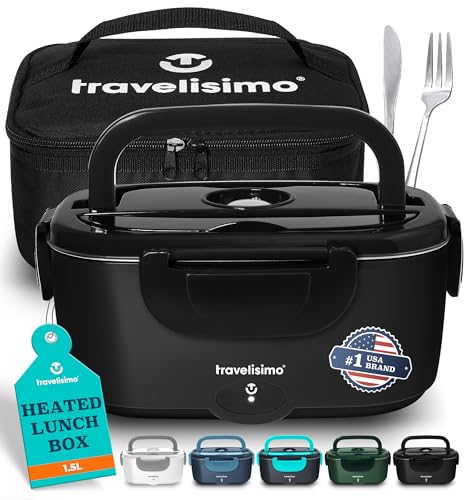
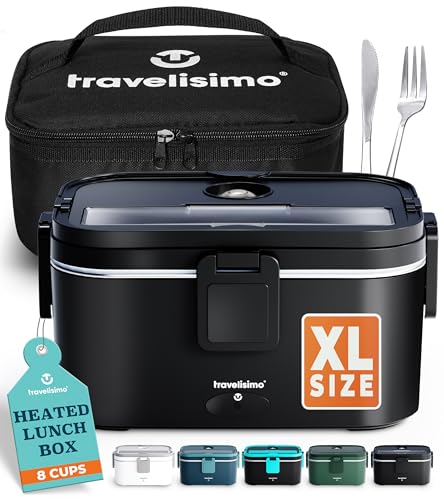
Who Actually Needs a Portable Food Warmer (and Who Doesn't)
Search results for this term get muddied by products built for entirely different situations, so it helps to know which one you actually are before you buy. Long-haul and delivery drivers spend most of the workday away from any kitchen, so a 12V heated lunch box that plugs into the vehicle is often the only realistic option, especially for anyone hauling overnight where a truck stop microwave isn't guaranteed to be free or working. Rideshare and food delivery drivers have a narrower problem: they're not reheating their own lunch, they're trying to keep someone else's order hot for the twenty to forty minutes between pickup and drop-off, which is really an insulation problem rather than a heating one.
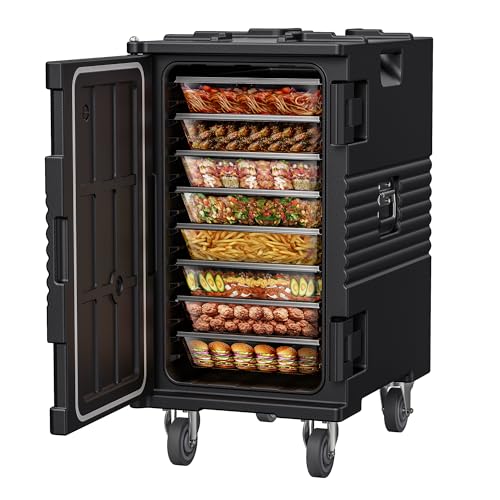
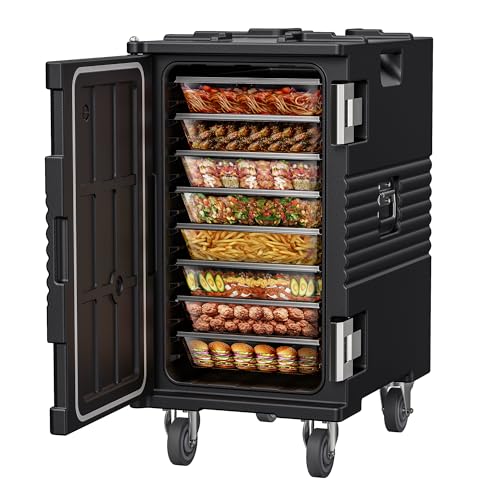
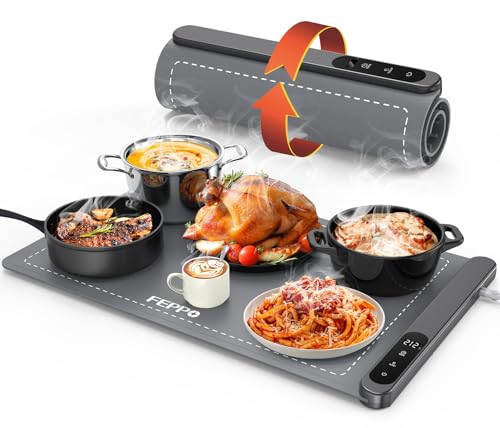
Office commuters and remote job-site workers usually fall somewhere in between. If you meal-prep the night before and just need lunch to still be hot by noon, a well-insulated container often does the job without any batteries or cables involved. If you're hosting a dinner and need six dishes to stay warm on the table for two hours, that's a different product entirely, closer to a home warming tray than anything you'd carry in a bag. And if you're running a lunch counter or catering event, you want equipment built for continuous holding, not a single-portion unit, which is where commercial food warmers come in instead.
12V Electric Warmers vs. Insulated Warming Bags: How They Really Compare
Once you've confirmed you actually need something mobile, the real decision is between an electric unit and a purely insulated one, and the two solve the problem in genuinely different ways. A 12V or 24V electric lunch box plugs into a car, truck, or power bank and keeps adding heat the entire time it's running, so food loaded warm at 8 a.m. can still be properly hot at 1 p.m. because the unit never stops working. The catch is that it only works as long as it's powered. Unplug it or shut the engine off for a few hours and it behaves like any other closed container, cooling down at roughly the same rate.
An insulated warming bag or vacuum-style container has no such dependency, but it's fighting a losing battle against physics from the moment you seal it. Most standard insulated lunch bags hold food above a safe eating temperature for roughly two to four hours, and that window shrinks fast in a hot car or if the bag gets opened and closed repeatedly. A high-quality vacuum-insulated container paired with careful packing (filling it completely, preheating the container itself) can stretch closer to five or six hours, but that's the ceiling, not the average. If your day involves more than three or four hours between packing lunch and eating it, and you have access to a 12V outlet, the electric option is doing something the bag physically can't. If your trip is shorter, or you don't want to deal with cables and plugs at all, a well-made insulated lunch bag is often simpler and just as effective for that window.
Wattage, Heating Time, and Battery Drain: What the Numbers Mean
Electric portable warmers are usually sold by wattage, and the spread matters more than it looks on a spec sheet. Entry-level units run around 40 watts, mid-range models sit closer to 60 watts, and premium 12V/24V/110V combo units reach 80 to 100 watts. Higher wattage heats food faster and holds a more consistent temperature, but it also draws more current, which is where the most common complaint with these products actually shows up: running a higher-wattage unit off a car's 12V outlet with the engine off can measurably drain the battery within a few hours. That's rarely a problem for someone who's driving anyway, since the alternator keeps up, but it matters for anyone who plans to preheat lunch while parked. Look for units with an automatic shutoff, typically around the four-hour mark, since that feature exists specifically to prevent a dead battery rather than to save on food quality.
Heating time is the other spec worth checking against your own schedule instead of taking at face value. Food that's already warm when you load it usually reaches full eating temperature in about an hour. Food straight from the refrigerator takes closer to ninety minutes, and frozen food longer still. A lot of frustrated reviews trace back to someone plugging the unit in twenty minutes before lunch and expecting microwave-speed results; these are slow, steady heaters, not fast ones. Plan to load it before you leave the house, not on your way to eat.
Keeping Food at a Safe Temperature on the Road
Food safety guidance puts the danger zone between 40°F and 140°F, and the goal with any portable warmer is keeping hot food above that top line, not just warm to the touch. This is harder to manage in a moving vehicle than it sounds. A unit that reads hot at the plate but has cold spots from an uneven heating surface can let part of a meal sit in that danger zone for hours without any obvious sign, so if a warmer runs noticeably hotter on one side than the other, it's worth returning rather than working around. Leak-proof lids matter for the same reason braking and turning matter: a seal that's fine sitting still on a counter can shift and let liquid escape once it's bouncing around a cab or a delivery bag for a few hours, and a spill inside a warm, enclosed space is exactly the kind of thing that spoils an entire lunch or, worse, a car interior.
As a general rule, don't count on any portable warmer, electric or insulated, to hold food safely past the four-hour mark unless you've specifically tested it against a thermometer. That's especially true in summer, when a car cabin can run well above the outside temperature and work against whatever the warmer is trying to do. If a shift or route regularly runs longer than that, it's worth packing a second, smaller portion instead of relying on one container to stretch across an entire day.
Frequently Asked Questions
Do 12V food warmers actually work, or do they just insulate?
They actively heat, not just insulate. A properly wired 12V unit draws power the whole time it's plugged in and keeps adding warmth, which is why it can hold food hot for far longer than a sealed insulated bag on its own.
Will running one drain my car battery?
Not while the engine is running, since the alternator covers the draw. Running a higher-wattage unit for hours with the engine off is the scenario that actually risks a dead battery, which is why auto-shutoff features matter if you plan to preheat food while parked.
How long will food actually stay hot without power?
Expect roughly two to four hours from a good insulated bag or a powered unit that's since been unplugged. Treat anything beyond four hours as unreliable unless you've verified it yourself with a food thermometer.
Can I use a portable food warmer for cold food too?
No. These units are built to add heat, and most have no cooling function at all, so packing anything perishable that needs to stay cold requires a separate insulated cooler bag instead.
Bottom Line
The right choice comes down to how long your food needs to stay hot and whether you have steady power available. Drivers and anyone gone more than four hours get real, measurable value from a 12V electric warmer, provided they check the wattage against their vehicle and don't leave it running unattended with the engine off. Shorter trips and simpler routines are often better served by a quality insulated bag, without the extra weight of cables and a heating element. Either way, the goal is the same one your lunch has always had: still hot, still safe, by the time you actually sit down to eat it.