
Best pH Meter for Drinking Water: What to Look for Before You Buy
Disclosure: We may earn a commission when you buy through links on this page, at no extra cost to you. As an Amazon Associate I earn from qualifying purchases. Learn more
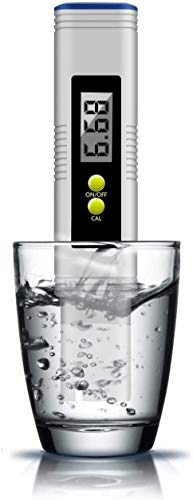
If your tap water tastes a little metallic, your well water leaves chalky spots on glasses, or you just want to know whether the water you're drinking every day is actually balanced, checking its pH is one of the simplest tests you can run at home. Finding the best pH meter for drinking water isn't about buying the most expensive gadget on the shelf. It comes down to matching accuracy, calibration habits, and probe durability to how you actually plan to use it. In this guide, you'll learn why pH matters for drinking water, what separates a reliable meter from a cheap one, how the different meter types compare, and the mistakes that quietly wreck your readings.



Why the pH of Your Drinking Water Is Worth Checking
The EPA sets a recommended pH range of 6.5 to 8.5 for public drinking water. It's listed as a secondary standard, meaning it's mostly about taste, appearance, and how the water interacts with your plumbing rather than a strict health rule on its own. Still, that range tells you a lot. Water below 6.5 tends to be acidic and corrosive, which means it can leach lead and copper out of older pipes and fixtures over time. Water above 8.5 usually isn't dangerous, but it often tastes bitter or soapy and can encourage mineral buildup in appliances.
Municipal water systems publish annual reports, but those numbers reflect the water leaving the treatment plant, not necessarily what comes out of your faucet after traveling through your home's pipes. Well water is a different story entirely, since it isn't treated or monitored by a utility at all. That's why picking the best pH meter for drinking water in your own home gives you information a utility report simply can't.
What Actually Makes a pH Reading Trustworthy
Plenty of inexpensive meters promise lab-level precision, but a handful of specs and habits determine whether you can actually trust the number on the screen.
Accuracy and Resolution
Look for a meter with a resolution of at least 0.01 pH rather than 0.1 pH. For drinking water, where the safe range spans a full two points, 0.1 resolution is usually fine for a rough check, but 0.01 gives you a clearer picture if you're tracking small changes over weeks or comparing a filter's before-and-after effect.
Automatic Temperature Compensation
pH readings shift slightly with water temperature, so a meter without automatic temperature compensation, often shortened to ATC, can give you a number that's technically accurate for a lab sample but off for the glass of water in your kitchen. ATC isn't a luxury feature; it's what keeps your readings consistent whether you're testing water straight from the tap or after it's sat out for a while.
Calibration Solutions and How Often You'll Need Them
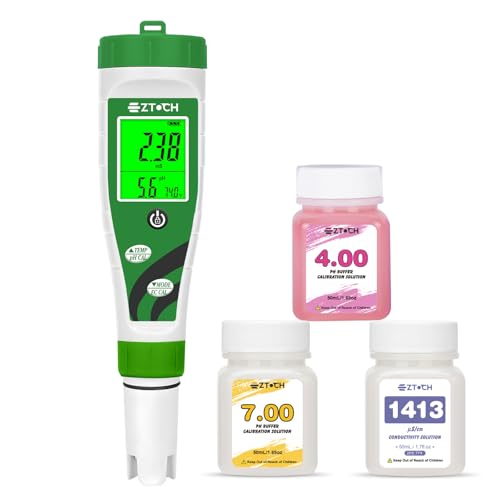
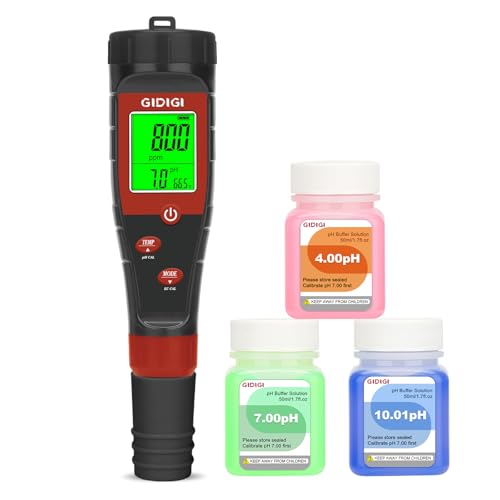
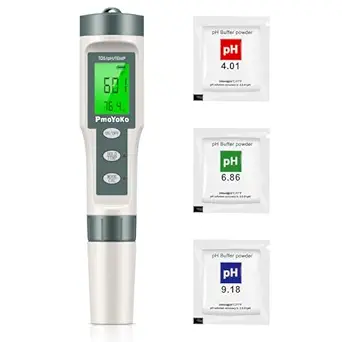
Every pH meter drifts over time, even the ones that arrive pre-calibrated. Look for a model that comes with calibration buffer solution, or where replacement solution is easy to buy separately. Casual home testing usually only needs calibration every few weeks to a couple of months, while anyone testing more frequently, like well owners checking after every rainfall, should calibrate more often to keep results reliable.
Probe Material and Durability
Well water in particular can carry sediment, minerals, and dissolved metals that wear down a cheap probe faster than filtered tap water would. A meter with a glass or reinforced electrode tip tends to hold calibration longer and resist pitting compared to bargain plastic-tipped probes.
Digital Pens, Test Strips, and Combo Meters: How They Differ
Not every pH tester on the market works the same way, and picking the wrong format is a common reason people end up frustrated with their results.
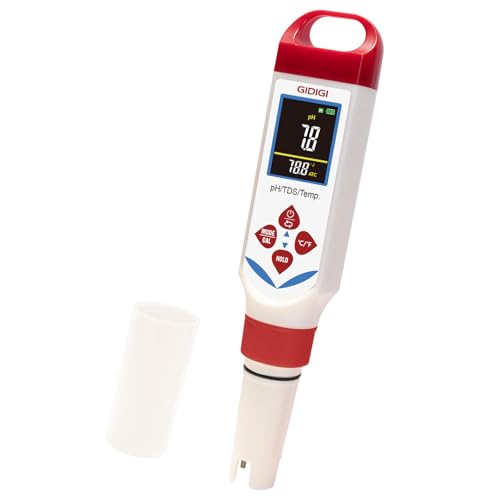
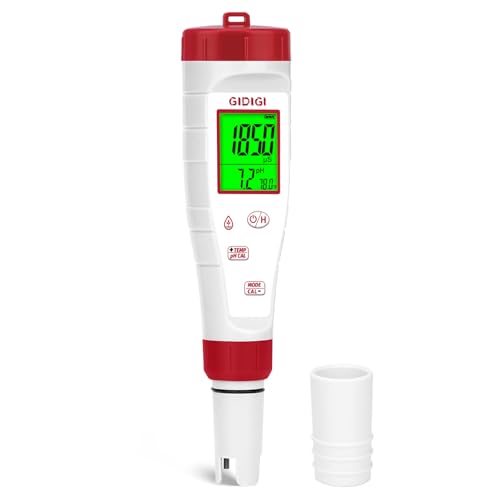
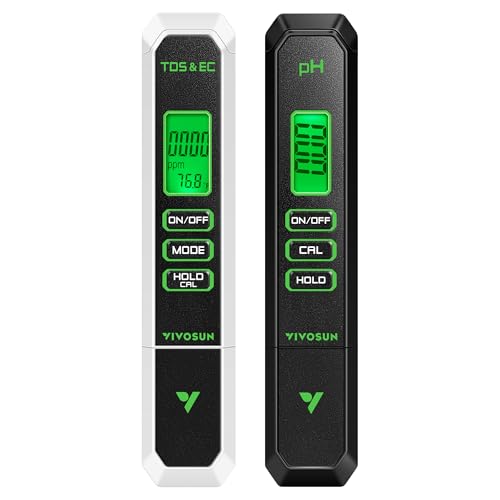
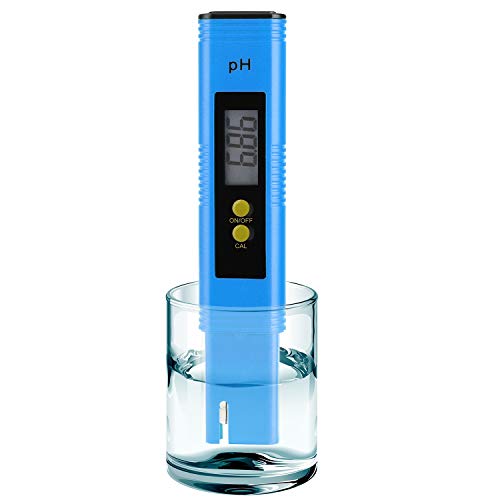
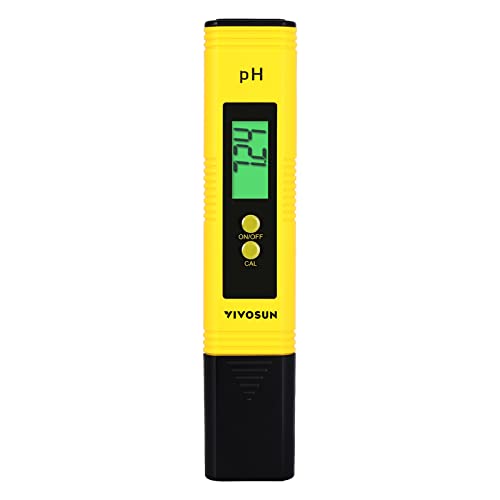
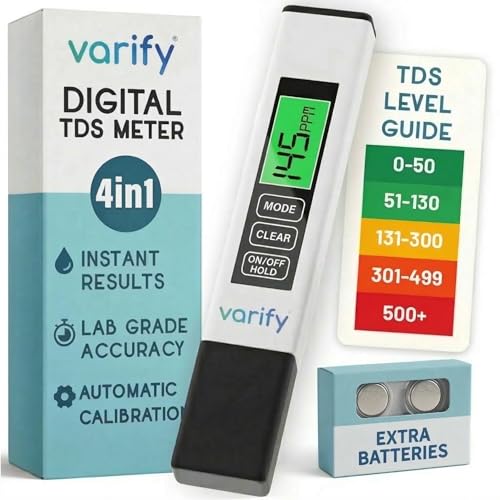
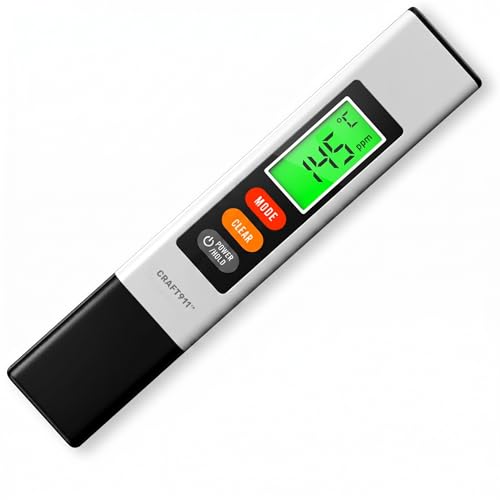
Digital pH pens are the most common choice for home drinking water testing. They're compact, give a numeric readout in seconds, and are simple enough for someone with no lab background to use correctly. Test strips are the cheapest option and require no calibration, but they rely on color matching, which is far less precise and can be tricky to read consistently, especially for water that's only mildly acidic or alkaline. Combo meters that measure pH alongside TDS (total dissolved solids) and EC (electrical conductivity) give you a fuller picture of water quality in one device, which is useful if you're also curious about mineral content, but they add cost and sometimes complexity you don't need if pH is your only concern.
If you're deciding between a filtration upgrade and a testing device, it helps to understand what a reverse osmosis system actually changes about your water chemistry first, since heavily filtered water often reads closer to neutral and needs less frequent monitoring than untreated well water.
Checking the Water That Actually Comes Out of Your Tap or Well
Testing tap water and testing well water aren't quite the same job, even though the same meter can usually handle both.
For municipal tap water, a quick monthly or seasonal check is generally enough, since the source is already being treated and monitored. The main reason to test yourself is to catch changes caused by your own plumbing, particularly in older homes where corrosion is a realistic concern. Fill a clean glass, let the water run for a few seconds first, and dip a freshly calibrated probe in at room temperature for the most reliable reading.
Well water testing deserves more attention. Because it isn't treated by a utility, pH can shift with rainfall, seasonal groundwater changes, or nearby soil conditions. Homeowners on well systems are generally advised to test more frequently, and if pH readings consistently sit outside the 6.5 to 8.5 range, that's a signal to look into a full water quality test rather than relying on pH alone. If you're weighing whether filtration would help stabilize those readings, comparing a few reverse osmosis filter systems is a reasonable next step before assuming your water needs a full treatment overhaul.
Reading Errors That Throw Off Your Results
A surprising number of "bad meter" complaints actually come down to how the device was calibrated or used, not the hardware itself.
- Calibrating with distilled water instead of a proper buffer solution. Distilled water reads close to neutral, but it's poorly buffered and can drift the moment it's exposed to air, which makes it an unreliable calibration reference even though the logic sounds reasonable.
- Using a soil pH tester on water. Soil probes are built for moist dirt contact, not submersion, and many only cover a narrow range like 4 to 8, which misses the full picture for drinking water that leans more acidic or alkaline.
- Testing water at an unusual temperature without a meter that has automatic compensation, which skews the reading even if the calibration itself was done correctly.
- Letting the probe dry out between uses. Most electrodes need to stay moist in storage solution or a damp cap, and letting them dry can permanently shorten their accurate lifespan.
- Testing immediately after running the tap for only a second or two, which can pull in trapped air or residue from the faucet aerator and briefly distort the reading.
Frequently Asked Questions
What is a safe pH level for drinking water?
The EPA recommends a pH between 6.5 and 8.5 for drinking water. It's treated as an aesthetic guideline rather than an enforceable health limit, but water consistently outside that range is worth investigating further.
Is tap water usually acidic or alkaline?
It depends heavily on the source. Water from areas with limestone or chalk-rich soil tends to run slightly alkaline, while water from softer, mineral-poor sources is often closer to neutral or mildly acidic. There's no single "normal" answer nationwide.
How do I test the pH of my water at home?
Calibrate your meter with fresh buffer solution, rinse the probe with clean water, then dip it into a sample of your water at room temperature and wait for the reading to stabilize, usually within 30 to 60 seconds.
Can I use a soil pH meter to test water?
Not reliably. Soil testers are designed for moist earth, often have a limited pH range, and generally aren't accurate enough for water samples. A dedicated water pH meter is a better investment if drinking water is your main concern.
How often should I calibrate my pH meter?
For casual home use, every few weeks to a couple of months is usually enough. If you test frequently, such as weekly well water checks, calibrating before each session keeps your results consistent.
Can I calibrate a pH meter with distilled water?
It's not recommended. Distilled water lacks the buffering capacity of a proper calibration solution, so it can give you a false sense of accuracy that doesn't hold up during actual testing.
Does well water need pH testing more often than city tap water?
Generally, yes. Well water isn't treated or monitored by a utility, so its pH can shift with weather and groundwater conditions in ways municipal water typically doesn't.
The Bottom Line for Homeowners
The best pH meter for drinking water for your household doesn't need to be complicated. Prioritize a model with decent resolution, automatic temperature compensation, and a probe built to survive your specific water source, then commit to calibrating it on a schedule that matches how often you actually test. Whether you're keeping an eye on an older home's plumbing or monitoring a private well, a few minutes with a properly calibrated meter tells you far more than guessing ever will.