
Best Outdoor Ottoman: A Complete Patio Buying Guide
Disclosure: We may earn a commission when you buy through links on this page, at no extra cost to you. As an Amazon Associate I earn from qualifying purchases. Learn more

An outdoor ottoman looks like a small, easy purchase until you actually start using one. Suddenly it's propping up tired feet after yard work, filling in as extra seating when the neighbors drop by, or standing in for a side table you never got around to buying. The catch is that most ottomans sold for patios aren't built with all three jobs in mind, and the ones that look identical in a product photo can behave very differently after a summer of sun and a few thunderstorms. This guide focuses on what actually separates a piece that holds up outdoors from one that fades, sags, or grows mildew by its second season.

What an Outdoor Ottoman Is Actually Good For
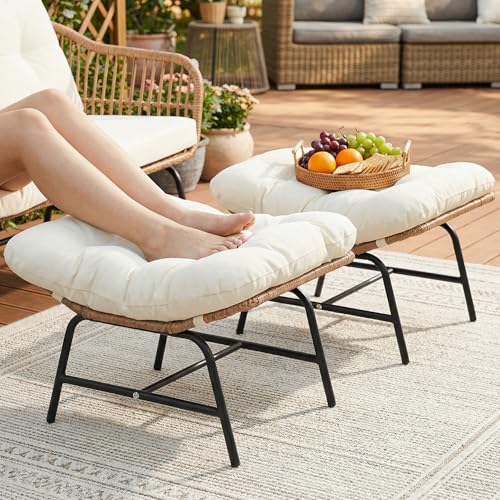
Before comparing materials, it helps to be honest about how these pieces get used in practice. Footrest duty is the obvious one, but it's rarely the only reason people buy one. Pull two ottomans up next to a loveseat or a set of chairs and you instantly have overflow seating for guests without dragging out folding chairs. Set a tray on top, or pick a model with a flat, cushion-free lid, and it becomes a coffee table for drinks and snacks without needing a separate piece of furniture at all.
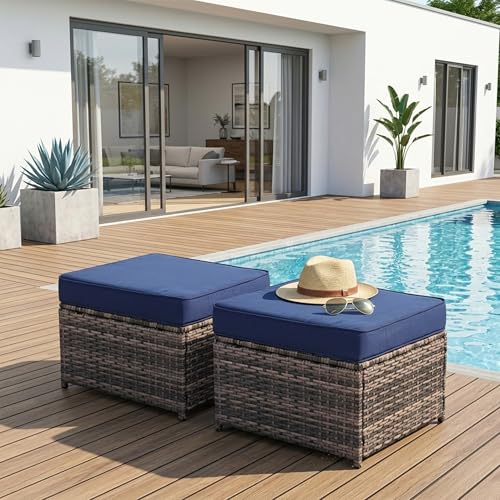
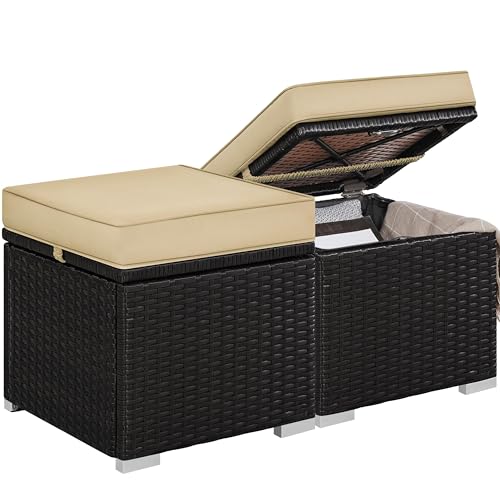
That dual-use design is worth shopping for specifically. Some ottomans ship with a reversible or removable cushion top: flip it over or lift it off and you get a solid, flat surface underneath that works as a real tabletop. If you're furnishing a small balcony or a compact patio where every piece has to earn its space, this kind of convertible design does more work per square foot than a fixed cushioned top ever will. If you're building out a full seating area, a loveseat paired with one or two ottomans covers footrests, overflow seating, and a coffee table substitute in a single coordinated set.
Rope, Wicker, or Fabric: Picking a Frame That Survives Weather
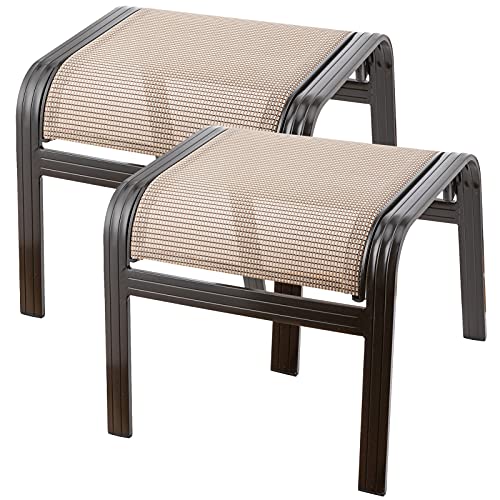
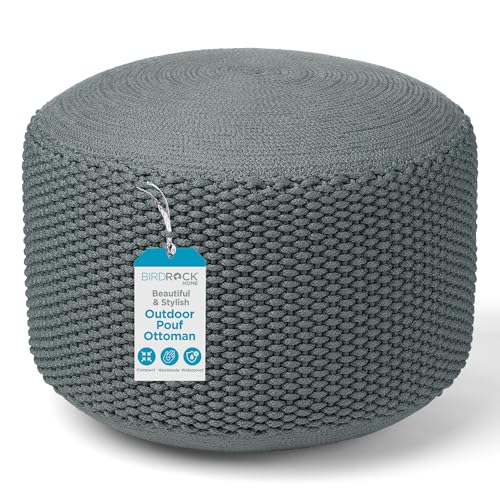
Material is where cheap and durable ottomans really diverge, and it's not always visible in a photo. PE (polyethylene) resin wicker woven over a powder-coated steel or aluminum frame is the benchmark most reviewers and retailers point to for a reason: the resin strands don't absorb water, they resist UV fading better than natural fiber, and the metal underneath won't rot or warp the way untreated wood can. All-weather rope, thicker and more textured than wicker, shows up on more modern-looking pieces and tends to hold up similarly well, though it can trap grit in the weave over time and needs an occasional rinse.
Genuine rattan and plain wood look great in a showroom but need real upkeep outdoors, including sealing, covering, or bringing pieces indoors during wet stretches. If you don't want that maintenance routine, stick with synthetic wicker, rope, or aluminum frames. For the cushion itself, Sunbrella or another solution-dyed acrylic fabric resists both fading and staining far better than printed polyester, and it's usually worth the price difference if you live somewhere with intense summer sun. A companion piece like a bench made from the same rope-and-frame construction can extend seating along a wall while keeping the whole setup visually consistent.
Storage Ottomans and the "Waterproof" Question
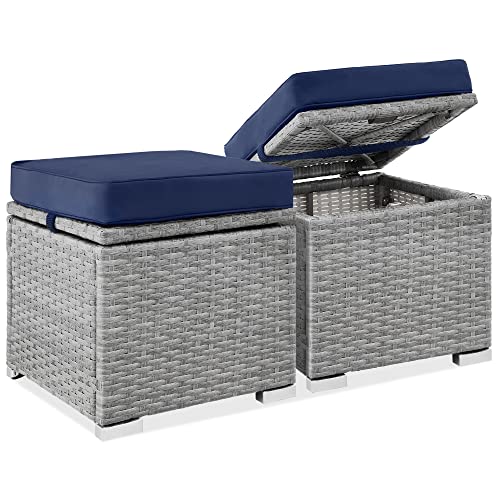
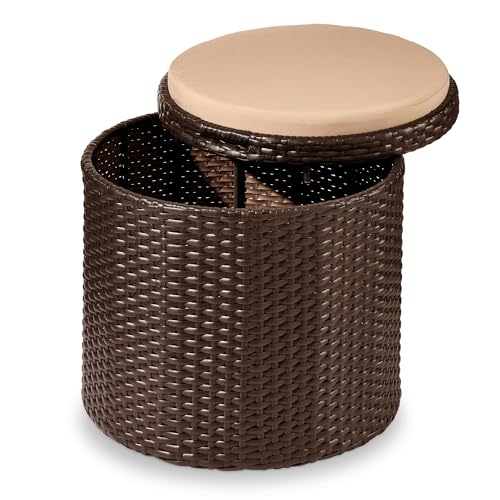
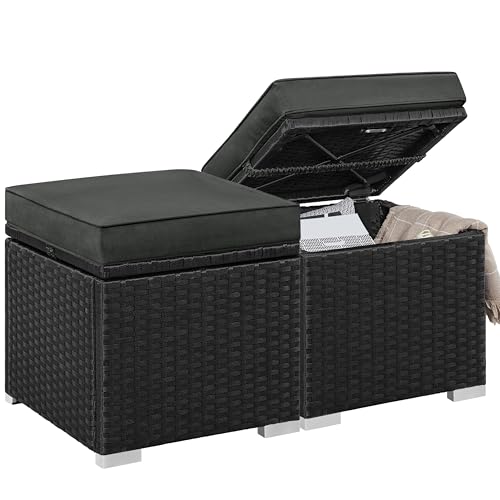
Storage ottomans, the kind with a hinged or lift-off lid hiding a hollow interior, solve a real problem: somewhere to stash cushions, pool toys, or gardening gloves without cluttering the patio. But it's worth setting expectations correctly here. Product listings often say "waterproof," and in practice that usually means water-resistant, not sealed. Seams, lid gaps, and stitching are common entry points, and after a heavy rain it's not unusual for owners to find the contents inside slightly damp even when the lid was closed the whole time.
If you're buying a storage ottoman specifically to protect items from weather, treat the lid as a first line of defense rather than a guarantee. A cheap trick that works well: line the inside with a plastic bag or a thin tarp before loading it up, especially if it sits uncovered through storm season. Better yet, keep the storage ottoman under a roof overhang or pergola, or plan to run a separate all-weather cover over it during the rainiest months. It's a small extra step, but it's the difference between a storage ottoman that actually protects what's inside and one that just delays the problem.
Matching Size and Shape to Your Patio Layout
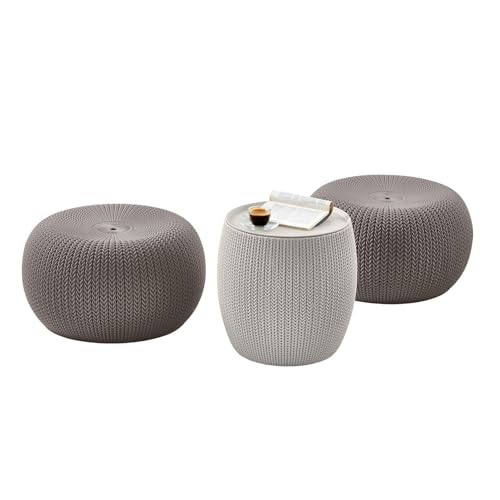
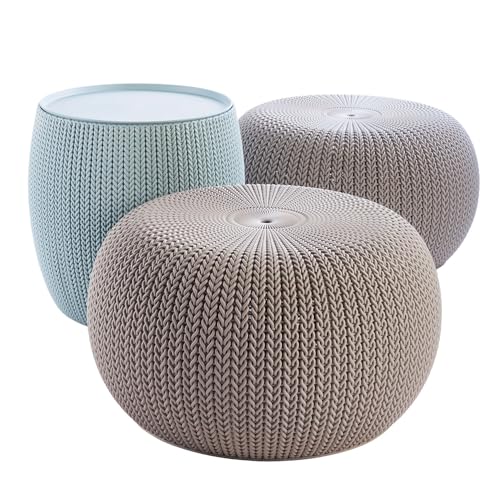
Shape does more than affect looks, it determines how a piece fits into your existing layout. Square and rectangular ottomans push flush against a sofa or loveseat and double as a coffee table without wasted gaps, which makes them the easiest choice for a defined seating group. Round ottomans and poufs are more forgiving in tight or oddly shaped spaces since there are no corners to navigate around furniture or planters, and they tend to look better pulled up loosely rather than pushed flat against something.
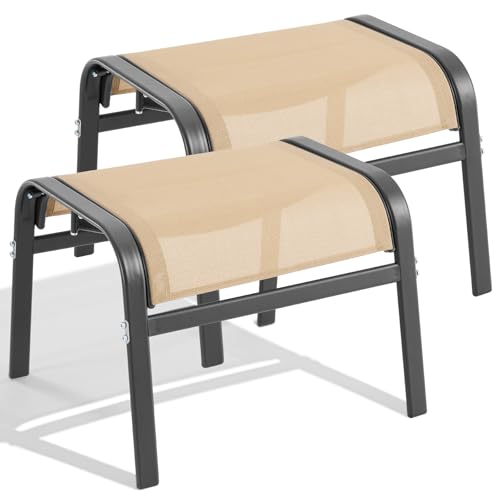
For anyone short on storage space in the off-season, foldable, camping-chair-style ottomans are worth a look. They trade a bit of stability for the ability to collapse flat and slide into a closet or garage corner, which matters if you're working with a small balcony or you break your setup down every winter anyway. As a rule of thumb, measure the gap where the ottoman will actually live before ordering. A model that looks reasonably sized in photos can end up crowding a walkway or leaving an awkward foot of dead space next to a loveseat once it's in place.
Stopping Mold Before It Starts
Cushion mold and mildew come up more than almost any other complaint tied to outdoor seating, and ottomans aren't spared just because they're smaller pieces. The cause is almost always the same: moisture gets trapped inside foam or fill after rain, dew, or humid storage, and without airflow it turns into a breeding ground within days. Musty smells and dark spotting follow, and by the time it's visible, the foam underneath is usually already affected.
Prevention is simpler than the fix. Bring cushions in, or at minimum stand them on edge to drain, whenever heavy rain is forecast. A breathable, waterproof cushion cover helps far more than a fully sealed plastic one, since sealed covers trap the same humidity they're meant to block. When storing cushions for winter, keep them off the ground on a shelf or rack, avoid folding them tightly since creases can become permanent, and make sure they're fully dry before bagging them up. None of this takes long, but skipping it is the single most common reason a perfectly good outdoor ottoman looks worn out after just one rainy season.


