
Best Outdoor Loveseat Cover: A Complete Buying Guide
Disclosure: We may earn a commission when you buy through links on this page, at no extra cost to you. As an Amazon Associate I earn from qualifying purchases. Learn more

A patio loveseat spends most of its life doing nothing, sitting empty while rain, pollen, and UV rays work on the fabric and frame. The right cover is what stands between a cushion set that still looks good after three seasons and one that's faded, moldy, or torn by the time spring rolls around. But not every "waterproof" cover on the market actually keeps water out, and a cover that fits poorly or lacks real fasteners can do almost nothing once the wind picks up. This guide breaks down what actually separates a best outdoor loveseat cover from one you'll be shopping to replace next season, based on how these covers are actually built, sized, and fastened.
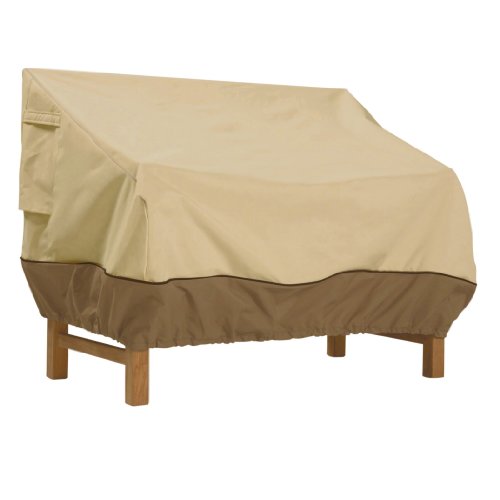
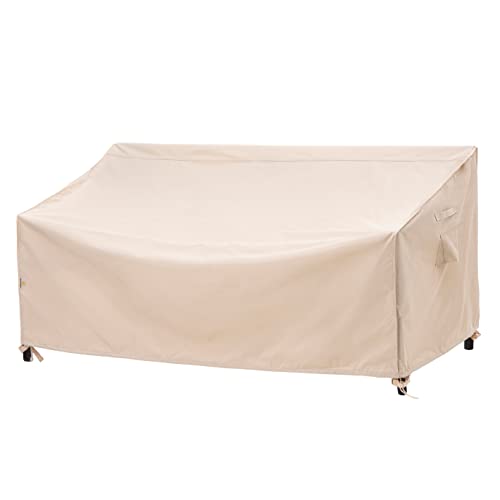
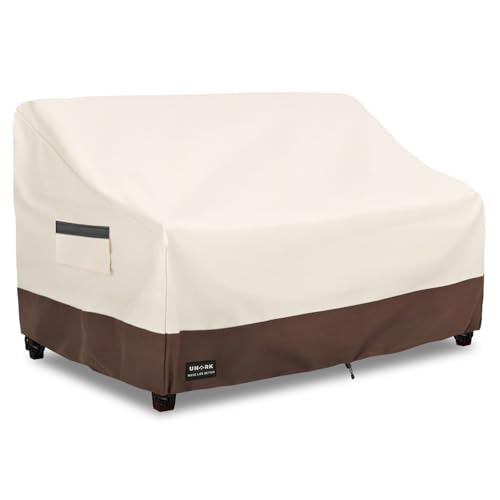
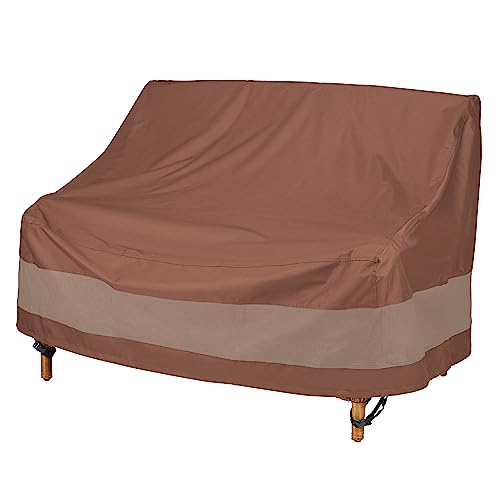
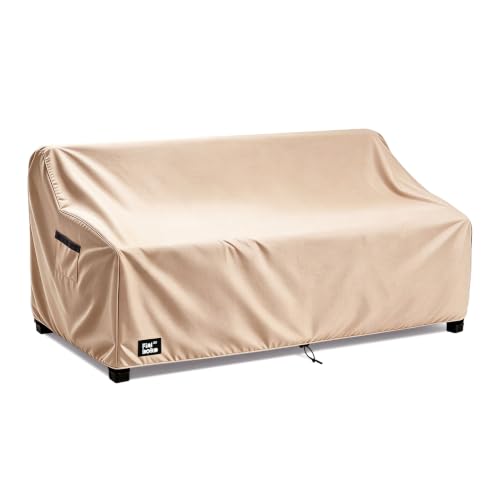
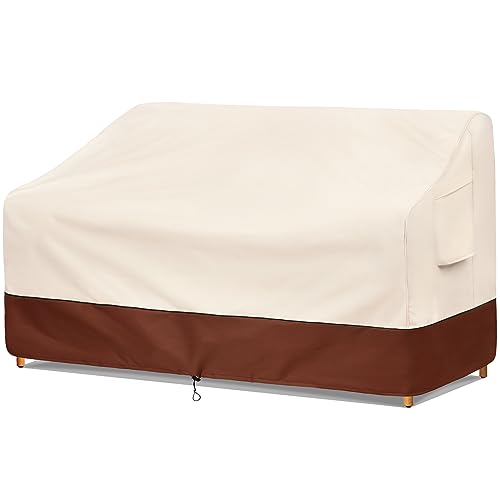
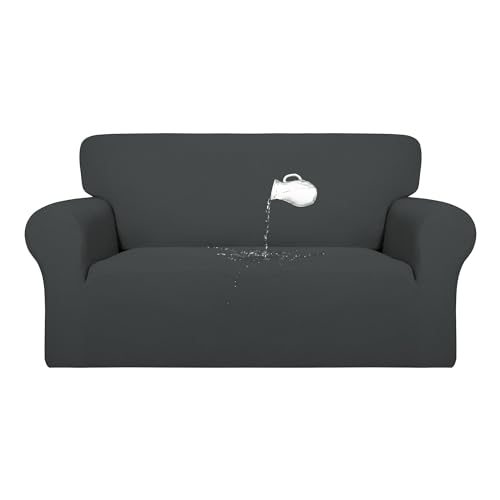
Waterproof vs. Water-Resistant: Reading Cover Fabric Ratings Correctly
These two terms get used almost interchangeably in product listings, but they describe fabrics that behave very differently in a real storm. PVC-backed polyester and vinyl-coated fabrics are genuinely waterproof: the coating seals the weave so rain beads up and rolls off rather than soaking through. That's the material to look for if your loveseat sits somewhere exposed, with no roof or overhang above it.
Lighter Oxford polyester, often listed with a denier rating like 190T, 420D, or 600D, handles dew, light drizzle, and splashback fine, but a sustained downpour can eventually wet through unless it also has a water-resistant laminate backing. Denier numbers describe the fabric's thickness and abrasion resistance, not its waterproofing, so a high denier rating alone doesn't guarantee a dry loveseat. Check the listing specifically for "PVC-backed," "vinyl-coated," or "waterproof laminate" rather than trusting a high thread count by itself. UV stabilization matters just as much here: unprotected fabric breaks down from sun exposure roughly as fast as it does from rain, so a cover that's waterproof but not UV-treated will still crack and fade within a season or two of daily sun.
Color is a smaller but real consideration on this point too. Dark fabrics absorb more heat under direct sun, which can accelerate coating breakdown over time compared to lighter shades treated with the same UV protection. It's not a reason to avoid a color you like, but if your patio gets full sun most of the day, a lighter or gray-toned cover with a solid UV rating will generally outlast the same fabric in black.
Measuring for Clearance, Not Just Overall Width
Sizing a cover is a different exercise than sizing the loveseat itself. You're not just matching width and depth; you need enough drop, generally somewhere in the 2 to 6 inch range, so the cover channels rain off the sides instead of pooling on top or dragging on the ground. Measure the full outline of your loveseat, including armrests and any raised back cushions, since those are the points where an undersized cover pulls tight and leaves gaps.
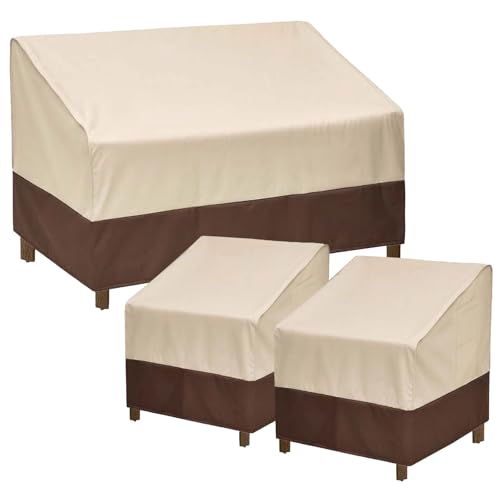
Most covers are sold with a dimension range rather than an exact fit, so check that your loveseat sits comfortably within that range on every side, not just squeezed in at the maximum. A cover that's too loose is its own problem: extra fabric flaps in the wind, which wears down the material and stresses the seams far faster than a snug fit would. If you already own a compatible loveseat and are shopping for matching pieces, a loveseat and cover set bought from the same product line often solves the fit question automatically, since the dimensions are built to match.
Straps, Buckles, and Drawstrings That Keep a Cover From Blowing Off
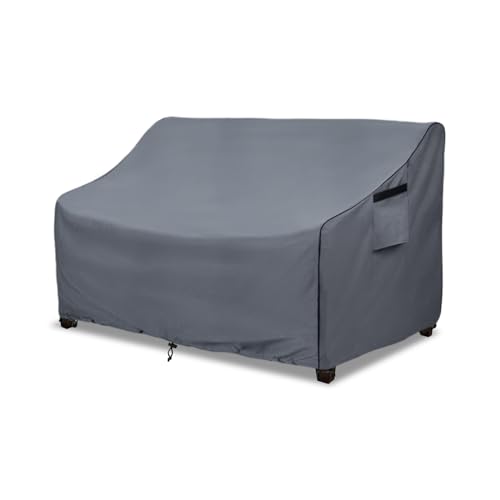
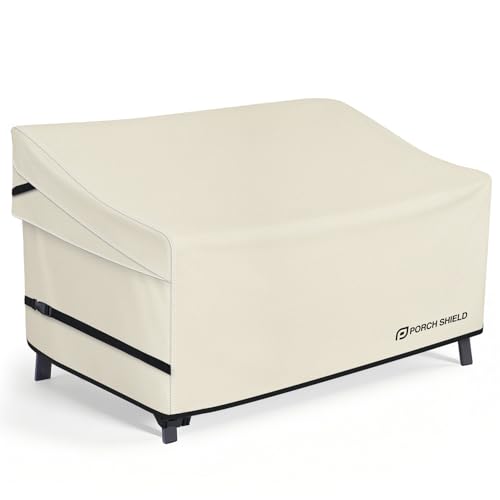
A cover that isn't secured to the furniture is really just a very large piece of fabric waiting for the next gust to carry it into the yard. Buckle straps, which loop around a leg or the lower frame rail and click closed, are the most reliable fastener for this because they physically anchor the cover to the loveseat rather than relying on tension alone. Velcro straps paired with a drawstring hem are a common alternative: the velcro wraps the legs while the drawstring cinches the bottom edge snug against the frame.
An elastic hem alone is fine for keeping a cover in place on a still day, but it isn't enough by itself in real wind, so treat it as a bonus feature rather than the primary fastening system. If storms and open exposure are a regular concern in your area, prioritize a cover with corner buckle straps over one that only advertises an elastic bottom, and consider pairing it with a separate weatherproof cushion set underneath so the cushions themselves aren't the last line of defense if wind does work a corner loose.
Why Air Vents Stop Mold Before It Starts
It seems counterintuitive, but a cover that seals too well can cause more damage than one with small gaps. Warm, humid air gets trapped underneath a fully sealed cover, especially after a hot day, and that trapped moisture condenses against the cushions overnight. Left unaddressed over weeks, that cycle produces mold, mildew, and a musty smell that's genuinely harder to fix than sun fading or minor water spotting.
Covers built for this have mesh vent panels or a few small breathable openings, usually positioned low on the sides or underneath an overlapping flap, so humid air can escape while rain and debris still stay out. This one feature shows up across nearly every well-reviewed cover brand for a reason: it directly determines whether the cover is actually protecting your cushions or slowly ruining them from the inside. If you're covering a loveseat that already came with a dedicated sofa cover from the manufacturer, check whether it includes vents before assuming it's better than a generic one simply because it's branded to match.
How Many Seasons a Cover Realistically Lasts
No outdoor cover lasts forever, and it's worth setting expectations before you buy rather than after the fabric starts cracking. UV exposure is the biggest long-term wear factor, more than rain in most climates, since constant sun cycles break down fibers and coatings even on fabric that's technically rated for it. Expect noticeable fading and some stiffening of the material within a couple of seasons of near-daily sun, even on a well-reviewed cover.
Seam construction is the other variable that determines how a cover ages. Double-stitched or reinforced seams hold up to repeated wind flex and the stress of being pulled on and off; single-stitched seams tend to be the first failure point, often splitting at a corner or strap attachment point well before the fabric itself wears out. If you're storing the loveseat cover through a full winter rather than swapping it seasonally, folding it loosely and storing it somewhere dry between uses, rather than leaving it bunched in a damp spot, will add real time to its lifespan regardless of what fabric it's made from.
Snow adds a separate wrinkle in colder climates. A cover rated for waterproofing isn't automatically rated for the weight of accumulated snow, and letting snow pile up on top can stretch seams or pull straps loose over a season. Brushing accumulated snow off after a storm, rather than letting it build up over several days, keeps the load off the seams and extends the cover's working life through winter months even in a snowier region.


