The Best Oil Sprayers for Cooking and Meal Prep
Disclosure: We may earn a commission when you buy through links on this page, at no extra cost to you. As an Amazon Associate I earn from qualifying purchases. Learn more

A buying guide covering pump vs aerosol mechanisms, materials, mist quality, and cleaning tips for oil sprayers.
Controlling exactly how much oil ends up in a pan or on a salad makes a real difference for both flavor and health goals, and the best oil sprayers make that kind of control effortless. Instead of pouring from a heavy bottle and guessing at the amount, a good sprayer delivers a thin, even coat with a quick pump or squeeze.
Not every oil sprayer performs the same way, and some common designs clog or leak far more than others. This guide covers the features that separate a genuinely useful sprayer from a frustrating one, so shopping for the best oil sprayers becomes much simpler. From mechanism type to material choice, each detail affects how well a sprayer performs over months of regular kitchen use.




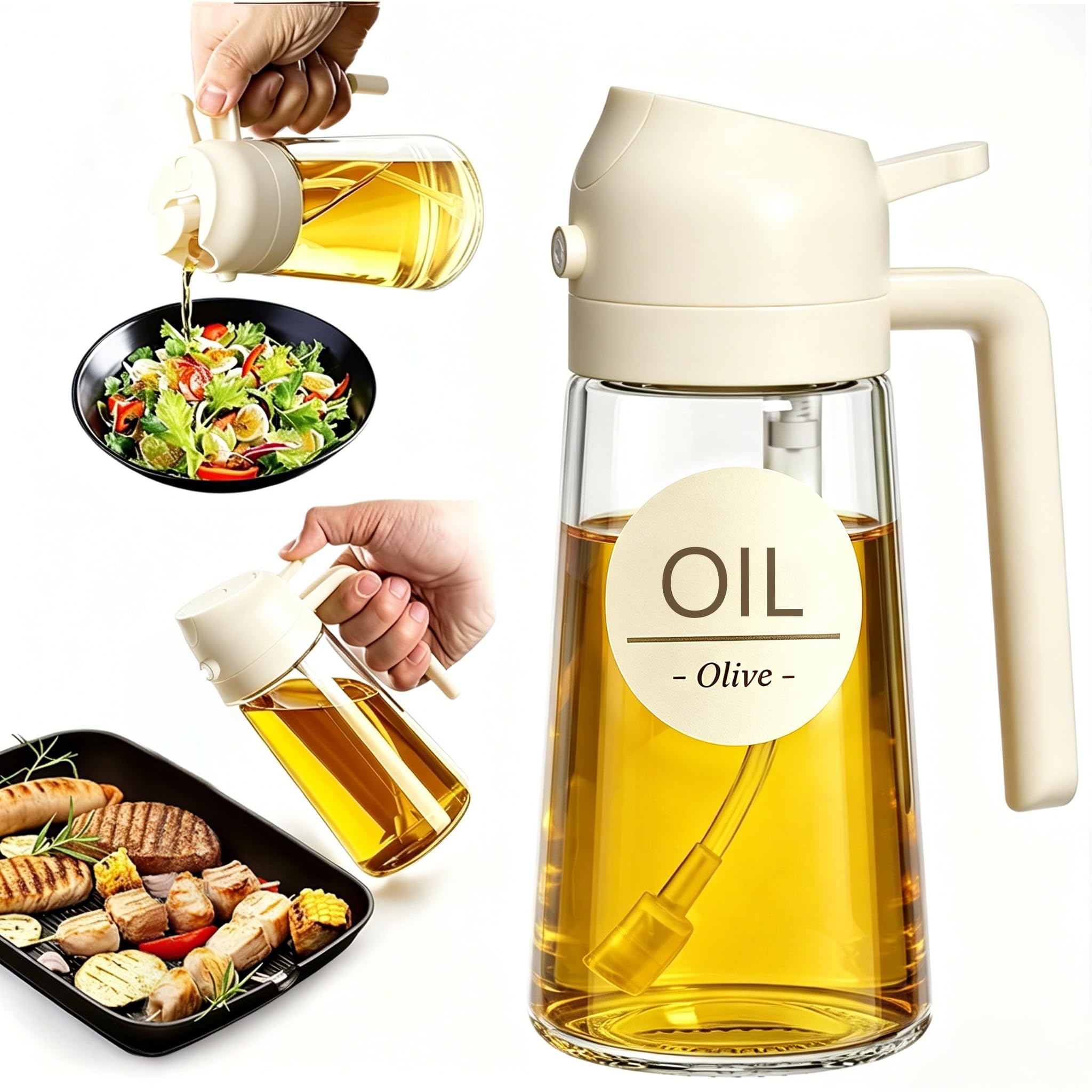
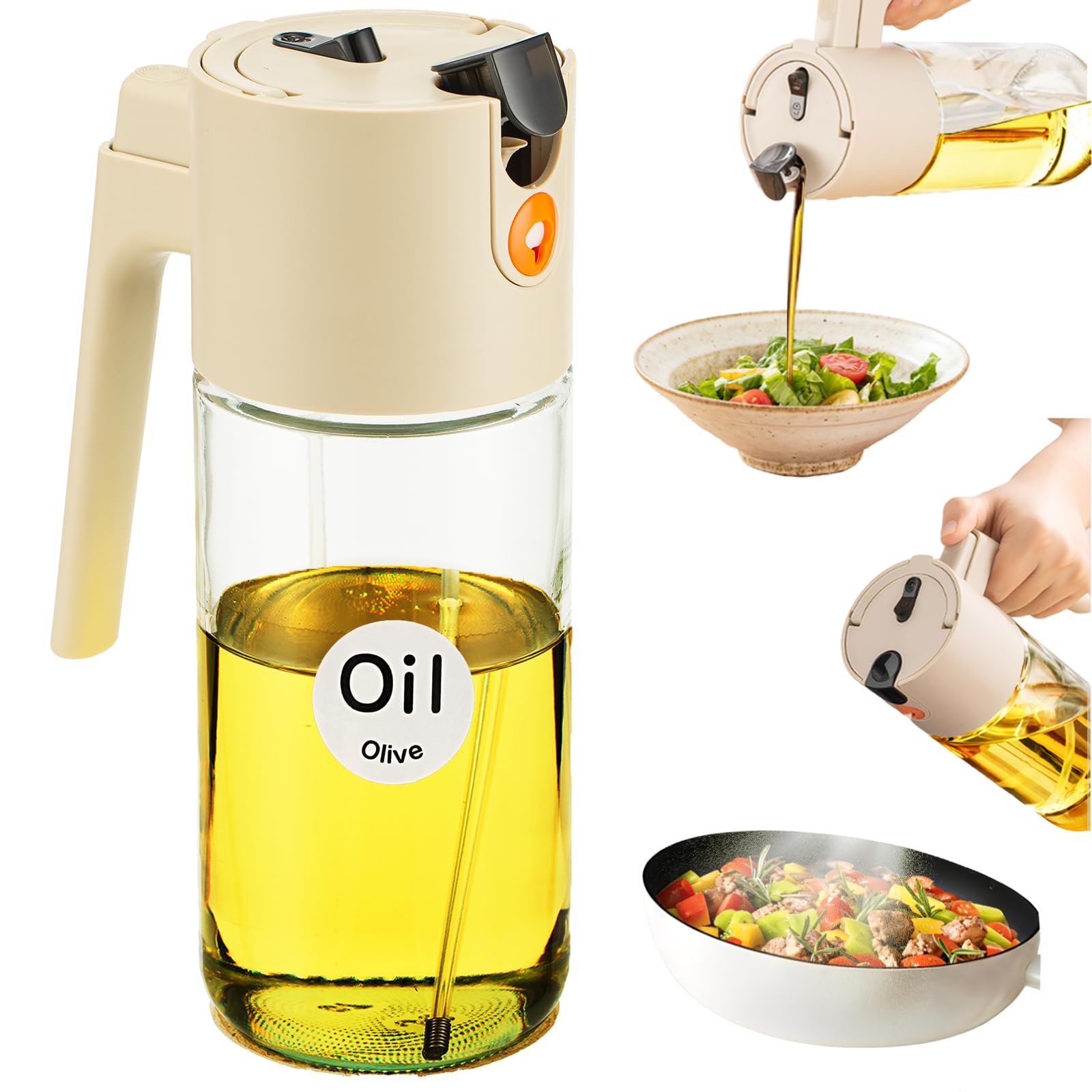
Pump vs Aerosol vs Trigger Mechanisms
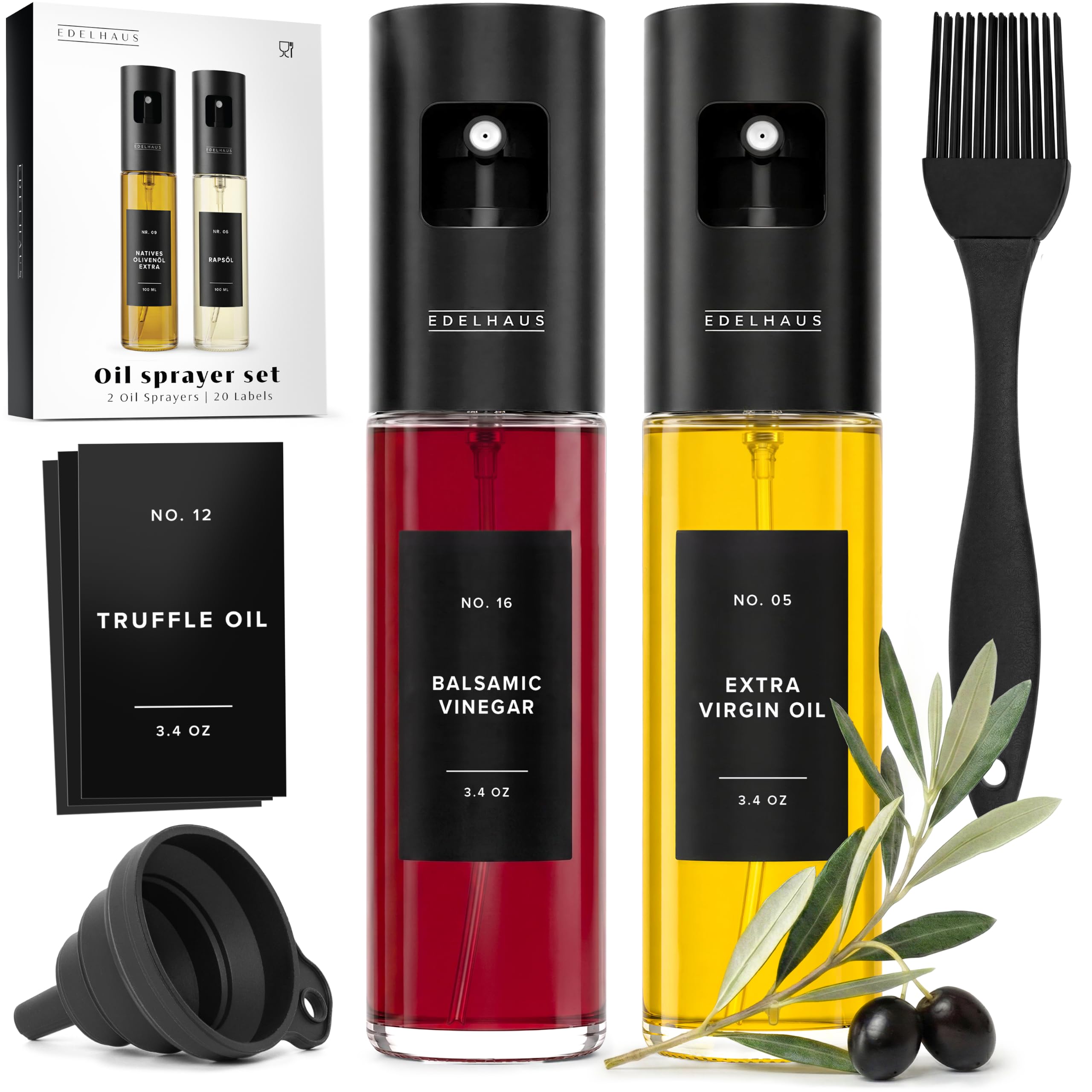
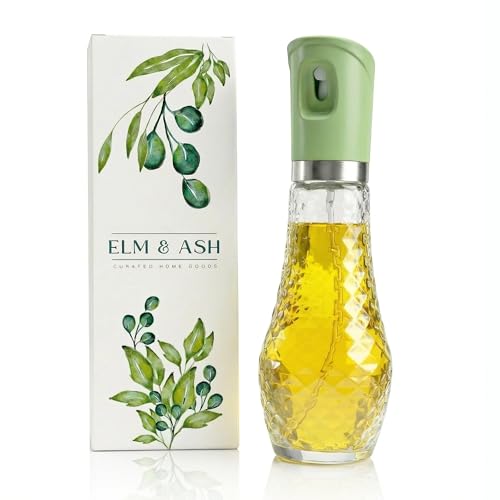
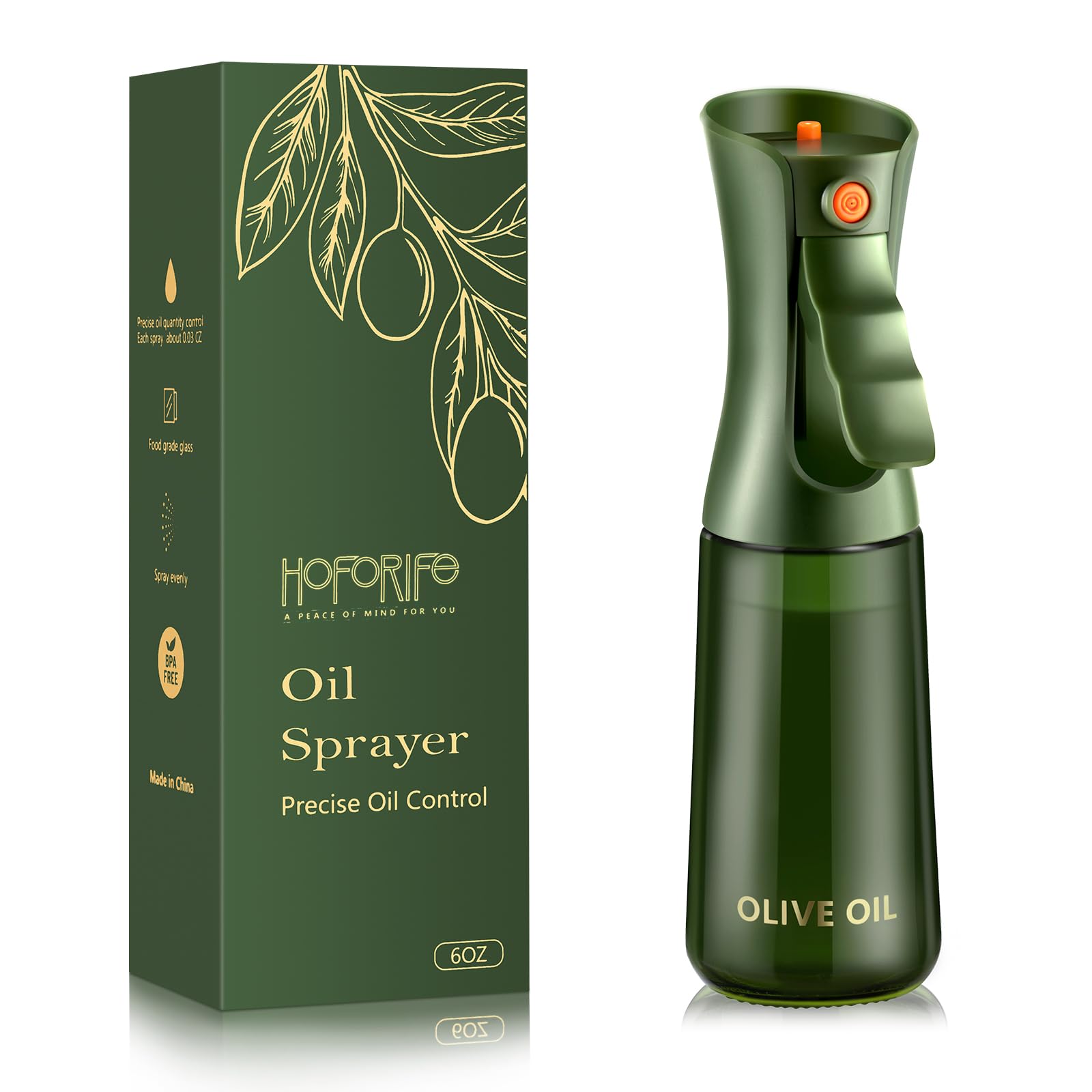
Oil sprayers generally use one of a few different mechanisms to atomize oil into a fine mist or controlled stream. Pump sprayers require manually pressurizing the bottle before use, then release a steady mist until the pressure runs out. Trigger sprayers atomize oil with each individual squeeze, giving more direct control over exactly how much oil is applied at any moment.
Aerosol style sprayers, which use a pressurized canister rather than a manual pump, deliver an especially fine, consistent mist, though refillable versions of this style are less common than pump or trigger designs. Each mechanism has tradeoffs worth weighing against how a sprayer will actually be used in daily cooking. Pump sprayers suit everyday stovetop cooking well, while trigger sprayers give finer control for tasks like lightly coating a salad or misting popcorn without over saturating it.
Material and Oil Compatibility
Glass and stainless steel bottles resist staining and odor absorption far better than plastic over repeated use, which matters since oil residue can build up and turn rancid inside a poorly maintained sprayer. Plastic bottles are lighter and less prone to breaking if dropped, but lower quality plastic can degrade with prolonged oil exposure over time.
- Glass: does not absorb odors, easy to clean, but breakable
- Stainless steel: highly durable, resists staining, often more expensive
- BPA-free plastic: lightweight and affordable, less durable long term
Checking oil compatibility also matters, since thicker oils can clog fine mist nozzles more easily than thinner oils, and some sprayers work noticeably better with a wider range of viscosities than others. Oils that solidify at room temperature, such as coconut oil, generally need a wider nozzle opening or occasional warming to flow smoothly through a sprayer mechanism.
Nozzle Clogging Issues
A poorly designed nozzle clogs easily, especially with oils that solidify at cooler temperatures. Wider nozzle openings resist clogging better than very fine mist designs, though they produce a slightly less even coat. Reading reviews specifically for clogging complaints helps identify models with genuinely reliable nozzle design. A removable nozzle that can be disassembled for cleaning also makes it far easier to clear an occasional clog without needing to replace the entire sprayer.
Mist Quality and Coverage
A fine, even mist coats a pan or baking dish far more efficiently than a sprayer that produces uneven globs of oil. This matters both for cooking results and for portion control, since a heavier, uneven spray defeats the purpose of switching from a poured bottle in the first place.
Testing a sprayer with water before committing to actual cooking oil can reveal spray pattern quality without wasting product, giving a quick sense of whether the mist is fine and even or heavy and inconsistent. Holding the sprayer at a consistent distance from the surface being coated also improves evenness, since spraying too close tends to concentrate oil in one spot rather than distributing it broadly.
Ease of Cleaning and Maintenance
Oil residue builds up inside a sprayer over time and can eventually cause clogging or an unpleasant rancid smell if not cleaned regularly. Sprayers with wide mouth openings or fully removable internal components are considerably easier to clean thoroughly than models with narrow necks or sealed internal mechanisms.
A dishwasher safe design saves considerable time for anyone who uses an oil sprayer daily, though hand washing with warm soapy water followed by thorough drying remains the safest approach for models with more delicate internal pump mechanisms.
Preventing Rancid Buildup
Emptying and rinsing a sprayer every one to two weeks, even with regular use, prevents oil from sitting long enough to turn rancid inside the bottle. This habit matters more than it might seem, since rancid oil residue can subtly affect the flavor of freshly added oil poured into an insufficiently cleaned bottle.
Capacity and Refill Convenience
Smaller bottles need refilling more often but tend to feel lighter and more maneuverable during actual cooking. Larger capacity sprayers reduce refill frequency but can feel bulkier to grip and aim precisely, particularly for anyone with smaller hands. A wide fill opening speeds up the refilling process considerably compared to a narrow neck that requires a funnel. Measurement markings printed along the side of the bottle also help track how much oil remains, avoiding the surprise of running dry mid recipe.
Pressure Consistency
Pump sprayers gradually lose pressure as the reservoir empties, which can result in a weaker, less consistent mist toward the end of a use session. Higher quality pump mechanisms maintain more consistent pressure across a fuller range of the bottle's capacity, reducing the frustration of a sputtering, uneven spray near empty. Repressurizing with a few extra pumps partway through a session is a simple habit that keeps mist quality consistent throughout use, regardless of mechanism quality.
Choosing the Right Oil Sprayer
The best oil sprayers depend on how often oil control matters in daily cooking and what type of oils get used most often. Someone cooking daily with a variety of oil types benefits from a durable, easy to clean glass or steel design, while occasional users may find a simple, affordable plastic trigger sprayer perfectly adequate. Weighing material durability, mist quality, and cleaning ease together leads to a sprayer that earns a permanent spot on the counter rather than getting shoved into a drawer after a few frustrating uses.
Frequently Asked Questions
Can any cooking oil be used in an oil sprayer?
Most sprayers work well with thinner oils, though very thick or solidifying oils can clog fine mist nozzles more easily and may require a wider nozzle design.
How often should an oil sprayer be cleaned?
Rinsing every one to two weeks with regular use helps prevent rancid buildup, with a more thorough deep clean recommended every month or so.
Are aerosol oil sprayers healthier than pump sprayers?
Refillable pump and trigger sprayers generally offer more control over ingredients, since they use pure oil without the propellants found in some aerosol canister versions.
Is glass or plastic better for an oil sprayer?
Glass resists staining and odor absorption better over time, while plastic offers a lighter, more affordable, break resistant alternative.
Why does an oil sprayer sometimes leak oil from the nozzle?
Leaking often results from a worn seal or an overfilled bottle creating too much internal pressure, both of which are usually simple to fix or prevent by checking the seal and avoiding filling past the manufacturer's recommended line.
Related reading: best cocktail shaker set and best electric can openers.