The Best Handheld Can Openers for Everyday Kitchens
Disclosure: We may earn a commission when you buy through links on this page, at no extra cost to you. As an Amazon Associate I earn from qualifying purchases. Learn more

Before reaching for an electric gadget, most kitchens still keep a manual opener in the drawer for the simple reason that it always works, has no cord or battery to fail, and takes up almost no storage space. The best handheld can openers combine a sharp, reliable cutting wheel with a grip that does not turn a routine task into a wrist workout. This guide covers the design details that separate a can opener worth keeping from one that ends up jammed halfway through a lid.




Blade and Gear Quality
The cutting mechanism is the heart of any manual opener, and it is where cheap models fall apart fastest. Stainless steel cutting wheels and gears resist dulling and corrosion far better than coated or lower-grade metal, which tends to slip on the can's rim after repeated use. A well-aligned gear mechanism grips the can's edge firmly on the first attempt instead of needing several tries to catch, which matters most for anyone who opens cans regularly and does not want to fight the tool every time.
Standard Blade Versus Smooth-Edge Cutting
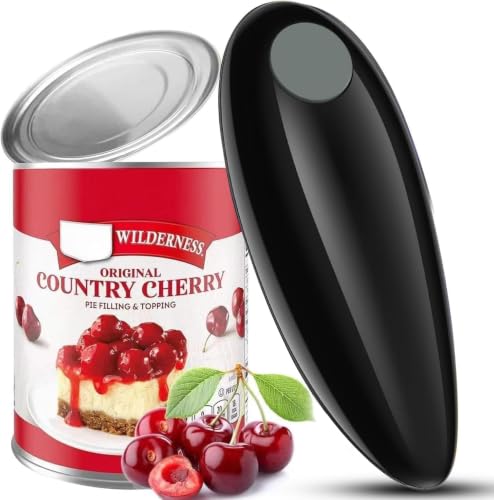
Traditional openers pierce the top of the lid and cut downward, which leaves a sharp, slightly jagged edge on both the lid and the rim of the can. Smooth-edge, or side-cut, models grip the outer rim instead and cut along the side seam, popping the lid free with a rounded edge and no exposed metal burr. This design reduces the risk of a cut finger while fishing food out of the can and also leaves a smoother edge on the can itself, which is worth prioritizing in households with kids helping in the kitchen.
Grip and Hand Strain
An oversized, cushioned turning knob makes a real difference for anyone with limited hand strength or a history of wrist or joint discomfort, since it distributes the turning force across more of the palm instead of concentrating it in the fingertips. A soft, non-slip handle also helps when hands are wet or greasy from cooking, preventing the tool from twisting out of grip mid-turn. Testing how the handles feel in hand, or checking reviews for mentions of hand fatigue, is a better predictor of daily comfort than looking at the opener alone in a product photo.
Left-Handed and Ambidextrous Use
Many handheld can openers are designed with a right-handed grip in mind, which can make the tool awkward or uncomfortable for left-handed users. Ambidextrous designs, where the turning knob and handle work equally well from either hand, are worth seeking out for shared kitchens or households where more than one person regularly opens cans. This detail is easy to overlook until the opener is already in a drawer and proves frustrating for half the household.
Compact Size for Travel and Camping
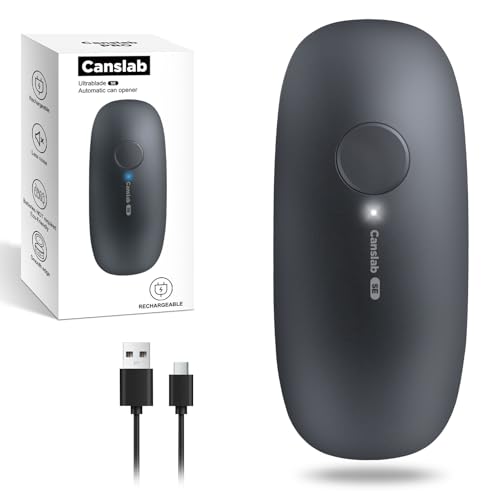
A handheld can opener without any cord or battery requirement is naturally suited to travel, camping, and small kitchens where counter space and outlets are limited. Compact folding designs that tuck the handles flat take up less drawer space and pack easily into a camping kit or a glove compartment. This portability is one of the clearest advantages a manual opener holds over an electric one, which needs either a battery or an outlet to function at all.
Maintenance That Keeps a Can Opener Working
A manual opener needs very little upkeep, but the small amount it does need makes a real difference over time. Rinsing the cutting wheel and gears after each use prevents food residue from building up and gumming the mechanism, which is a common reason an opener starts to slip or skip partway through a lid. Occasionally drying the gears fully before storage also helps prevent the light surface corrosion that can develop on lower-grade metal, even stainless finishes, in a consistently humid kitchen environment.
A quick visual check every few months for a dull or nicked cutting wheel helps catch wear before it turns into a frustrating half-cut lid. Most manual openers are inexpensive enough that replacing one showing consistent wear is more practical than trying to repair or sharpen the cutting mechanism at home.
Multi-Function Openers Versus Single-Purpose Tools
Some handheld can openers add a bottle opener, a jar lid gripper, or a small blade for cutting through packaging into the same handle, which can be genuinely useful for anyone who prefers fewer single-purpose gadgets cluttering a drawer. The tradeoff is that a multi-function tool sometimes compromises on how comfortably the primary opening mechanism fits the hand, since the handle has to accommodate multiple uses rather than being optimized purely for turning. Buyers who mainly want a dependable opener and nothing else are usually better served by a simpler, single-purpose design, while those short on drawer space may find the added functions worth a small tradeoff in grip comfort.
Frequently Asked Questions
What makes a manual can opener easier to use?
A sharp, well-aligned cutting gear that grips the can rim on the first try, combined with an oversized, cushioned turning knob, makes the biggest difference in day-to-day ease of use.
Is a smooth-edge can opener worth the extra cost?
For households with kids or anyone who wants to avoid sharp edges on opened cans, a smooth-edge model is generally worth it. It also leaves a rounder, safer edge on the lid itself, not just the can.
How long should a good manual can opener last?
A well-made opener with stainless steel gears and blades can last for years with basic care, while lower-quality models often dull or slip within months of regular use.
Can a manual can opener be sharpened?
Most manual openers use a cutting wheel rather than a traditional blade, which is not typically designed to be resharpened at home, so replacement is usually more practical once it dulls.
Are ambidextrous can openers harder to use than standard ones?
Not generally. Most ambidextrous designs are built to feel equally natural from either hand, which makes them a safer default choice for shared kitchens.
Is stainless steel necessary for a can opener?
Stainless steel resists rust and dulling significantly better than coated or lower-grade metal, making it a worthwhile feature for anyone who opens cans on a regular basis rather than occasionally.
Final Thoughts
A dependable manual can opener comes down to a handful of details: a sharp, well-aligned cutting mechanism, a comfortable grip, and a design that works for whoever is using it. Getting those basics right means the tool disappears into routine kitchen use instead of becoming a daily annoyance. For households that also keep an electric option on hand for convenience, the electric can openers guide and the handheld electric can opener guide cover the powered alternatives side by side.