
Best Table Lamps for Bedroom: A Complete Buying Guide
Disclosure: We may earn a commission when you buy through links on this page, at no extra cost to you. As an Amazon Associate I earn from qualifying purchases. Learn more

Overhead lighting rarely feels right at the end of the day. It is too bright, too flat, and it does nothing to help you wind down before sleep. A well-chosen bedside lamp fixes that problem, but picking one is not as simple as grabbing whatever looks nice in a store display. The best table lamps for bedroom use are the ones that get the light quality, the size, and the small daily details right, not just the style.
In this guide, you will learn how color temperature and dimming affect how restful a room feels, how to size a lamp so it actually fits your nightstand, why shade material changes the mood of the light, and which practical features are worth paying attention to before you buy.
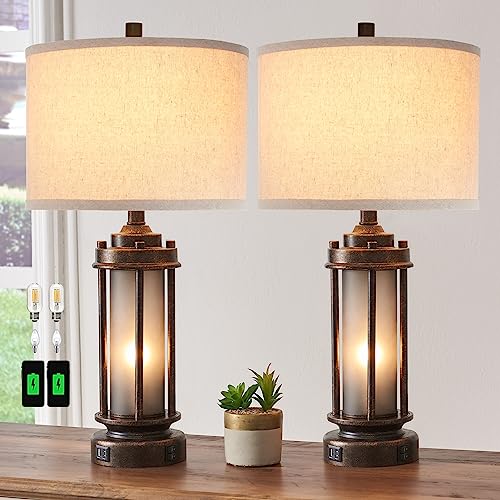
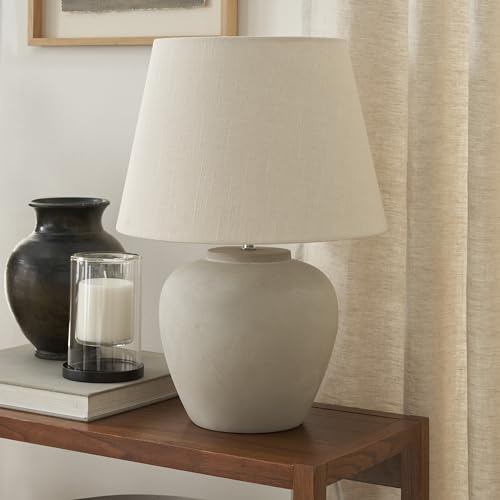
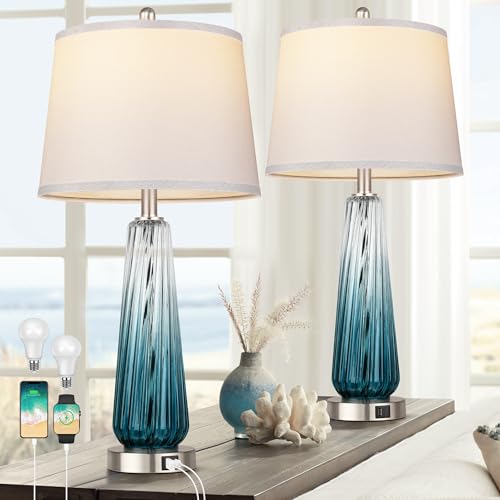
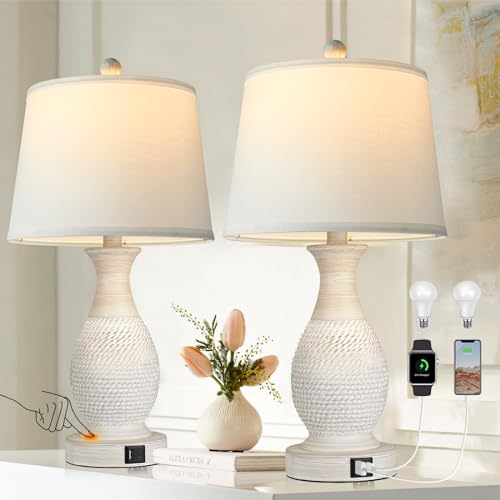

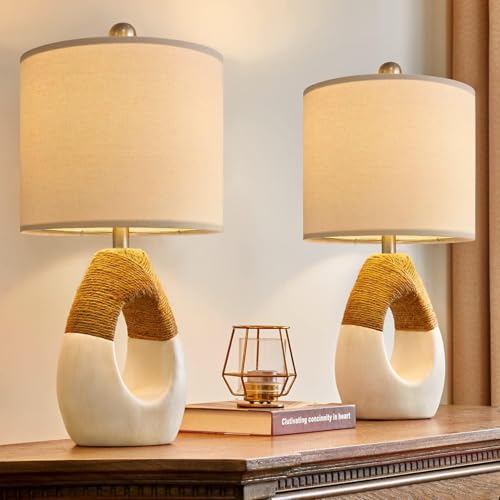
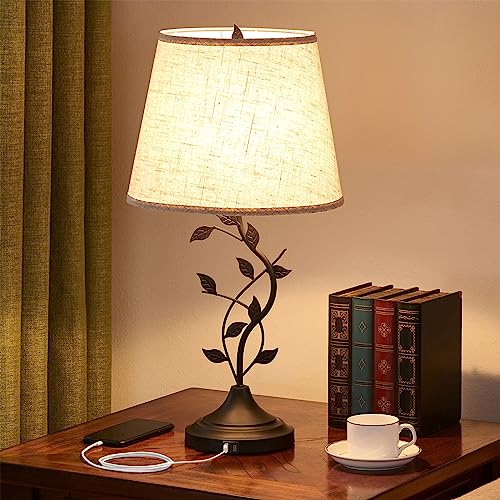
Getting the Color Temperature and Dimming Right
Light quality matters more than almost anything else when you are shopping for bedroom lighting. A lamp that throws cool, bluish light can make a bedroom feel more like an office than a place to relax, and it can work against your body's natural wind-down signals in the hour before sleep. This is exactly the kind of detail that separates the best table lamps for bedroom use from an ordinary lamp that just happens to sit on a nightstand.
Why warm light works better than daylight bulbs
Look for bulbs or fixtures rated between 2700K and 3000K. This range reads as warm and amber rather than stark white, and it is the temperature most sleep and lighting research points to for evening use. Bulbs rated 5000K and above are labeled "daylight" for a reason. They are built for task areas like kitchens and home offices, not for a room where the goal is to relax.
Dimmer types: touch, rotary, and 3-way bulbs
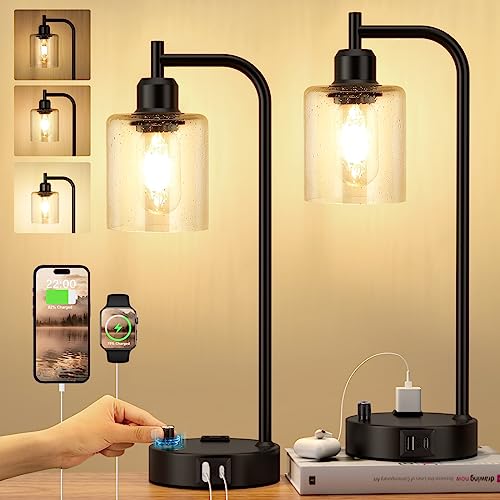
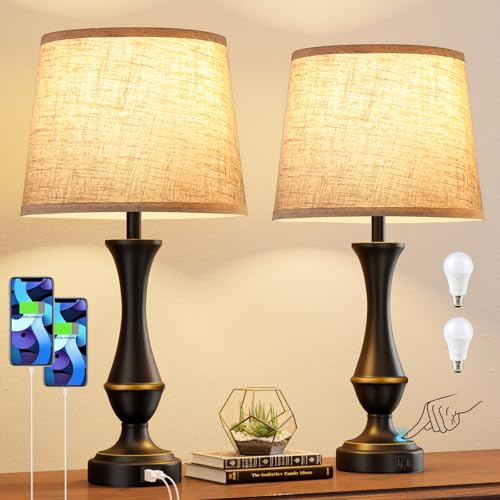
A single brightness level rarely covers everything a bedroom lamp needs to do. You might want strong light for reading and a much softer glow for the last few minutes before you turn in. A built-in dimmable table lamp handles both. Touch-sensitive bases are convenient because you can adjust brightness with a light tap in the dark. Rotary dimmer switches give you more precise control over exact brightness. A 3-way bulb is the simplest and cheapest option if the lamp itself does not have a dimmer built in, though it offers fewer brightness steps than a true dimmer.
Sizing a Lamp to Fit Your Nightstand
Even a lamp with perfect light quality looks wrong if it is out of proportion with the furniture around it. Getting the size right is one of the most common things people get wrong when shopping for a bedside lamp, and it is an easy fix once you know the general rules. Size is often the quickest way to spot the best table lamps for bedroom nightstands, since a lamp that's clearly out of proportion stands out immediately.
Matching lamp height to nightstand height
As a starting point, the base of the lampshade should sit close to eye level when you are sitting up in bed. If your nightstand height is close to your mattress height, aim for a lamp that stands roughly the same height as the nightstand plus a couple of extra inches. A shorter nightstand generally calls for a shorter lamp so the light does not sit too far above where you actually need it.
Shade width and visual proportion
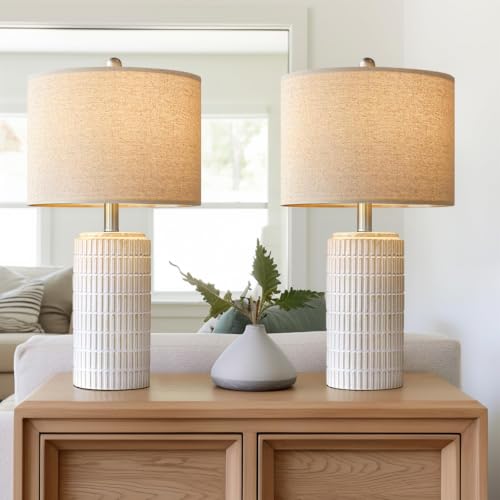
Beyond height, width matters too. A lampshade that is roughly twice as wide as the lamp's base tends to look balanced rather than top-heavy or spindly. The lamp should also leave enough surface space on the nightstand for a phone, a glass of water, or a book, so avoid a footprint that eats up the whole table.
How Shade Material Changes the Light
The shade does more than cover the bulb. It shapes how the light spreads through the room, and different materials create noticeably different moods.
Linen and fabric shades for a soft glow
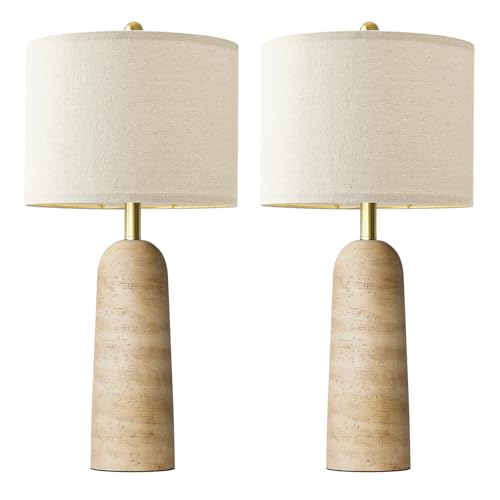
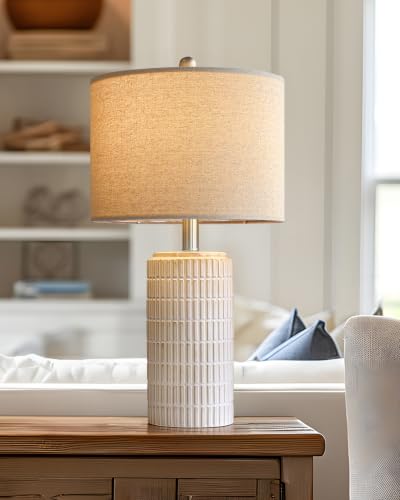
Linen and other woven fabric shades let light pass through the material itself, scattering it in every direction. That diffusion softens harsh edges from the bulb and fills the room with a gentle, even glow rather than a single bright point. It is one of the most forgiving choices for a bedroom because it flatters almost any light source underneath it, which is why linen shows up so often when people shop for the best table lamps for bedroom use.
Glass, metal, and opaque shades for a directional look
Opaque shades work differently. They block light from escaping through the sides, so the glow comes mostly from the top and bottom of the shade instead of spreading outward. This creates more contrast and a more focused pool of light, which some people prefer for a moodier look. Glass shades add a bit of sparkle and work well with a variety of base materials, including wood. If you're drawn to natural wood finishes for the base itself, see our guide to wooden table lamps for options built around that material rather than a specific room's lighting needs.
Reading in Bed Without the Glare
Plenty of people want one lamp that can do double duty: bright enough to read by, but calm enough to sit next to while falling asleep. That balance comes down to lumens and positioning, not just wattage.
Lumens and positioning for task light
For reading, aim for somewhere in the 400 to 800 lumen range from the bulb, with the shade sitting close enough to the page that it does not need to fight through several feet of open air. A shade that angles slightly downward, or one with an opaque interior lining, directs more light straight onto the book instead of scattering it toward your eyes. Getting this balance right is part of what makes the best table lamps for bedroom nightstands so much more useful than a plain desk lamp.
Balancing reading light with a calm room
If the lamp has a dimmer, you get the best of both situations from one fixture. Turn it up while you are reading, then dim it down once you are ready to sleep. Without a dimmer, you are stuck choosing between too bright for winding down or too dim for reading comfortably.
Practical Extras Worth Having
A few small features make a bedside lamp noticeably easier to live with, even if they do not affect the light itself. These details are often what separates the best table lamps for bedroom nightstands from lamps meant for a living room console.
USB charging and touch controls
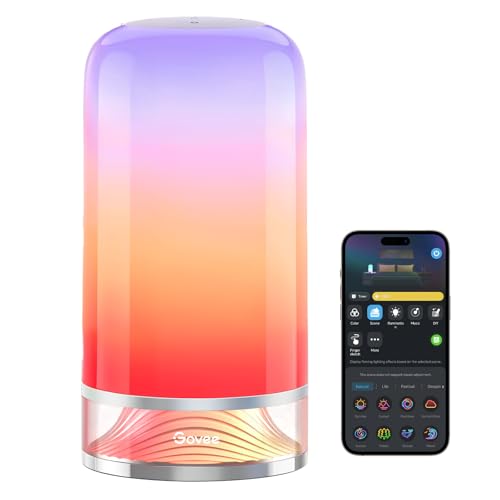
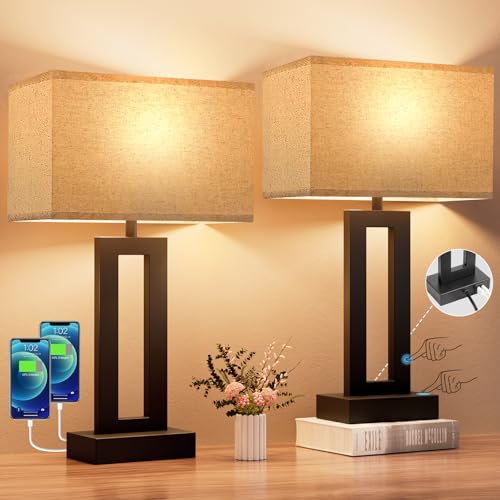
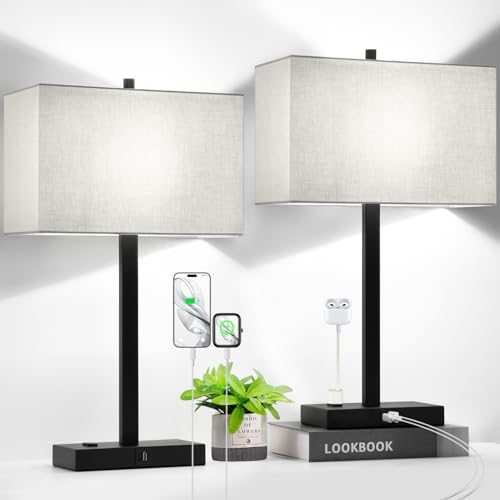
A built-in USB port means you can charge a phone overnight without an extra adapter cluttering the outlet. Touch controls remove the need to fumble for a tiny rocker switch in the dark, which matters more than it sounds like until you have tried both.
Night-light modes and cordless options
Some nightstand lamp models include a very low night-light setting that stays on without being bright enough to disrupt sleep, useful if you get up during the night. Cordless, rechargeable versions are worth considering for nightstands without an outlet nearby, or if you simply want to keep the tabletop free of a trailing cord.
Frequently Asked Questions
How many lumens should a bedroom table lamp have?
For general ambient light, 300 to 500 lumens usually feels comfortable in a bedroom. If you also want to use the lamp for reading, look for a bulb or dimmer setting that can reach closer to 800 lumens. This is one of the first specs worth checking when comparing the best table lamps for bedroom nightstands.
What color temperature is best for a bedroom lamp?
Somewhere between 2700K and 3000K is the sweet spot. That range produces warm, amber-toned light that feels relaxing rather than clinical, unlike cooler daylight bulbs.
How tall should a bedside table lamp be?
As a rough guide, the lamp should stand close to the height of your nightstand plus two or three inches, so the shade sits near eye level when you're sitting up in bed.
Do I need a dimmable lamp for my bedroom?
It is not strictly required, but a dimmer makes the lamp far more versatile. It lets one fixture handle both bright reading light and a soft, low glow for winding down.
What's the best lampshade material for a bedroom?
Linen and other fabric shades diffuse light softly and suit most bedrooms. Opaque or glass shades create a more directional, contrast-heavy look if that fits your style better.
Can I use one table lamp for both reading and ambient light?
Yes, as long as it has a dimmer or multiple brightness settings. Without adjustable brightness, you generally have to choose between comfortable reading light and a calmer bedtime glow.
Is a touch-control lamp better than a regular switch?
Touch controls are easier to use in the dark since you do not need to locate a small switch, and many touch bases also offer several brightness levels with repeated taps.
What's the difference between a bedroom table lamp and a regular table lamp?
The main differences are color temperature, dimmability, and sizing. Bedroom lamps generally lean warmer, more often include a dimmer, and are sized to sit at eye level next to a bed rather than on a larger surface like a console or desk. That combination is what separates the best table lamps for bedroom use from a generic table lamp built for a living room or office.
Making the Right Choice for Your Room
The right bedside lamp comes down to a handful of details working together: warm, adjustable light, a size that fits your nightstand, and a shade material that matches the mood you want. Keep these factors in mind and you will have no trouble finding the best table lamps for bedroom use that fit both your room and your routine.