Best Mikasa Dinnerware Sets: A Complete Buying Guide
Disclosure: We may earn a commission when you buy through links on this page, at no extra cost to you. As an Amazon Associate I earn from qualifying purchases. Learn more
Scroll through Mikasa's catalog and you'll find dozens of patterns, three different materials, and set sizes ranging from a single place setting to service for twelve. That variety is exactly what makes the brand appealing, and exactly why picking one collection feels harder than it should. Finding the best Mikasa dinnerware sets for your own table isn't about picking the prettiest photo online. It comes down to understanding what the material is actually made of, whether a pattern is built for daily use or special occasions, and how many pieces your household really needs. This guide walks through each of those decisions so you can shop the Mikasa lineup with a clear sense of what you're buying.
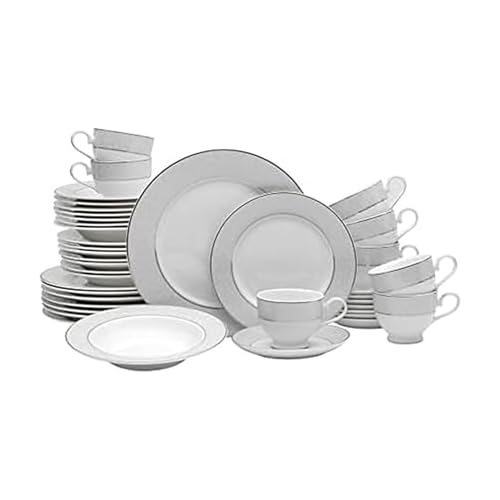
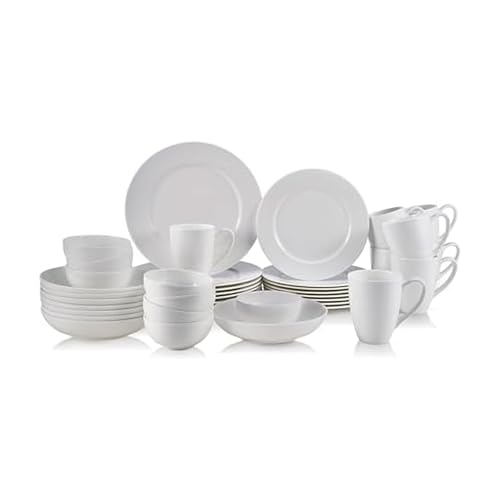
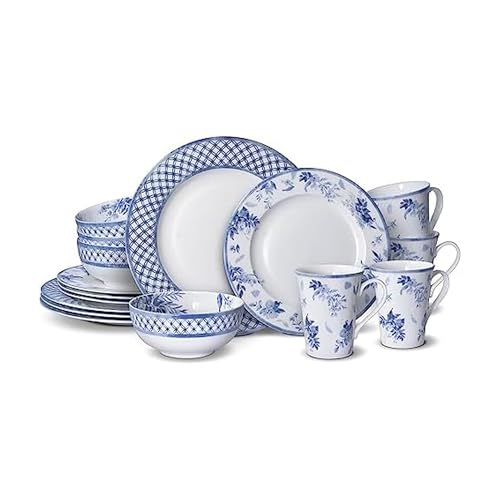
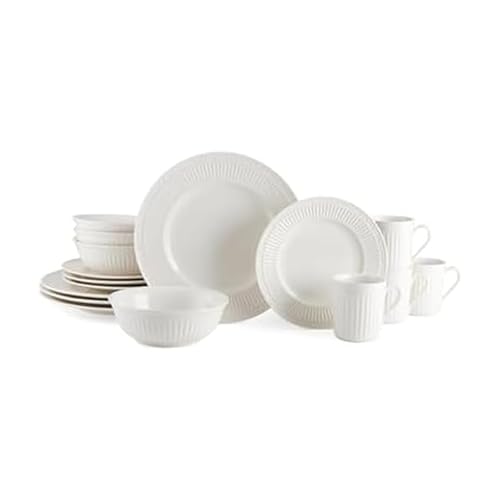
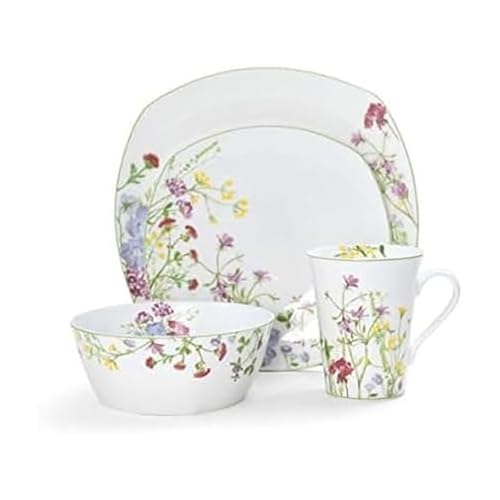
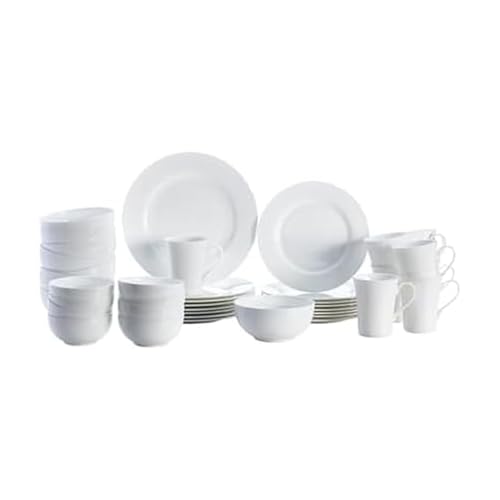
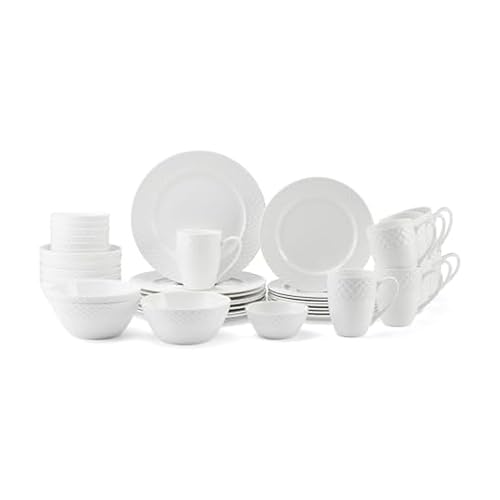
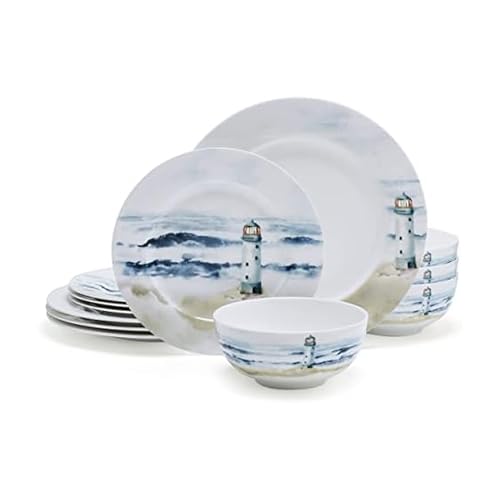
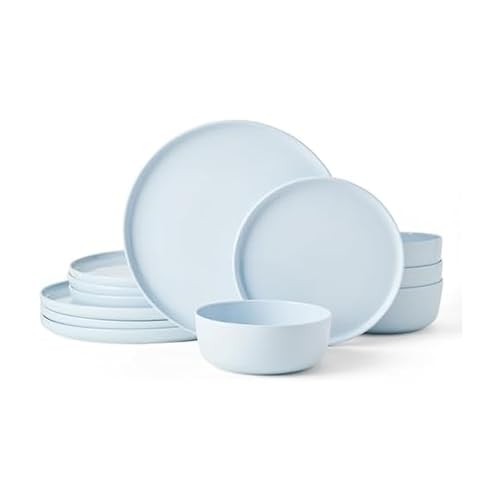
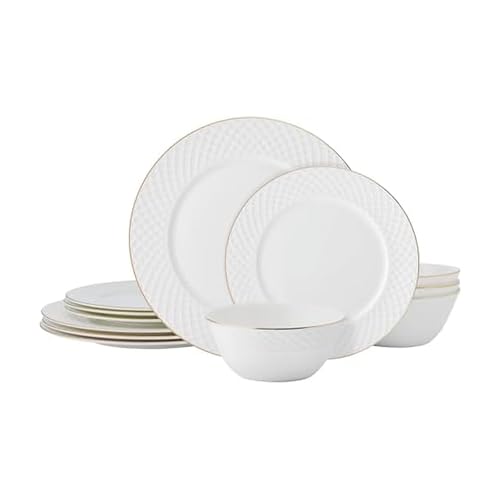
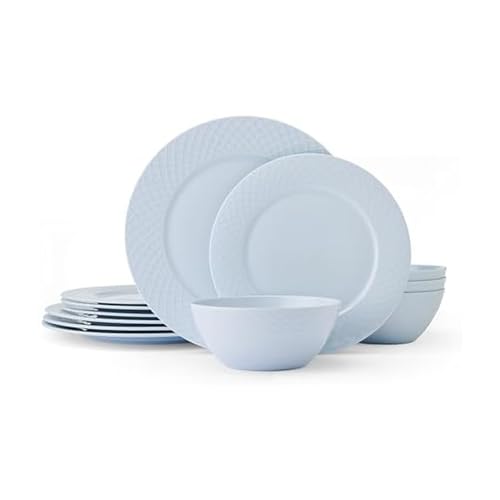
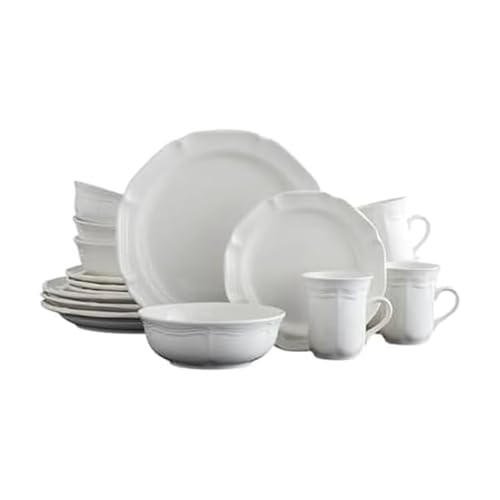
Material Matters: Bone China, Porcelain, or Stoneware
Mikasa builds its dinnerware from three distinct materials, and each one behaves differently on your table and in your kitchen. Before you fall in love with a pattern, check which material it's made from, since that single spec affects weight, durability, and how you're allowed to clean it. Most roundups of the best Mikasa dinnerware sets start here for good reason.
Bone China for Lightness and Formal Polish
Bone china gets its name from the bone ash mixed into the clay body, which gives it a bright white color, a slightly translucent glow when held to the light, and noticeably less weight than the other two materials. It's also surprisingly strong for how delicate it looks, which is why bone china pieces tend to resist chipping better than you'd expect. If you want a set that feels special for holidays or dinner parties, Mikasa bone china is usually the material behind that impression.
Vitrified Porcelain for Everyday Elegance
Vitrified porcelain is fired at extremely high heat until it becomes non-porous, which makes it resistant to staining and easy to keep looking clean over years of use. It sits in a middle ground between the delicacy of bone china and the heft of stoneware, giving you a set that still looks refined without feeling too precious to use on a Tuesday night. One thing worth knowing: porcelain can develop fine surface cracks called crazing after a couple of years of repeated dishwasher cycles, so gentler washing extends its good looks.
Stoneware for Weight and Everyday Toughness
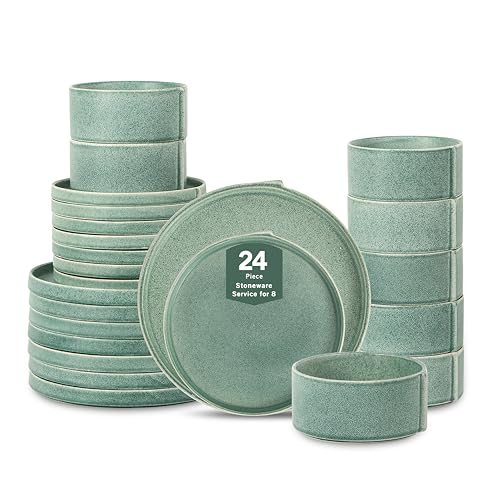
Stoneware is fired at high temperatures for maximum density, which translates into a heavier, chunkier feel in the hand and better resistance to the everyday bumps of family meals. If your table sees kids, casual weeknight dinners, or a lot of stacking in and out of cabinets, stoneware tends to hold up the longest. The tradeoff is that it's usually the most casual-looking of the three materials, so it's less suited to a formal table setting.
Casual or Formal: Matching a Collection to How You Live
Once you know which material fits your lifestyle, the next fork in the road is style. Mikasa splits much of its catalog into casual and formal collections, and picking the wrong one is a common reason people end up disappointed with a set that looked great online but never feels right at home. This is the step that separates the best Mikasa dinnerware sets for a given household from ones that just look good in a photo.
Signs a Collection Leans Casual
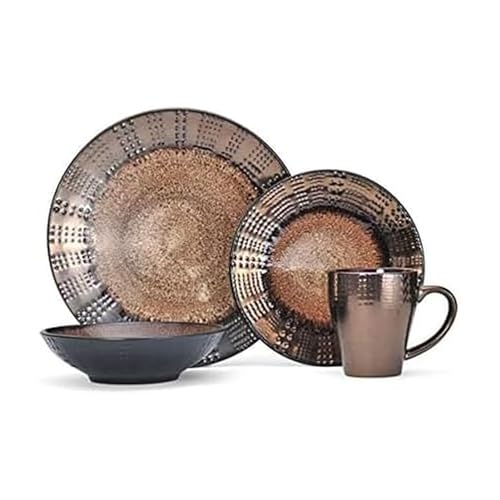
Casual collections usually favor organic shapes, reactive or textured glazes, and simpler color palettes that mix easily with other kitchen items. These patterns are built to survive nightly rotation through the dishwasher and to look at home next to everyday glassware rather than crystal stemware. If you eat most meals at home and rarely host formal dinners, a casual Mikasa dinnerware collection will get more actual use than a delicate formal set gathering dust in a cabinet.
Signs a Collection Leans Formal
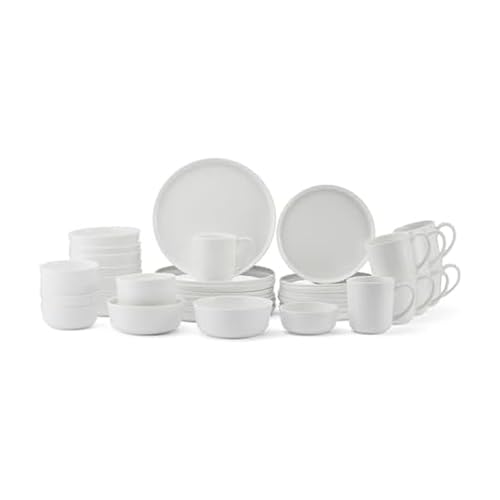
Formal collections tend to use crisp white or ivory bodies, embossed detailing, and metallic bands in platinum or gold. These sets are designed to signal an occasion rather than blend into everyday life, and they usually pair bone china construction with more careful hand-washing instructions. If you host holidays, anniversaries, or dinner parties a few times a year, a formal set earns its keep even if it spends most of the year in the cabinet.
Getting the Size Right: Place Settings and Piece Counts
Piece count is where a lot of shoppers either overspend or underbuy, so it's worth understanding what you're actually getting before you check out. Getting this part right is just as important as choosing the material when you're comparing the best Mikasa dinnerware sets for your table.
What's Actually in a Place Setting
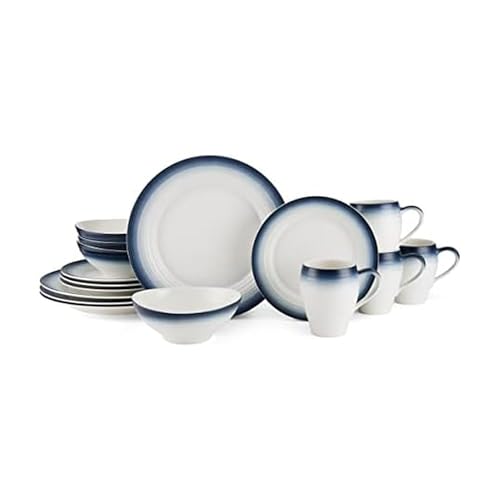
A single place setting typically bundles a dinner plate, a salad plate, a bowl, and a cup, sometimes with a matching saucer added for four or five pieces total. Multiply that by the number of people you regularly serve and you get the full set size, whether that's a compact set for two or service for eight built around 40 total pieces. Reading the piece breakdown before buying prevents the surprise of unboxing a set that's missing a bowl style you expected.
Matching Piece Count to Your Household
Think honestly about how often you actually fill every seat at your table. A household of two or three rarely needs more than a compact set, while anyone who regularly hosts extended family or dinner parties benefits from sizing up to service for eight or beyond. Buying more than you need just to get a better per-piece price often backfires, since extra place settings sit unused and take up cabinet space you'd rather have back.
Mixing and Coordinating Within a Pattern
One thing that sets the best Mikasa dinnerware sets apart from many other dinnerware brands is how openly they're designed to be mixed. A number of collections use an assorted approach on purpose, where individual pieces carry slightly different decal designs, like varied line work or subtle motifs, yet the whole set still reads as one cohesive pattern on the table. That gives you visual interest without the matchy-matchy feel of a strictly uniform set.
Mikasa also sells much of its lineup as open stock, meaning you can buy individual plates, bowls, or mugs separately rather than committing to a boxed set. That matters for two practical reasons: you can replace a single broken piece years later without hunting down a discontinued bundle, and you can start small with a basic place setting and expand it as your needs grow. If you already own a dinnerware set in a different style, open stock pieces also make it easier to blend a Mikasa accent piece into an existing table setting instead of replacing everything at once.
Living With It: Durability, Care, and Everyday Wear
Style and size get most of the attention, but how a set holds up after a year of real use matters just as much. Understanding the care requirements upfront helps you avoid the most common regrets people have after buying dinnerware, and it's usually what separates the best Mikasa dinnerware sets that still look good years later from ones that don't.
Dishwasher and Microwave Safety
Most Mikasa dinnerware without metallic trim is safe for both the microwave and the dishwasher. Pieces decorated with gold or platinum bands are the exception. Those should never go in the microwave, and they do best on a gentle dishwasher cycle with the heated dry option turned off, since high heat can soften the metal band over repeated cycles. If your household relies on the microwave often, checking for metallic trim before buying will save you a workaround later.
What Wears Out First
With regular daily use, expect a set to show some wear within a few years rather than lasting a lifetime unchanged. Thin stems on stemware-style pieces are the most likely to break from an accidental knock, and hand-painted or decal detailing can fade or dull after hundreds of dishwasher cycles. None of this means the dinnerware is poorly made. It simply means a set built for style and rotation isn't the same promise as a buy-it-for-life stoneware crock, so setting that expectation early keeps you satisfied with the purchase long term.
Frequently Asked Questions
A few questions come up again and again when people start comparing the best Mikasa dinnerware sets, so here are quick, direct answers.
What's the difference between Mikasa bone china and porcelain?
Bone china is lighter, slightly translucent, and generally considered the more formal of the two. Vitrified porcelain is a bit heavier and more resistant to staining, making it a practical everyday choice that still looks polished.
Is Mikasa dinnerware dishwasher safe?
Most pieces are dishwasher safe. Sets with gold or platinum trim should be washed on a gentle cycle with the heated dry setting turned off to protect the metallic band.
How many pieces do I actually need for my household?
Start with a place setting per person you regularly serve, then round up slightly if you host often. A household of two or three usually does fine with a compact set, while frequent hosts benefit from service for eight or more.
Can you mix and match Mikasa patterns?
Yes. Many collections are designed with assorted decal patterns that coordinate rather than match exactly, and open stock availability makes it easy to combine individual pieces across a collection.
Does Mikasa dinnerware chip easily?
Bone china tends to resist chipping better than its light weight suggests, while thinner rims and stemware pieces are more vulnerable to accidental knocks. Careful stacking and handling go a long way toward keeping any set chip-free.
Is gold rim dinnerware safe to use every day?
It can be, but it needs a bit more care than a plain white set. Avoid the microwave entirely, hand wash when possible, and if you do use the dishwasher, skip the heated dry cycle.
Finding Your Fit
The best Mikasa dinnerware sets aren't defined by a single bestseller pattern. They're defined by how well the material, style, and size match the way you actually eat and entertain. Start with the material that fits your daily habits, pick a casual or formal collection based on how often you host, and size the piece count to your real household rather than the biggest box on the shelf. Get those three decisions right and the pattern you choose will feel just as good in year three as it did the day it arrived.