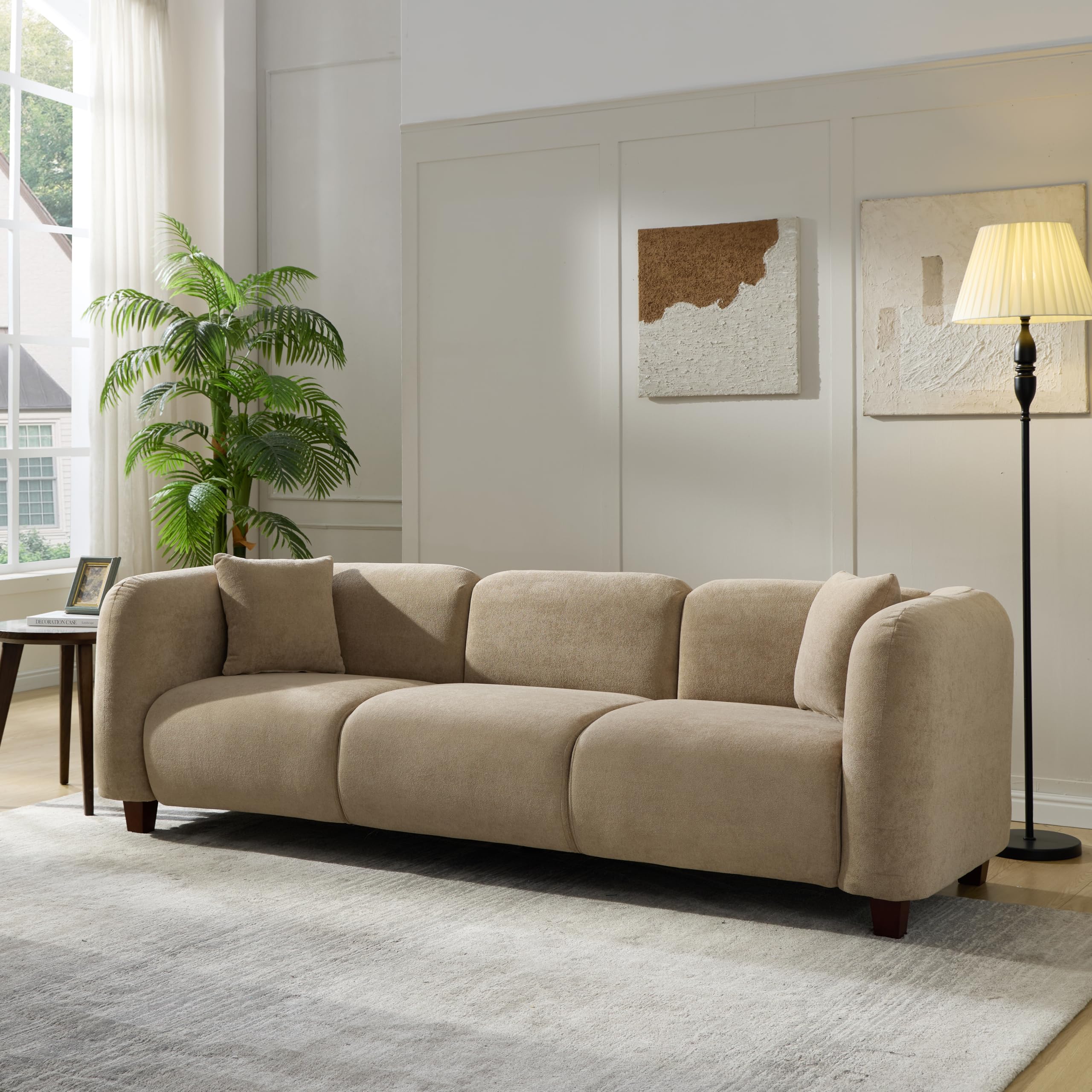
Best Living Room Furniture Set: A Complete Buying Guide
Disclosure: We may earn a commission when you buy through links on this page, at no extra cost to you. As an Amazon Associate I earn from qualifying purchases. Learn more
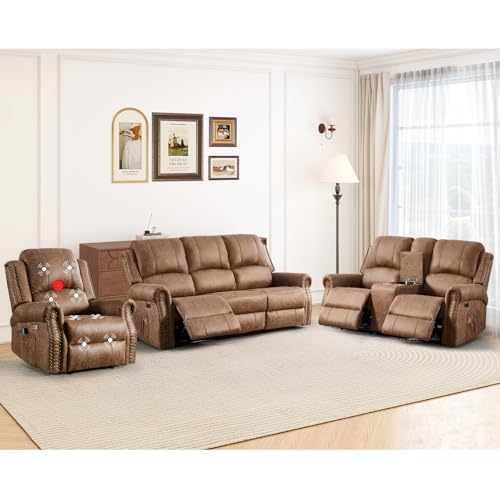
Furnishing a living room from scratch means juggling a lot of separate decisions at once: a sofa, a coffee table, a TV stand, maybe a couple of accent chairs, all of which need to look like they belong in the same room. That is exactly why so many shoppers go looking for the best living room furniture set instead of picking every item on its own. A well matched set removes the guesswork, guarantees the pieces work together, and usually costs less than buying each item separately. This guide covers what a real set includes, how to size one for your room, and where it pays to spend more or hold back.
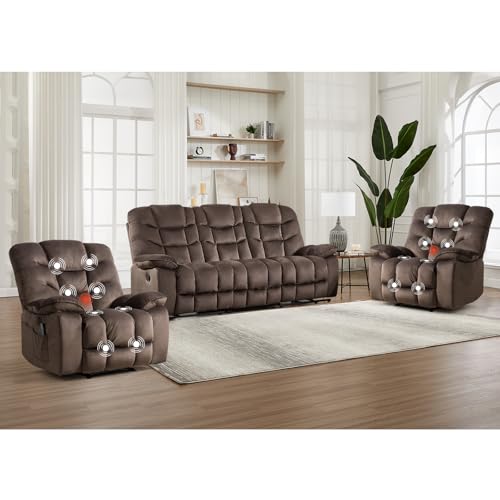
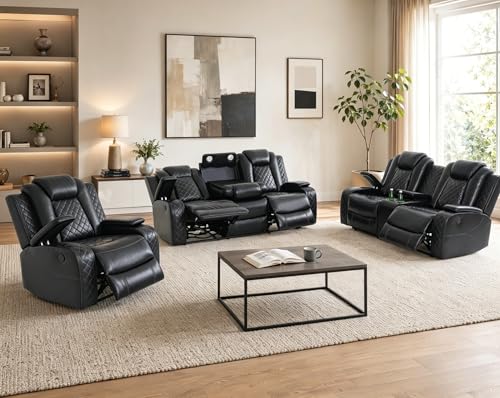
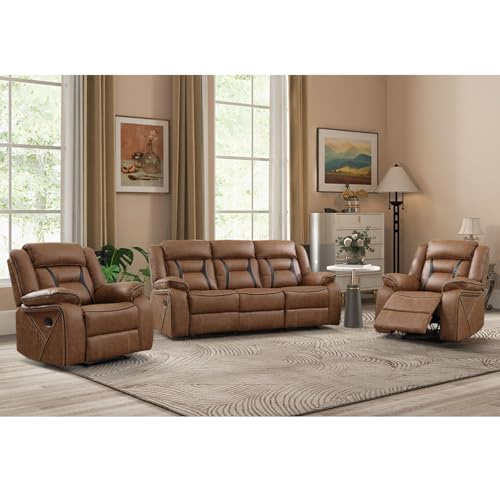
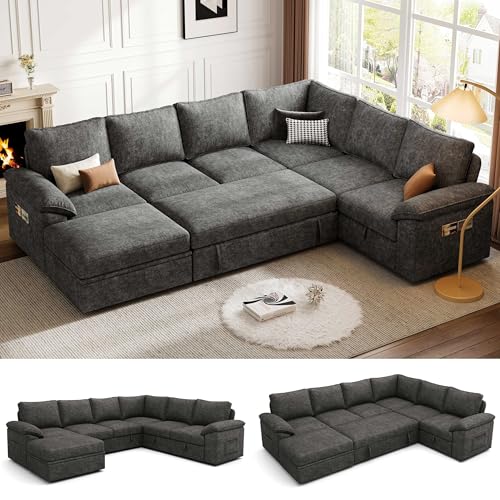
What Counts as a Complete Living Room Furniture Set
Not every set sold under that name includes the same pieces, so it helps to know the common configurations before you start comparing options. Understanding this upfront also keeps you from confusing a full room set with a single sofa collection, which is a narrower purchase focused only on seating.
The Core Three-Piece Configuration
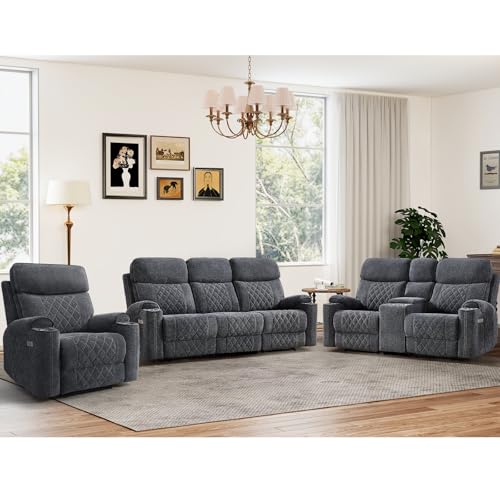
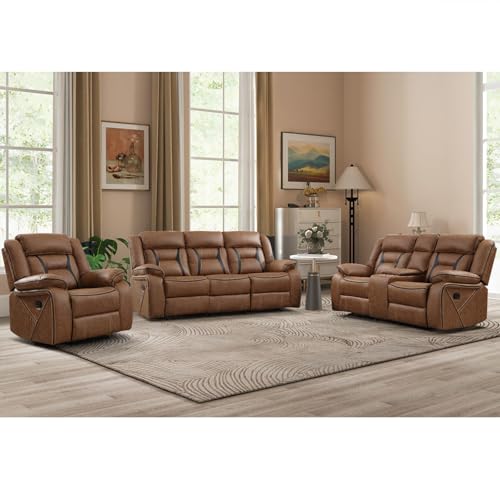
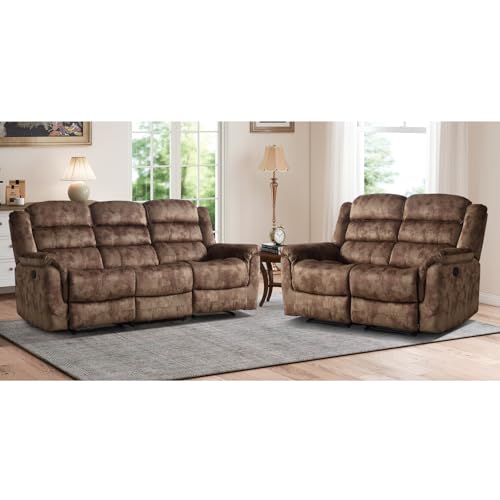
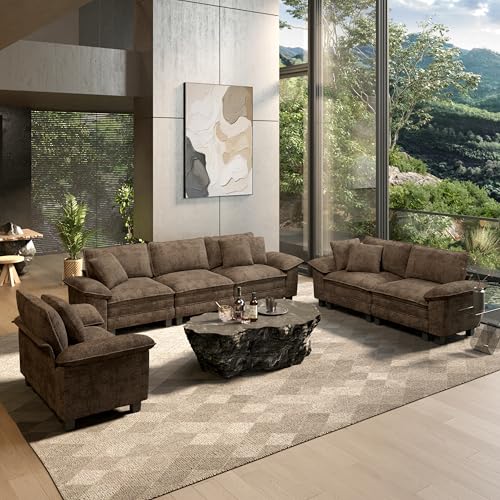
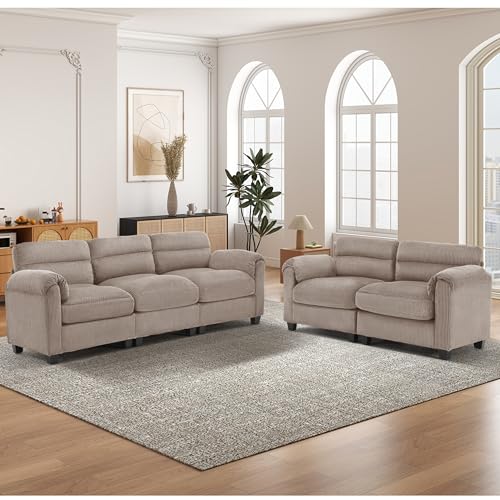
The most common starting point is a sofa and loveseat set paired with a matching armchair. It is worth noting that a full furniture set is broader than a sofa set on its own, since it covers seating plus the tables and storage pieces that go around it, not just the seating group. This trio works well for apartments and first living rooms because it fills a modest space without crowding it, and it gives you flexible seating for both everyday use and small gatherings.
Sectional-Anchored Sets
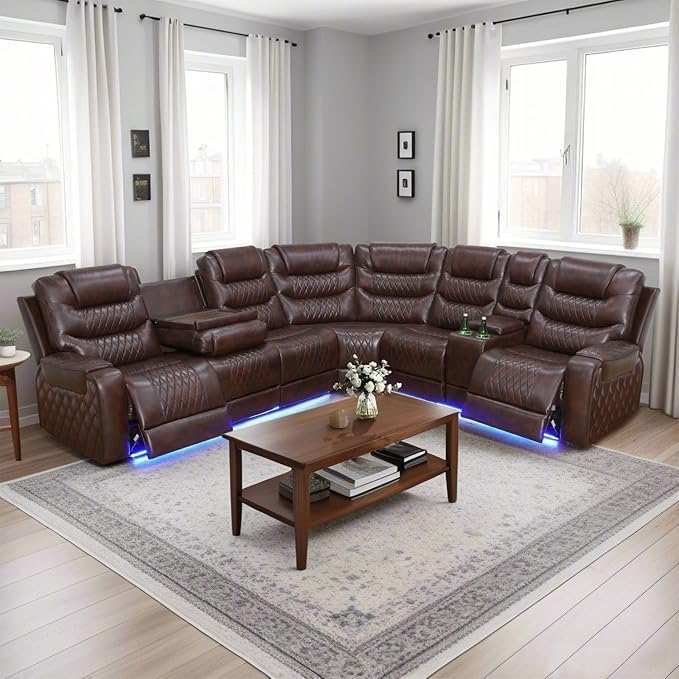
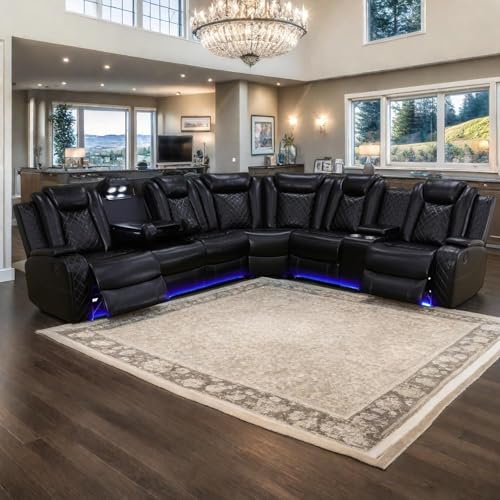
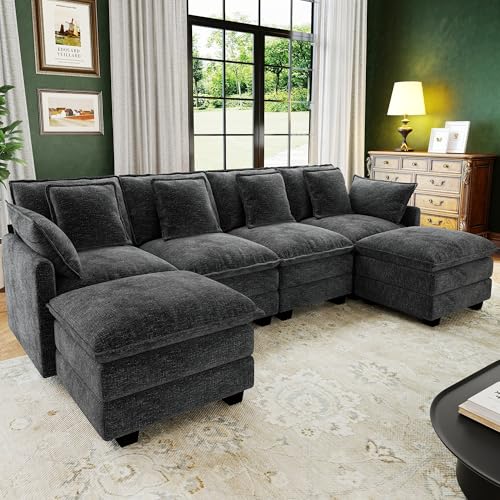
Larger households and open floor plans tend to favor a sectional sofa paired with one or two accent chairs instead of a separate loveseat. This layout maximizes lounging space and tends to suit media-focused rooms where several people want to stretch out at once.
Extended Sets With Tables and Storage
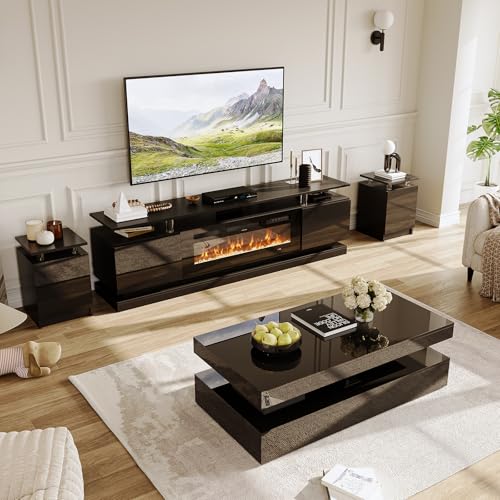
Some sets go beyond seating and bundle in a coffee table, end tables, and a TV stand or media console. These bundles are convenient if you are furnishing an entire room at once, though you should still check that each table piece is sized correctly for your layout rather than assuming it will fit.
Matching the Set to Your Room's Size and Layout
A set that looks proportionate in a showroom can overwhelm a smaller room or leave a larger one feeling sparse. Getting the dimensions right matters more than any other single decision in this purchase.
Measuring Before You Shop
Measure the length and width of the room, then subtract space for walkways, doorways, and any fixed features like a fireplace or built-in shelving. Keep at least 30 inches of clearance for main walking paths so the room does not feel boxed in once every piece is delivered.
Checking Doorways and Stairwells
A sofa or sectional that fits the room can still fail to make it through a hallway or stairwell. Measure your narrowest doorway, elevator, or turn before you order, and compare it against the delivery dimensions listed for each piece, not just the finished size.
Where to Spend More and Where to Save Across the Set
Not every piece in the set deserves the same portion of your budget. The pieces you touch daily are worth the extra investment, while accent pieces are a reasonable place to cut costs.
Put more of your budget toward the sofa or sectional, since it gets the heaviest daily use and is the most expensive piece to replace if the frame or cushions wear out early. Coffee tables, end tables, and accent chairs are generally easier and cheaper to swap later, so it is fine to start with a modest option and upgrade once you know how the room actually gets used. If the set bundles a TV stand or console, check that its storage layout genuinely fits your electronics before treating it as a bonus item.
Buying the Full Set vs Mixing Individual Pieces
This is the decision most shoppers face once they start comparing a living room furniture set against building the room piece by piece, and the right answer depends on your room and your patience for coordinating separate purchases.
When a Set Makes the Most Sense
A matched set is the faster, lower risk choice when your room is a fairly standard rectangle, you want a cohesive look without hours of comparison shopping, and you are furnishing the whole space at once. Sets also tend to be priced below what the same pieces would cost bought individually.
When Buying Piece by Piece Works Better
If your room has an awkward layout, you already own furniture you want to keep, or your taste leans toward mixing styles rather than matching everything, building the room piece by piece gives you more control. It takes longer and requires a better eye for proportion and color, but nothing forces you to compromise on any single item.
Keeping Materials and Style Consistent Across Every Piece
Even within a coordinated set, the fabric and finish choices you make affect how well the room holds up over time. This matters most if you have kids, pets, or heavy foot traffic through the space.
Performance fabrics and leather or faux leather upholstery resist stains and wear better than delicate weaves, which makes them worth prioritizing on the sofa and any seating that gets daily use. For wood tables, look for finishes that resist scratching and water rings rather than focusing on color alone, since the finish is what determines how the piece looks after a few years of actual use. If you are combining a set with pieces you already own, such as a TV stand or an existing coffee table, try to match undertone and finish family rather than an exact brand, since wood tones from different lines rarely match perfectly.
Frequently Asked Questions
What is typically included in a living room furniture set?
Most sets include a sofa, a loveseat or second seating piece, and a matching armchair. Extended sets may also add a coffee table, end tables, or a TV stand.
Is it cheaper to buy a living room set than individual pieces?
Usually, yes. Retailers price sets below the combined cost of the same items sold separately, though the savings shrink if you need to swap out one piece for a different size.
How many pieces should a small living room set have?
A smaller room usually works best with a three-piece configuration, such as a sofa, a chair, and one table, rather than a full extended set that can make the space feel cramped.
Should the coffee table and TV stand match the sofa exactly?
They do not need to be an identical finish, but matching the wood tone or metal finish family keeps the room feeling coordinated even when the pieces come from different collections.
How long should a living room furniture set last?
A well built set with solid frames and quality cushioning can last a decade or more with normal use, though fabric and cushions may need refreshing sooner depending on daily wear.
What fabric holds up best with kids or pets?
Performance fabrics and leather or faux leather resist stains and scratches far better than delicate weaves, making them the safer choice for households with children or pets.
Making the Set Work for Your Space
The right living room furniture set comes down to matching the configuration, size, and materials to how you actually live in the room, not just how the pieces look arranged together in a showroom. Measure carefully, put your budget toward the pieces you use every day, and do not be afraid to mix in a few individual pieces if the room calls for it. Get those basics right and the set will hold up long after the new furniture smell fades.