
Best Knot Wire Wheel Brush: A Complete Buying Guide
Disclosure: We may earn a commission when you buy through links on this page, at no extra cost to you. As an Amazon Associate I earn from qualifying purchases. Learn more

Heavy weld scale, flaking rust, and baked-on paint do not respond well to a scraper or a sanding block. That is usually when people start shopping for a knot wire wheel brush, the twisted-wire attachment that mounts on an angle grinder and strips stubborn coatings down to bare metal in a fraction of the time. Not every wheel labeled "wire brush" is built the same way, though, and picking the wrong twist type, arbor size, or wire material can mean a wheel that wears out fast, does not fit your tool, or chews through metal you only wanted to clean. This guide breaks down exactly what to check before you buy.
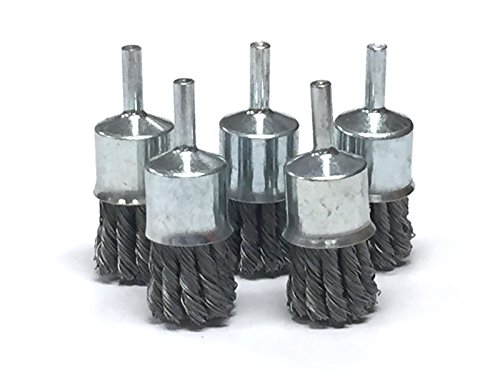
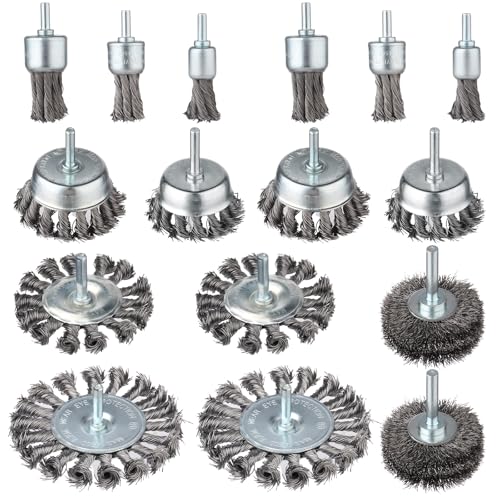
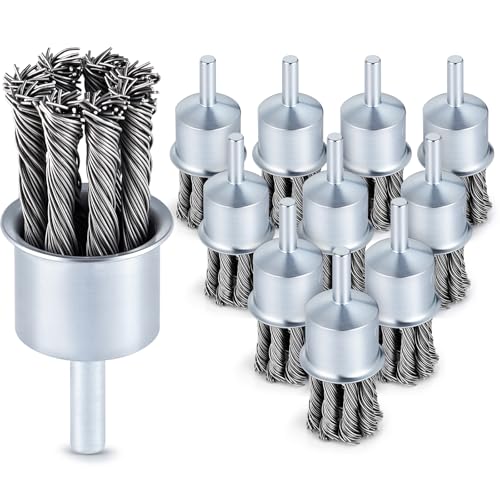
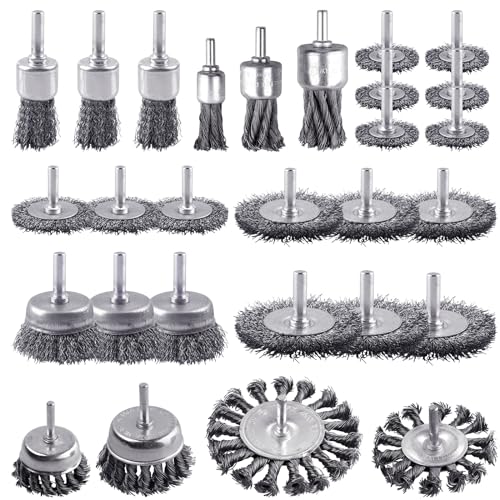

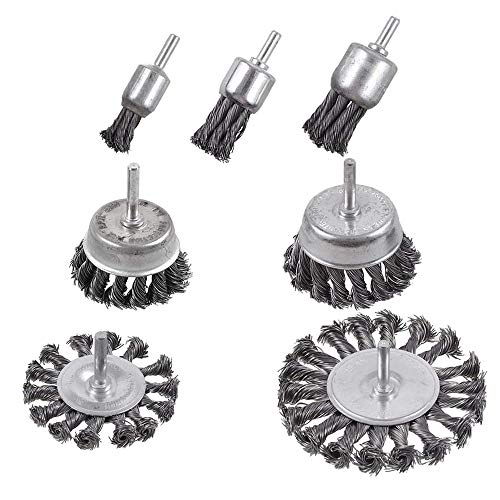
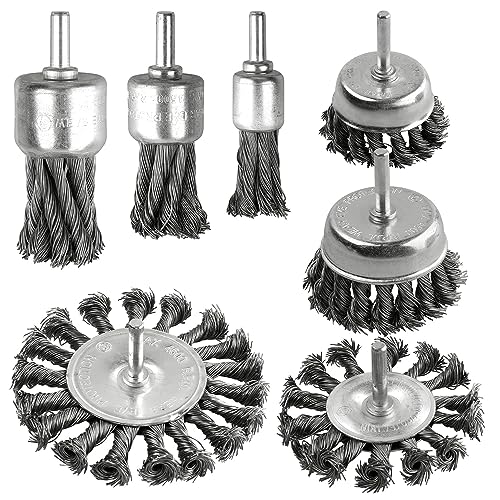
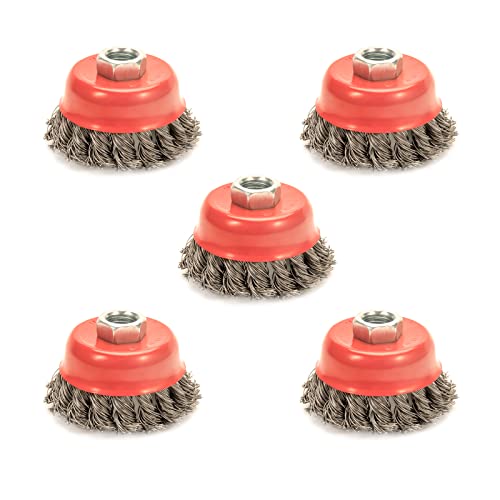
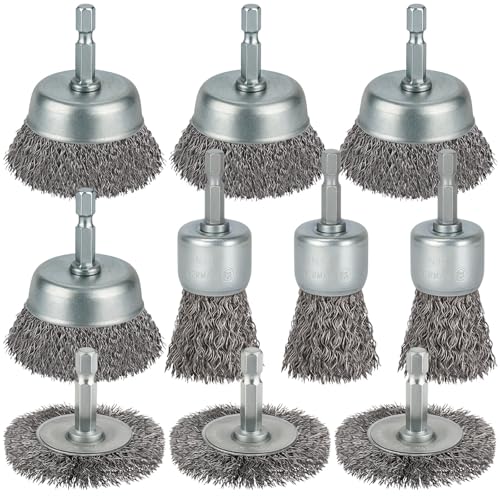
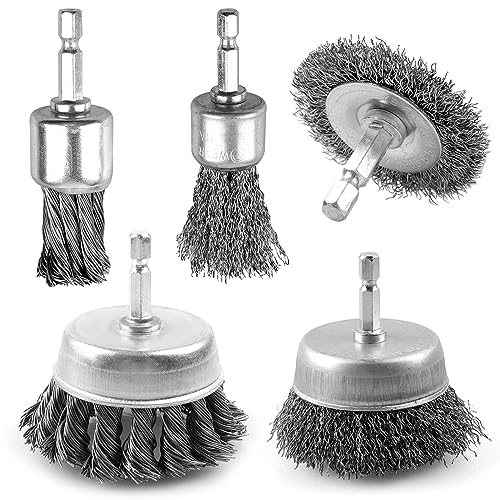
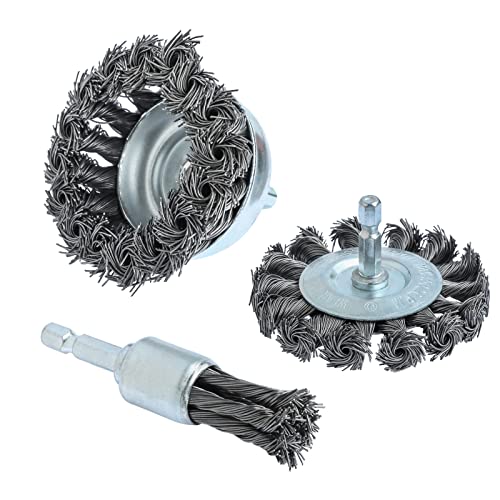
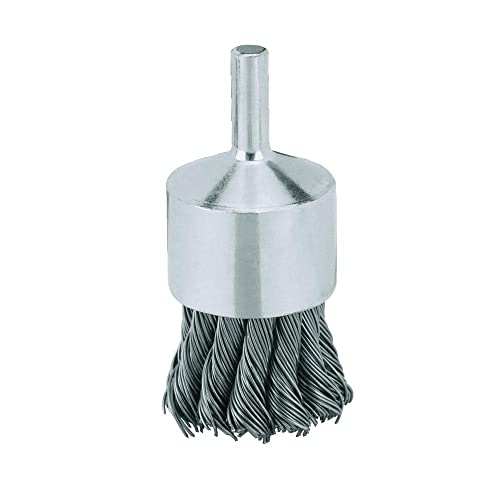
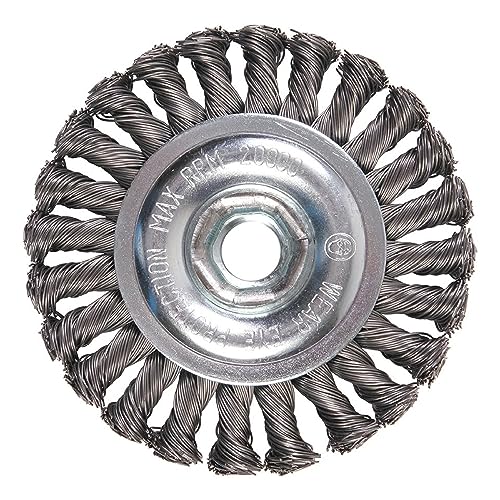
Knotted vs. Crimped Wire: Why the Twist Pattern Changes Everything
Wire wheels come in two basic constructions, and the difference matters more than the price tag does. A knotted wheel groups its wires into small twisted bundles, while a crimped wheel uses loose, wavy individual strands spread evenly around the rim. That single design choice decides how aggressive, how durable, and how forgiving the wheel is going to be on your workpiece.
How a Twisted Bundle Cuts More Aggressively
Because the wires in a knotted wheel are locked together in clusters, they act more like small chisels than flexible bristles. Each bundle strikes the surface with concentrated force, which is exactly why knotted wheels are the standard choice for weld scale, heavy rust pitting, and thick paint that a crimped wheel would just glance off. They also tend to shed fewer stray wires over time than cheap crimped versions, since the twist holds each strand in place under load.
When That Aggression Works Against You
The same stiffness that makes a knot wire wheel brush so effective on heavy corrosion is a liability on thin sheet metal, body panels, or anything you want to keep smooth. A knotted wheel can gouge, streak, or thin out soft metal in seconds if you linger in one spot. If your project involves delicate surfaces or a finish-grade result, a crimped wheel or a softer abrasive pad is the better fit, and you should reserve the knotted option for structural steel, castings, and anything where a rough finish is acceptable.
Matching Arbor Size and RPM Rating to Your Grinder
A knot wire wheel brush that looks right in a product photo is useless if it does not physically thread onto your tool, or if it is rated for less speed than your grinder actually produces. Both of these specs are printed on the wheel or its packaging, and both are worth checking before you add anything to your cart.
Threaded Arbor Sizes and Why Adapters Trip People Up
Most wheels sized for a 4 to 4.5 inch angle grinder use a 5/8 inch, 11-thread arbor, which is the de facto standard across North American tools. Smaller cup and shank-mounted wheels meant for a drill or die grinder use a solid round shank instead, usually a quarter inch. Problems tend to show up when someone buys an imported grinder with a metric spindle, or a wheel bundled with a reducing adapter that does not seat flush. If your grinder's manual lists a different thread pitch than 5/8-11, confirm the exact spec before ordering rather than assuming an adapter will make up the difference safely.
Reading the Max RPM Stamp Before You Mount It
Every wire wheel carries a maximum safe RPM rating, and it exists for a real reason: spin a wheel faster than it is rated for and the wire bundles can fatigue, deform, or separate from the hub entirely. Compare that number against your grinder's no-load RPM, not just its general size class, since two 4.5 inch grinders can spin at noticeably different speeds. When in doubt, choose a wheel rated above your tool's top speed rather than right at the edge of it.
Carbon Steel or Stainless Wire: Matching Material to the Metal You're Working On
The metal a knot wire wheel brush is made from matters just as much as the twist pattern, especially if you care about what gets left behind on the surface you are cleaning.
Carbon Steel for Speed and Cost
Carbon steel wire is stiffer, cheaper, and cuts faster than stainless, which makes it the default pick for mild steel, cast iron, and general fabrication work. The tradeoff is that carbon steel wire can leave behind tiny embedded particles that rust on their own, which is a problem if the surface underneath is stainless or aluminum.
Stainless for Avoiding Cross-Contamination
A stainless wire wheel is softer and slightly less aggressive, but it will not deposit ferrous particles that later bloom into rust spots on a stainless or aluminum surface. If you are cleaning weld joints on stainless pipe, food-grade equipment, or anything that needs to stay corrosion-resistant, the stainless wheel is worth the extra cost even though it wears a bit faster than carbon steel on tough scale.
Where a Knot Wire Wheel Brush Actually Earns Its Keep
This style of wheel shows up most often in welding shops, cleaning weld beads and mill scale before a second pass, and in general metal restoration, where flaking rust needs to come off before primer goes on. It is also common for stripping rusted hardware, chains, and brackets, and for prepping metal outdoor furniture that has started to pit after a season outside.
If a piece has been sitting outdoors long enough to cake up with dirt and grime on top of the rust, running it through a wash first, the kind you would use on a pressure washer, saves the wheel from clogging on loose debris before it ever touches the actual corrosion.
The same logic applies to a rusted mower deck. Knocking off caked grass and dried mud before switching to a wire wheel keeps the brush working on metal instead of grinding through gunk, which is a common step people skip when restoring a riding lawn mower deck.
Metal patio pieces, like the frames on patio dining tables, are another frequent candidate once the powder coat starts chipping and surface rust sets in underneath.
Staying Safe: Wire Shed, Kickback, and the Right PPE
A spinning knot wire wheel brush throws off broken wire fragments even when it is brand new, and that risk only goes up as the wheel wears. Standard safety glasses are not enough protection on their own. A full face shield worn over glasses, thick leather gloves, and a long-sleeve shirt should be treated as the minimum setup, not an optional upgrade.
Beyond flying wire, the wheel itself can grab and kick if you catch an edge or corner at the wrong angle, especially when you are running the grinder one-handed. Keep both hands on the tool whenever the wheel's size and your grinder's grip allow it, work at a shallow angle instead of straight into the surface, and let the wheel do the cutting rather than pressing hard, which only accelerates wire fatigue and increases the chance of a bundle snapping loose.
Frequently Asked Questions
What's the difference between a knot wire wheel and a crimped wire wheel?
A knot wire wheel groups its wires into twisted bundles for a stiffer, more aggressive cut, while a crimped wheel uses loose wavy strands that flex more and produce a gentler, finer finish.
Will a knot wire wheel brush damage or gouge metal?
It can, particularly on thin sheet metal or body panels. The aggressive cut that makes it great for heavy rust and weld scale is too much for delicate or thin surfaces, where a crimped wheel is the safer choice.
What size arbor do I need for a wire wheel brush on my angle grinder?
Most 4 to 4.5 inch angle grinders use a 5/8 inch, 11-thread arbor. Always check your specific grinder's spec sheet before buying, since some imported tools use different thread sizes.
Can I use a knot wire wheel brush on stainless steel?
Yes, but use a stainless steel wire wheel rather than carbon steel. Carbon steel wire can leave behind particles that rust and stain a stainless surface over time.
What RPM should a wire wheel brush be rated for?
Check the max RPM printed on the wheel and make sure it meets or exceeds your grinder's actual no-load speed. Running a wheel above its rated RPM increases the risk of wire fatigue and failure.
How do I stop a wire wheel brush from throwing wires?
Some shedding is normal, but you can reduce it by staying within the RPM rating, avoiding excess pressure, and retiring the wheel once it looks visibly worn or unevenly bald in spots.
Is carbon steel or stainless steel wire better for rust removal?
Carbon steel cuts faster and costs less, making it the better choice for general rust removal on mild steel. Stainless is the right call when the underlying metal needs to stay free of ferrous contamination.
Making the Right Call for Your Shop
The right knot wire wheel brush comes down to matching four things to your actual job: the twist type for how aggressive you need to be, the arbor size for your specific tool, the RPM rating for your grinder's real speed, and the wire material for the metal you are cleaning. Get those four right and the wheel will do its job quickly without damaging the surface underneath or falling apart halfway through the project.