Best Instant Decaf Coffee: The Buyer Checklist We Use
Disclosure: We may earn a commission when you buy through links on this page, at no extra cost to you. As an Amazon Associate I earn from qualifying purchases. Learn more

Our checklist for the best instant decaf coffee, with Mount Hagen, Nescafé and Starbucks VIA picks.
Instant decaf has improved a lot, but quality still varies widely from jar to jar. Some taste flat or bitter, while others come from organic Arabica beans decaffeinated with gentle methods and dissolve into a smooth cup in seconds. To find the best instant decaf coffee, we use a simple checklist that covers roast, decaf method, certifications, origin, format, freshness, bean type and price per cup.
Below, we explain each checklist item, share three picks that pass, then add a quick buyer checklist, red flags, tips and answers to common questions. Every coffee in the table above is sold new on Amazon US. Decaf is not fully caffeine free, so people who are pregnant, sensitive to caffeine or on medications that interact with it should check with their doctor about how much is right for them.





How We Evaluate Instant Decaf Coffees
We score instant decaf on roast level, decaffeination method and certifications, origin, format, freshness, bean type and value. Here is what good and poor look like for each.
The best instant decaf coffee scores well on most of these points, not just one. A cheap jar with great value but a vague label, or an organic jar that tastes flat, does not make the cut.
Roast Level (Light, Medium, Dark)
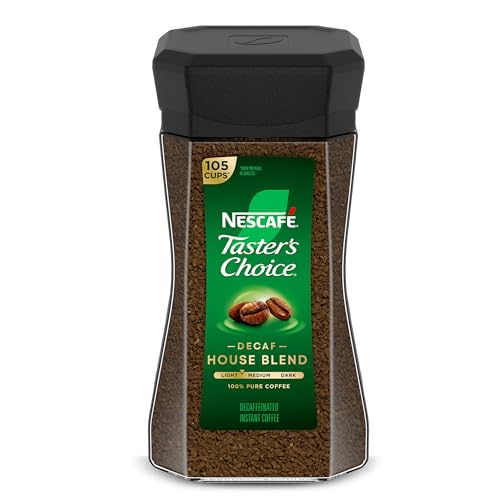
Light and medium roasts taste brighter and milder, while dark roasts taste bold, roasty and slightly bitter. Nescafé lists its Taster's Choice Decaf House Blend as a light to medium roast, Mount Hagen lists a medium roast and Starbucks VIA Decaf Italian Roast is a dark roast. Choose medium for black coffee and dark if you add milk.
Certifications and Decaf Method
USDA Organic means the beans were grown without synthetic pesticides. Fairtrade supports fair pay for farmers.
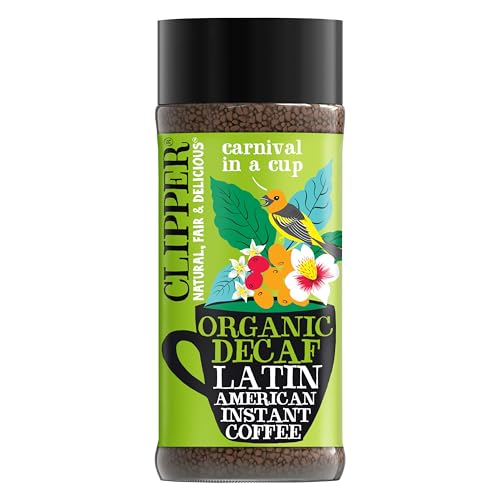
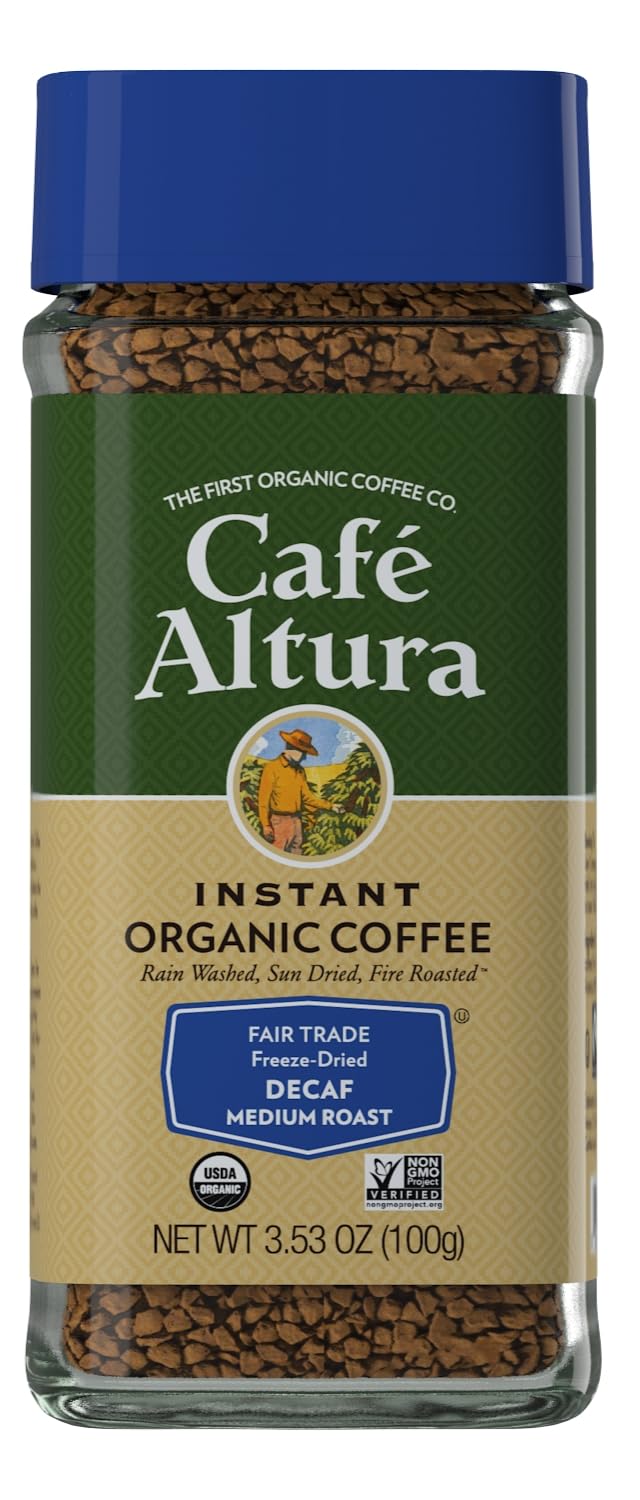
Mount Hagen, Clipper, Cafe Altura and Rex Coffee list organic beans, and Mount Hagen and Clipper list Fairtrade. The decaf method matters too: Mount Hagen says it removes 99.99% of the caffeine with a CO2 process. A good label names the method; a poor one says nothing.
Bean Origin and Single Origin vs Blend
Origin shapes flavor. Mount Hagen's beans come from the mountains of Papua New Guinea and taste mild with low acidity, according to the brand. Clipper uses Latin American Arabica with a toasty profile. Blends, like Nescafé's House Blend, mix beans from around the world for a consistent, balanced taste.
Instant Format: Freeze Dried, Spray Dried or Packets
Freeze dried coffee, like Mount Hagen's, keeps more aroma and dissolves into large crystals. Spray dried powders are cheaper but can taste flatter. Single serve packets, like Starbucks VIA, illy and Folgers singles, suit travel and offices, while jars cost less per cup at home. Liquid concentrates, like Javvy's decaf, mix into cold water or milk for iced drinks.
Freshness and Shelf Life
Instant coffee lasts much longer than ground coffee, but moisture and air dull it. Look for a tight sealed jar or individually sealed packets and a clear best by date. Once opened, use a jar within a few months for best flavor.
Keep the jar away from the kettle and stove, where steam can creep in each time you open the lid. Always use a dry spoon.
Price per Cup and Value
Divide the price by the number of cups. Nescafé lists up to 210 cups from two 7 ounce jars at around $22, about 10 cents a cup. Mount Hagen lists about 50 cups from a 3.53 ounce jar at around $15, about 30 cents a cup. Packets cost more, with Starbucks VIA at around $49 for 50, close to $1 a cup.
Bigger jars usually cost less per cup, but only if you finish them while they still taste fresh. Light drinkers may get better value from a small jar or a box of packets.
Arabica vs Robusta
Arabica tastes smoother and sweeter, while Robusta is harsher and naturally higher in caffeine. Most premium instant decafs, including Mount Hagen, Starbucks VIA, Clipper and Javvy, list 100% Arabica. If a label does not mention bean type, it may include Robusta.
3 Picks That Pass Our Checklist
Our picks are Mount Hagen Organic Freeze Dried Instant Decaf as the best overall, Nescafé Taster's Choice Decaf House Blend as the best value and Starbucks VIA Decaf Italian Roast as the best premium pick.
We compared roast, decaf method, certifications, bean type, format, cups per container and price, along with the overall pattern in owner feedback. We did not brew these coffees ourselves; the notes reflect maker specifications.
Best Overall: Mount Hagen Organic Freeze Dried Instant Decaf
Mount Hagen suits drinkers who want a clean, smooth decaf with strong ethical credentials, at around $15 for a 3.53 ounce jar. Mount Hagen lists 100% USDA Organic, Fairtrade Arabica beans from Papua New Guinea, a medium roast, a CO2 decaf process that removes 99.99% of the caffeine, freeze drying to keep flavor and aroma and about 50 cups per jar.
Two strengths stand out: a gentle, named decaf method and a mild, low acid taste.
The limitation is a higher cost per cup than mass market jars. Skip it if price per cup matters most.
Best for: black coffee drinkers and anyone who wants organic, Fairtrade decaf.

Best Value: Nescafé Taster's Choice Decaf House Blend
Nescafé Taster's Choice Decaf House Blend is for households that drink decaf every day, at around $22 for two 7 ounce jars. Nescafé lists a full bodied light to medium roast, beans sourced from around the world, simple prep with 1 teaspoon per 6 ounces of hot water and up to 210 cups from the two jars.
Its strengths are a very low cost per cup and a balanced, familiar flavor.
The trade off is no organic or Fairtrade certification and no named decaf method on the listing.
Best for: families, offices and anyone who drinks several cups of decaf a day.

Best Premium Pick: Starbucks VIA Decaf Italian Roast
Starbucks VIA Decaf Italian Roast suits dark roast fans who want café flavor on the go, at around $49 for 50 packets. Starbucks lists a bold, dark decaf with notes of dark cocoa and toasted marshmallow, 100% Arabica beans and single serve packets that need no brewer.
The appeal is a rich, bold taste in a portable packet.
The limitation is a high cost per cup and a dark roast that can taste bitter black.
Best for: travelers, commuters and people who drink decaf with milk or cream.

Quick Buyer Checklist
- Does the label name the roast level?
- Does it list the decaf method, such as CO2 or Swiss Water?
- Is it 100% Arabica?
- Does it carry organic or Fairtrade certification if those matter to you?
- Is the format right for you: jar, packets or concentrate?
- Is the jar or packet well sealed with a clear best by date?
- Have you worked out the price per cup?
Red Flags to Watch For
- Vague labels. No roast, origin or bean type can hide low grade beans.
- No decaf method. Brands proud of their process usually name it.
- Added fillers. Check the ingredients for sugar, creamer or flavorings if you want plain coffee.
- Unusual review patterns. Many short, similar reviews in a short time deserve caution.
- Broken seals. Clumped or damp coffee has absorbed moisture.
None of these alone rules a coffee out, but two or more together are a good reason to keep looking.
Tips to Get the Most From Your Instant Decaf Coffee
Store coffee in an airtight, opaque container away from heat and steam. Buy amounts you can finish in a few months once opened. Let boiling water cool for a minute before pouring, as Clipper suggests, and stir well so crystals dissolve fully.
Start with the maker's ratio, then adjust by half a teaspoon until the cup tastes right to you.
FAQs
What is the best roast for beginners?
A medium roast is best for most beginners. It is smooth and balanced without the sharp acidity of light roasts or the bitterness of dark roasts. Mount Hagen's medium roast and Nescafé's light to medium House Blend are easy places to start.
How long does instant decaf stay fresh after opening?
Instant coffee keeps much longer than ground coffee. Kept sealed, dry and away from heat, an opened jar usually tastes best within a few months, though it is safe to drink until the best by date.
If the coffee smells stale or has hardened into clumps, it is time for a new jar.
Can I use instant decaf for espresso drinks or baking?
Yes. A strong mix of instant decaf works for lattes and iced drinks, and Nescafé sells a Gold Decaf Espresso instant for that purpose. Instant decaf also adds coffee flavor to brownies, tiramisu and frosting without the caffeine.
Does decaf have any caffeine?
Yes, a small amount. Decaf removes most of the caffeine but not all of it, and Mount Hagen says its process removes 99.99%. Roast level does not change caffeine much, so dark decaf is not stronger in caffeine than light decaf.
Is Arabica better than Robusta?
For flavor, usually yes. Arabica tastes smoother and sweeter, while Robusta tastes harsher and carries more caffeine. Most quality instant decafs use 100% Arabica.
Some people like a little Robusta in a blend for a stronger, earthier taste, so it comes down to personal preference.
Our Verdict
The best instant decaf coffee names its roast, decaf method and bean type, stays well sealed and fits your budget per cup. Mount Hagen is our best overall pick for smooth, organic decaf, Nescafé Taster's Choice is the best value and Starbucks VIA is a premium dark roast for travel.
For more coffee guides, see the best instant espresso, the best coffee pods, the best coffee for cold brew and the best coffee tumbler. Then compare current prices in the product table above.