
Best Hand File Sets: What Actually Matters Before You Buy
Disclosure: We may earn a commission when you buy through links on this page, at no extra cost to you. As an Amazon Associate I earn from qualifying purchases. Learn more

You reach for a file to knock down a rough weld, round off a sharp edge, or fit a stubborn part, and it barely scratches the surface. Or worse, it works fine for a week and then clogs up and skates across the metal instead of cutting it. Picking one of the best hand file sets is less about buying the biggest box of files you can find and more about understanding a handful of specs that determine whether a file actually does its job. In this guide, you will learn what shapes and cuts matter, how American and Swiss pattern files differ, how to match a set to the work you actually do, and how to keep files cutting well instead of skating uselessly across your project.
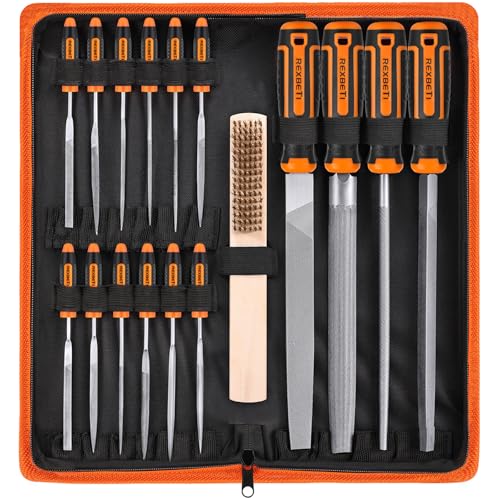
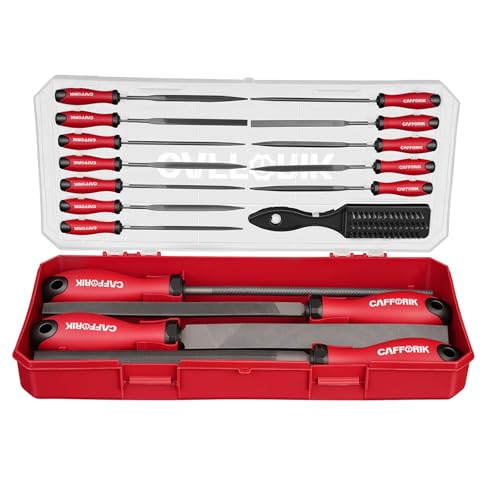
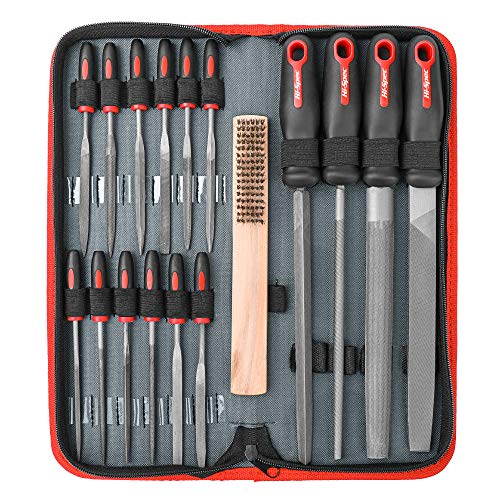
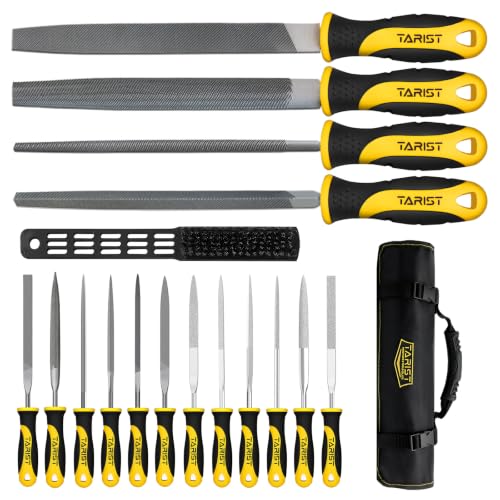

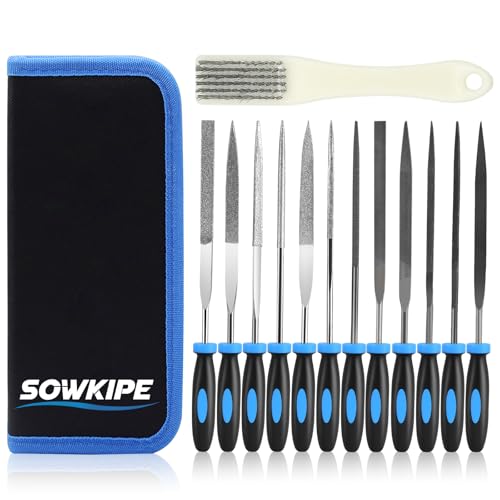
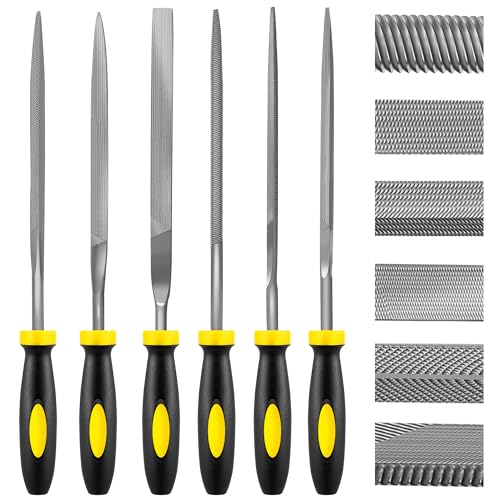
Shape, Cut, and Steel: The Specs That Actually Decide How a File Performs
Every hand file is defined by three things: its shape, its cut, and the steel it is made from. Get any one of those wrong for the job in front of you and the file will feel dull even when it is not.
File shapes and the jobs they're built for
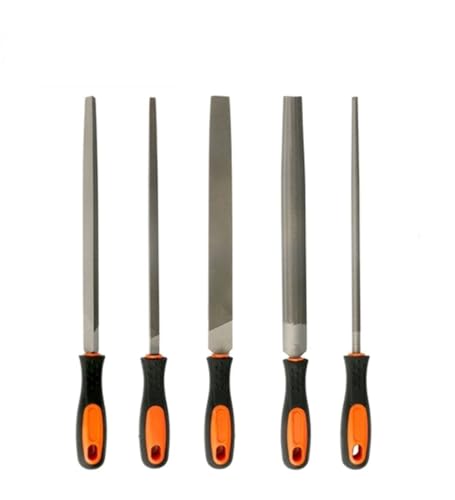
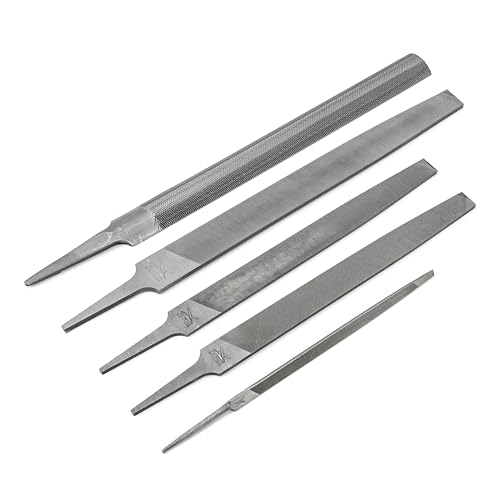
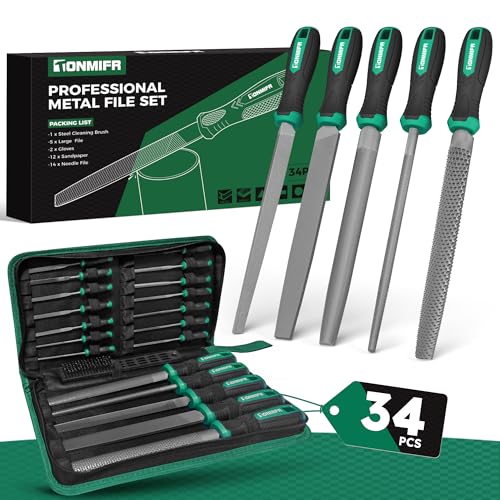
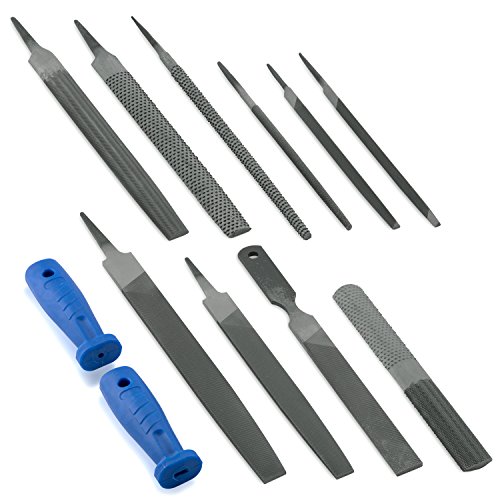
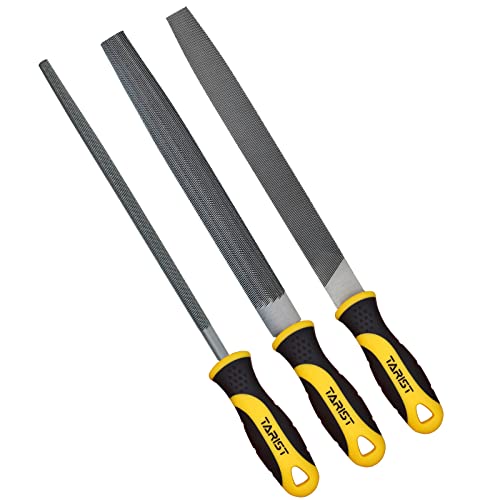
A flat file has parallel or slightly tapered faces and is the workhorse for smoothing flat surfaces and straight edges. A half-round file gives you one flat face and one curved face in a single tool, which makes it useful on both flat stock and concave surfaces without switching files. A round file, sometimes called a rat-tail file, tapers to a point and is built for enlarging holes or smoothing circular cutouts. A triangular file has three flat faces meeting at sharp corners, which makes it the right choice for cleaning out inside corners or putting a fresh edge on a blade. Most sets built around real-world use include at least these four shapes rather than piling on duplicates.
Cut number and coarseness grade
Files also differ by how their teeth are arranged. A single-cut file has one row of angled teeth and leaves a smoother finish with slower material removal, while a double-cut file has two crossing rows of teeth and removes material faster at the cost of a rougher surface. On top of that, files carry a coarseness grade, typically bastard (coarse), second cut (medium), and smooth (fine), with second cut covering the widest range of everyday tasks. If you only keep one grade on hand, second cut is the safest default; add a bastard file for heavy stock removal and a smooth file for final finishing.
Steel quality, hardness, and handle fit
A file only works if its teeth are harder than whatever you are filing, so look for hardened and tempered high-carbon steel rather than generic mild steel. Properly tempered steel resists chipping under pressure while still holding a sharp edge on the teeth for longer. Handles matter more than people expect too: a secure, comfortable grip gives you better control, and the length of the file itself is a tradeoff, shorter files give you more precision while longer files remove material faster. Never use a file without a handle attached to its tang; the exposed spike is a genuine puncture hazard if the file slips or catches.
American Pattern vs Swiss Pattern: Picking the Right Category
Most of the best hand file sets fall into one of two categories, and picking the wrong one is the fastest way to end up with tools that do not fit the work. American pattern files are the medium-to-large files most people picture, sized for general shop, automotive, and workshop use, and graded in the bastard, second cut, and smooth system described above.
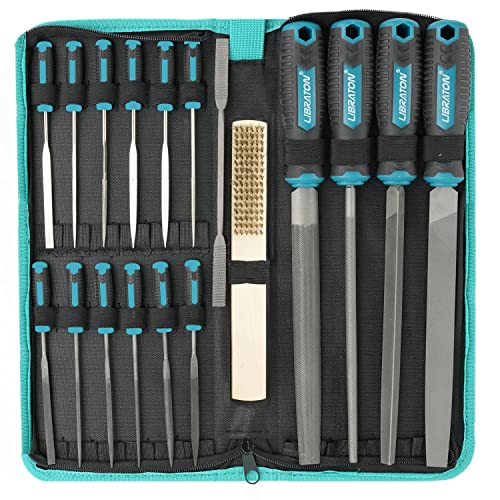
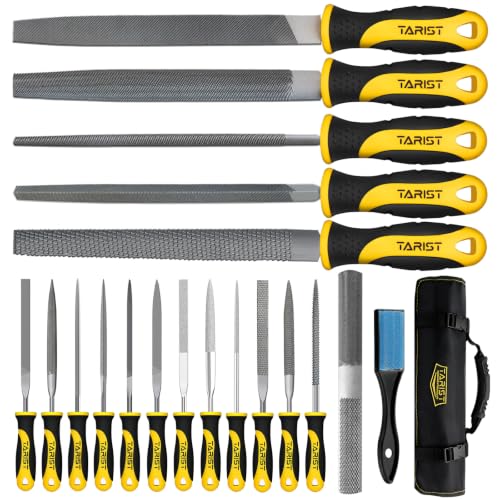
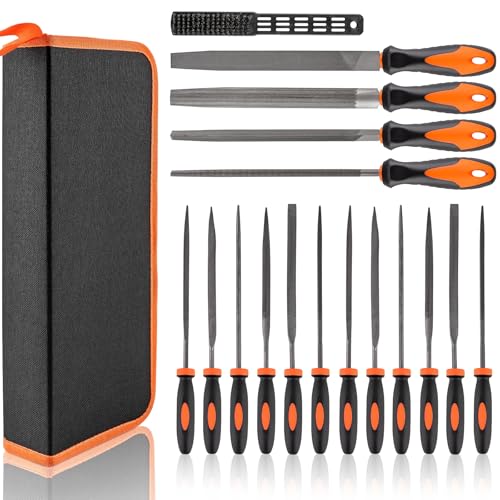
Swiss pattern files are smaller, lighter, and generally tapered, with teeth graded on a finer 00-to-6 numbering scale where 6 is the finest cut available. These are the files jewelers, model makers, and toolmakers reach for when working on small parts, tight corners, or delicate detail work where an American pattern file would simply be too coarse or too large to control. If your projects involve engine parts, tool fitting, or general metalwork, an American pattern set covers most needs. If you are doing jewelry, miniature models, or fine detail finishing, a Swiss pattern needle file set is the better starting point, and many serious hobbyists eventually own a small set of both.
Matching a File Set to the Work You Actually Do
The most common complaint about oversized file sets is that half the pieces never get used. Matching the set to your actual projects avoids that waste.
General metalworking, auto, and shop repair
For deburring welds, smoothing cut edges, or fitting metal parts, you want a compact American pattern set with flat, half-round, round, and triangular shapes in bastard and second cut grades. This is also the kind of toolbox where a good set of files sits alongside other striking and shaping tools; if you are building out a metalworking bench, a solid set of metalworking hammers tends to get just as much use as the files themselves.
Woodworking and rasp-style shaping
Wood calls for a different tooth pattern than metal. A rasp cut, with individual raised teeth rather than continuous ridges, clears wood fiber without clogging as fast as a standard metal-cutting file would. If your projects lean toward furniture or trim work, pair a rasp or two with your usual bench tools; a dedicated carpenter hammer is a natural companion piece for that kind of shop.
Fine detail, jewelry, and model work
Small-scale work on jewelry, miniatures, or intricate model parts calls for a Swiss pattern needle file set with smaller shapes and finer cut numbers. These sets trade material removal speed for precision, which is exactly the tradeoff you want when a single stray stroke can ruin hours of detail work.
Keeping a File Set Cutting Sharp
Files lose their bite for a predictable reason: pinning, where small metal particles wedge between the teeth and drag across your work instead of cutting it. Rubbing ordinary chalk into the teeth before you start creates a light barrier that keeps filings from packing into the gaps as easily. Even with chalk, tap or brush the file every few strokes to knock loose material free before it builds up.
A file card, a small brush with short stiff wire bristles, is the standard tool for clearing pinned particles; run it across the teeth in the direction of the cut rather than against it. For stubborn pins that a file card cannot budge, a scrap piece of soft brass or copper pushed across the teeth will dig out debris without damaging the file's own teeth. Store files separately from other tools so the teeth do not knock against harder metal and dull prematurely, and always wipe or brush a file clean before putting it away.
Frequently Asked Questions
What is the difference between American pattern and Swiss pattern files?
American pattern files are larger, general-purpose files graded bastard, second cut, or smooth. Swiss pattern files are smaller and finer, graded on a 00-to-6 scale, and are built for detail work like jewelry, models, and tight tolerances rather than general shop use.
What is the difference between single cut and double cut files?
A single-cut file has one row of teeth and produces a smoother finish with slower material removal. A double-cut file has two crossing rows of teeth and removes material faster but leaves a rougher surface behind.
What does the cut number on a file mean?
On American pattern files, the cut refers to coarseness grades like bastard, second cut, and smooth, from roughest to finest. On Swiss pattern files, the cut is a number from 00 to 6, with higher numbers meaning finer teeth and a smoother finish.
How many files do you actually need in a starter set?
A practical starting point is four to six files: a flat, half-round, round, and triangular shape in second cut, plus one bastard file for faster material removal. That covers the majority of general shop and hobby tasks without paying for shapes you will rarely touch.
How do you clean a file and stop it from clogging?
Rub chalk into the teeth before use to reduce buildup, then clear debris regularly with a file card brushed in the direction of the teeth. For stubborn particles, push a piece of soft brass across the teeth to dig them out without damaging the file.
Can you use the same file set on both metal and wood?
Standard metal-cutting files can technically touch wood, but they clog quickly with fibers and dull faster than intended. Wood is better served by a rasp-cut file, which has individually raised teeth designed to clear fibrous material instead of packing solid.
Making the Right Call
The best hand file sets have less to do with piece count and more to do with matching shape, cut, and pattern to the work you actually do. A compact American pattern set covers most general shop and repair tasks, a Swiss pattern needle set handles fine detail work, and either one lasts far longer with a little chalk and a file card in regular rotation. Start with the shapes and grades you will genuinely reach for, and build out from there as specific projects demand it.