Best Basement Flooring: What Actually Holds Up Down There
Basements are not like the rest of your house. The floor sits directly on a concrete slab that stays cooler than the air above it, which means condensation, humidity swings, and the occasional plumbing surprise are always part of the equation. Picking the best basement flooring for your space means starting with moisture, not style, and working outward from there. This guide walks through what actually matters when you're comparing options, how the main material categories stack up, what it takes to prep a slab correctly, and roughly what you should expect to spend.
What Actually Matters When Choosing Basement Flooring
Before you fall in love with a look, it helps to know which factors separate flooring that lasts down there from flooring that has to be ripped out in a few years. Taken together, these are the factors that separate the best basement flooring from something you'll be replacing sooner than you'd like.
Moisture and Water Resistance Come First
Concrete slabs can wick moisture up from the ground even when there's no visible leak, and basements are also the first place a burst pipe, sump pump failure, or heavy rain shows up. Flooring that tolerates humidity is not enough on its own. You want something that can survive brief contact with standing water without warping, delaminating, or growing mold underneath it.
Comfort and Insulation Underfoot
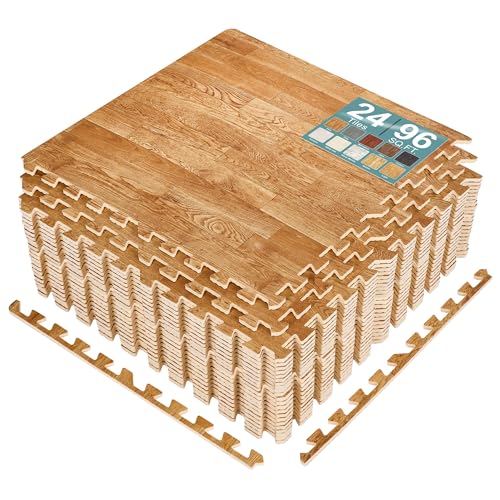
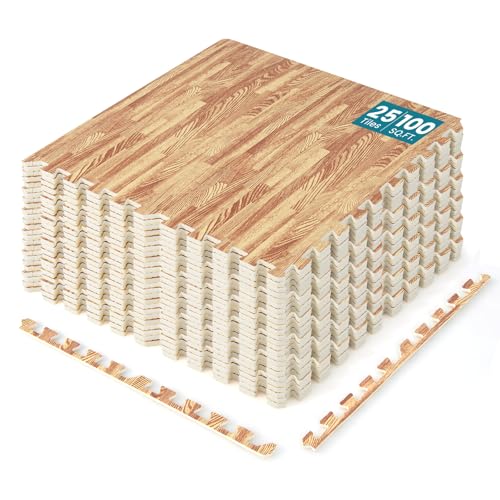
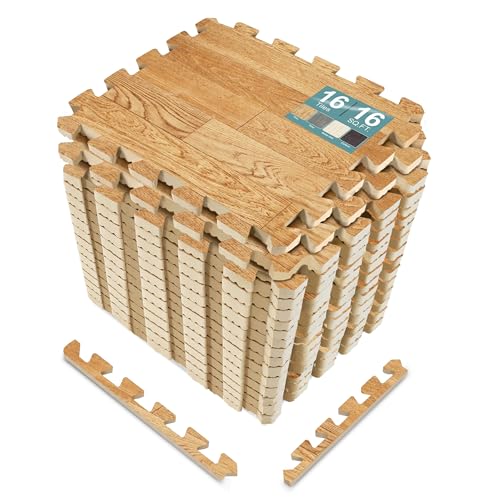
Bare concrete is cold and hard, and that doesn't change just because you've covered it. Some flooring types add a thin cushioned or foam-backed layer that makes a real difference if the space is going to be a playroom, home gym, or somewhere people spend a lot of time standing.
Installation Method and DIY Feasibility
Some products click together over a bare slab in a weekend. Others need adhesive, self-leveling compound, or a licensed installer, which adds both time and cost. If you're managing the project yourself, it's worth checking install difficulty before you fall for a material based on looks alone.
Durability for Foot Traffic and Long-Term Use
A guest room used twice a year has very different demands than a basement gym, laundry room, or rec room that sees daily traffic. Scratch resistance, seam durability, and how a material handles moving furniture all matter more as usage goes up, which is exactly where the best basement flooring choices start to separate themselves from the rest.
Basement Flooring Materials Compared
Most homeowners narrow the search for the best basement flooring down to four realistic categories once moisture resistance rules out the rest.
Luxury Vinyl Plank and Vinyl Tile
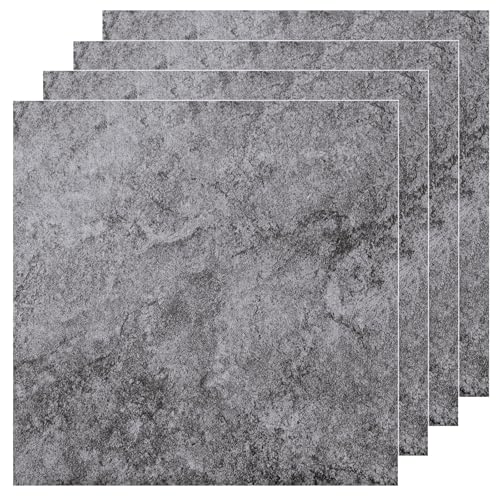
Luxury vinyl plank, often shortened to LVP, is fully waterproof by construction and one of the most commonly recommended options for basements specifically because it tolerates both humidity and occasional standing water without swelling. It can mimic the look of hardwood or stone, installs relatively quickly with click-lock planks, and holds up well to daily foot traffic. The tradeoff is that it can scratch or dent under heavy or sharp furniture legs if you skip protective pads.
Epoxy and Concrete Coatings
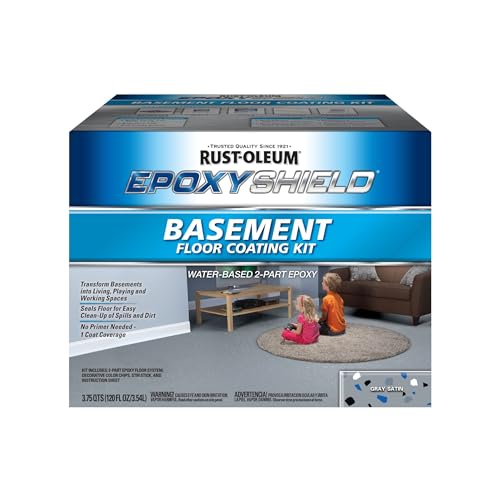
Epoxy coatings go directly onto a properly prepped slab, sealing the concrete itself rather than covering it with a separate material. This makes it one of the more budget-friendly options and extremely durable against moisture, stains, and heavy use, which is why it shows up so often in basement gyms and workshops. The main downside is that the surface stays hard and cold, and any cracks in the underlying slab can eventually show through.
Ceramic and Porcelain Tile
Tile is close to fully waterproof and handles standing water better than almost anything else on this list, which makes it a strong pick for basements with a floor drain, wet bar, or bathroom. Porcelain in particular has a very low water absorption rate compared with ceramic. It's also one of the more expensive and labor-intensive options to install, and like concrete, it stays cold underfoot without an area rug.
Interlocking Floor Tiles
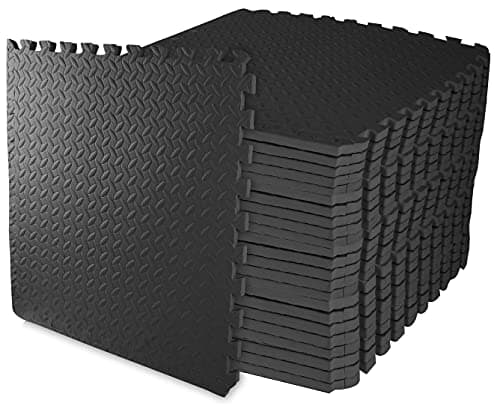
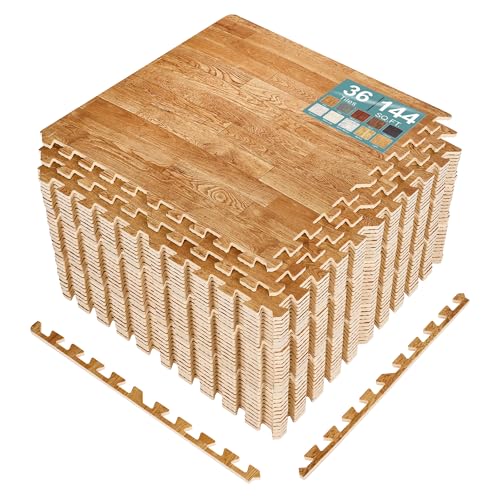
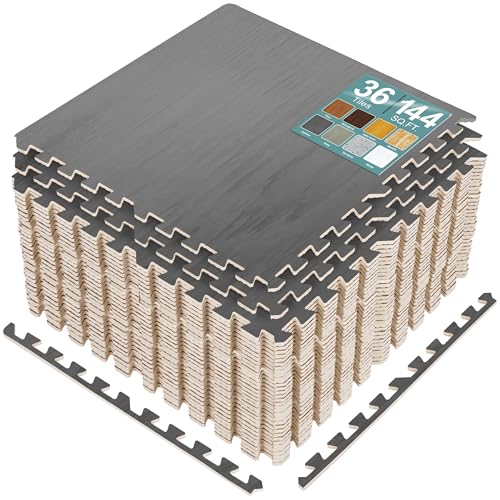
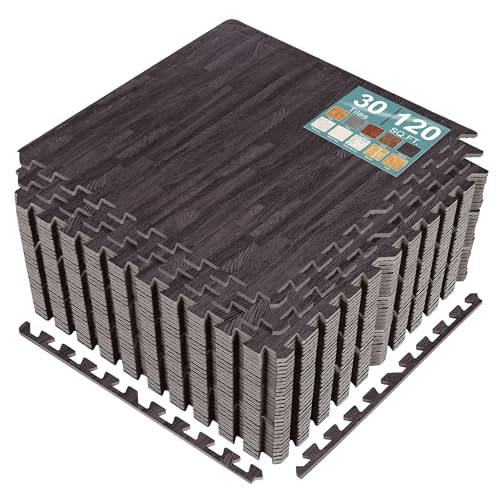
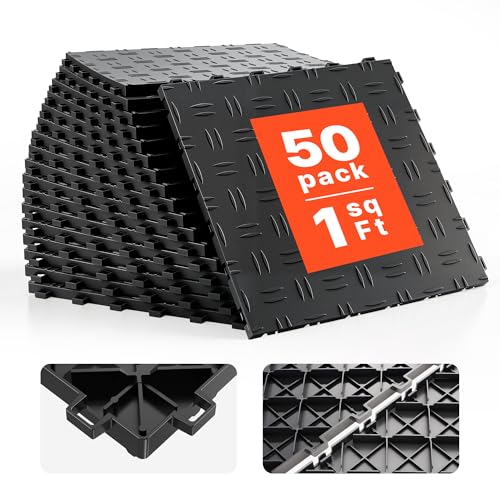
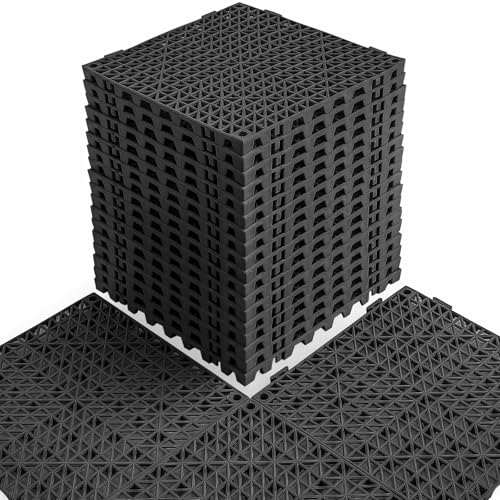
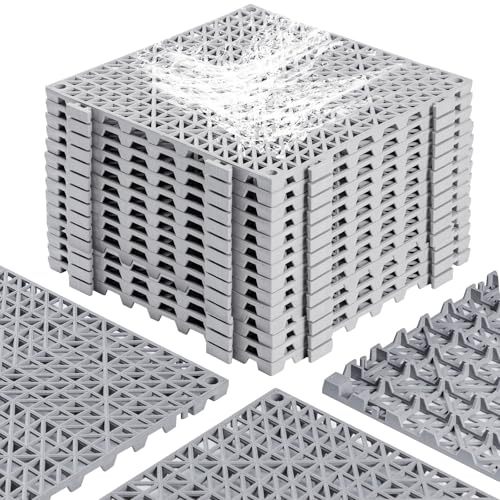
Interlocking basement floor tiles, sometimes called raised or floating subfloor tiles, sit slightly above the slab on a grid base that lets air move underneath. That gap is the whole point: it allows any residual moisture in the concrete to keep evaporating instead of getting trapped against the finished floor. They snap together without adhesive, which makes them one of the more approachable DIY projects, and many systems can be pulled up and reused if you ever remodel.
Materials Worth Avoiding
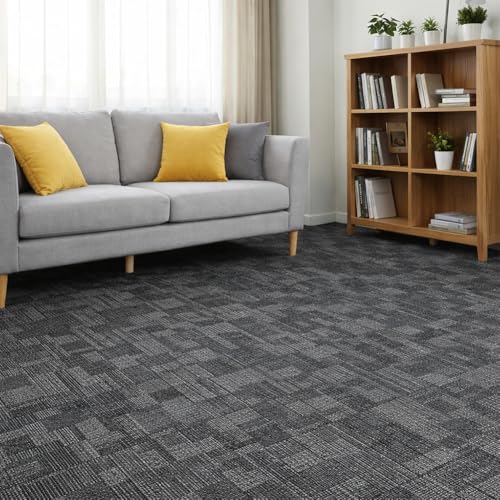
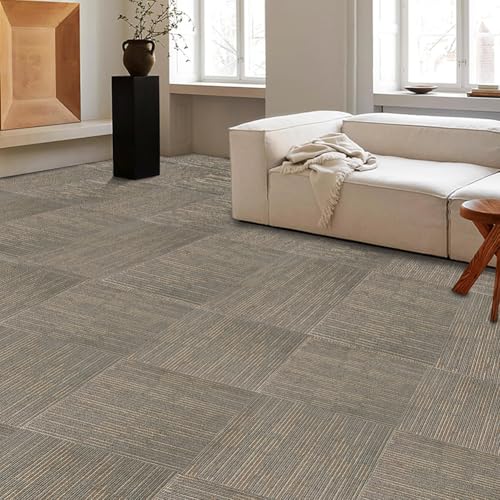
Solid hardwood and standard laminate are both sensitive to humidity and will expand, cup, or buckle in a basement environment over time, even without a flood. Traditional wall-to-wall carpet is also risky on a below-grade slab, since it holds moisture against the floor and can develop mold or mildew before it's visibly damp. If you want the look or feel of either, treat them as a layer over a properly waterproofed subfloor rather than a direct install on bare concrete.
Preparing a Concrete Slab Before You Install Anything
The material you choose matters less than most people expect if the slab underneath isn't prepped correctly first. Even the best basement flooring on the market will fail early on a slab that hasn't been prepped for moisture.
Why Concrete Basements Need a Vapor Barrier
Concrete is porous, and moisture from the surrounding soil can migrate up through it slowly, even in a basement that looks and feels completely dry. A vapor barrier, usually a plastic sheet or a specialized underlayment, blocks that moisture before it reaches your flooring. Skipping this step is one of the most common reasons basement flooring fails early, regardless of how good the material itself is.
Raised Subfloor Systems Explained
Rather than relying on a barrier alone, some products build the gap directly into the flooring. Interlocking tiles and certain engineered subfloor panels sit on a grid or channel base that keeps the finished surface slightly elevated off the slab, giving trapped moisture somewhere to go instead of pooling against your floor. This is especially useful in older homes or basements with a known history of dampness.
Working Around Floor Drains and Walkout Basements
If your basement has a floor drain in the middle of the room, flooring needs to be installed with a slight slope toward it, which usually rules out large rigid tile sections in that specific area. Walkout basements bring their own wrinkle since the exterior door threshold is exposed to outdoor humidity and occasional water intrusion, so it's worth using a fully waterproof material near that entry point even if you choose something else for the rest of the room.
What Basement Flooring Really Costs
Costs vary quite a bit by material and by how much slab prep is needed. Vinyl plank and vinyl tile typically run in the range of a few dollars per square foot installed, making it one of the more affordable fully waterproof choices. Epoxy coatings land in a similar range for materials but can climb depending on the level of surface prep and whether you hire it out. Ceramic and porcelain tile tend to sit at the higher end once labor is included, since it's a slower, more skilled installation. Interlocking tiles are often priced closer to vinyl and are usually the cheapest option to install yourself since no adhesive or professional labor is required.
Beyond the flooring itself, budget for the extras that don't always show up in a per-square-foot quote: a vapor barrier or moisture test, leveling compound for an uneven slab, and running a basement dehumidifier during and after installation to keep humidity in check while everything settles. Skipping that prep work is usually what turns a reasonable flooring budget into a repeat expense a few years later, which is why cost alone shouldn't be the deciding factor when you're comparing the best basement flooring for your project.
Frequently Asked Questions
What is the best flooring for a basement?
There isn't one universal answer, but for most homes, the best basement flooring starting point is luxury vinyl plank because it's fully waterproof, comfortable underfoot, and reasonably priced. Tile and interlocking systems are close runners-up depending on your specific space and budget.
What is the best waterproof flooring for a basement?
Vinyl plank and porcelain tile are both essentially waterproof once installed correctly. Vinyl edges out tile for comfort and installation ease, while tile edges out vinyl for standing water and drain areas.
Do you need a vapor barrier for basement flooring?
In almost every case, yes. Concrete slabs allow moisture to migrate upward even when there's no visible dampness, and a barrier or raised subfloor system protects your flooring investment from failing early.
Can you put vinyl plank flooring directly on concrete in a basement?
Yes, as long as the slab is clean, level, and dry, and ideally paired with a vapor barrier or underlayment rated for below-grade use. Skipping the barrier is the most common cause of early failure.
Is tile or vinyl better for a basement floor?
Tile handles standing water and drain areas slightly better, while vinyl is warmer, more forgiving to install, and less expensive. Many basements end up using tile near wet areas and vinyl everywhere else.
What flooring should you avoid in a basement?
Solid hardwood, standard laminate, and wall-to-wall carpet installed directly on a slab are all risky since they hold or absorb moisture instead of resisting it. Any of these can still work as a secondary layer over a properly waterproofed subfloor.
What is the most durable flooring for a basement?
Epoxy coatings and porcelain tile tend to hold up best under heavy daily use, which is why they're common in basement gyms, workshops, and high-traffic rec rooms.
Making the Right Call for Your Basement
The best basement flooring for your home comes down to how the space gets used, how much moisture risk you're working with, and how much prep you're willing to put in before installation day. Get the vapor barrier and slab prep right first, then choose the material that fits your traffic, comfort, and budget needs. Handled in that order, the flooring you pick should hold up for years instead of becoming a repeat project.