
Best Funny Dish Towels: The Complete Buying Guide
Disclosure: We may earn a commission when you buy through links on this page, at no extra cost to you. As an Amazon Associate I earn from qualifying purchases. Learn more
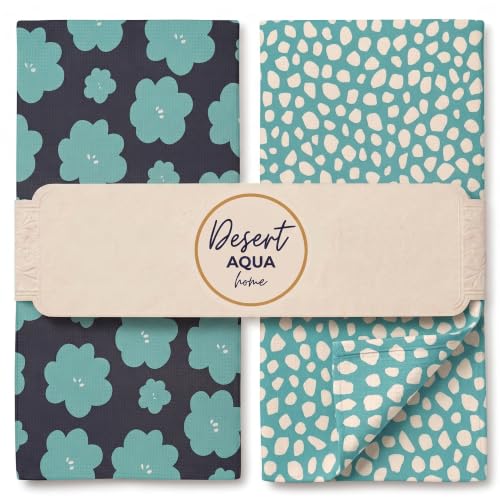
Funny dish towels are an easy impulse buy. They are cheap, they get a laugh in the checkout line, and they seem like a harmless way to add personality to a kitchen. The problem usually shows up a few months later, when the pun on the front has faded into a smudge and the towel itself barely soaks up a spilled cup of coffee. Picking the best funny dish towels means looking past the joke printed on the fabric and paying attention to what is actually holding it up, the material underneath, how the design was applied, and whether the size and construction match something you would reach for every single day. In this guide, you will learn which fabrics hold up at the sink, how the print method affects fading, what size actually works, and how to wash these towels so the joke lasts as long as the cotton does.
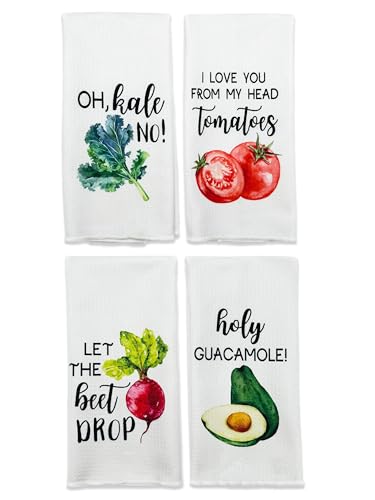

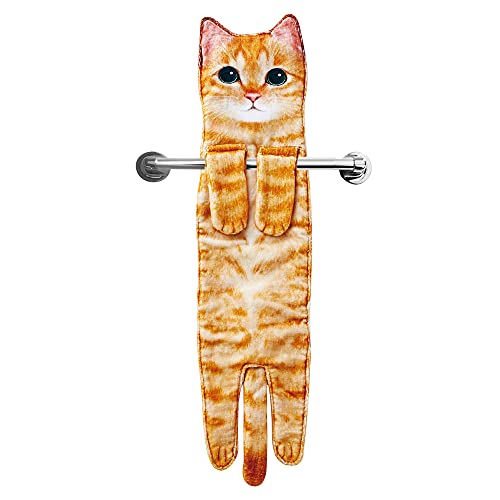
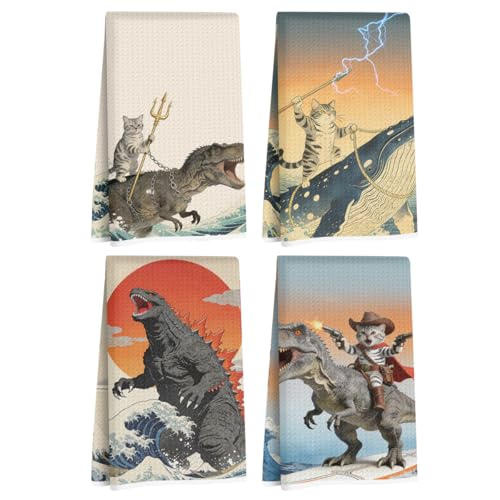


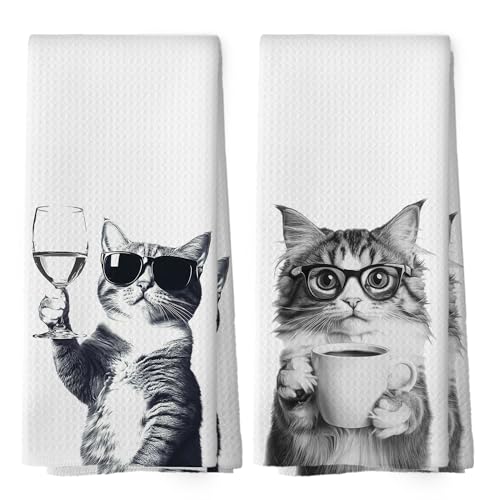
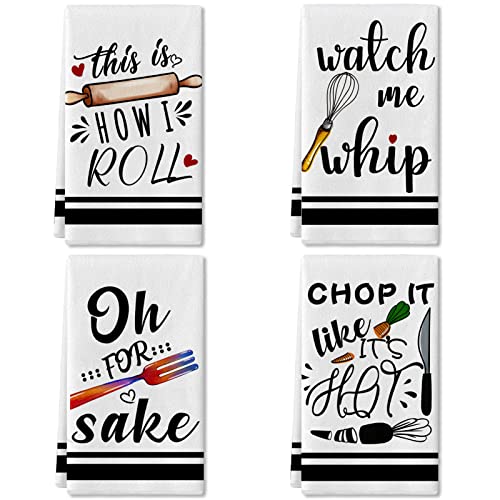
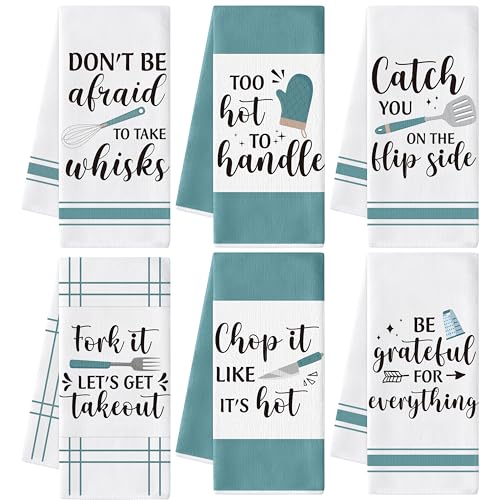
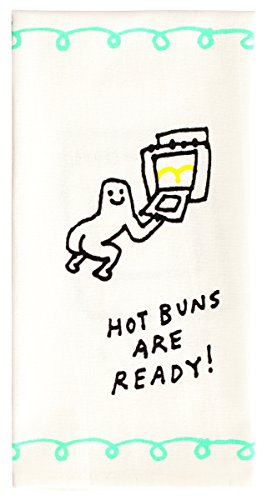
What Makes a Novelty Dish Towel Actually Work in the Kitchen
A funny dish towel still has to do the job of a regular dish towel. That sounds obvious, but it is the single biggest gap between towels that look great in a product photo and ones that end up shoved in a drawer after a week. Before the saying or the graphic even enters the picture, three things separate the best funny dish towels from ones that end up unused.
Fabric and Absorbency Come Before the Punchline
Cotton terry cloth, flour sack cotton, and microfiber are the three materials you will see most often on funny kitchen towels, and they behave differently. Terry cloth has a looped pile that grabs moisture immediately, which makes it feel absorbent right out of the package. Flour sack cotton is a thinner, flat weave that needs a few washes to loosen up and reach full absorbency, but it tends to outlast terry cloth over time since the loops in terry eventually flatten and lose grip. Microfiber dries fast and resists odor, though it can leave streaks on glass if it is not a kitchen-grade weave. None of this shows up in a listing photo, so it is worth reading the material description closely rather than judging a towel by the graphic alone.
How the Design Is Printed Affects How Long the Joke Lasts
Printed sayings and graphics fail in one of two ways: the ink cracks and peels, or the colors fade to a blurry gray after repeated washing. Designs that are dyed or woven into the fabric, rather than stamped on top of it, hold up far better over time because there is no surface layer to wear away. Surface prints can still last a long time, but they are more sensitive to hot water, high heat drying, and harsh detergent. If a listing does not describe how the design is applied, that is worth treating as a small warning sign rather than assuming the best.
Lint-Free Performance Matters More Than It Looks Like It Would
Dish towels do more than dry hands. They dry glassware, wipe down counters, and sometimes double as a makeshift pot holder. A towel that leaves lint behind on wine glasses or stemware is frustrating no matter how funny the saying on it is. Flour sack cotton is generally the most lint-free option, which is part of why it shows up so often in kitchen towels marketed as multi-purpose rather than purely decorative.
Getting the Size Right for a Towel You Will Actually Use
Novelty towels are sometimes sized more like a hand towel than a true dish towel, which is fine for hanging on a hook as decor but frustrating if you actually want to dry a stockpot with it. A standard kitchen towel typically falls somewhere between 15 by 25 inches and 18 by 28 inches, with some running as large as 20 by 30 inches for extra coverage. Smaller dishcloths, closer to 12 by 12 inches, are meant for wiping and scrubbing rather than drying, so they are a different product entirely even though listings sometimes blur the line between the two.
If a towel is going to live near the stove and get real daily use, sizing toward the larger end of that range gives you more surface area for drying pans and less need to grab a second towel mid-task. This is one of the easiest ways to tell the best funny dish towels apart from ones that are really just decorative. If it is meant mainly as a decorative piece, perhaps hanging on a dedicated kitchen towel hook by the sink, a smaller size is less of an issue since it will not be doing heavy daily work.
Washing Funny Dish Towels Without Losing the Joke
The saying is usually the reason someone buys a novelty towel in the first place, so it is worth protecting it on purpose rather than tossing it in with a regular hot wash. Cold or warm water on a gentle cycle is easier on both the fabric and the print than hot water, which accelerates fading and can cause certain inks to crack faster. Turning the towel inside out before washing keeps the printed side away from friction against zippers, buttons, or other rough fabric in the same load.
Skip fabric softener on these towels specifically. It coats the fibers with a residue that actually reduces absorbency over time, which defeats the point of a towel that is supposed to be functional as well as funny. A mild, color-safe detergent does a better job of keeping both the fabric and the printed design intact wash after wash, which is a big part of what separates the best funny dish towels from ones that look worn out after a month. Air drying, or using a low heat setting if a dryer is necessary, also goes a long way toward keeping a printed design from cracking, since high heat is one of the fastest ways to shorten a print's life.
Between washes, a towel that stays damp and bunched up will develop a musty smell faster than one that gets to dry out flat or spread over a bar. Storage matters almost as much as the wash cycle itself, so give the towel somewhere it can actually air out between uses rather than leaving it balled up on the counter.
Buying a Set vs a Single Funny Towel
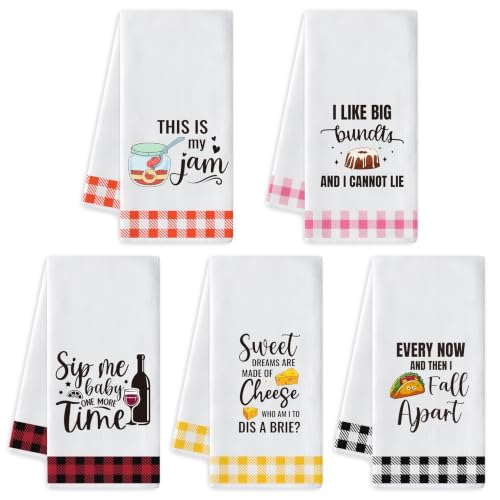
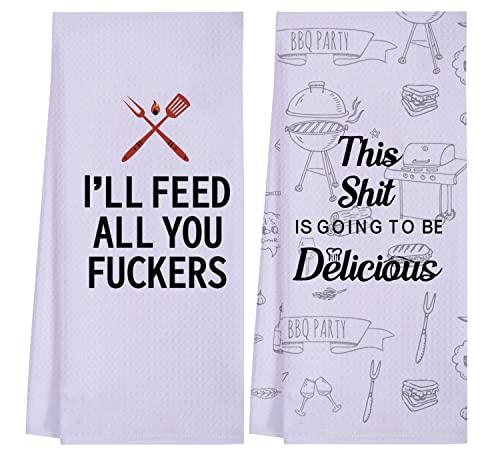
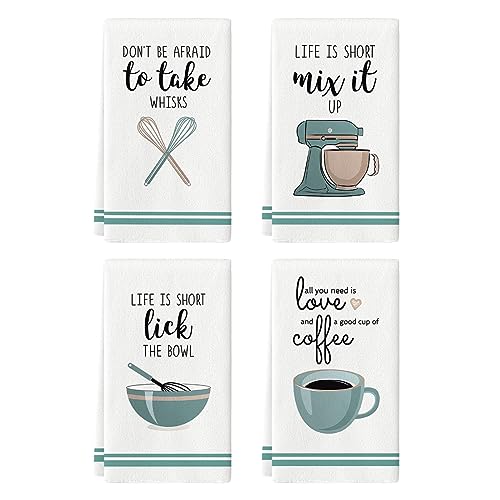
Funny dish towels are frequently sold in sets of two to four, each with a different saying or graphic, and that format has real advantages beyond just getting more towels for the money. A set gives you variety for gifting, since not everyone will find the same joke funny, and it means you are not stuck using the same towel every single day if one gets stained or worn out first.
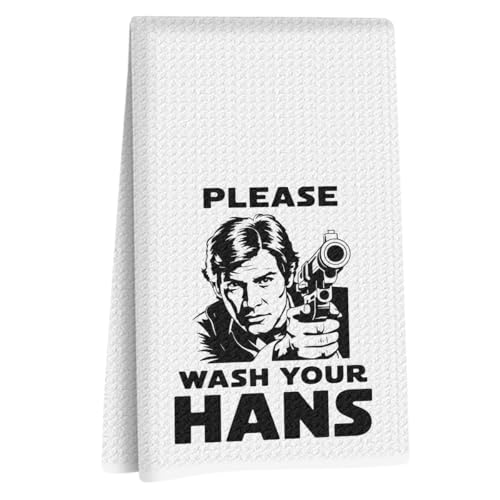
The tradeoff worth watching for is that some sets include one noticeably thinner towel that feels more like filler than a true match to the others. Reading the material description for each towel in a set, not just the set as a whole, helps avoid ending up with three great towels and one that falls apart after a month. A single towel makes more sense as a small, low-commitment gift or a one-off purchase for someone with a specific sense of humor, while a set is generally the better value if the towels are actually going to see daily use in a kitchen. Shoppers looking for the best funny dish towels as a gift tend to lean toward sets for exactly this reason.
If durability and lint-free performance matter as much as the design does, it can help to compare a novelty set against a plain, unpaneled set of everyday kitchen dishcloths to get a feel for what baseline fabric quality should cost before deciding whether the novelty version is priced fairly for what it delivers.
Frequently Asked Questions
Do funny dish towels actually dry dishes well?
It depends entirely on the fabric, not the design. A funny towel made from flour sack cotton or a quality cotton terry blend dries dishes just as well as a plain one. The saying or graphic printed on top has no effect on absorbency, so judge the material the same way you would judge any other kitchen towel.
Will the funny sayings fade in the wash?
Most prints will fade somewhat over many washes, but the rate depends on how the design was applied and how the towel is washed. Cold water, a gentle cycle, and skipping the dryer's high heat setting all slow down fading noticeably compared to routine hot washing and machine drying.
What is the best material for a dish towel?
Flour sack cotton tends to offer the best overall balance of absorbency, lint-free performance, and durability over time. Cotton terry cloth feels more absorbent immediately but can flatten and lose effectiveness faster. Microfiber dries quickly but is better suited to counters than glassware unless it is a kitchen-specific weave.
What size should a kitchen dish towel be?
Most standard dish towels fall between 15 by 25 inches and 18 by 28 inches, with larger 20 by 30 inch options available for heavier daily use. Smaller 12 by 12 inch cloths are meant for wiping and scrubbing rather than drying.
Can you put printed dish towels in the dryer?
Yes, but low heat is safer for the print than a high heat setting. Air drying is the gentlest option if you want the design to last as long as possible, especially on towels with a surface print rather than a woven-in design.
Are funny dish towels a good gift?
They work well for housewarmings, hostess gifts, and casual birthdays, especially sold as a set with a few different sayings. Checking the material quality before buying helps ensure the gift is something the recipient will actually use rather than just display once.
Do dish towels need a hanging loop?
A hanging loop is not required, but it makes a real difference for everyday convenience, especially if the towel will hang on a hook near the sink instead of getting draped over an oven handle. It also helps the towel dry flatter between uses, which cuts down on musty odors.
Making Your Decision
The best funny dish towels earn their spot by working as a real kitchen towel first and a conversation piece second. Prioritize the fabric and how the design was printed, get the size right for how you actually plan to use it, and wash it with a bit of care so the joke lasts as long as the towel does. Get those basics right, and the towel you pick will hold up well past the first laugh it gets.