Best Foldable Drone: A Complete Buying Guide to Portable Design
Disclosure: We may earn a commission when you buy through links on this page, at no extra cost to you. As an Amazon Associate I earn from qualifying purchases. Learn more
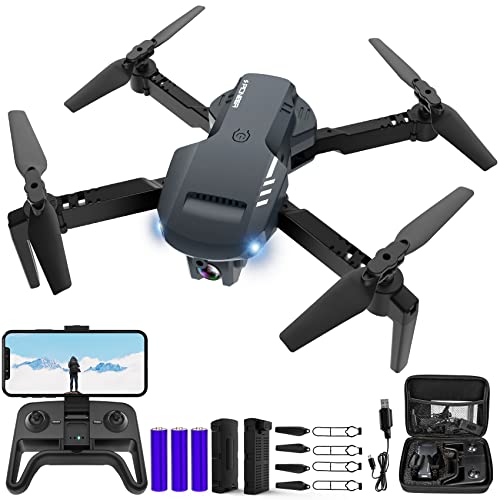
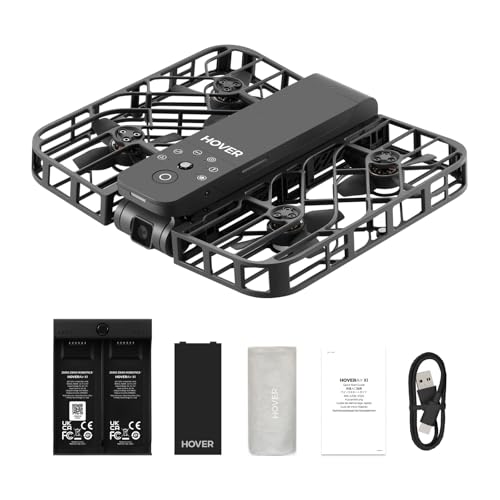
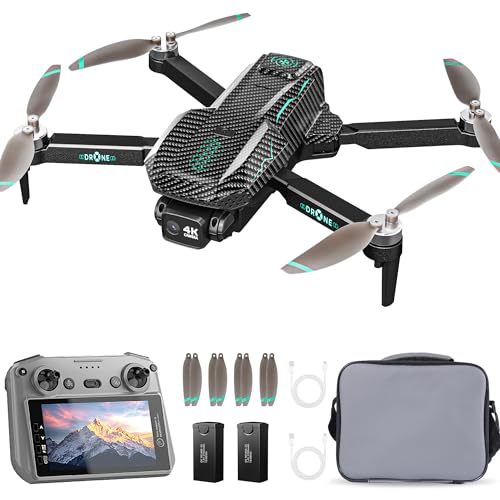
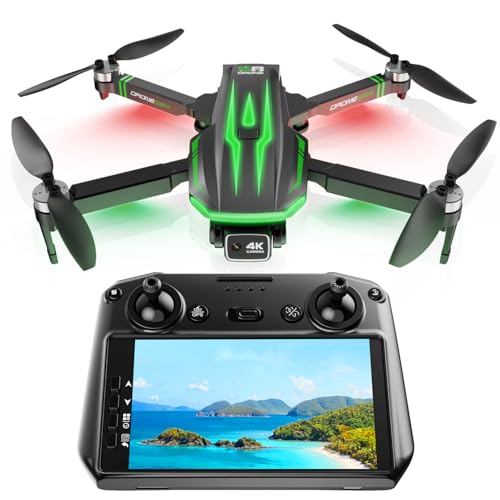
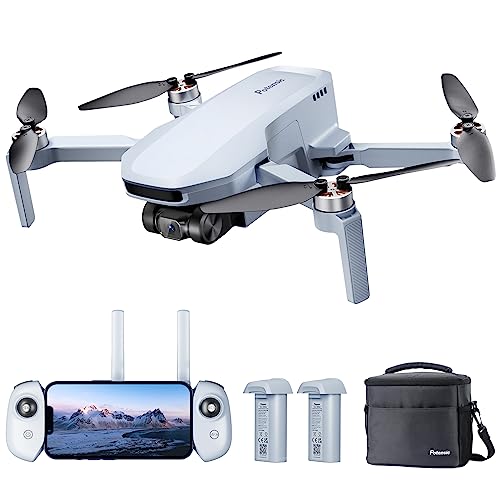
Shopping for the best foldable drone comes down to one question that has nothing to do with camera specs or flight time: how well does the airframe collapse, travel, and spring back into shape without wearing out? A folding arm design changes the whole ownership experience, from what bag you can carry it in to how much abuse the joints can take before they get sloppy. This guide skips the usual price-tier breakdown and focuses purely on the mechanics of portability: hinge types, folded dimensions, packing habits, and who actually gains something from a collapsible frame versus a fixed one. If you travel often, hike to your flying spots, or just want something that disappears into a daypack, the fold mechanism deserves as much scrutiny as the sensor.
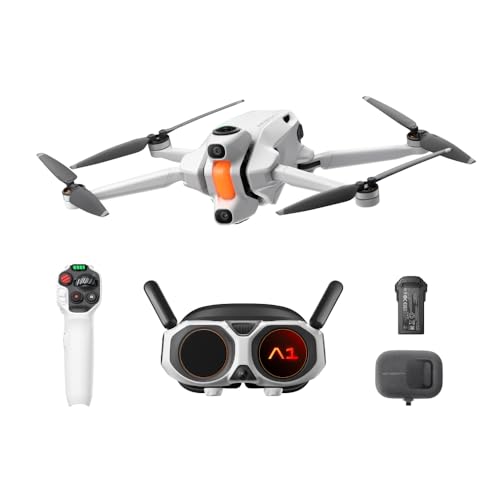
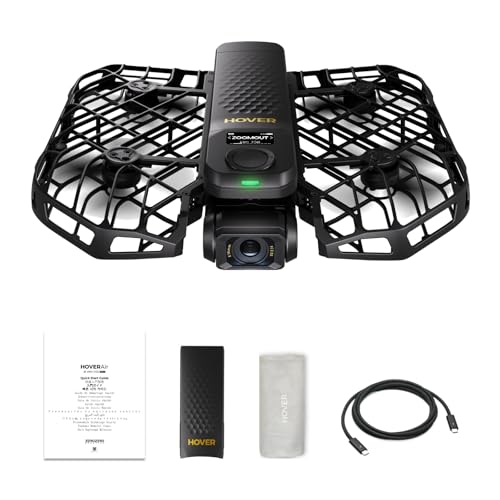
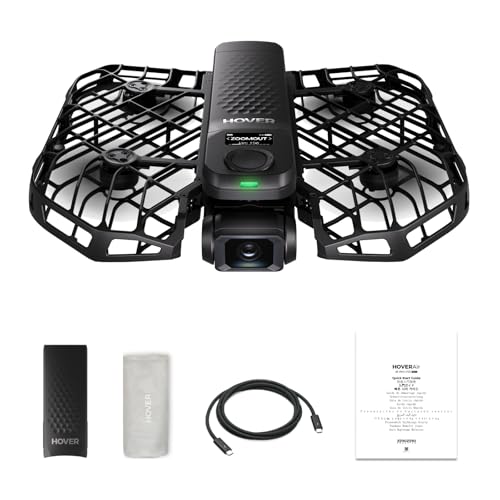
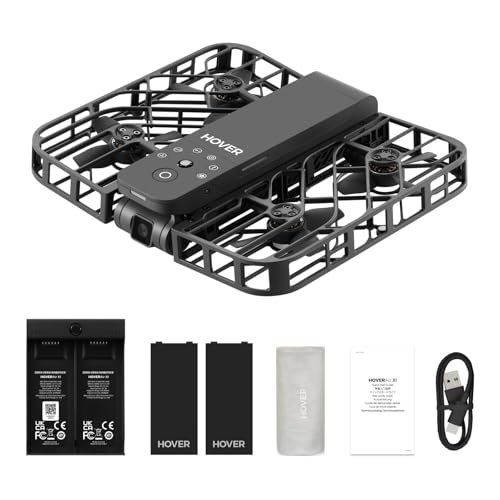
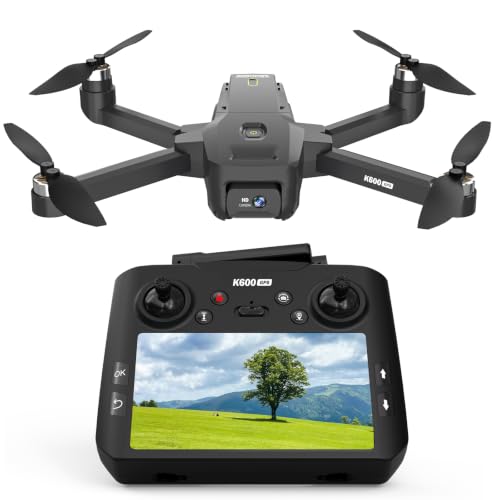
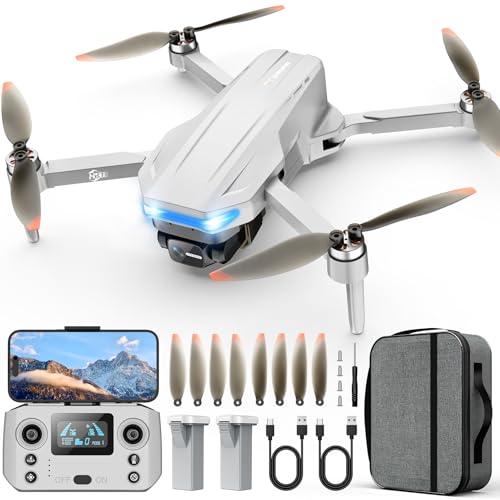
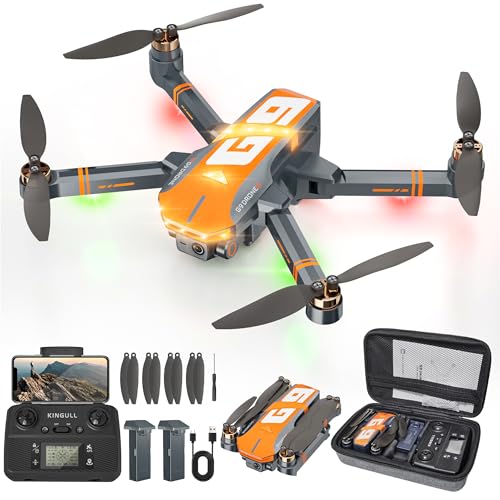
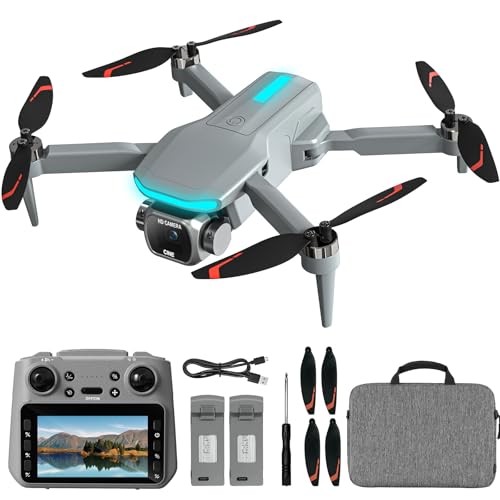
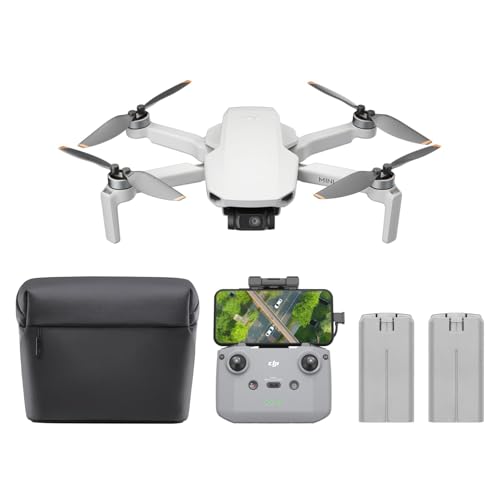
Judging Fold Mechanism Quality Before You Buy
Not all folding arms are built the same, and the difference shows up after a few months of use, not on day one. Pay attention to how the arms pivot, how snugly they lock into flight position, and how much slop develops over repeated cycles.
Hinge type and pivot count
Some frames use a single pivot per arm that swings flat in one motion. It is fast to deploy and light, since there is less hardware at each joint. Others use a two-axis hinge with a pair of pins, which tends to resist twisting and holds tighter tolerances, at the cost of a slightly heavier arm and a fiddlier fold-out routine. Neither is objectively better; a single-pivot arm suits someone who wants speed, while a dual-pin hinge suits someone who flies often enough that long-term rigidity matters more than a few seconds of setup time.
Folded size versus flight-ready size
Two drones can share a folded footprint on a spec sheet and still pack very differently once you account for the gimbal guard, the controller, and spare batteries. Measure the folded unit against the actual pocket or case compartment you plan to use it in, not just the number printed in a listing.
Arm locks and detents
A confident click or a spring-loaded detent when an arm reaches flight position is a good sign. Arms that flop loosely or need to be held in place while you power on are a red flag for both a rougher flight and faster hinge wear.
Why a Folding Frame Changes How You Travel
The whole appeal of a collapsible frame is that it removes the need to plan your trip around the drone. A fixed-arm quadcopter usually forces you into a dedicated hard case, which means checked luggage, extra weight, and one more bulky item to track through security. A folded drone, by contrast, can often ride in a daypack side pocket or a padded sleeve inside a laptop bag.
That matters most for carry-on travel. Airlines require spare lithium batteries to stay in the cabin, so anyone flying with a drone is already carrying it on board regardless of the frame style. A compact fold just means that requirement does not force you to buy a separate bag. It also means less friction hiking to a viewpoint, biking to a launch spot, or squeezing the whole kit into an already-full suitcase alongside everything else for the trip.
Folded dimensions alone do not tell the whole story, though. A drone that folds small but still needs a rigid case for peace of mind has not actually solved the packing problem; it has just moved it. The real test is whether you would trust the airframe loose in a padded pocket, without a hard shell around it.
Foldable Arms Versus Fixed Frames: The Real Trade-Off
A fixed-arm drone has no hinges to wear out, no detents to loosen, and no risk of an arm folding mid-flight from a bad lock. That mechanical simplicity is a genuine advantage for anyone who flies the same rig hundreds of times a year and cares more about consistency than portability.
This is really the core question behind picking the best foldable drone for your situation: how much mechanical simplicity are you willing to trade for a smaller footprint. Every hinge is a wear point, and wear points eventually loosen, especially on units that get folded and unfolded daily rather than occasionally. That is not a reason to avoid foldable designs; it is a reason to treat the fold cycle like any other mechanical part, something to inspect before each flight rather than assume will last forever untouched. Over a normal lifespan, a well-built folding arm will outlast the battery packs anyway, so the trade-off matters less than it sounds for casual flyers.
Anyone deciding between a compact travel companion and a sturdier fixed-arm model with more room for a larger sensor should weigh flight frequency and storage constraints, similar to the way buyers comparing higher-end prosumer models weigh payload against portability.
Who Actually Benefits From a Folding Design
Foldability is not a universal upgrade; it solves a specific problem, and if that problem does not apply to you, a fixed frame may serve you just as well for less money.
Hikers, backpackers, and frequent flyers get the clearest benefit. For them, every gram and every cubic inch in a pack matters, and a drone that folds down to the size of a water bottle is the difference between bringing it and leaving it home. Travel photographers and vloggers who move between locations several times a day also benefit, since a quick fold-and-stash routine keeps the gear ready without slowing down a shoot.
Backyard flyers and hobbyists who launch from the same spot every weekend gain much less from a folding frame. If the drone lives in a garage or a dedicated shelf between flights, the case it sits in matters more than how small it collapses. In that scenario, a rigid frame with fewer moving parts and a bit more structural stiffness can be the more practical, lower-maintenance choice. It is worth being honest about which category actually describes your flying habits before paying extra for a fold mechanism you rarely use.
Packing and Protecting a Folded Drone
A folding arm reduces bulk, but it does not eliminate the need for real protection during transit. Treat the folded unit the way you would treat any precision instrument going into a bag.
Case padding
A soft sleeve is fine for a quick trip across town, but for flights, hikes, or checked bags going into a larger backpack, a case with shaped foam or dense padding around the gimbal and camera housing is worth the extra bulk. The gimbal is almost always the most fragile part of the whole airframe, foldable or not.
Propeller removal and storage
Even quick-release propellers benefit from being popped off before a folded drone goes into a bag. Loose blades against fabric or other gear can chip or warp over repeated trips. A small labeled pouch or a dedicated slot in the case keeps them together and prevents them from catching on straps or zippers.
Battery handling
Batteries should travel separately from the airframe whenever possible, ideally in a fireproof pouch with the terminals covered. This is standard airline guidance for lithium batteries generally, and it also keeps a stray battery from pressing against the folded arms and stressing a hinge that is not designed to bear extra load. Anyone shopping around the entry-level price range should expect thinner batteries with a similar need for careful handling.
Frequently Asked Questions
Do folding arms wear out faster than fixed arms?
Yes, over enough cycles, but "faster" is relative. A well-built hinge folded a few times a week can last years. Daily folding under rough handling is what actually accelerates wear, not the mechanism itself.
Is a foldable design worth it if I mostly fly from one spot?
Probably not as a top priority. If storage space and case size are not real constraints for you, a fixed frame with fewer moving parts may serve you better and need less upkeep.
Can a folded drone go in a regular backpack instead of a hard case?
Often yes, as long as the compartment has some padding and the gimbal is protected. A dedicated pocket or insert is safer than tossing it loose among other gear.
Should propellers stay attached during travel?
Removing them is generally the safer habit. Loose blades against other items in a bag are prone to chips and warping, and reattaching them takes only a few seconds before flight.
Do airlines treat foldable drones differently from fixed-frame ones?
No, airline rules focus on the lithium batteries, not the airframe shape. A compact fold just makes it easier to meet carry-on size limits with everything packed together.
How can I tell if a hinge has started to wear out?
Watch for arms that no longer click firmly into place, noticeable side-to-side play at the joint, or a folded position that no longer sits flush. Any of those is a sign to inspect the hardware before the next flight.
Does a smaller folded size always mean better portability?
Not by itself. Folded dimensions matter less if the drone still needs a bulky rigid case for protection. Weigh the total travel footprint, case included, rather than the airframe measurement alone.
Choosing the Fold That Fits Your Routine
The right folding drone is less about the smallest folded size on paper and more about matching the hinge design, case setup, and packing habits to how often you actually fly away from home. Someone who travels weekly needs a different balance of durability and compactness than someone flying casually from a backyard. Judge the fold mechanism the way you would judge any other mechanical part, on how it holds up over real use, not just how neatly it collapses in a photo. Get that balance right and the best foldable drone for you is simply the one whose fold you never have to think twice about.