Best Drone Under $2000: A Complete Buying Guide
Disclosure: We may earn a commission when you buy through links on this page, at no extra cost to you. As an Amazon Associate I earn from qualifying purchases. Learn more
Shopping for the best drone under $2000? Compare sensor size, obstacle avoidance, and flight time before you invest in a prosumer drone.
Shopping for the best drone under $2000 puts you in a different category than casual flying. This price tier is where camera sensors get genuinely larger, obstacle avoidance systems become reliable rather than gimmicky, and transmission range stretches far enough for real commercial or serious creative work. You're no longer choosing between "fun toy" and "capable tool," you're choosing which professional-grade features matter most for how you shoot. That means weighing sensor size against portability, battery life against payload, and software polish against raw flight performance. This guide breaks down what actually separates a prosumer drone from an entry-level one, who this budget genuinely makes sense for, and what ongoing costs and rules come with flying at this level.
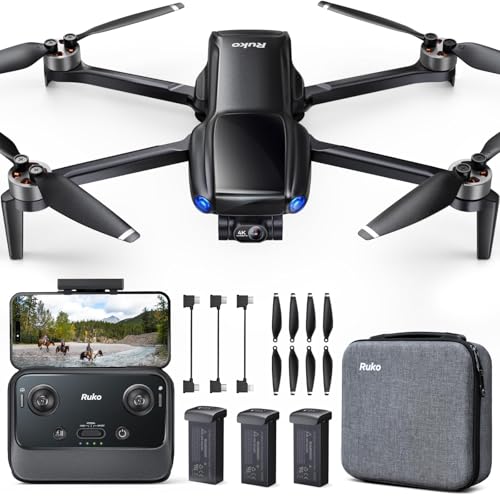
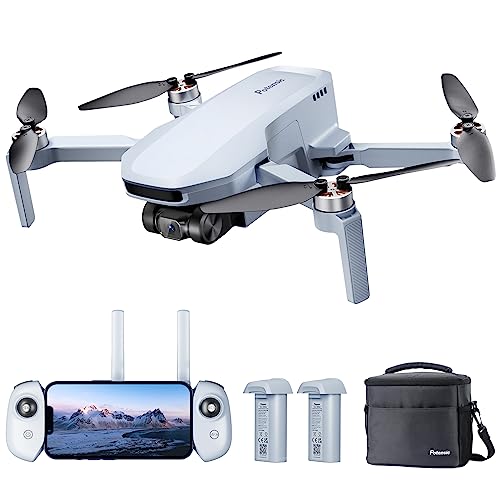
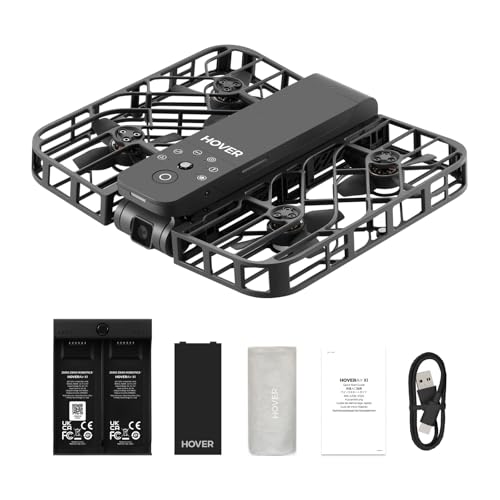
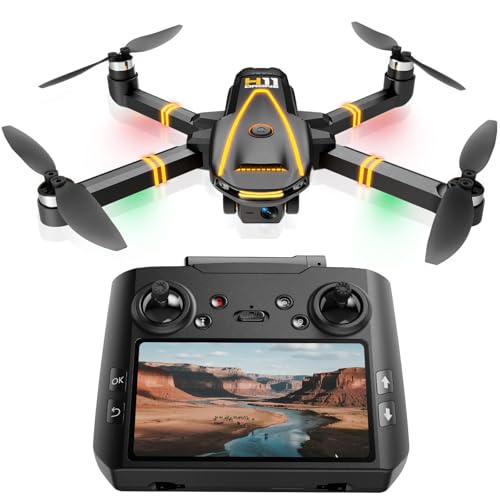
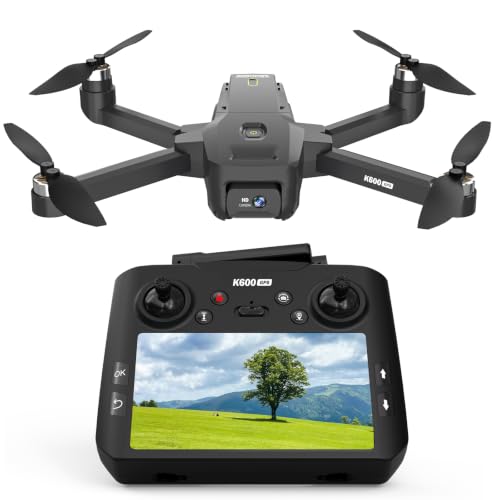
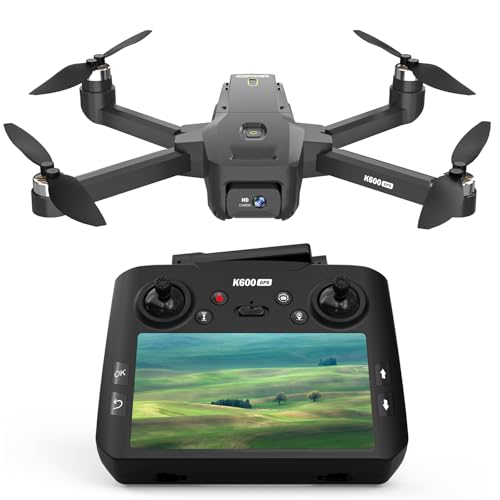
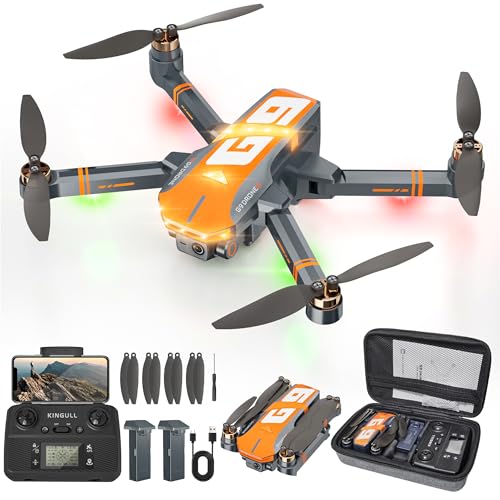
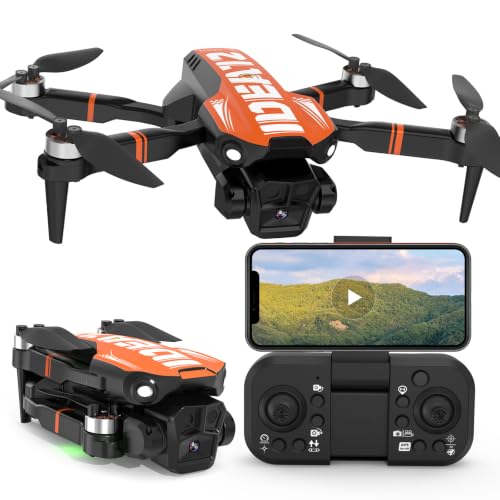

Camera Sensors and Flight Performance That Justify the Price
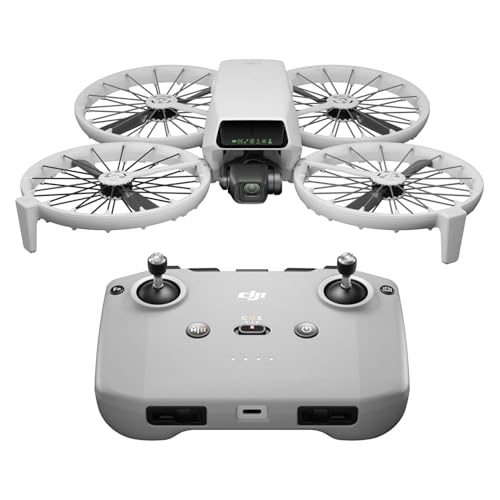
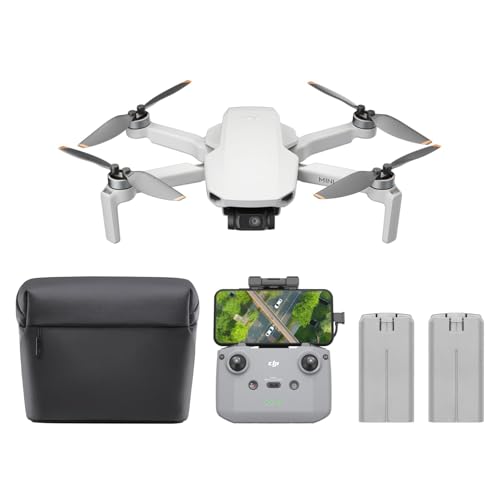
At this budget, the camera stops being an afterthought and becomes the main event. Most drones in this range use a 1-inch sensor or larger, which gathers noticeably more light than the small sensors found on cheaper models. That translates directly into cleaner shadows, better dynamic range, and footage that holds up when you grade it in post-production rather than falling apart.
Obstacle Avoidance Worth Trusting
Cheaper drones often bolt on a single forward sensor and call it obstacle avoidance. Drones in this tier typically use omnidirectional sensing, cameras or infrared units covering front, back, sides, top, and bottom, so the aircraft can react to obstacles from nearly any angle. That matters when you're flying close to buildings, trees, or subjects for a shot.
Range and Flight Time
Transmission systems at this level are built for distance and reliability, often holding a stable signal for several miles in open conditions, well beyond what visual line of sight rules actually permit but useful for signal headroom. Flight time typically lands between 30 and 45 minutes per battery, which gives you meaningfully more usable air time per outing than a budget model.
What This Budget Unlocks That Cheaper Drones Can't Match
The jump from an entry-level drone to this price range isn't just about specs on paper, it changes what you can actually deliver as a finished product. Low-light performance is one of the clearest differences. Larger sensors and better processing let these drones handle dusk, dawn, and indoor-adjacent shoots without the grainy, muddy footage that smaller sensors produce once the sun drops.
RAW photo capture is another meaningful step up. Instead of being locked into a compressed JPEG straight off the drone, you get uncompressed files with far more room to adjust exposure, white balance, and color after the fact. Combine that with adjustable aperture on some models and you get creative control that simply isn't available on cheaper hardware. If you've been flying something in the entry-level price bracket, the difference in editing flexibility alone is often the reason people upgrade.
Battery life and build quality round out the gap. Cheaper plastic bodies flex and creak in wind; drones in this tier use sturdier materials and more advanced flight controllers that handle gusts and altitude changes with less drama, which matters a lot once you're flying in real-world conditions instead of a calm backyard.
Who This Price Tier Actually Makes Sense For
This isn't a casual weekend purchase, and it shouldn't be treated like one. Serious hobbyist photographers and videographers who already understand composition, exposure, and editing get the most out of this gear, since the hardware finally keeps up with their skills instead of holding them back.
Real estate agents, small production companies, and freelance videographers doing paid aerial work also land squarely in this category. The image quality and reliability at this level are good enough to sell to clients, which is a meaningfully different bar than shooting for your own enjoyment. If your flying so far has been occasional trips to the park with an entry-level model, it's worth being honest about whether you'll actually use the extra capability before spending this much.
Casual flyers who mostly want aerial selfies or vacation clips rarely need what this tier offers. You'd be paying for obstacle avoidance systems, RAW capture, and extended range you won't use, when a far cheaper drone would cover the same casual use case just fine. If that sounds like you, shopping for the best drone under $2000 probably isn't the right move yet.
Registration, Remote ID, and Rules You Need to Follow
Registration Requirements
Any drone weighing 250 grams or more, which includes virtually every drone in this price range, must be registered with the FAA before it flies outdoors. This is a takeoff weight rule, so if accessories push a lighter aircraft over that threshold, registration still applies.
Remote ID
Drones at this weight and price point are required to broadcast Remote ID, essentially a digital license plate that transmits identification and location information while the aircraft is airborne. Nearly every drone sold in this tier ships with this built in, so compliance is largely automatic once you register.
No-Fly Zones and Airspace
Check airspace restrictions before every flight, especially near airports, stadiums, and government facilities. Many of these drones include built-in geofencing that warns you or restricts takeoff in controlled airspace, but you're still responsible for knowing the rules in your area and requesting authorization when needed.
Batteries, Filters, and What Ownership Actually Costs
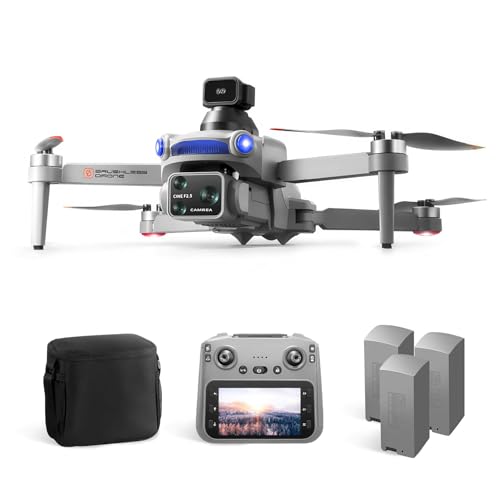
The drone itself is only part of the budget. Extra batteries are close to essential, since a single 30 to 45 minute charge won't get you through a full shoot day, and having two or three on hand lets you keep flying while others recharge.
ND filters are another near-mandatory accessory for anyone shooting video. They cut down the amount of light hitting the sensor, letting you keep a proper shutter speed for smooth, natural-looking motion instead of the jittery look that comes from shooting without one in bright daylight.
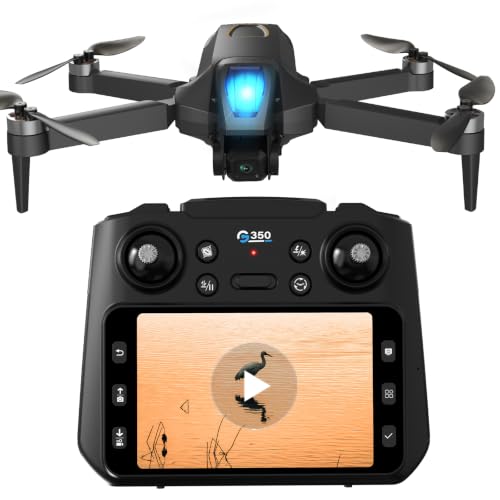
A controller with a built-in screen is worth considering too. It removes your dependence on a phone, avoids notification interruptions mid-flight, and generally gives a brighter, more reliable view of your shot in direct sunlight. None of these add-ons are cheap individually, so factor them into your total budget rather than assuming the drone price is the whole story.
Frequently Asked Questions
Do I need a license to fly a drone in this price range?
For recreational flying you need FAA registration and must pass the TRUST test, a free online safety course. Commercial use, including paid photography, requires a Part 107 remote pilot certificate instead.
Is a 1-inch sensor really worth the upgrade over a smaller one?
Yes, for most serious use cases. Larger sensors gather more light, which noticeably improves low-light footage, dynamic range, and how well the image holds up when you edit it afterward.
How much should I budget for accessories beyond the drone?
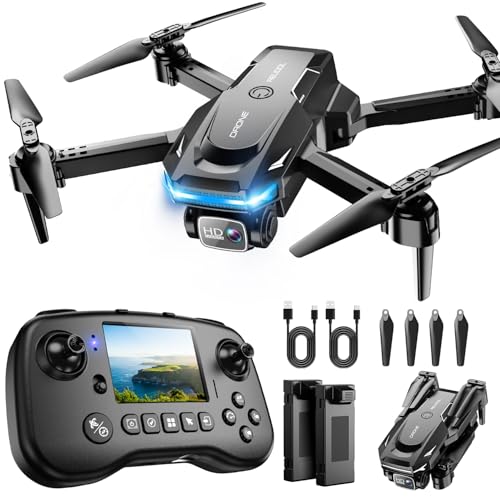
Plan on extra batteries, ND filters, a hard case, and possibly a smart controller. These aren't optional luxuries for serious use, they're closer to standard equipment for anyone shooting professionally.
Can obstacle avoidance replace careful flying?
No. It's a safety net for unexpected obstacles, not a substitute for line of sight, situational awareness, and respecting your own piloting limits, especially in tight or crowded spaces.
What's the practical flight time I should expect per battery?
Most drones in this tier run 30 to 45 minutes per battery under ideal conditions. Wind, cold temperatures, and aggressive maneuvering will shorten that in practice.
Do these drones work well for both photo and video work?
Generally yes. The larger sensors and RAW capture that benefit photographers also translate into cleaner, more gradeable video footage, which is part of why this tier suits hybrid shooters so well.
Is this price range overkill if I only fly occasionally?
Likely yes. If you're not shooting for clients or pushing creative limits regularly, a mid-range drone will cover casual use without paying for capability that sits unused.
Getting the Most Out of a Prosumer-Tier Drone
The right choice in this category comes down to matching real capability to how you'll actually use it, not chasing every spec on a comparison chart. Prioritize the sensor size, range, and battery life that fit your typical shoots, then budget honestly for the accessories that make the drone usable day to day. Get that balance right and the best drone under $2000 for your needs delivers genuinely professional results rather than just a more expensive toy.