
Best File Folders: A Complete Buying Guide for Home Filing
Disclosure: We may earn a commission when you buy through links on this page, at no extra cost to you. As an Amazon Associate I earn from qualifying purchases. Learn more
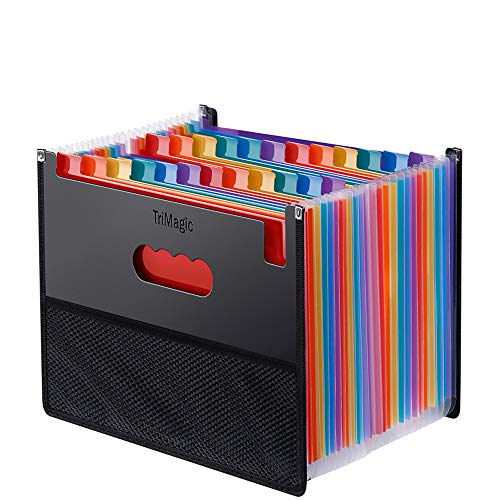
Paperwork has a way of piling up faster than you expect, whether it's tax records, medical forms, or kids' school documents. Once that stack starts spreading across the kitchen counter, finding the best file folders for your situation becomes less about tidiness and more about actually being able to find what you need. The right folder depends less on brand and more on how you file, how often you pull documents back out, and where you plan to store everything. This guide walks through the style, size, tab, and durability decisions that matter most, plus answers to the questions people run into most often when they start shopping.
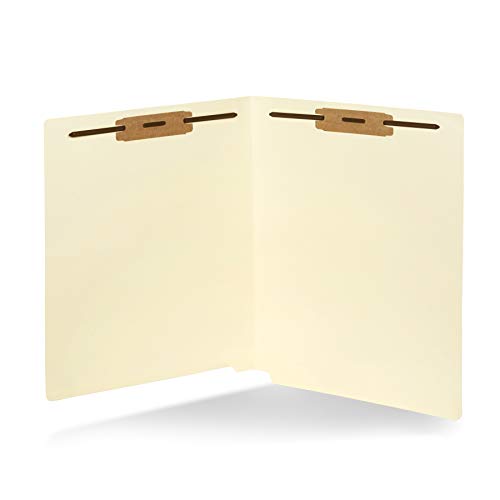
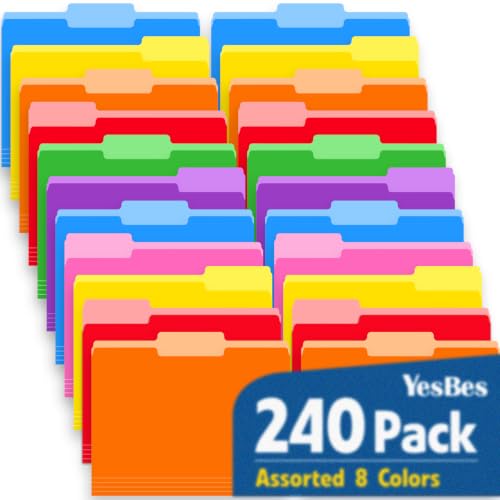



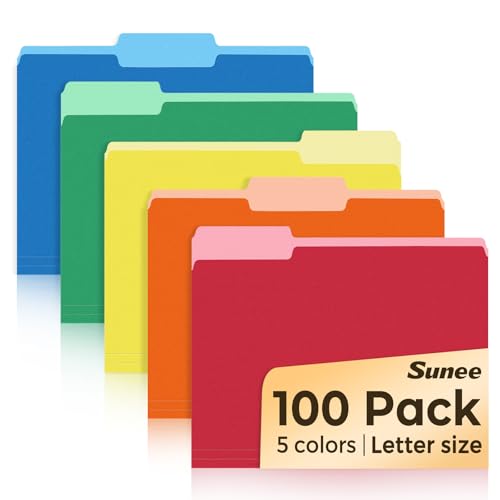
Folder Style: Matching the Type to How You File
Not every folder is built for the same job. Before comparing thickness or tab position, decide which basic style fits how you actually handle paper day to day.
Manila Folders for Everyday Filing
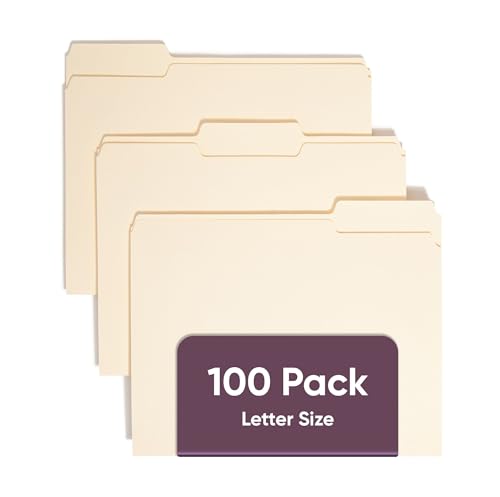
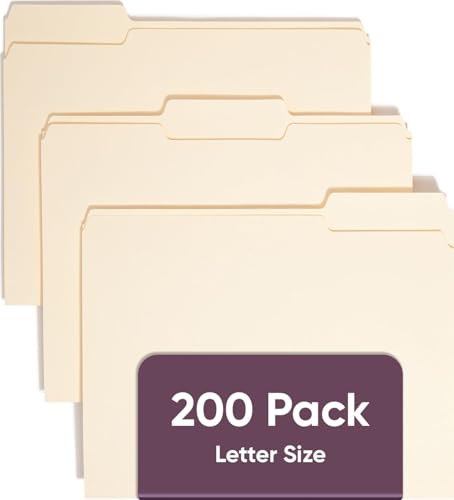
Manila folders are the standard choice for most home and office filing, and for good reason. They're inexpensive, easy to label, and simple to slide into a drawer or a home office storage cart. If you're filing routine paperwork like receipts, correspondence, or reference material that doesn't get handled constantly, manila folders do the job without adding cost or bulk.
Hanging Folders for Drawer Systems
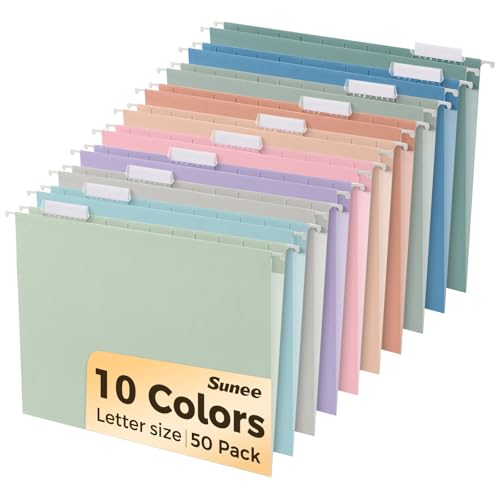
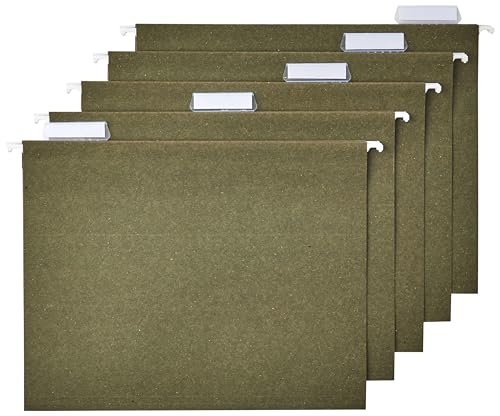
Hanging folders clip onto rails inside a drawer, which keeps everything upright and prevents papers from sliding down or collapsing sideways. They work well as the outer layer of a system, with plain manila folders tucked inside for subcategories. The tradeoff is setup time. Creating a brand-new hanging folder mid-task takes a bit longer than grabbing a blank manila folder and writing a label.
Pressboard and Classification Folders for Heavy Use
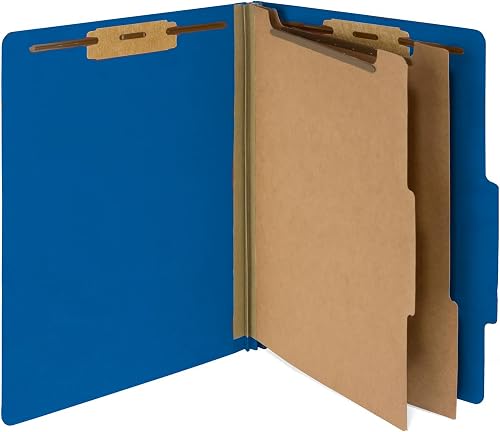
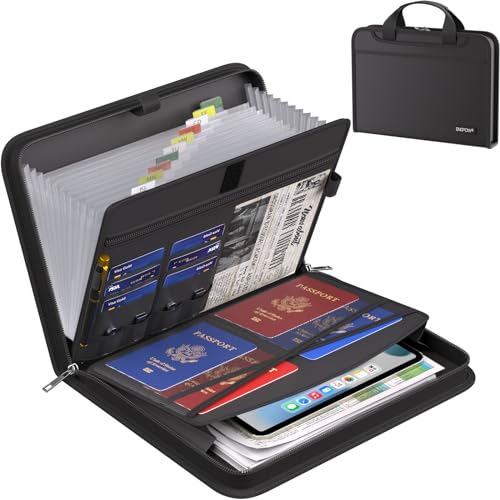
When a single file needs to hold a thick stack of paper over a long period, standard folders start to sag and tear at the fold. Pressboard folders use denser material built to handle bulk without falling apart, and classification folders add built-in dividers with fasteners so you can separate related documents inside one larger file. Both are worth the extra cost for records you'll be adding to for months or years, like ongoing projects or long-term financial files.
Size and Tab Details That Are Easy to Get Wrong
Two of the most common ordering mistakes have nothing to do with material. They come down to size and tab layout, and both are easy to get wrong if you're buying folders for the first time.
Letter Size vs. Legal Size
Letter size folders fit standard 8.5 by 11 inch paper, which covers the vast majority of home paperwork, from bills to school forms. Legal size folders are built for 8.5 by 14 inch documents, which show up more often in contracts, legal filings, and some financial or government paperwork. If you're not sure which you need, check a few of the documents you're planning to file. Most households never touch legal size paper and can stick with letter size folders throughout.
Understanding Tab Cuts
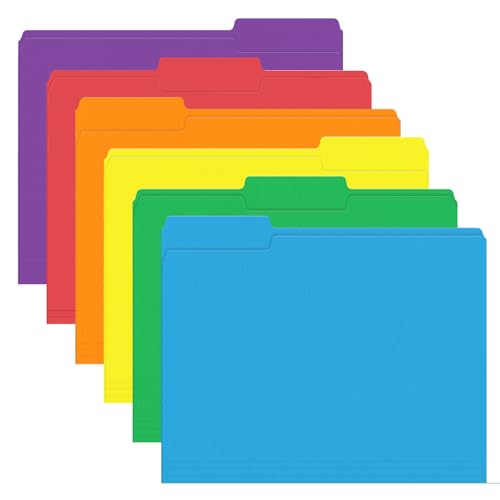
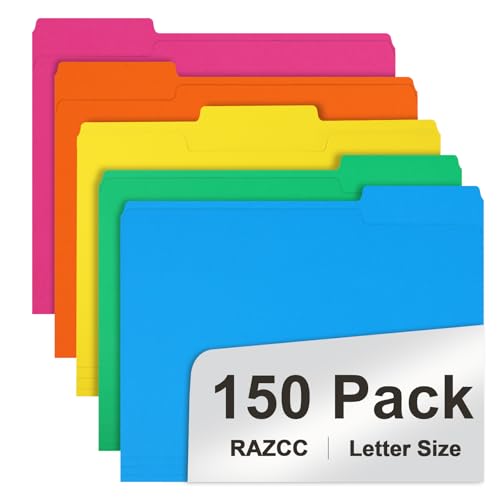
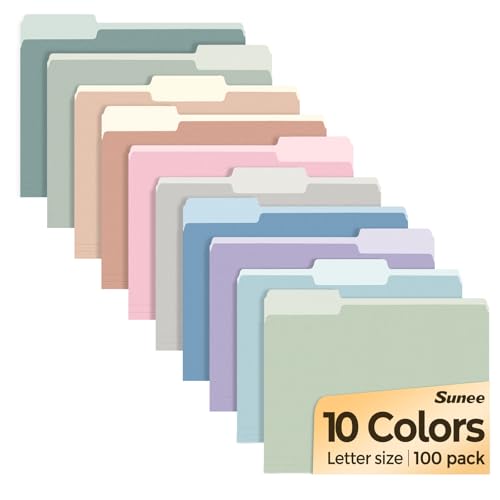
Tab cut refers to how much of the folder's top edge is used for the label, and it determines how many folders you can fit in a row before labels overlap. A 1/3 cut tab splits the top edge into three possible label positions (left, center, right), which is the most common setup for straight-line filing. A 1/5 cut tab offers five staggered positions, useful when you're filing a large number of folders and want labels easier to scan at a glance. Straight cut, sometimes called 1/1 cut, runs the label across nearly the full width, giving you the most room to write longer file names.
Durability and Material Weight for Everyday Use
Folder weight is usually measured in points, and it's a reasonable stand-in for how much handling a folder can survive. For daily use, choosing the best file folders often comes down to matching that weight to how often a folder gets pulled and refiled. Standard folders sit around 11 points, which is fine for documents that get filed once and rarely touched again. Folders in the 14 to 18 point range hold up better to repeated pulling and refiling, since the extra thickness resists tearing at the tab and along the fold. If a folder is going to move in and out of a drawer weekly, that added weight is worth paying for.
For anything you're keeping long-term, like deeds, birth certificates, or old tax returns, look for folders labeled acid-free or lignin-free. Regular paper products can yellow and become brittle over years of storage, and archival-quality folders are made to slow that process down. It's a small detail that matters far more for permanent records than for paperwork you'll shred in a year.
Where You'll Store Them Changes What You Should Buy
The storage setup you already have, or plan to buy, actually narrows down your folder choice more than most people expect. Drawer-based filing cabinets are built around top tab folders, where the label sits along the top edge and faces up when the drawer is open. Open shelving units use end tab folders instead, with the label running down the side so it's visible when folders are stored spine-out, similar to books on a shelf.
Mixing the two doesn't work well. A top tab folder on an open shelf hides its label, and an end tab folder in a drawer wastes the labeling space it was designed for. If you're setting up a new system, decide on your storage furniture first, then buy folders that match it rather than the other way around. Printed labels also help here, and if you're filing paper documents regularly it's worth pairing sturdy folders with quality printer paper for documents so records stay legible over time.
Frequently Asked Questions
What is the difference between a file folder and a hanging folder?
A standard file folder is a single folded sheet that stands on its own inside a drawer or box. A hanging folder has built-in hooks that clip onto metal rails, keeping it upright even when the drawer is fairly empty. Many people use hanging folders as an outer layer and file plain folders inside them.
What size file folder do I need, letter or legal?
Letter size covers nearly all home paperwork, since most documents printed at home or mailed to you use standard 8.5 by 11 inch paper. Legal size is only necessary if you regularly handle contracts or documents printed on 8.5 by 14 inch paper.
What is the difference between 1/3 cut and 1/5 cut tabs?
The cut refers to how many tab positions are available across the top of the folder. A 1/3 cut has three positions, which is standard for most home filing. A 1/5 cut has five, giving you more staggered label placement when you're organizing a larger number of folders side by side.
How many file folders should I buy to get started?
It depends on how many categories you're filing, but most households do well starting with 25 to 50 folders and adding more as categories grow. It's easier to buy a small extra batch later than to guess a large number up front and end up with unused stock.
Are manila folders acid-free or archival safe?
Not always. Standard manila folders are fine for everyday paperwork you won't keep forever, but they aren't guaranteed to be acid-free. For permanent records, look specifically for folders labeled acid-free or lignin-free, since regular manila can yellow and weaken over long periods of storage.
Can the same folders work in a filing cabinet and on open shelves?
Not comfortably. Drawer filing cabinets are designed for top tab folders, while open shelving works better with end tab folders where the label is visible from the side. If you use both storage types, it's worth keeping separate folder styles for each rather than trying to make one style fit both.
What is a classification folder used for?
A classification folder holds multiple related documents inside one main file, using built-in dividers and fasteners to keep sections separate. They're useful for ongoing files like active projects, where you're adding related but distinct documents over time and want them grouped without losing organization inside the folder.
Making Your Decision
There's no single best file folders pick that works for every household. What matters is matching folder style, size, and tab layout to how you actually store and retrieve paperwork, then choosing sturdier or archival-quality materials for anything you're keeping long-term. Get those basics right, and the rest of your filing system tends to fall into place on its own.