
Best Egyptian Cotton Towels: A Buyer's Guide to Real Quality
Disclosure: We may earn a commission when you buy through links on this page, at no extra cost to you. As an Amazon Associate I earn from qualifying purchases. Learn more

Walk into almost any home goods store and you will see "Egyptian cotton" printed on towels at wildly different price points, from budget multipacks to sets that cost several times more. That inconsistency is exactly why so many shoppers feel burned after buying a towel that felt plush in the store and turned thin or scratchy within a few months. Finding the best egyptian cotton towels is less about trusting a label and more about knowing what actually separates genuine long-staple cotton from a marketing claim. This guide walks through the fiber and weave differences that matter, how to read GSM without getting fooled, how Egyptian cotton compares to Turkish cotton, how to spot a fake, and how to keep real Egyptian cotton towels performing well for years.
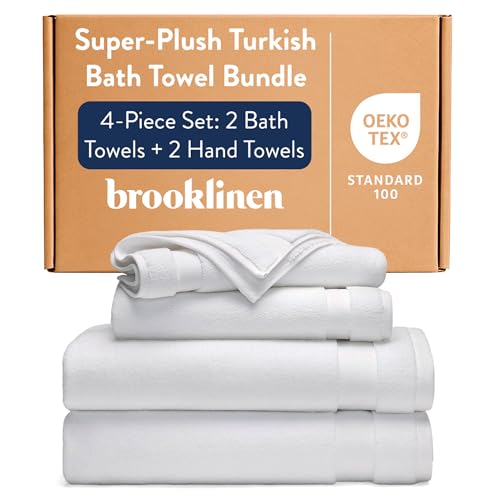
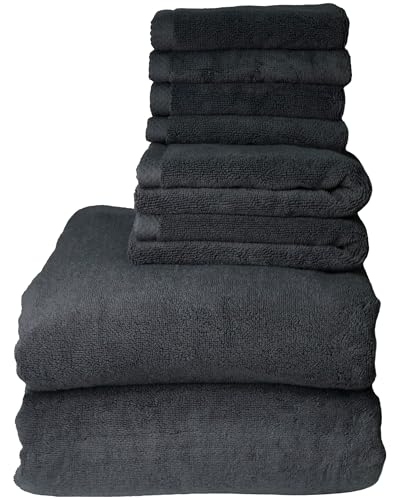
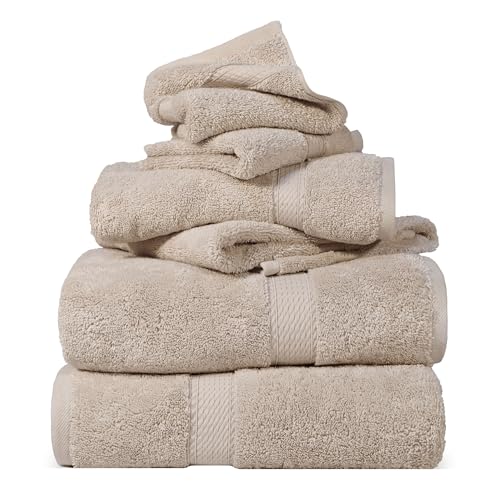
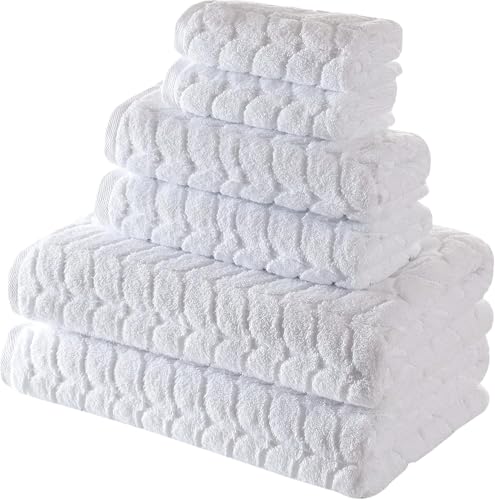
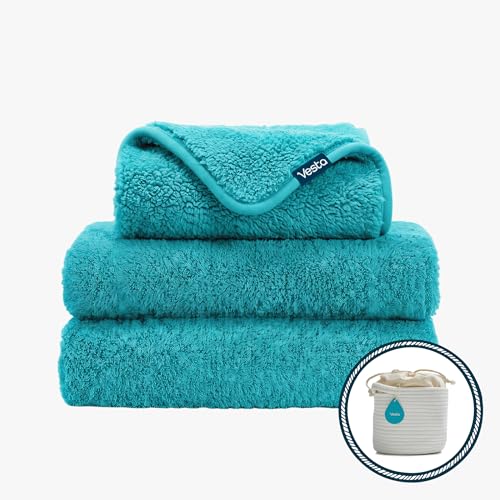
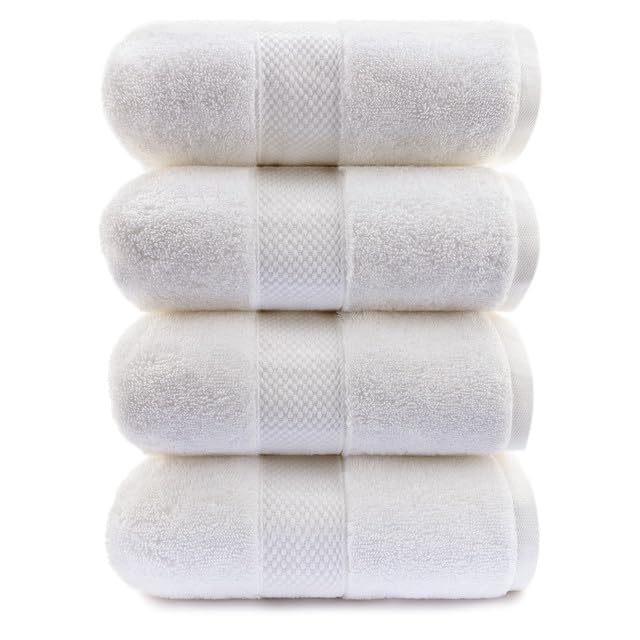
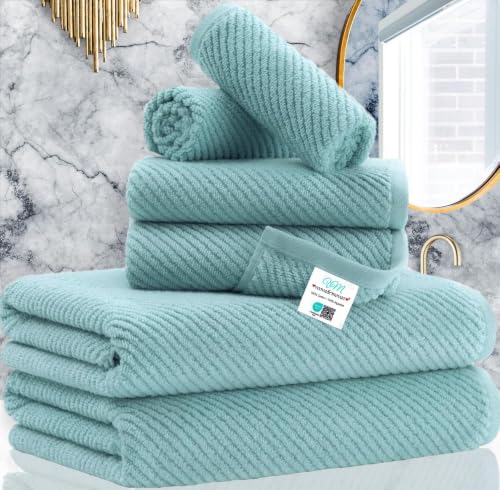


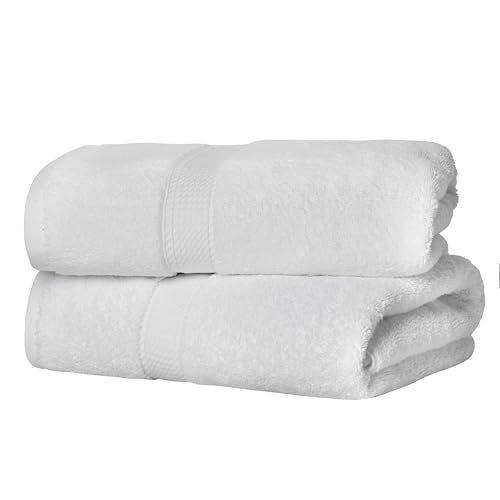
The Fiber and Weave Differences That Actually Matter
Why Fiber Length Changes How a Towel Feels and Absorbs
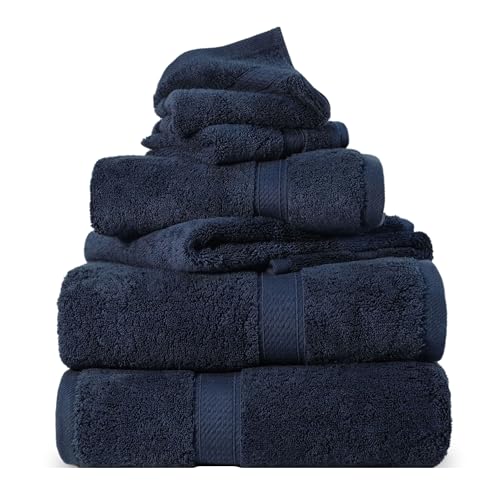
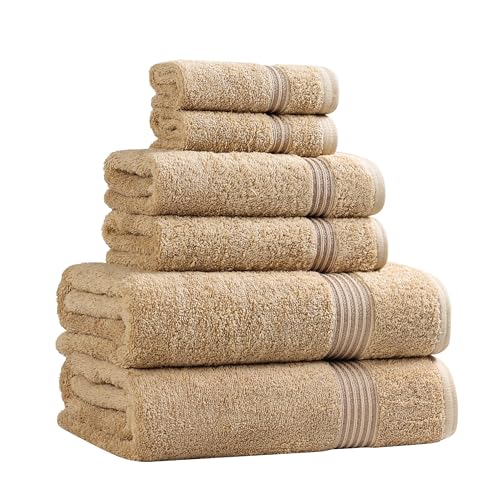
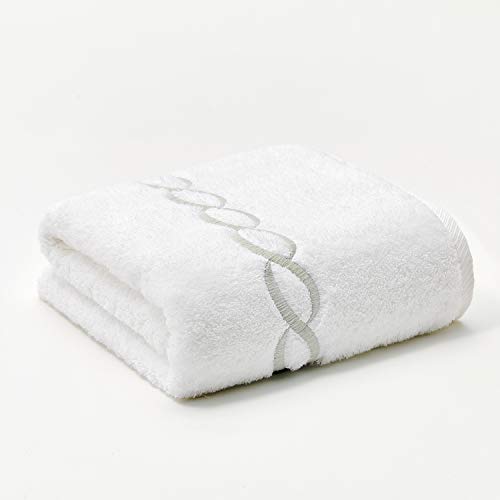
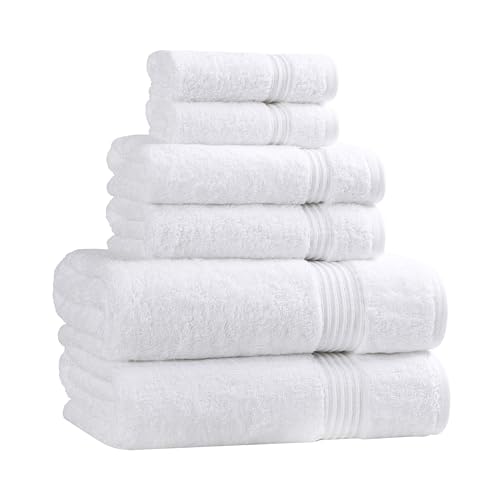
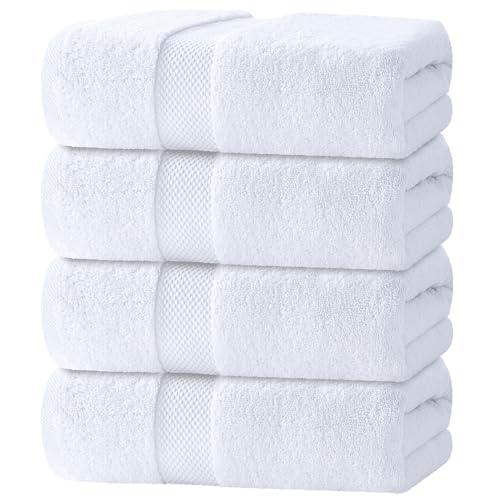
Egyptian cotton is grown with unusually long, fine fibers, often called extra-long-staple cotton. Long fibers can be spun into yarn that is smoother and stronger than yarn made from shorter, coarser fibers, and that yarn can be looped into terry cloth with more surface area for water to cling to. In practice, that is why genuine Egyptian cotton towels tend to feel dense and soak up water quickly rather than pushing moisture around on the surface. Shorter, lower-grade cotton fibers produce yarn with more loose ends poking out, which is part of why cheaper towels shed lint and feel rougher after a few washes.
Terry Loop, Zero-Twist, and Waffle Weave
Weave construction changes how that fiber quality actually shows up in daily use. Classic terry loop weaving is the most absorbent and durable option, and it holds up well to years of regular washing. Zero-twist weaving skips the tight twisting step, which creates an extremely soft, almost velvety texture, though it wears a little faster than traditional terry. Waffle weave uses a textured, low-pile pattern that dries quickly and feels lighter, which suits humid climates or smaller bathrooms better than a heavy plush towel. None of these weaves is universally "better." The right one depends on whether you care more about plushness, fast drying, or long-term durability. The same idea applies to other natural-fiber home textiles, where fiber quality tends to matter more than the label alone, the way it does when shopping for a cashmere blanket.
Reading GSM Numbers Without Getting Fooled
What the GSM Ranges Actually Feel Like
GSM stands for grams per square meter, and it measures how dense and heavy the fabric is. Towels in the 400 to 500 GSM range feel light and dry fast, which works well for gyms, guest bathrooms, or travel. The 500 to 650 GSM range is the most common everyday choice, offering a good balance of softness and reasonable drying time. Towels above 650 GSM feel plush and hotel-like, but they take noticeably longer to dry between uses, which matters in a humid bathroom or a household that does laundry infrequently.
Why a Lower GSM Egyptian Cotton Towel Can Outperform a Higher GSM Fake
GSM only tells you weight, not fiber quality. A 550 GSM towel made from genuine long-staple Egyptian cotton will often out-absorb a 700 GSM towel made from short, low-grade fiber, because the fiber itself holds more moisture per gram. Treat GSM as one data point alongside fiber source and weave, not as a stand-alone measure of quality. A high GSM number printed on a tag with no other verification will not tell you whether you are looking at one of the best egyptian cotton towels on the market or a cleverly marketed imitation.
Egyptian Cotton vs Turkish Cotton Towels
These two are the most common premium options, and shoppers often assume one is simply better than the other. Egyptian cotton generally has the longer fiber and tends to produce a denser, plusher, more absorbent towel, which is why it is often associated with a spa or hotel feel. Turkish cotton also uses long-staple fiber, but it is typically woven a bit looser and lighter, so it dries faster and packs down smaller, which makes it a popular choice for travel or for households that want towels to be ready again quickly. Neither type is automatically the right pick. If plush weight and maximum absorbency top your list, genuine Egyptian cotton is usually the stronger choice for everyday bath towels. If you want something that dries fast and stays fresh between washes, Turkish cotton is worth considering instead. You can browse a broader range of options in a general bath towel buying guide if you want to compare across more fiber types before narrowing down to Egyptian cotton specifically.
How to Avoid Paying for Fake Egyptian Cotton
Certification and Label Checks
Because "Egyptian cotton" is not a legally protected term everywhere it is sold, some products use the phrase loosely without containing genuine long-staple fiber. Look for a Cotton Egypt Association Pyramid Mark, which requires supply chain verification, rather than vague wording like "Egyptian quality" or "inspired by Egyptian cotton." A retailer selling authentic product should be able to point to verification beyond the tag itself. Be cautious of a price that seems far lower than comparable listings, since genuine extra-long-staple cotton costs more to grow and process, and that cost typically shows up in the final price.
A Simple Water Absorption Test
If you already own the towel or can test one in person, place a single drop of water on the dry fabric. Genuine long-staple cotton should pull that moisture in within a few seconds. Water that beads up on the surface or sits there is a sign the fabric has been coated with a chemical softener, is a lower-grade fiber blend, or both. Pair that with a visual check, since real Egyptian cotton typically shows a soft, even, matte texture rather than a glossy, uniform sheen, and the terry loops should look consistent without obvious gaps or loose threads.
Keeping Egyptian Cotton Towels Soft and Absorbent
Even genuine Egyptian cotton towels lose performance if they are cared for the wrong way, and this is the single biggest reason people end up disappointed with a towel that started out great. Skip fabric softener entirely. It coats the fibers in a waxy residue that blocks water absorption over time, which is often the real explanation when a towel that used to work well suddenly feels less absorbent. Wash in warm rather than hot water, and tumble dry on low or medium heat, since high heat breaks down the fibers faster and shortens the towel's usable life. It also helps to give new towels a wash or two before their first use, since that first wash removes manufacturing residue and lets the terry loops fluff up properly. A quick warm-up before use, such as with a towel warmer, does not affect fiber quality either way, but it is a nice way to enjoy a genuinely well-made towel a little more.
Frequently Asked Questions
What makes Egyptian cotton towels different from regular cotton towels?
Egyptian cotton uses extra-long-staple fibers, which spin into smoother, stronger yarn than the shorter fibers used in most standard cotton. That translates into a denser terry loop, better absorbency, and a softer feel that tends to hold up over more wash cycles.
How can you tell if Egyptian cotton towels are real or fake?
Look for third-party certification like the Cotton Egypt Association Pyramid Mark, check for a realistic price relative to comparable products, and test the fabric with a water drop test if possible. Genuine fiber absorbs quickly and has a matte, even texture rather than a synthetic sheen.
What GSM is best for Egyptian cotton bath towels?
Most everyday households do well with 500 to 650 GSM, since it balances absorbency with reasonable drying time. Go lighter, closer to 400 to 500 GSM, if fast drying matters more, or heavier if you want a plush, hotel-style feel and don't mind slower drying.
Is Egyptian cotton better than Turkish cotton for towels?
Egyptian cotton usually wins on plushness and absorbency, while Turkish cotton tends to dry faster and feels lighter. Which one is "better" depends on whether you prioritize maximum softness or quicker turnaround between uses.
Why do Egyptian cotton towels lose their softness or absorbency over time?
The most common cause is fabric softener buildup, which coats the fibers and blocks water absorption. High heat drying and low-quality fiber that was never truly long-staple to begin with are the other two leading causes.
Should you wash new Egyptian cotton towels before using them?
Yes. A first wash removes manufacturing residue and helps the terry loops open up and fluff properly, which improves both feel and absorbency compared to using a towel straight out of the packaging.
Can you use fabric softener on Egyptian cotton towels?
It is best to avoid it. Fabric softener leaves a coating on cotton fibers that reduces how well the towel absorbs water, which works directly against the reason most people choose Egyptian cotton in the first place.
How long do good Egyptian cotton towels typically last?
With proper care, genuine Egyptian cotton towels can perform well for several years of regular use. Towels made from lower-grade fiber, or damaged by fabric softener and high heat, tend to show noticeable wear much sooner.
Making the Right Choice
The label alone will not tell you whether a towel is genuinely worth the price. Choosing the best egyptian cotton towels comes down to fiber length, weave type, GSM, and real certification, not the word printed on the tag. Once you know what to check and how to care for it afterward, choosing well becomes far less of a guessing game.