Best Drone Under $1000: What This Price Tier Gets You
Disclosure: We may earn a commission when you buy through links on this page, at no extra cost to you. As an Amazon Associate I earn from qualifying purchases. Learn more
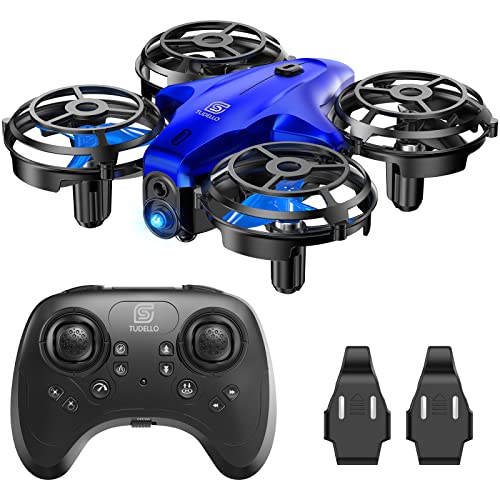
Somewhere between "fun weekend toy" and "serious gear," there's a price point where drones stop feeling like a compromise. If you have been eyeing a best drone under 1000 search and wondering whether the jump from a cheaper model is really worth it, you are asking the right question at the right budget. This guide walks through what actually changes at this price tier, so you can tell real upgrades from marketing language before you spend a dollar.
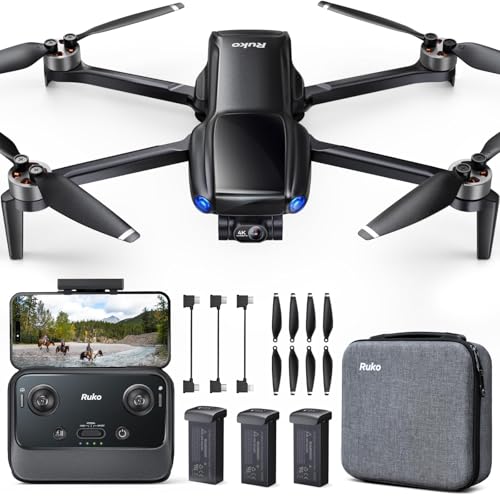
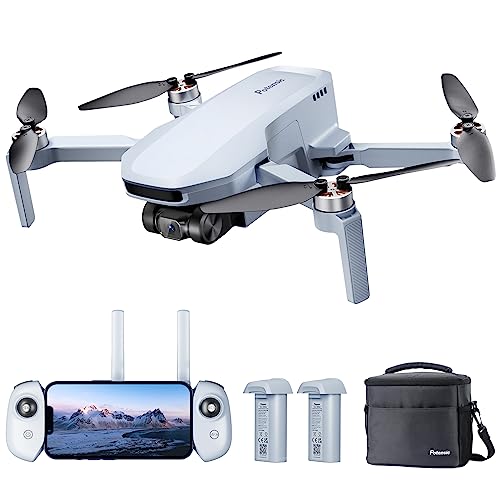
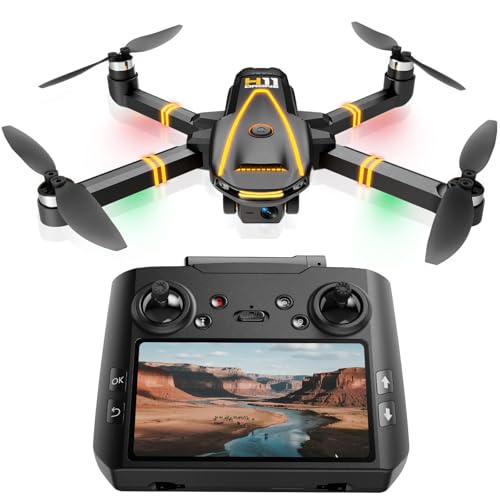
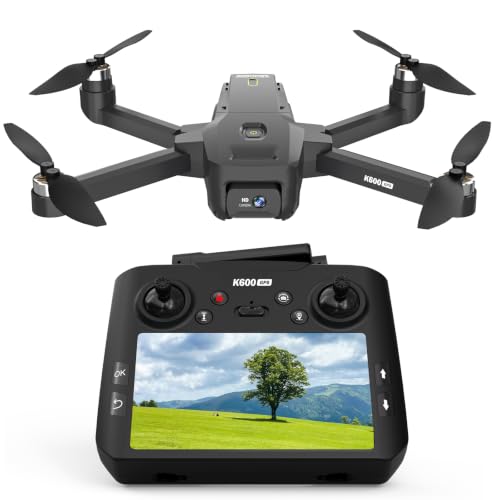
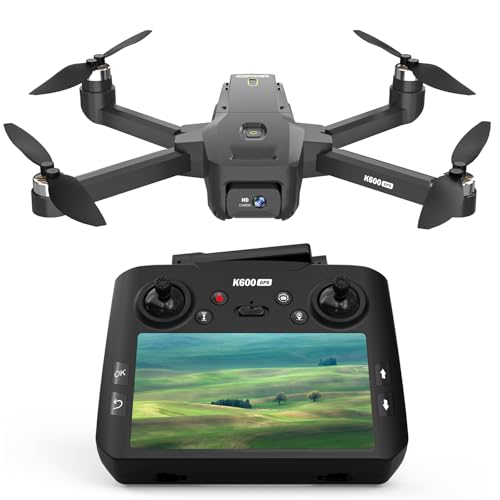
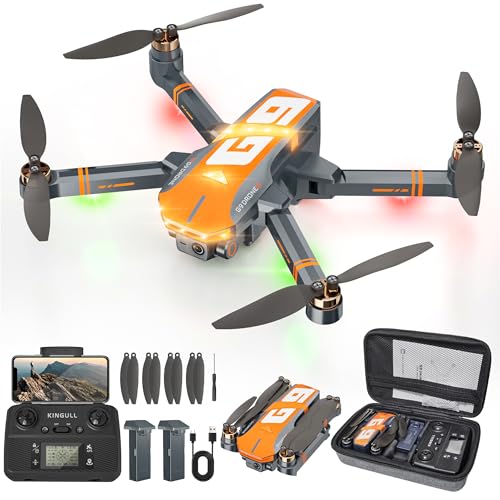
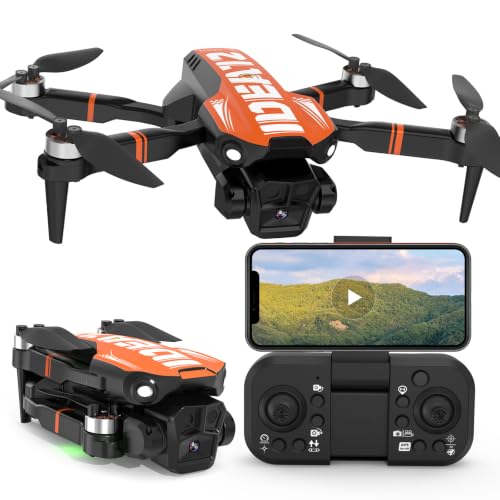
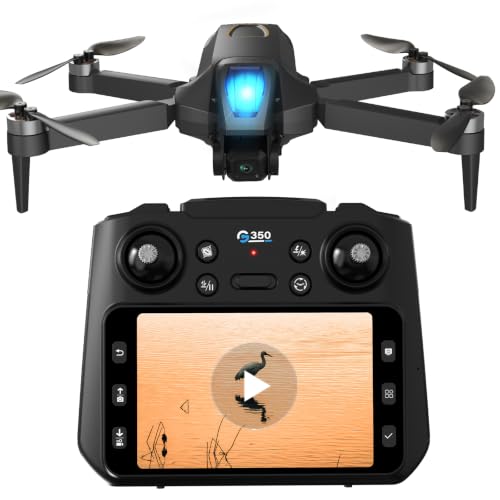
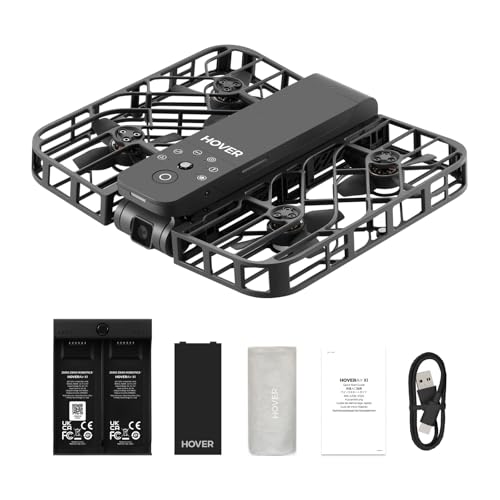
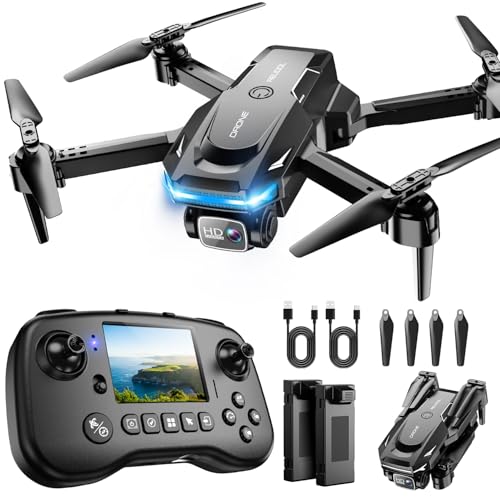

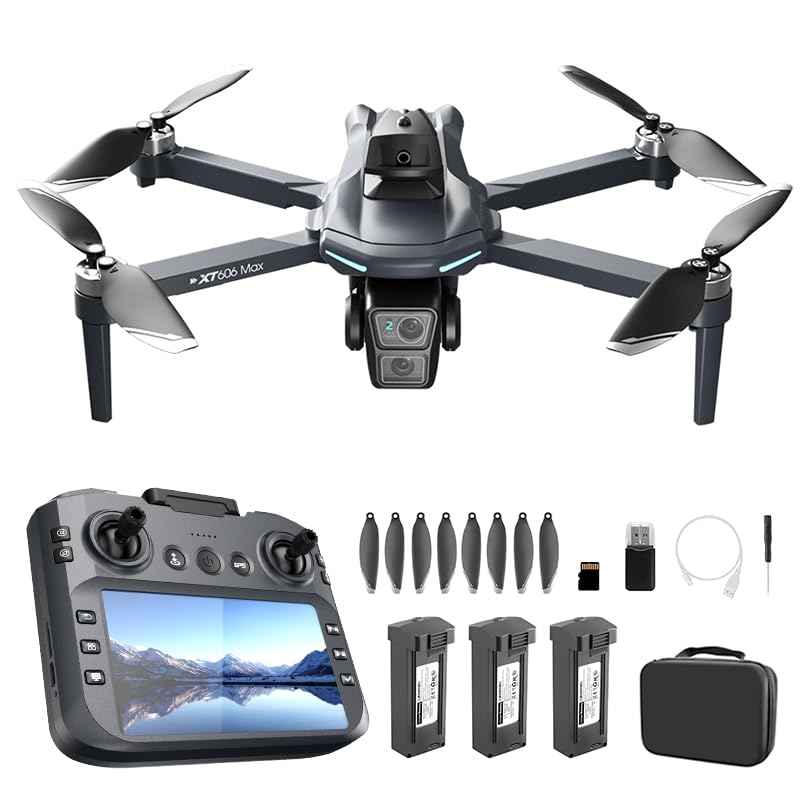
What the $1000 Price Tier Actually Buys You Now
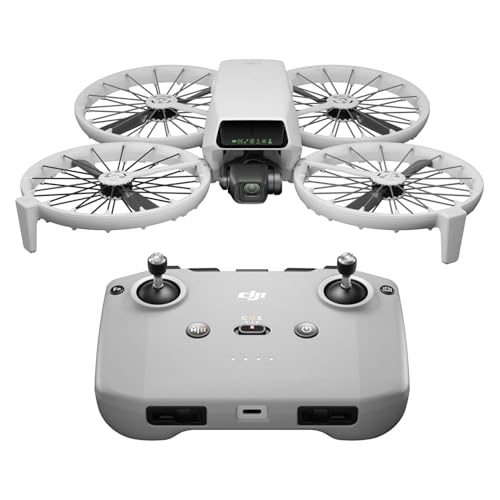
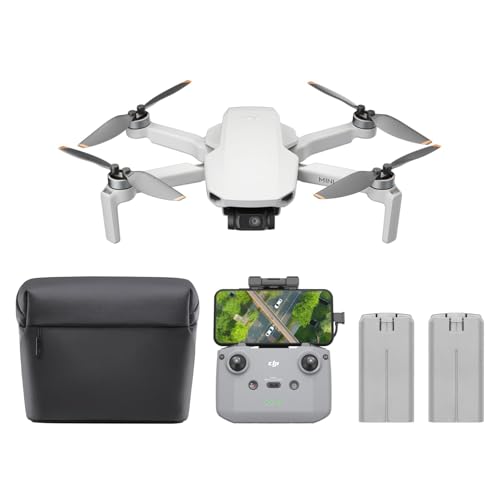
The drone market has shifted quietly over the past couple of years. Models that used to sit comfortably under $1000 have crept past that line, and what remains in this bracket today is mostly the top end of the compact, sub-250-gram mini drone category rather than the larger mid-size bodies you might remember from a few years back. That matters because it changes what "under $1000" actually means for image quality and features, not just price.
This tier sits in a specific spot. Step down and you land in the best drone under 700 range, where cameras are solid but sensor size and processing still lag behind. Step up past $2000 and you are into prosumer territory, with larger airframes, multi-battery kits as standard, and features built for paying clients rather than personal use. A drone under $1000 is the sweet spot for someone who has outgrown casual flying but does not need professional-grade gear.
Because most options here stay under the 250-gram FAA threshold, many buyers can skip formal drone registration for recreational flying, though that exemption only applies to hobby use, not commercial work. It is one more reason this weight class has become the default at this price rather than an afterthought.
Sensor and Image Quality One Step Above Entry Level
Camera resolution numbers are the least useful thing to compare when shopping in this range. A cheaper drone and a drone under $1000 can both claim "4K," yet the footage looks nothing alike once you see it side by side. Sensor size, dynamic range, and color processing separate the two far more than megapixels do.
Sensor Size Finally Starts to Matter
This is roughly the price point where 1-inch sensors start showing up instead of the smaller sensors common at lower budgets. A larger sensor gathers more light, which means cleaner footage in shade, indoor spaces, or early morning and evening flights, situations where budget cameras tend to produce grainy, muddy video.
Dynamic Range and Color Depth
Beyond raw sensor size, look at how much dynamic range a camera captures, meaning how well it holds detail in both bright skies and shadowed ground in the same shot. Drones at this level increasingly offer wider color profiles meant for editing, a feature that barely existed at lower price points a few years ago.
Gimbal Stabilization
A mechanical 3-axis gimbal is close to standard by this budget, so footage stays smooth even in light wind or during quick directional changes. That stability is what actually makes higher resolution worth having, since shaky footage looks bad no matter how many pixels it contains.
Obstacle Avoidance and Smart Flight Features Get More Serious
Basic obstacle sensing exists at almost every price point now, but how it actually performs varies enormously. At this budget, avoidance systems start becoming genuinely useful rather than a checkbox feature on a spec sheet.
From Forward-Facing to Omnidirectional
Cheaper drones often sense obstacles in front of and sometimes behind the aircraft only. Drones in this price range increasingly add sensors on the sides, top, and bottom too, giving the aircraft a fuller picture of its surroundings during automated flight paths or subject tracking.
LiDAR and Precision Sensing
Some models at the top of this budget introduce LiDAR-assisted sensing, which measures distance more precisely than camera-based systems alone, especially in low light or against low-contrast surfaces like plain walls or open sky. It is not universal at this tier, so check specs carefully rather than assuming every option includes it.
Subject Tracking and Automated Shots
Intelligent flight modes that follow a moving subject or fly a preset cinematic path are common by this price point, and they tend to be noticeably more reliable here than in cheaper drones, where tracking can lose its subject around obstacles or in cluttered scenes.
Flight Time and Battery Habits Worth Planning Around
Flight time claims on packaging rarely match real-world results, so it helps to know what to expect before you fly. Wind, cold temperatures, and aggressive maneuvering all cut into advertised numbers.
What Real Flight Time Looks Like
Compared to the shorter single-battery sessions typical of cheaper models, drones under $1000 generally deliver noticeably longer flight windows per charge. It is still a step below the extended, multi-battery kits that come standard once you move into pricier prosumer gear, but it is enough to plan a real shoot without constant battery swaps.
Battery Care and Charging Habits
Lithium batteries in this class degrade faster with full discharges and hot storage, so most manufacturers recommend keeping batteries between roughly 20 and 80 percent charge for storage and avoiding leaving them in a hot car. A drone that seems to lose flight time quickly over a season is often a battery care issue, not a hardware defect.
Transmission Range in Practice
Advertised transmission range numbers assume open, interference-free conditions. In real flying environments with buildings, trees, or other wireless signals nearby, expect usable range to fall noticeably short of the marketing figure, which is normal and not a sign of a faulty unit.
Who This Price Point Actually Fits
This budget makes the most sense for someone who has already flown a cheaper drone and knows what they actually want more of, whether that is image quality, smarter automation, or simply more confidence flying near obstacles.
It fits hobbyists ready to take video seriously, content creators shooting for social platforms rather than paying clients, and travelers who want a compact drone that still produces professional-looking footage. If you are shooting real estate listings for income or need the absolute best low-light performance, the step up to a heavier prosumer drone is likely worth the extra investment. If you are still deciding whether drones are for you at all, a cheaper starter model makes more sense than stretching your budget here.
Frequently Asked Questions
What do you actually get for a drone under $1000 compared to cheaper models?
You typically get a larger camera sensor, more capable obstacle avoidance, longer flight time per battery, and more reliable intelligent flight modes. The jump in usable image quality tends to be the most noticeable difference for everyday flying.
Do drones under $1000 need FAA registration?
Most models in this range weigh under 250 grams, which qualifies for the recreational registration exemption. That exemption only covers hobby flying, though. Any commercial use still requires registration and a Remote Pilot Certificate regardless of weight.
Is a 1-inch sensor worth paying extra for at this budget?
If you shoot in varied lighting, including shade, indoors, or low sun, a larger sensor makes a real difference in cleaner, more usable footage. If you mostly fly in bright daylight, the gap narrows, though stabilization and dynamic range still matter.
How reliable is obstacle avoidance on a drone in this price range?
It is meaningfully better than budget models, especially with omnidirectional or LiDAR-assisted sensing, but it should still be treated as a safety net rather than a guarantee. Avoidance systems can struggle with thin objects like branches or wires.
What flight time should I expect from a drone under $1000?
Real-world flight time is usually shorter than the advertised figure once you account for wind and cooler temperatures. Expect a solid, longer-than-entry-level window per battery, with total flying time extended by carrying a spare.
Is it worth spending closer to $1000 instead of $700?
If sensor quality, avoidance reliability, and flight time all matter to how you plan to use the drone, the extra budget tends to show up clearly in the footage and the flying experience. If you mainly want casual, occasional flights, the lower tier may cover your needs just fine.
Making the Jump to This Budget
A drone under $1000 rewards buyers who already know what frustrated them about a cheaper model, whether that was grainy low-light footage, shaky video, or an avoidance system that missed obvious obstacles. Focus on sensor size, avoidance coverage, and realistic flight time rather than headline resolution numbers. Get those three right, and the rest of the experience tends to follow.