
Best Counting Toys for Toddlers: A Parent's Buying Guide
Disclosure: We may earn a commission when you buy through links on this page, at no extra cost to you. As an Amazon Associate we earn from qualifying purchases. Learn more
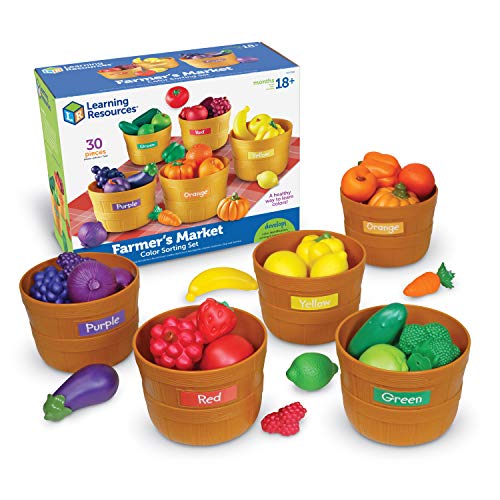
Watching a toddler point at snacks and shout numbers in the wrong order is equal parts adorable and confusing. Early counting rarely looks like real math, but the toys you hand your toddler can quietly shape how well that skill develops over time. The best counting toys for toddlers turn everyday moments, like snack time or bath time, into hands-on number practice without ever feeling like a lesson. In this guide, you'll learn how toddlers actually pick up counting, what makes a counting toy safe for little hands, how Montessori-style options stack up against toys with lights and sounds, and which features are genuinely worth prioritizing when you shop.
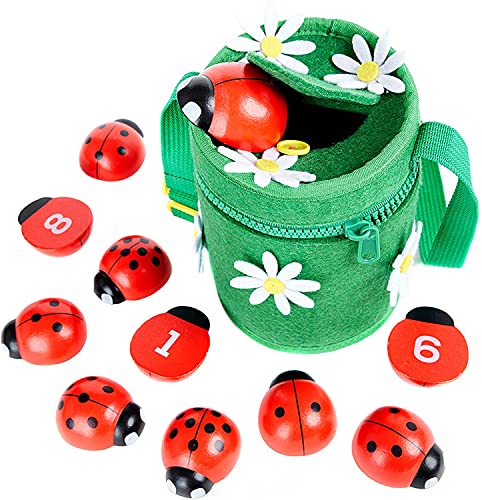
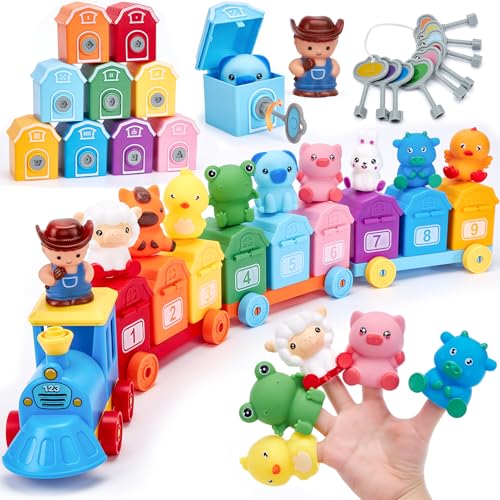
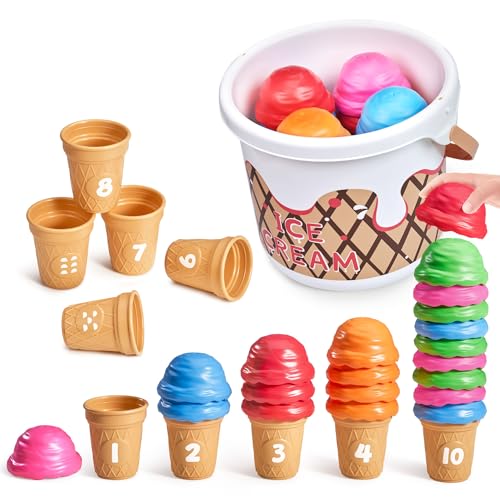


How Toddlers Actually Learn to Count
Rote Counting Comes First
Most toddlers start reciting numbers, one, two, three, long before they understand what those words actually mean. This is called rote counting, and it usually shows up somewhere between 18 months and 2 years old. Toddlers pick up the rhythm of counting the same way they pick up nursery rhymes, through repetition and imitation rather than logic. Counting toys support this stage simply by giving a child a reason to say numbers out loud, again and again, during play.
One-to-One Correspondence Is the Real Milestone
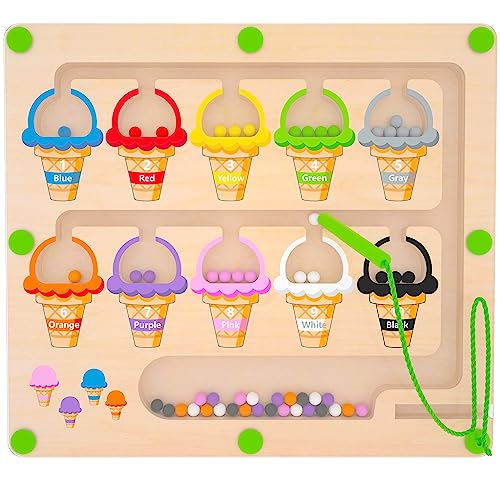
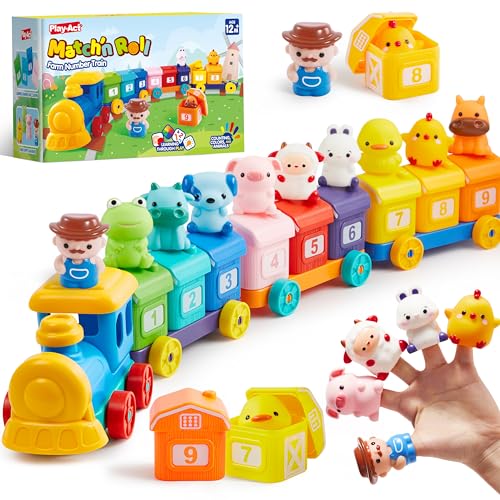
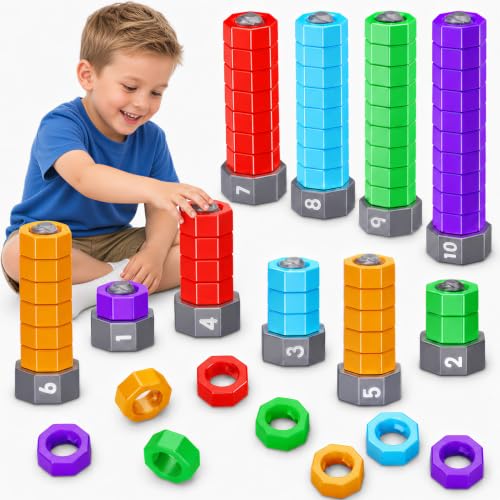
The bigger jump happens when a toddler connects each number word to a single object: touching one bead while saying "one," then moving to the next bead for "two." This skill is called one-to-one correspondence, and it typically develops between ages 2 and 3 with plenty of hands-on practice. Toys with movable pieces, like beads on a wire or bears dropped into cups, give toddlers something physical to count instead of abstract numbers floating in the air. A soft rug in the play area helps here too, since it gives toddlers a stable, comfortable spot to spread pieces out and count them one at a time without losing track.
Choosing Safe Counting Toys for Little Hands
When you're weighing the best counting toys for toddlers, safety questions tend to come up before anything else, and for good reason. Small counting pieces and toddlers who still explore with their mouths are a real safety concern, not just a theoretical one. A good rule of thumb is that any loose piece should be too big to fit inside a toilet paper tube, since anything smaller can become a choking hazard for children under 3. Beyond size, a few other details matter just as much:
- Solid wood, thick silicone, or sturdy plastic pieces hold up better than thin, brittle materials
- No sharp edges, loose strings, or small magnets that could work themselves free
- No lead paint or other toxic finishes, since these toys get handled and mouthed daily
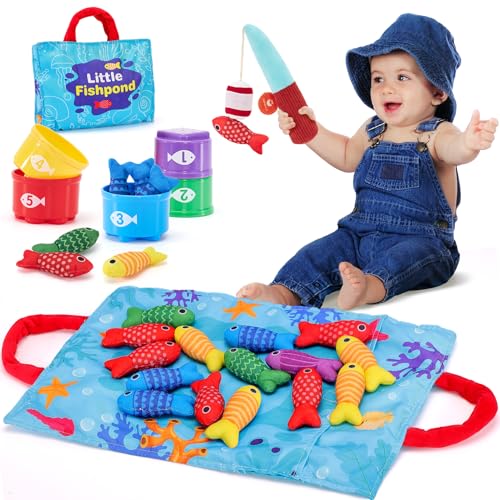
- Stitching and joints on soft counting toys should be reinforced, not just glued
Since counting toys get mouthed, dropped, and passed between hands constantly, washing them on a regular schedule matters just as much as picking the right materials in the first place, similar to how you'd approach a non-toxic toy cleaner for any other toy your toddler uses every day.
Montessori-Style vs Electronic Counting Toys: What the Research Actually Shows
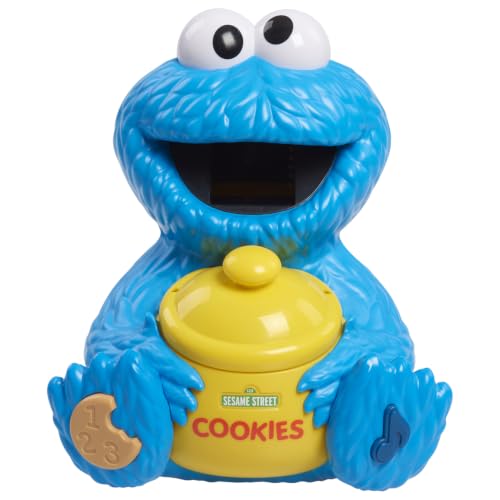
Parents often land in one of two camps when shopping for the best counting toys for toddlers: simple, Montessori-style counting toys like wooden beads and number boards, or electronic toys that light up, talk, and sing when a child presses a button. Research gives a fairly clear answer here. A well-known study on electronic talking toys found that children spoke fewer words while playing with them compared to traditional toys, likely because the toy did the talking instead of the parent. When a toy stays quiet, parents tend to fill that silence with counting, naming, and describing, which is exactly the kind of language exposure that builds early math skills. Some attention research also suggests that toys with constant lights and sounds can shorten how long a toddler stays focused on one activity.
None of this means electronic counting toys are off limits. A toy that sings a counting song occasionally can still hold a toddler's interest and introduce number sequences in a fun way. But when you're choosing between two similar toys, one where your toddler pushes buttons and one where your toddler moves, sorts, and stacks pieces, the hands-on option tends to support more of the language and math learning that counting toys are supposed to build in the first place.
Hands-On Features That Actually Teach Counting
Size and Grip Matter More Than You Think
Toddlers are still building fine motor skills, so pieces that are too small or slippery lead to frustration instead of learning. Chunky beads, thick pegs, and large wooden shapes are easier for small hands to grasp, move, and place correctly, which keeps a toddler engaged longer. If a toy requires pinching tiny pieces with precision a 2-year-old doesn't have yet, most of the play session gets spent fumbling instead of actually counting.
Look for Toys That Show Quantity, Not Just Numerals
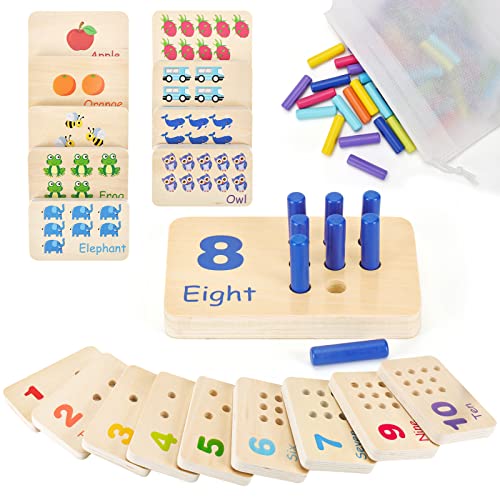
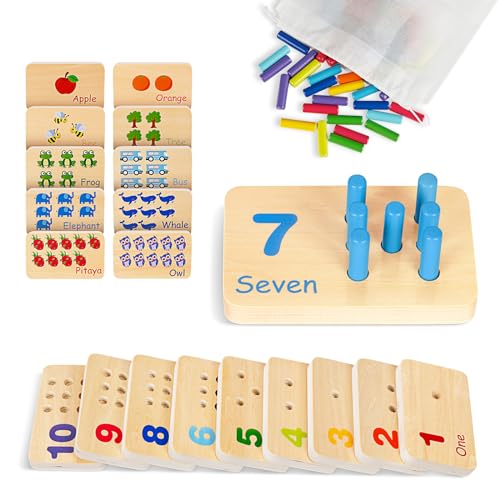
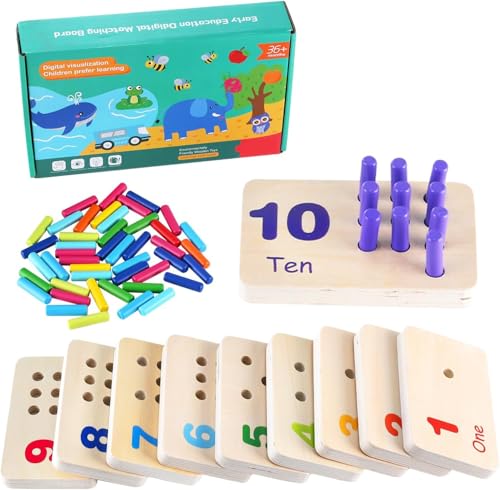
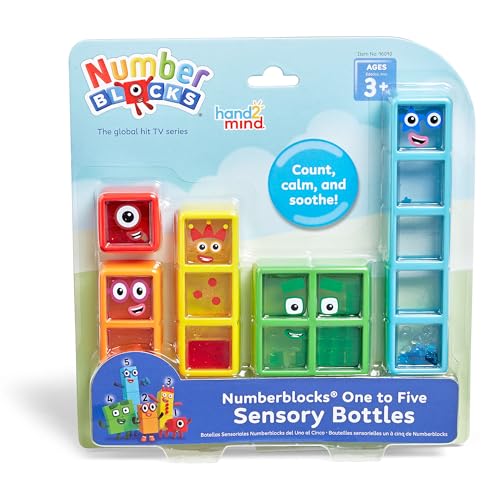
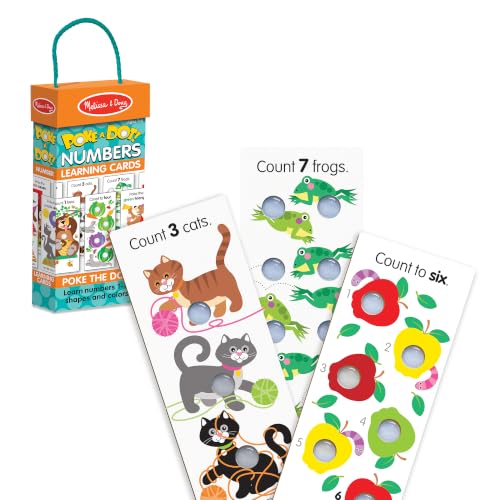
A printed number on a card doesn't mean much to a toddler who hasn't connected symbols to amounts yet. The best counting toys for toddlers pair a numeral with a matching quantity, like five dots next to the number 5, so a child can see and touch what the number actually represents. This visual and physical pairing is what eventually helps numerals click, rather than memorizing shapes without meaning behind them.
Multi-Use Toys Grow With Your Child
Toys that only do one thing get outgrown fast. A set of counting blocks might start as something to stack, become a counting activity a few months later, and eventually support simple sorting by color or size. This is the same logic behind open-ended building toys, which stay useful for years because a child can use them differently at every stage instead of needing a brand-new toy every few months.
Frequently Asked Questions
At what age can toddlers start using counting toys?
Many toddlers can start with simple counting toys around 18 months, though real counting understanding usually develops between ages 2 and 3. Early on, the toy is more about cause and effect and repetition than actual math.
What is the best type of toy to teach a toddler to count?
Toys with movable, touchable pieces, such as beads, counting bears, or stacking blocks, tend to work best because they let a toddler physically move one object per number. This hands-on repetition builds number sense faster than toys a child only watches or listens to.
Do electronic counting toys help toddlers learn faster?
Not necessarily. Some research suggests electronic toys that talk or sing can actually reduce the amount of counting and naming that happens between parent and child during play, which may slow early language and math growth.
How many counting toys does a toddler actually need?
One or two versatile counting toys are usually enough. A single set that supports stacking, sorting, and counting will get more genuine use than a large collection of toys that each do only one thing.
Are counting toys safe for a 1-year-old?
Only if the pieces are large enough to avoid choking hazards and made from safe, non-toxic materials. Many counting toy sets are labeled for ages 2 and up specifically because the loose pieces are too small for younger toddlers.
What does one-to-one correspondence mean, and why does it matter?
It's the skill of matching one number word to one object, like saying "two" while touching exactly two items. It's considered one of the biggest early math milestones because it's the foundation for real counting, not just reciting numbers in order.
Can too many flashing or talking toys slow down learning?
It's possible. When a toy does most of the talking and reacting, toddlers get fewer chances to practice counting out loud themselves, and parents tend to narrate less during play, which can limit the back-and-forth conversation that builds vocabulary.
Making the Right Choice for Your Child
There's no single toy that teaches every toddler to count on the same schedule, and that's completely normal. What matters more is choosing pieces that are safe for little hands, easy to grip, and simple enough that your toddler does most of the touching, moving, and talking. Keep those priorities in mind and almost any of the best counting toys for toddlers on the market today will earn its keep. Whether you land on a classic wooden set or something with a bit of sound built in, the goal is the same: give your toddler plenty of reasons to count out loud, over and over, until it finally clicks.