
Best Cordless Leaf Blower Under $100: Buying Guide
Disclosure: We may earn a commission when you buy through links on this page, at no extra cost to you. As an Amazon Associate I earn from qualifying purchases. Learn more
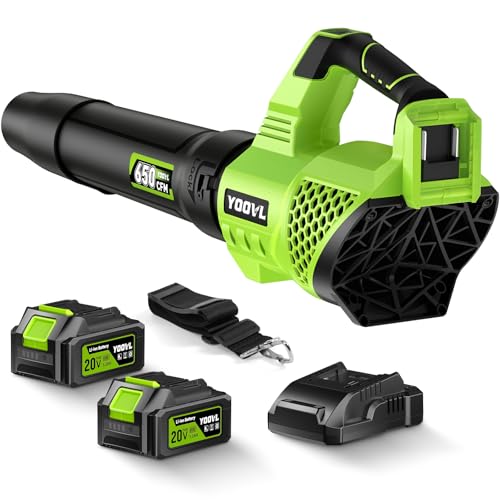
A gas leaf blower gets the job done, but it also means dealing with mixed fuel, pull starts, exhaust fumes, and a genuinely loud engine that annoys neighbors and household members alike. Cordless electric leaf blowers have closed the performance gap considerably in recent years, and plenty of genuinely capable models are now available for well under a hundred dollars.
This guide covers what actually matters when shopping for a cordless leaf blower under $100, including airflow ratings, battery runtime, and noise level, and highlights a few standout picks across everyday yard cleanup and heavier duty use.




Understanding CFM and MPH: What the Numbers Actually Mean
Leaf blower listings lean heavily on two numbers: CFM, which stands for cubic feet per minute and measures the volume of air the blower moves, and MPH, which measures how fast that air travels. These two numbers work together rather than independently: a blower with high MPH but low CFM produces a fast but thin, narrow stream of air, while high CFM with lower MPH moves a larger volume of air more gently across a wider path.
For clearing large volumes of leaves off a lawn, CFM generally matters more, since it is pushing more total air to move more debris at once. For blasting wet or stuck-on debris off a driveway or deck, higher MPH concentrated into a narrower stream tends to be more effective. Most quality blowers in this price range advertise both figures, and it is worth checking that a model has a reasonable balance of both rather than an inflated single number used purely for marketing.

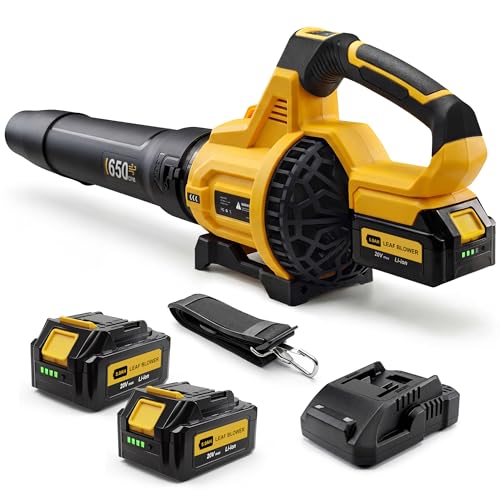
This electric cordless leaf blower illustrates a solid balance of both figures at this price point, and comes with two batteries included, which genuinely extends usable runtime for larger yards without needing to stop and wait for a recharge partway through the job. Two-battery bundles have become common in this price range specifically because a single battery on most budget blowers only lasts fifteen to twenty five minutes under continuous use, which is not always enough for a full yard.
Battery Runtime and Voltage
Battery voltage, commonly 20V in this price category, affects motor power more than runtime directly, while amp hour rating, listed as Ah on the battery itself, is what actually determines how long a charge lasts under continuous use. A blower with a 4.0Ah battery will run roughly twice as long per charge as the same blower with a 2.0Ah battery, all else equal, though higher capacity batteries also take proportionally longer to recharge.
Checking whether the battery is proprietary to that specific blower brand or compatible with a broader tool ecosystem is worth doing before buying, particularly if you already own other cordless tools. Some budget blower brands sell batteries compatible with wider tool lines, which can save money on future battery purchases, while others use one-off batteries only usable with that specific blower.
Noise Level: A Real Everyday Consideration
Gas blowers commonly run well above 90 decibels, loud enough to require hearing protection for extended use and to genuinely disturb neighbors, particularly in denser residential areas with noise ordinances that restrict blower use to certain hours. Cordless electric blowers typically run considerably quieter, often in the 60 to 75 decibel range depending on the specific model and speed setting selected, which is a meaningful quality of life difference for both the operator and anyone nearby, including neighbors who might otherwise complain about early morning yard work.

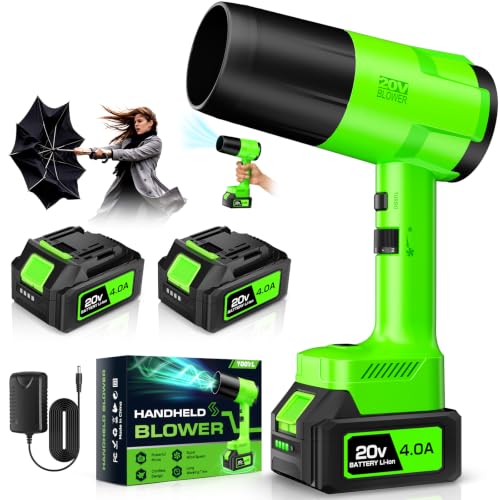
This model pairs strong reviews with multiple speed settings and a genuinely high CFM rating for its size, making it a well rounded choice for households that want reliable coverage across a mid to large yard without stepping up to a corded or gas alternative.
Weight and Ergonomics
Cordless blowers are generally lighter than gas equivalents since they skip the engine, fuel tank, and pull-start mechanism entirely, but weight still varies meaningfully between models, particularly once a battery is installed. For anyone who will use the blower for extended sessions, or who has any wrist, shoulder, or grip strength limitations, checking the actual loaded weight, not just the bare tool weight sometimes listed separately from the battery, is worth the extra minute before buying.
Speed Settings and Variable Control
A single fixed speed setting is fine for basic cleanup, but variable speed control, whether through multiple discrete settings or a trigger that responds to how hard it is squeezed, gives meaningfully more control for different tasks. Lower speeds work well for gently clearing debris off delicate garden beds without disturbing mulch or small plants, while full power is better reserved for clearing large open areas or blasting stuck-on debris off hard surfaces.

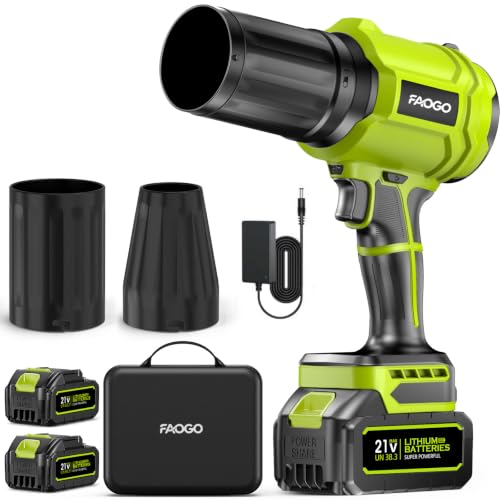
This brushless motor model rounds out the lineup with a genuinely higher power ceiling than most blowers in this price range, making it a strong pick for anyone with a larger yard or heavier seasonal leaf accumulation who wants to stay just under the hundred dollar mark rather than jumping to a pricier corded or gas alternative.
Maintenance Compared to Gas Blowers
One of the more underrated advantages of cordless electric blowers is how little maintenance they require compared to gas equivalents. There is no fuel mixing, no spark plug to replace, no carburetor to clean or gum up from sitting unused over winter, and no annual tune-up needed to keep the engine running reliably. Battery care is genuinely simple: avoid storing batteries at full charge or fully depleted for extended periods, and keep them in a moderate temperature environment rather than a hot garage or freezing shed for the longest possible battery lifespan.
Frequently Asked Questions
Is a cordless electric blower actually powerful enough for a full yard?
For most residential yards, yes, particularly with a two-battery setup that allows continuous use while one battery charges as a backup. Very large properties with heavy leaf accumulation may still benefit from a corded or gas blower, but the gap has narrowed considerably in recent years.
What CFM rating should I look for?
For general residential leaf cleanup, a CFM rating in the 350 to 500 range is generally sufficient. Larger properties or heavier debris benefit from higher CFM ratings, though this typically comes with a tradeoff of shorter battery runtime at maximum power.
How long do the included batteries typically last before needing replacement?
Most lithium-ion batteries used in this category are rated for several hundred charge cycles before capacity noticeably degrades, which translates to multiple years of typical seasonal yard use for most households.
Final Thoughts
A good cordless leaf blower under $100 genuinely closes most of the performance gap with gas models for typical residential use, while being quieter, lighter, and far lower maintenance. Look for a model with a two-battery bundle if you have a larger yard, prioritize CFM for volume cleanup and MPH for blasting stuck-on debris, and check the actual loaded weight if extended use sessions are a concern.


