
Best Competition Speakers for 2026: Everything to Know Before Your First Purchase
Disclosure: We may earn a commission when you buy through links on this page, at no extra cost to you. As an Amazon Associate I earn from qualifying purchases. Learn more

Shopping for the best competition speakers for the first time? Learn the terms, compare options, and avoid rookie mistakes with this easy guide.
Competition speakers are built for one clear job: playing loud, clean, and controlled inside a car that is judged on sound. If you are shopping for the best competition speakers for the first time, the spec sheets can look intimidating, full of watts, ohms, and sensitivity ratings. The good news is that each term points to a simple buying decision.
This guide explains the basics in plain English, walks through the specs that actually decide a score sheet, and lists the rookie mistakes that waste money. Keep the product table at the top of the page open as you read, and match each speaker to your amplifier, your vehicle, and your class rules.
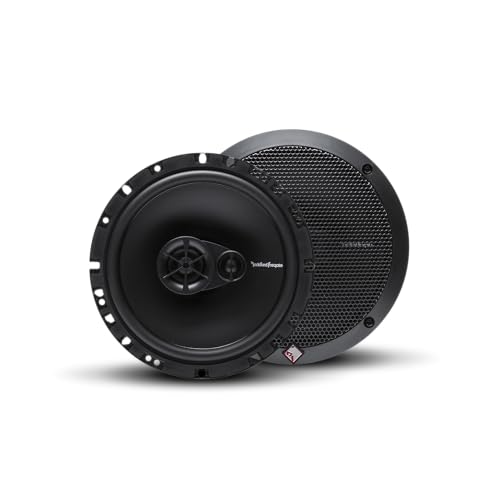
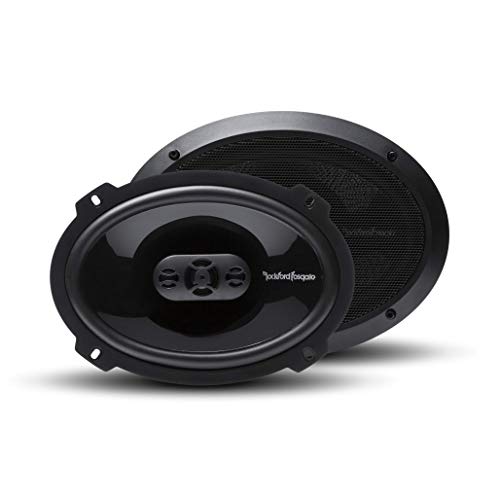


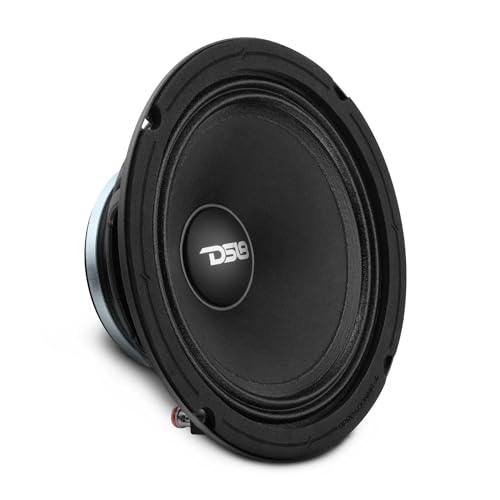

Competition Speakers 101: The Basics
In car audio competition, speakers fall into two broad camps. Sound quality classes reward balance, staging, and detail at normal listening levels. SPL classes reward maximum output, meaning how loud the system can play without falling apart. Many first builds try to do a bit of both, but the speakers you choose should lean toward the class you plan to enter.
A speaker converts electrical power into moving air. The cone, surround, voice coil, and magnet all decide how much air it can move and how cleanly. Bigger drivers move more air for bass, while smaller drivers handle voices and cymbals with more precision. That is why serious systems split the work across subwoofers, mid range drivers, and tweeters rather than asking one speaker to do everything.
Before you buy anything, read the rule book for the organization and class you plan to enter. Rules can limit driver count, amplifier power, battery numbers, and where equipment may be mounted. A build that ignores the rules may sound great and still be turned away at the gate. Checking early costs nothing and shapes every smart purchase that follows.
Your amplifier and electrical system are part of the speaker decision. A high output speaker starved of power will distort early, and distortion is what judges punish and what damages drivers. Plan the whole chain together: head unit, amplifier, speakers, wiring, and the battery and alternator that feed them.
Key Specs Explained in Plain English
Sound Quality and Tuning
Sound quality starts with a smooth frequency response, meaning no range of notes shouts over the others. Large drivers give authority in the bass, while quality tweeters keep cymbals crisp without harshness. Tuning matters as much as hardware: crossover points, equalizer settings, and time alignment decide whether the system sounds like one stage or a pile of parts. Budget time for tuning, because judges hear setup as much as gear. Shoppers building door locations should also read our guide to the best competition door speakers.
Power Handling and Sensitivity
Power handling, quoted as RMS watts, tells you how much clean amplifier power a speaker can take all day. Peak watts are a marketing figure, so ignore them. Sensitivity, quoted in decibels, tells you how loud a speaker plays on a given amount of power. A more sensitive speaker reaches competition volume with a smaller amplifier, which saves money and electrical strain. Match RMS ratings between amp and speakers, with a little headroom on the amplifier side.
Impedance and System Load
Impedance, measured in ohms, is the load the speaker presents to the amplifier. Most car speakers are 4 ohm, and wiring drivers in pairs can drop the load to 2 ohm or lower. Lower loads draw more power and more heat, and not every amplifier stays stable there. Check your amplifier manual before you wire anything. A stable, cool running system finishes every run; an overheated one shuts down in front of the judges.
Fit, Mounting Depth, and Enclosures
The best speaker on paper is useless if it does not fit your doors or your enclosure. Measure mounting depth, cutout diameter, and clearance for the window mechanism before you order. Subwoofers also need the right box volume, and the enclosure design often changes output more than the driver itself. Sealed boxes sound tight and controlled, while ported boxes play louder at their tuning frequency. Follow the maker guidance for box size as your starting point.
Connectivity and Source Quality
Your speakers can only play what the source sends them. A head unit or processor with clean preamp outputs, proper gain structure, and modern Bluetooth gives the system a quiet, detailed signal. Bluetooth 5.3 and quality codecs reduce dropouts and delay for streamed music, while a wired connection still gives the most consistent signal for judging runs. Keep firmware updated on digital sources, because updates often fix pairing and noise issues.
Durability and Water Resistance (IP Rating)
Competition cars live hard lives: heat in parked cabins, vibration at full volume, and dust at outdoor events. Look for rigid cones, strong surrounds, and terminals that grip wire firmly. If your build competes at outdoor shows or your doors see rain through open windows, moisture resistant materials matter. An IP67 rating is rare on car speakers, but treated cones and sealed leads are practical signs a driver is built for real conditions. Store spare drivers in a case to protect them between events.
Rookie Mistakes to Avoid
- Chasing peak watt numbers. Peak ratings sell boxes but tell you nothing. Compare RMS power and sensitivity instead.
- Underpowering big drivers. A starved amplifier clips, and clipping destroys speakers faster than clean power ever will.
- Skipping sound deadening. Door panels that rattle steal output and annoy judges. Treat the panels before you upgrade drivers again.
- Ignoring the electrical system. Dimming lights mean voltage is dropping. Upgrade wiring and grounding before adding more amplifier.
- Buying before measuring. Mounting depth and door clearance end more first builds than any spec. Measure twice, order once.
Getting Started: Setup and First Use
Start by setting amplifier gains with a test tone and a meter or by ear at modest volume, never by turning the gain knob to maximum. Play familiar tracks and listen for distortion as you raise volume slowly. Set crossovers so each driver works in its comfort zone, with subwoofers low, mid range in the middle, and tweeters high.
Break in new drivers with a few hours of moderate listening before a full volume run, because surrounds loosen slightly with use. Recheck mounting screws after the first week, since vibration works hardware loose. Keep firmware updated on your head unit or processor, and store removable drivers and demo discs in a case to protect them. Small habits like these keep a first system consistent from event to event.
FAQs
How much power do I need for competition speakers?
Match the amplifier RMS output to the speaker RMS rating as closely as you can, channel by channel. A modest surplus of clean amplifier power is safer than a deficit, because underpowered amplifiers clip at high volume. For a first sound quality build, about 50 to 100 watts per channel goes a long way. SPL builds need far more, plus the electrical upgrades to feed it.
What size speakers fit my car?
Most cars accept 6.5 inch drivers in the front doors, but factory sizes vary, and depth is the real limit. Measure the factory speaker and the space behind it before ordering, and note whether an adapter ring is needed. Choosing the factory size keeps the install reversible and avoids cutting metal. Our guide to best competition speakers cars covers fitment by vehicle type in more detail.
Is sound deadening worth the extra cost?
Yes, for almost every build. Deadening door skins and panels lowers vibration noise, tightens mid bass, and lets judges hear detail instead of rattles. It often improves a system more than stepping up one price tier of speakers. Start with the front doors and the trunk or hatch area. If budget is tight, deaden first and buy speakers second, because the treatment stays useful through future upgrades.
Do I need a special codec for Bluetooth streaming?
No special codec is required to compete, but a stable, low noise connection helps. Modern Bluetooth with a quality codec keeps streamed music clean and free of dropouts during demos. For judged runs, many competitors use wired or stored media to remove any doubt about signal quality. What matters most is a quiet source with proper gain settings, not the logo on the wireless standard.
Wired or wireless: which sounds better?
A wired connection sounds more consistent because it avoids compression and pairing hiccups entirely. Wireless streaming is far more convenient for daily driving and casual demos, and modern codecs sound close enough that most listeners cannot tell them apart on the road. Use wireless for everyday enjoyment and wired media for judging. Either way, clean recordings matter more than the connection type. For general home and portable listening, see our guide to the best bt speakers.
Our Verdict
Decide your class first, then buy on RMS power handling, sensitivity, and fit, in that order. A balanced system with careful tuning beats a pile of expensive parts every time, and mid range specialists in our guide to the best competition mid range speakers show how much the middle frequencies matter. Shoppers chasing pure clarity can also compare notes with the best sounding speakers guide. The best competition speakers for your car are the ones your amplifier can drive cleanly and your doors can hold, so check the product table at the top of the page before you order.


