
Best Competition Mid Range Speakers at Every Price: What Your Money Really Gets You for 2026
Disclosure: We may earn a commission when you buy through links on this page, at no extra cost to you. As an Amazon Associate I earn from qualifying purchases. Learn more

Compare the best competition mid range speakers by price tier, driver size, power handling and tuning so you can choose a setup that fits your goals well.
Competition midrange drivers span a huge price range, from simple stamped steel pairs to precision built drivers that cost more than a full basic system. Spending more does not help if the extra money buys output your amplifier cannot support or detail your install cannot reveal. This guide to the best competition mid range speakers shows what each price tier actually delivers, which upgrades matter on a score sheet or at a demo, and where you can save without losing volume or clarity.
Start with your class rules, your available mounting depth, and the power you truly have on tap. Those three limits narrow the field faster than any price tag, and the product table at the top of the page will make more sense once you know them.

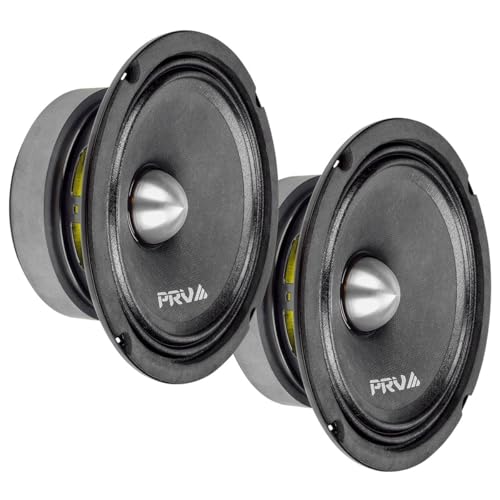

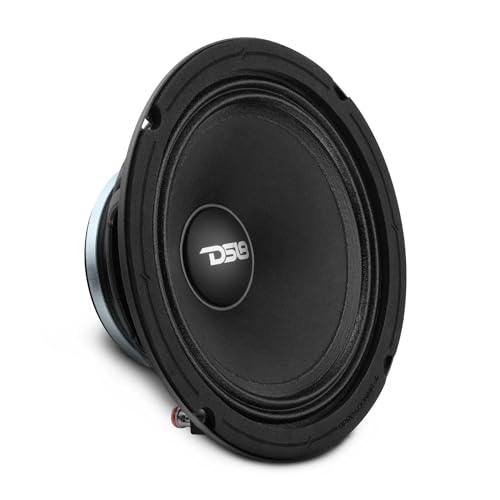

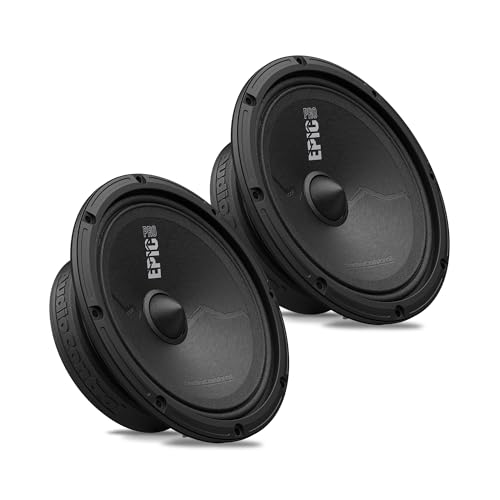


Three Budget Levels Compared
Models change fast, and a fair choice depends on your vehicle and amplifier. Use the three levels below as checklists when you scan the product table at the top of the page, and match each level to the job your midrange drivers must do.
Best Budget Level: Loud and Simple
Budget level drivers suit a first competition style build where the goal is clear vocals and strong output on modest amplifier power. Look for high sensitivity ratings, because a driver that plays louder per watt lets a small amplifier stay clean. Paper or treated paper cones are common here and sound fine when crossed over correctly. The tradeoff is power handling, so keep the high pass filter conservative and avoid forcing deep bass from a driver that was never built for it.
Best Midrange Level: Balance of Output and Control
The middle level is where most builders should shop. You typically get stronger motors, better voice coil cooling, sturdier baskets, and smoother response through the vocal range. That combination holds clarity when volume climbs during a long demo. If your build also serves as a daily music system, start your search with our guide to the best mid range speakers, then filter for the higher sensitivity and power handling that competition use demands.
Best Premium Level: Built for Score Sheets
Premium drivers earn their price through consistency. Tighter build tolerances, larger voice coils, and stronger magnetic assemblies keep a pair matched and composed at extreme output. Some add phase plugs or shaped surrounds that smooth response near the top of the midrange band. The limitation is rarely sound; it is install cost, because premium drivers often need custom pods, more amplifier channels, and careful tuning time to show what they can do.
What Your Money Gets You at Each Price Tier
Budget Tier: What to Expect
At around $50 to $120 per pair, expect honest output, basic crossovers or none at all, and terminals that need gentle handling. Frequency response charts may be optimistic, so buy from sellers with clear return terms. This tier works for learning tuning basics, because mistakes are cheap and the lessons transfer when you upgrade. Spend your remaining budget on solid mounting and sound treatment, which improve even entry level drivers more than a small step up in price would.
Midrange Tier: The Sweet Spot for Most Buyers
Around $120 to $300 per pair usually buys the largest real world jump. Voice coils grow, cooling improves, and published specifications become more trustworthy, which makes pairing drivers with amplifiers far easier. Many drivers in this band also offer replaceable parts or better warranty support. For a vehicle build that must play loudly and stay musical, this tier pairs naturally with the options covered in our guide to the best mid range car speakers, where fitment and door mounting get full attention.
Premium Tier: When Spending More Pays Off
Above around $300 per pair, you are paying for refinement at high output rather than simple loudness. Expect flatter response, lower distortion at demo volume, and hardware that survives repeated heat cycles. The gains only appear when the rest of the chain is ready, including clean signal, enough electrical support, and time with a microphone and equalizer. If your install is still basic, a premium driver will mostly expose those weak points instead of hiding them.
Features Worth Paying For and Ones to Skip
Driver Size and Mounting Depth
Size decides both output and fit. A 6.5 inch driver is the common starting point and fits many doors with modest work, while 8 inch and 10 inch drivers move more air and suit custom builds with sealed pods or reinforced doors. Bigger is not automatically better, because a large driver in a shallow, rattling door can sound worse than a smaller driver mounted rigidly. Measure depth, window clearance, and panel space before you fall in love with a diameter.
Sensitivity and Power Handling Together
Read these two numbers as a pair. Sensitivity tells you how loud the driver plays on one watt, and power handling tells you how much clean power it can take before heat and distortion win. A high sensitivity driver on a small amplifier often outperforms a power hungry driver that never gets fed properly. Match the amplifier rating at the same impedance the driver presents, and leave headroom so peaks stay clean during long demo sessions.
Cone, Surround, and Voice Coil Materials
Materials shape durability more than marketing claims suggest. Treated paper stays light and sounds natural, pressed pulp with weather resistant coatings suits doors that see moisture, and fiber blends add stiffness for high output builds. Rubber surrounds tolerate heat and humidity better than foam over years of use. Voice coil diameter matters for cooling, and a larger coil with venting under the spider will hold composure longer when you lean on the volume control.
Crossover and Tuning Support
A midrange driver only does its job inside the band you assign it. Whether you use passive crossovers or a digital signal processor, you need a high pass filter that protects the driver and a low pass point that hands off cleanly to your tweeters or horns. Pay for tuning access before cosmetic extras. A simple method: set the high pass first, play a familiar vocal track at moderate volume, and raise the crossover point if voices thin out or strain, because strain means the driver is working below its comfort zone.
Long Term Costs to Factor In
The drivers are only part of the bill. Budget for mounting rings or custom pods, sound deadening for the panels around them, wiring that matches your amplifier current, and a processor or upgraded head unit if your system lacks real crossover control. Heat damaged voice coils and blown drivers bought twice cost more than one correct purchase, and a modest reserve for installation help protects the warranty on many higher priced models.
Frequently Asked Questions
What size competition mid range speaker do I need for my vehicle?
Most vehicles should start with 6.5 inch drivers because they fit common locations and balance output with control. Move to 8 inch drivers only when you can build a rigid, sealed mounting surface and feed them proper power. Measure mounting depth and door clearance with the window fully down before ordering, because that single measurement prevents the most common and most frustrating return in this category.
How long do competition mid range speakers last?
A well installed set can last many years, often five to ten, when it stays within its power and frequency limits. Heat is the main enemy, so distortion during long demos shortens life faster than age does. Foam surrounds age sooner in hot climates, while rubber surrounds and treated cones hold up longer. Inspect surrounds and terminals once a year and fix small mounting rattles before they grow.
How much amplifier power do competition mid range speakers need?
Match the amplifier to the driver rating and lean on sensitivity first. An efficient driver can sound strong on about 50 to 100 watts per channel, while lower sensitivity models may want 150 watts or more to reach the same clean output. Always confirm ratings use the same standard and impedance. If your electrical system sags on bass heavy passages, fix charging and grounding before blaming the speakers.
Do competition mid range speakers work for daily listening at home?
They can, but most are voiced for high output in reflective vehicle cabins rather than relaxed home listening. In a living room, a dedicated home design usually gives smoother response at normal volume, which is why our guide to the best mid range bookshelf speakers is the better starting point for a home setup. If you do run competition drivers at home, use an enclosure sized for the driver and keep expectations realistic.
Is a digital signal processor worth paying extra for with competition speakers?
Yes, for most serious builds a processor is worth more than a step up in driver price. It gives you exact crossover points, time alignment, and per channel equalization, which together protect the drivers and pull the vocal image into focus. Even a basic processor reveals differences between drivers that a tone control never will. If the budget forces a choice, buy the midrange tier driver plus a processor.
Final Thoughts
Choose by fit, sensitivity, and power handling first, then let price tier decide the refinement level. The best competition mid range speakers for your build are the ones your amplifier can feed cleanly and your panels can hold rigidly at full volume. Compare your shortlist against the product table at the top of the page, confirm depth and impedance twice, and put the money you save toward mounting and tuning, where it pays off every time you press play.


