Best Compact Circular Saw in 2026: Buying Guide
Disclosure: We may earn a commission when you buy through links on this page, at no extra cost to you. As an Amazon Associate I earn from qualifying purchases. Learn more

A compact saw handles shelves, trim and sheet goods with less weight: here is how to choose the best compact circular saw.
A full size circular saw can feel like too much tool for shelf boards, trim, and small repairs. A compact model gives you the same basic cutting action in a lighter body that is easier to lift, guide, and store. Finding the best compact circular saw for your projects comes down to cutting depth, power source, and fit in your hands, and the product table groups the main types so you can compare those points.
This guide walks through the types for sale, the features that change how a saw cuts, and the price bands worth considering. It also explains where a compact saw reaches its limits.

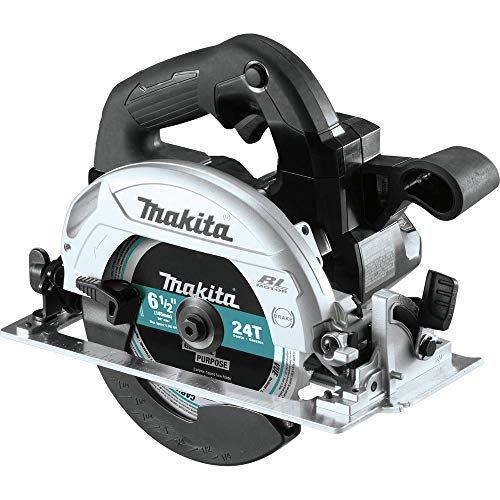

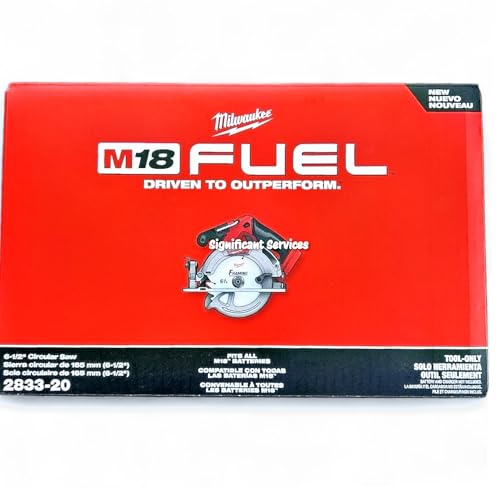


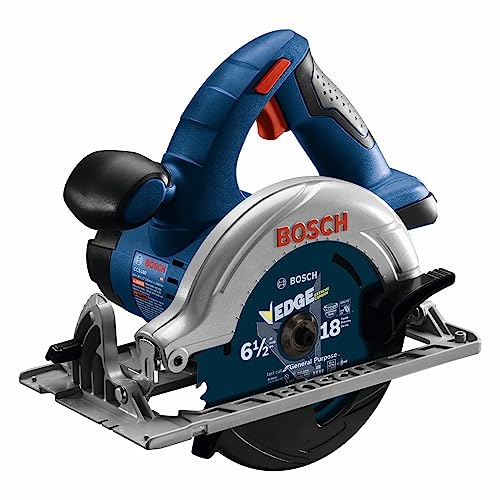

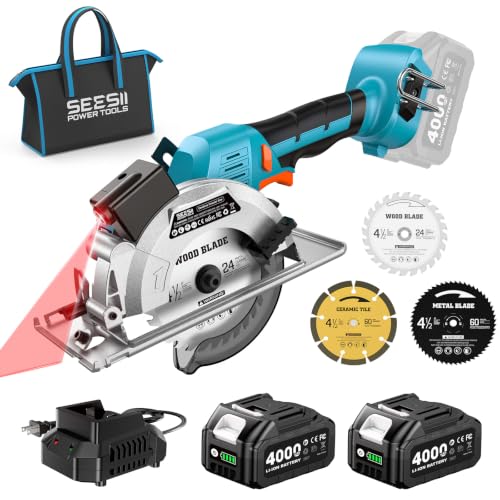
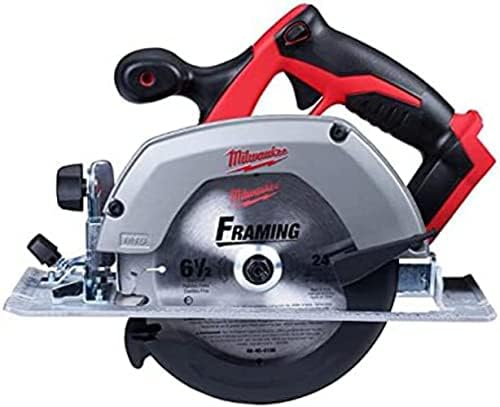
Compact Saw Types Compared
Compact circular saws fall into three broad types, and the type matters more than any single spec. Your power source and the stock you cut most often should point you to one type quickly. If you are still weighing this size class against every other option, see our guide to the best circular saw for the full range of sizes.
Cordless Compact Saws
Cordless compact saws are the most common choice for home use. A battery sits at the rear of the body, the motor drives a blade of about 6 1/2 inches, and there is no cord to drag across the workpiece. They suit plywood sheets, shelf boards, and framing lumber in short sessions. The main limits are runtime and the cost of spare batteries, since a drained pack stops work until it charges again.
Corded Compact Saws
Corded compact saws trade freedom of movement for steady power that never fades during a long session. They tend to cost less than cordless models with similar depth, and they weigh less with no battery at the back. They make sense in a garage where an outlet is always within reach. The cord needs care, since it must stay behind the saw and clear of the blade path.
Brushless Compact Saws
Brushless compact saws sit at the upper end of the category and use an electronically controlled motor with no carbon brushes to wear down. That usually means more power from the same battery, longer runtime per charge, and less motor upkeep. They are worth considering if you cut dense hardwood or sheet goods often. Expect to pay more up front, with the gain mattering most in heavy weekly use.
What This Guide Compares
This guide weighs power and performance first, followed by battery platform and runtime, ergonomics and weight, durability, and warranty length. Each factor below is explained in plain terms so you can weigh a saw on the points that match your work.
How to Choose the Right Circular Saw
Start with the stock you cut most, then work through the factors below in order. Blade size sets your cutting depth, and the power source shapes your work session. For a broader walkthrough covering every saw size, our notes on how to choose a circular saw add useful background.
Size and Form Factor
Most compact saws use a blade of about 6 1/2 inches, which gives a cutting depth of roughly 2 1/4 inches at 90 degrees. That depth covers two by four lumber and most sheet goods in one pass. Smaller mini saws cut shallower and suit thin panels, while the standard 7 1/4 inch size adds depth you may never need at home. A compact body also keeps the saw narrow, so you can see the cut line and work in tighter spaces.
Saw Type and Layout
Nearly all compact saws use a sidewinder layout, where the motor sits beside the blade and drives it directly. This keeps weight down and the body short, which is the whole point of the category. Worm drive saws place the motor at the rear for more torque, but they are longer and heavier, so they sit outside the compact class. For general home cutting, the sidewinder layout is the practical default.
Features Worth Paying For
A laser guide projects a line on the stock that helps you start a cut on your mark, though it should never replace a drawn line and a steady hand. A rip fence slides into the shoe and guides cuts parallel to an edge, handy for trimming doors and ripping narrow boards. An electric brake stops the blade quickly once you release the trigger, a real safety gain. Dust ports and work lights also earn their cost, while decorative trim and bundled blades of low quality do not.
Cordless and Corded Power
Cordless models free you from outlets and let you cut anywhere, from a driveway to an attic, but cutting time depends on battery capacity and stock density. Corded models run as long as you need and often cost less, which is why our guide to the best corded circular saw is worth reading if your work stays in one place. If you rarely cut for more than an hour at a stretch, cordless convenience usually wins. If you mill sheet goods all afternoon, steady corded power is hard to beat.
Battery Platform
For a cordless saw, the battery platform is a long term decision, because packs and chargers rarely swap between brands. If you already own cordless tools, choosing a saw that shares their batteries can save money and shelf space. Look at the amp hour rating of included packs, since larger packs run longer but add weight.
Also check what a spare pack costs. A saw that looks cheap can turn costly once you add the second battery that steady work demands.
Brushless Motors
A brushed motor uses carbon brushes that press against a spinning contact, and those brushes wear down over time. A brushless motor replaces that contact with electronic control, which cuts friction, reduces heat, and draws more work from each battery charge. In a compact saw the gains are stronger cutting in dense stock and longer runtime, not a different kind of cut.
If you cut only softwood and plywood a few times a year, a brushed motor serves fine. Frequent users feel the brushless advantage sooner.
Accessories and Warranty
The accessories in the box change the real price of a saw. A sturdy case protects the shoe and blade, a rip fence saves buying one later, and an included blade gets you cutting at once. Check whether a charger is included with cordless models, since bare tool packages leave it out.
Warranty terms vary, with many makers covering the tool body for a few years and batteries for less. Keep your receipt, so a claim stays simple.
How Much Should You Spend?
Basic corded compact saws often cost about $50 to $100 and cover light home cutting well. Cordless models with one battery and a charger tend to fall around $100 to $200. Brushless models and kits with two large batteries can run about $200 to $300.
Spending more mainly buys runtime, a stronger motor, and better guides and brakes, not a different cutting depth. Set your budget by how often you cut, and put leftover money toward a good blade and eye and ear protection.
Is a Compact Circular Saw the Right Size for You?
A compact saw is the right size when most of your cutting is sheet goods, shelf and trim boards, deck repairs, and the odd two by four. It handles those tasks with less weight and bulk than a full size saw, and its shorter body is easier to control on sawhorses. For thin panels and flooring alone, the even smaller tools in our guide to the best mini circular saw may fit better.
There are clear limits. Deep cuts in thick beams, long rip cuts in dense hardwood, and all day framing push past what this size does comfortably, and forcing a small saw strains the motor. If your projects lean that way, a full size saw is the honest choice. If dead straight furniture grade cuts in plywood are your main goal, the comparison in circular saw vs track saw explains what a guided rail adds.
Common Mistakes to Avoid
- Buying by blade size alone, then finding bevel depth too shallow for angled cuts in thick stock.
- Choosing a cordless saw from a battery platform you do not own, then paying far more than planned for packs and a charger.
- Using the coarse blade from the box for finish work, which tears the surface of plywood and trim.
- Setting the blade far deeper than the stock requires, which exposes more blade and makes the saw harder to control.
- Cutting unsupported sheet goods that sag and pinch the blade, a common cause of rough cuts and kickback.
- Storing the saw with a bent shoe or damaged guard, so the next cut starts with accuracy and safety already lost.
Care and Maintenance
Unplug the saw or remove its battery before any cleaning or blade change. Brush dust from the motor vents and the lower guard after each session, since packed dust traps heat and can slow the guard as it snaps back over the blade. Check that the guard moves freely and covers the blade fully when the saw is lifted from a cut. If it sticks, clean the pivot area rather than tying the guard back.
Inspect the blade for missing teeth, cracks, and pitch buildup, and replace a damaged blade rather than trying to straighten it. Keep the shoe flat and clean, and check the depth and bevel locks for firm hold. Have worn brushes, frayed cords, or a faulty switch handled by a qualified repair service. Stop using the saw and seek professional help if it sparks heavily, smells of burning insulation, or vibrates in a new and strong way.
FAQ
Can a compact circular saw cut a two by four in one pass?
Yes, in most cases. A two by four laid flat presents about 1 1/2 inches of thickness, within the cutting depth of a typical 6 1/2 inch blade at 90 degrees. The closer call comes at a 45 degree bevel, where depth shrinks and the same board sits near the limit of many compact models. Make bevel cuts in thick stock slowly, support the offcut so it cannot bind the blade, and check the rated bevel depth before you rely on it.
Is a compact circular saw a good first saw for a new homeowner?
For many new homeowners, yes, since the lighter body is easier to guide and less tiring on small jobs like shelving and fence boards. The smaller size does not make it a toy, though, and it deserves the same respect as any power saw. Read our guide on how to use a circular saw before your first cuts, wear eye and ear protection, and practice on scrap until starting, guiding, and stopping the saw feel routine.
Can a compact circular saw cut metal or masonry?
Only with the right blade and only within narrow limits. Abrasive wheels and blades made for metal can cut thin sheet, conduit, and some tile, provided the blade rating matches the saw speed and the maker allows that use. These jobs throw more sparks, heat, and dust than wood cutting, so eye protection and a dust mask matter even more. Thick steel and deep masonry cuts belong to tools built for them.
Do compact circular saws need a rip fence for cutting plywood?
No, a rip fence is optional, and for full plywood sheets it is often the weaker choice. A fence only guides cuts near an edge, since its reach is short, so wide panels still wander. A clamped straight board gives a longer and steadier reference across a full sheet. Use the fence for narrow rips along a board edge, and reach for a clamped guide whenever the cut runs far from any edge.
Final Thoughts
The product table pulls the main types together, so use it to match blade size, power source, and price band against your work. Choose cordless if freedom matters most, corded if your bench is home base, and brushless if you cut often. Picked with those points in mind, the best compact circular saw is the one whose depth, weight, and platform fit your projects without wasted cost. Prices and availability can change, so check the product page before ordering.