
Best Communication Speakers Made Simple: A Clear Buying Guide for 2026
Disclosure: We may earn a commission when you buy through links on this page, at no extra cost to you. As an Amazon Associate I earn from qualifying purchases. Learn more

Shopping for the best communication speakers for the first time? Learn the terms, compare options, and avoid rookie mistakes with this easy guide.
If voices on calls sound muffled, distant, or tiring to follow, the speaker is often the weak link rather than the microphone or the app. Communication speakers are built for clear speech first, whether that means a conference table, a home office desk, a classroom, or a small meeting room. This plain language guide introduces the best communication speakers step by step, from basic terms to a confident first purchase.
You do not need audio engineering knowledge to choose well. You need to know your room size, how you connect, and how long your calls run. Work through the basics and the specification explanations below before you decide.




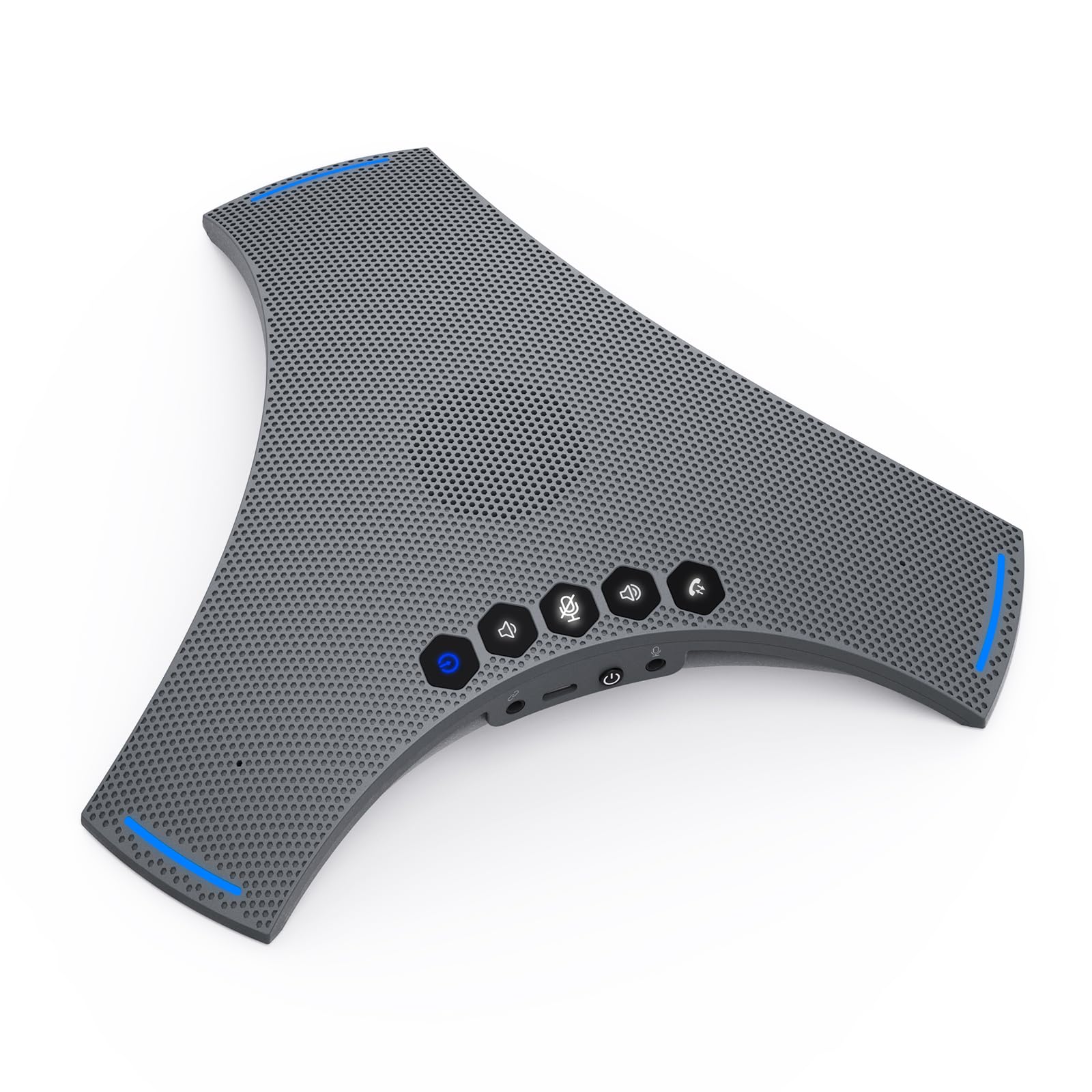
Choosing the Best Communication Speakers: The Basics
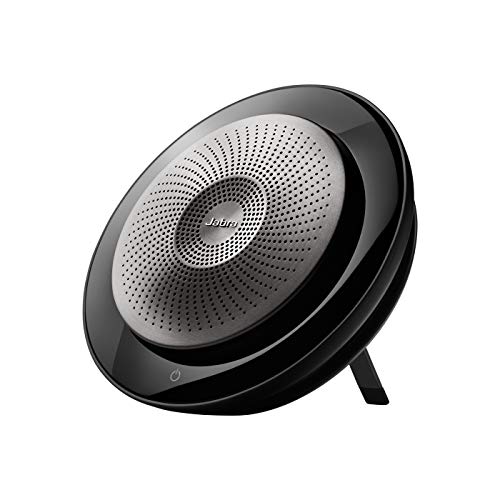
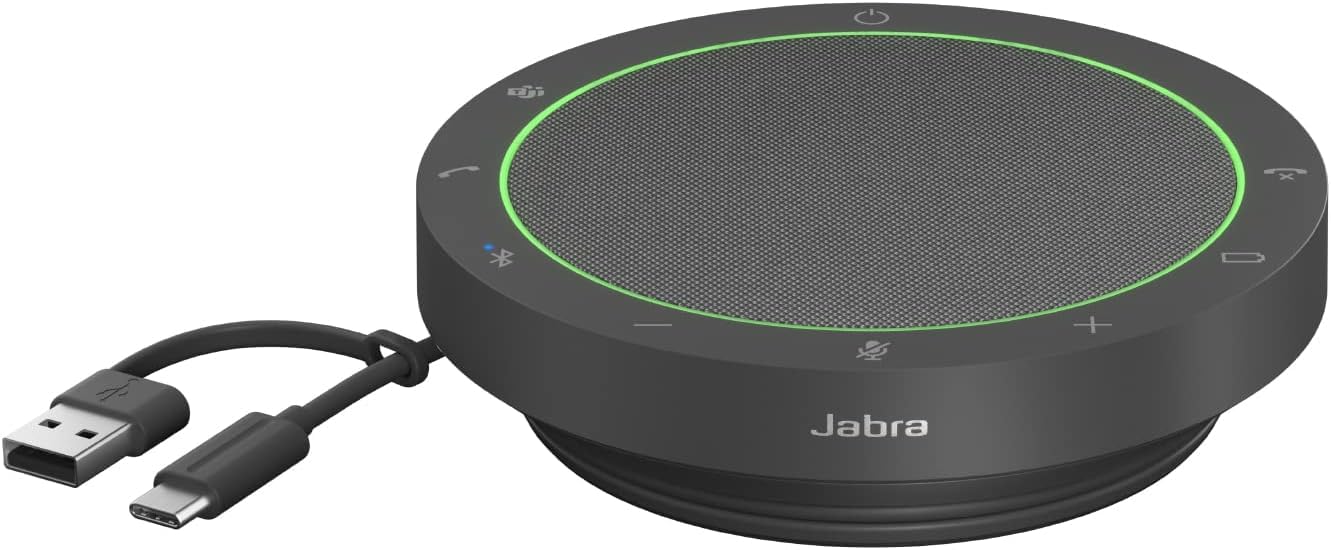
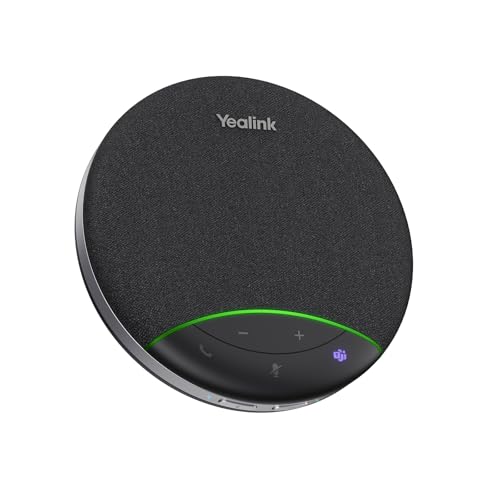
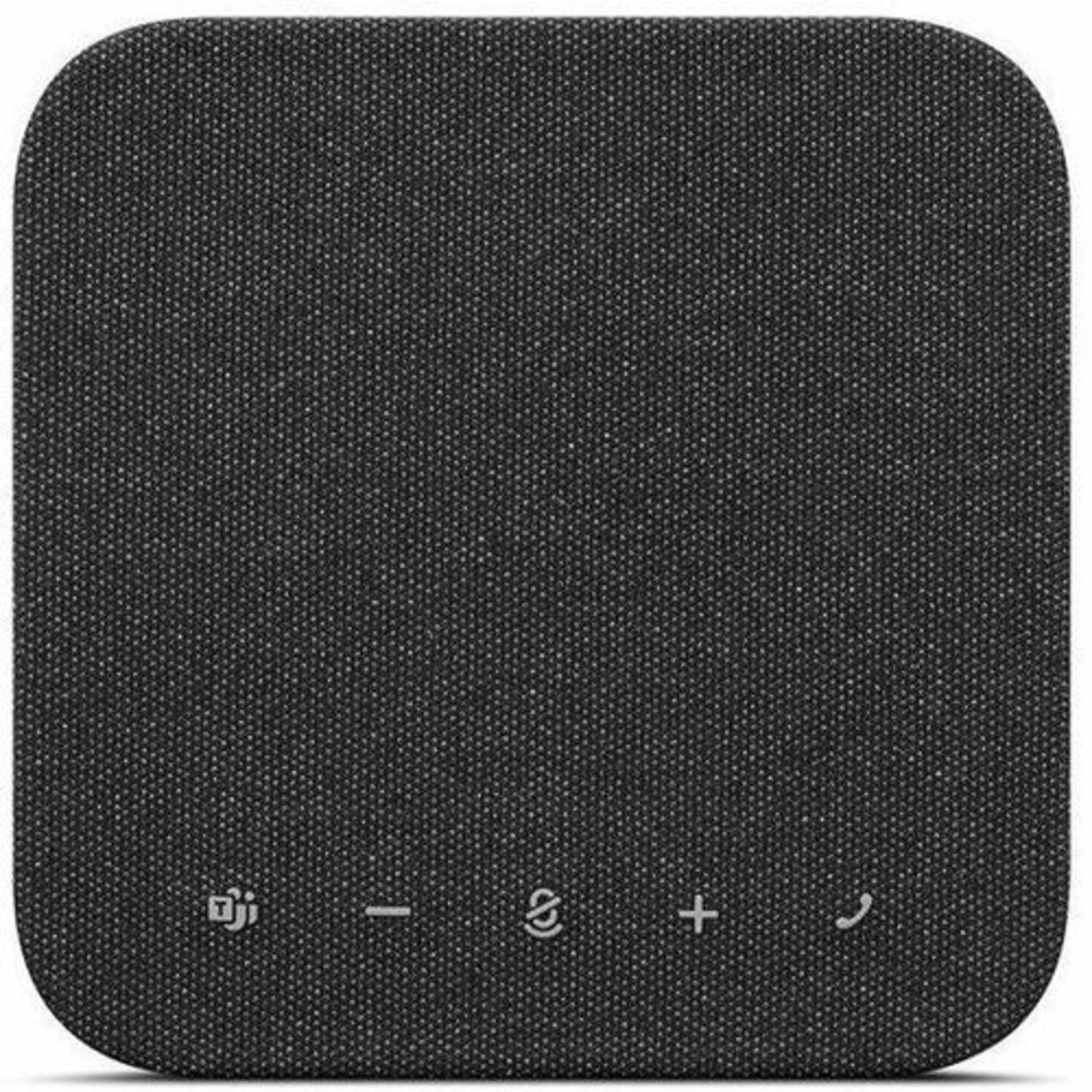
A communication speaker is any speaker designed mainly to make voices easy to understand. Many models combine a speaker with built in microphones and call controls, forming a speakerphone that plugs into a laptop or pairs with a phone. Others are simple powered speakers that play the far end of a call, a lecture, or an announcement with extra clarity and volume.
The core idea is intelligibility. Music speakers often boost bass and sparkle for excitement, while communication models keep the middle frequencies, where consonants and speech detail live, clear and forward. Echo control and noise reduction in speakerphone models stop the far end from hearing its own voice bounced around your room. Once you judge every option by how easily you can follow words at a comfortable volume, the rest of the shopping decisions become much simpler.
Key Specs Explained in Plain English
Spec sheets look technical, but each number answers a simple question about your room and your routine. Read them in the order below and most models will sort themselves into suitable or unsuitable very quickly.
Sound Quality and Tuning
Driver size tells you how much air the speaker can move, and a larger driver usually fills a bigger room without strain. Frequency response describes the range of tones, but for speech the middle band matters far more than deep bass. A neutral or voice focused tuning keeps words crisp, while heavy bass can make male voices boom and blur. If a model offers a voice or clarity preset, plan to use it for calls and save fuller settings for music breaks.
Durability and Water Resistance With IP Ratings
IP ratings describe protection against dust and water, written as IP followed by two digits or an X in one position. IPX4 resists splashes, which suits a kitchen or a covered outdoor class, while IP67 resists dust fully and survives brief immersion, which suits field work and poolside teaching. Indoor desk models often carry no rating at all, and that is fine when the speaker will live beside a laptop. Pay for sealing only when your setting truly exposes the unit.
Comfort, Fit, and Weight
Comfort here means listening comfort across long meetings, plus a size and weight that fit your bag or desk. A speaker that sounds clear at low volume spares your ears during back to back calls, so clarity matters more than maximum loudness. Portable units around one to two pounds travel easily, while heavier bases stay put on a conference table and resist knocks. Check that buttons are large and clearly marked, because you will mute and adjust volume by touch mid call.
Battery Life and Charging
Battery life claims assume moderate volume, and real call days with louder settings will run shorter, so treat the printed figure as a best case. For desk use, a model that works while plugged in removes battery worry entirely. For mobile teaching, site work, or hybrid meetings in borrowed rooms, look for at least ten hours of talk time and charging through USB C. A clear battery indicator prevents the classic failure of a speaker dying during the most important call of the week.
Ecosystem and App Features
Some speakers pair with an app that adjusts equalizer settings, updates firmware, and links two units for a larger room. Firmware updates can improve echo control and Bluetooth stability over time, so a maker with a track record of updates adds quiet value. Check compatibility with your meeting platforms and computers before buying, and favor standard Bluetooth and USB connections over any system that locks you into one brand of phone or laptop.
Match the Speaker to Your Main Use
Your main use decides which specs deserve your money. A solo home office worker needs a compact speakerphone with a good microphone and simple USB connection for daily calls. A teacher moving between classrooms needs battery life, a carry friendly weight, and enough volume for thirty students without distortion. A small team sharing one meeting room needs wider microphone pickup and volume that reaches the far end of the table.
Shoppers whose needs lean toward music at a desk can compare our guide to the best bt speakers for smaller Bluetooth options, and readers who care most about tone should see our guide to the best sounding speakers for listening focused models. If your speaker must move rooms daily, a portable Bluetooth speaker may cover carry weight and battery trade offs in more depth.
Portable work also raises a simple choice between one unit and a pair. One speaker keeps setup trivial and suits speech perfectly, since voices sit in the center of a call. A linked pair helps only in long rooms where listeners sit far apart. Our guide to the best mobile speakers explains compact travel setups, while our guide to the best handheld speakers covers the smallest grab and go designs for field briefings.
A useful know how test takes two minutes and predicts satisfaction better than any spec sheet. Play a recorded voice or join a test call, sit in the farthest seat you will use, and check whether you can follow every word at a relaxed volume without leaning in. If you can, the speaker is powerful and clear enough for that room, whatever its headline wattage says.
Rookie Mistakes to Avoid
- Buying for maximum volume instead of clarity, then running the speaker loud and harsh all day.
- Ignoring microphone pickup range on a speakerphone, so people at the far end of the table sound faint.
- Placing the speaker in a corner or inside a shelf, where reflections smear speech and feed echo back to callers.
- Forgetting connection basics, such as whether your laptop has the right port or whether Bluetooth pairing is allowed at work.
- Skipping firmware updates and then blaming the hardware for pairing bugs that an update already fixed.
Getting Started: Setup and First Use
Start by charging the unit fully and updating its firmware before your first real call. Place it on a stable surface near the main listeners, away from walls and corners where possible, and connect through USB for the most stable link or Bluetooth for freedom of placement. Run a short test call with a colleague, walk to each seat, and adjust volume and any voice preset until speech sounds even across the room.
Finish with small habits that protect your purchase. Store a portable unit in a case to protect its drivers and grille during travel, keep the charging cable with it, and label the mute button for anyone who shares the room. Write down the pairing steps on a card kept with the speaker, because the person setting up a meeting under time pressure will thank you for it.
Communication Speakers: Your Questions Answered
What IP rating do I need for outdoor use?
For covered outdoor use, IPX4 splash resistance is usually enough because the speaker stays out of direct rain. For open air classes, site briefings, or poolside work, choose IP65 or IP67 so dust and stronger water exposure cannot reach the inside. Remember that a rating assumes all port covers are closed, so a unit charging through an open flap outdoors loses much of its stated protection.
Wired or wireless: which sounds better?
A wired USB or auxiliary connection sounds the most consistent and never drops out, which makes it the safe default for important calls at a fixed desk. Bluetooth sounds very close for speech and gives you placement freedom in rooms without a spare outlet nearby. Many first time buyers use both, keeping a cable in the drawer for big meetings and going wireless for everyday calls around the home office.
Is ANC worth the extra cost?
For a speaker, active noise cancelling is seldom the feature to pay extra for, because true ANC is designed for headphones worn by one listener. What helps a room is noise reduction on the microphone side, which cleans your voice for the far end, plus echo control. Spend your budget on those processing features and on clear drivers, and callers will notice the difference immediately.
How long does the battery last?
Most portable communication models run roughly ten to twenty hours of calls per charge at moderate volume, with louder outdoor use shortening that figure. Speakerphone talk time is the number to compare, since standby figures look generous but tell you little. If your call days are long, choose a model that also works while plugged in, and recharge it as part of your end of day routine.
Do I need a special codec?
No special codec is required for clear speech on calls, because standard Bluetooth audio already carries voices well. Codecs such as AAC or aptX can add a little polish for music played from a phone, but they will not rescue a weak microphone or a poorly placed speaker. Check that your phone or laptop and the speaker share at least one modern codec, then judge models by a real voice test instead.
Wrapping Up
Judge your first purchase by speech clarity in your farthest seat, microphone pickup for everyone who will speak, and a connection that matches your computer and phone. Everything else is refinement. The product table above gives you a fast comparison of sizes, batteries, and ratings. Chosen with those priorities, the best communication speakers will make every call easier to follow from the very first meeting.

