
Best Commercial Hand Dryers for Every Need: How to Pick the Right One for 2026
Disclosure: We may earn a commission when you buy through links on this page, at no extra cost to you. As an Amazon Associate I earn from qualifying purchases. Learn more
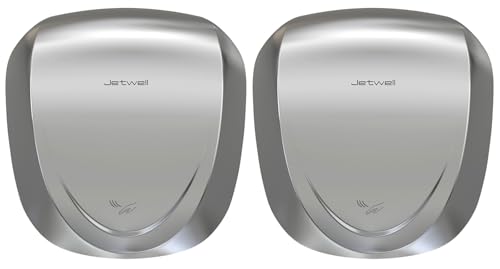
Compare the best commercial hand dryers by dry time, mounting style, power needs, noise, and durability so you pick the right unit for your restroom traffic.
No single dryer suits every restroom, so the best commercial hand dryers for a quiet office differ from the right unit for a busy school hallway. The comparison table below gives you a quick view of the main types, and the rest of this guide explains how to match dry time, mounting style, power, and noise to your traffic and your budget.
Choosing the best commercial hand dryers is mostly a matter of traffic, wiring, and noise. Start with how many people will use the restroom each day, then check your wiring and wall space before you compare models. A fast dryer in the wrong spot still creates a queue, and a quiet unit that needs a circuit you do not have will cost more to install than you planned.
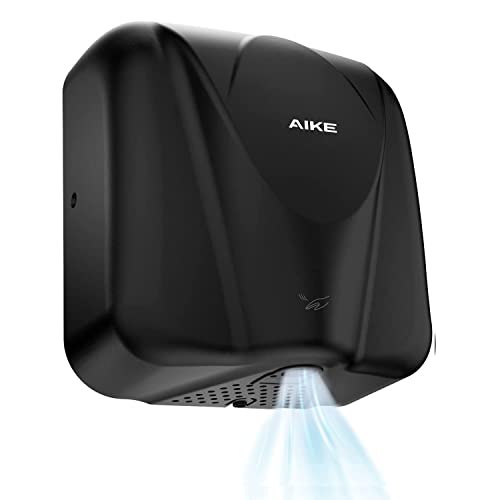
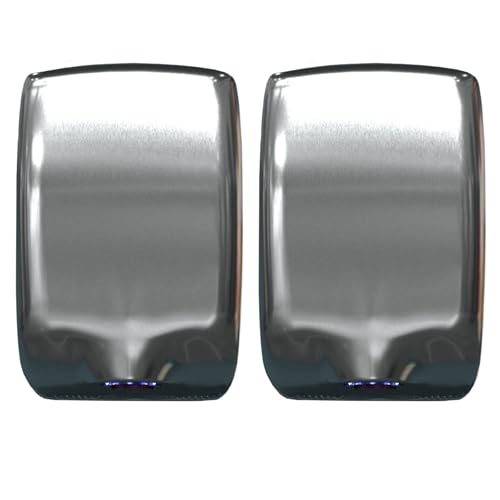
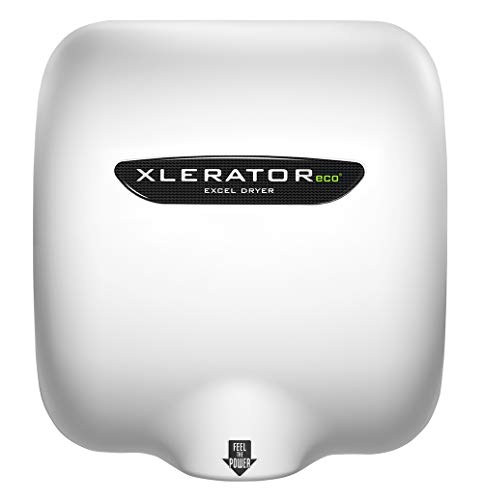
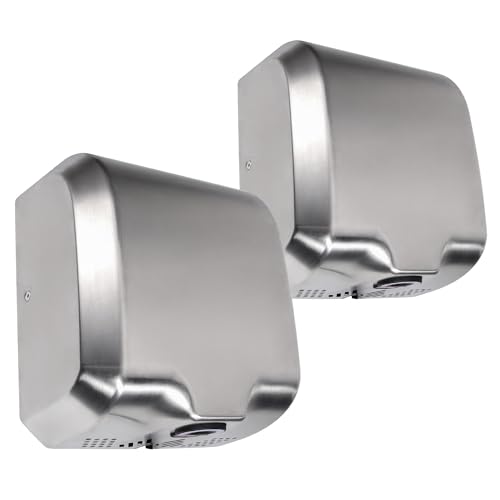


Who Should Buy Which Commercial Hand Dryers?
Commercial buyers are not all chasing the same thing. Some need speed above all else, some need quiet operation, and some need a unit that survives constant use with little attention. The groups below help you see which priorities matter most for your setting.
For Offices and Small Workplaces
Offices usually see steady but modest traffic, so a mid speed dryer with a moderate noise level often fits best. Look for a unit that mounts neatly on a standard wall, runs on a common circuit, and includes a simple filter or intake screen you can clean without tools. A slim profile also helps in a small restroom where every inch of wall space counts, and a neutral finish blends with most interiors.
For Restaurants and Cafes
Restaurants face sharp peaks at lunch and dinner, so dry time matters more here than in an office. A faster dryer shortens the queue at the sink and keeps the restroom moving during a rush. Choose a housing that wipes clean easily, since splashes and food residue reach restroom walls faster in a dining setting, and check that the unit can handle back to back use without overheating.
For Schools, Gyms, and Public Buildings
High traffic buildings need durability first. Students and gym members use dryers hard, so a sturdy housing, a protected sensor, and a motor built for frequent starts will last longer than a light duty unit. Tamper resistant fasteners and a design with few exposed parts also reduce the chance of damage, and a washable filter keeps airflow strong between cleanings.
For Buyers Who Want the Fastest Drying
Some buyers will pay more for the shortest dry time, and that choice makes sense where queues form often. Fast dryers usually use a high speed air stream and a stronger motor, so check the power draw and noise level before you commit. A very fast unit can be loud, so it may suit a transit station better than a small clinic waiting area next door.
Key Features to Compare
Compare dryers on the factors that change daily use, not on marketing claims. Dry time, mounting, power, noise, and upkeep together decide whether a unit feels fast and reliable or becomes a source of complaints.
Dry Time and Air Speed
Dry time is the headline number, but it only helps if it matches real use. A dryer that finishes in about 10 to 15 seconds keeps a queue short, while one that takes 30 seconds or more can feel slow during a rush. High speed air streams dry hands faster than warm low speed air, yet they also tend to be louder, so weigh speed against the noise level your space can accept.
Mounting Style and Placement
Most commercial dryers mount on the wall above or beside the sink, and the mounting height affects comfort for children and wheelchair users. Check the depth of the unit too, since a deep housing can crowd a narrow restroom. Follow the maker guide for clear space around the air outlet, and place the dryer where wet hands will not drip across a walkway.
Power and Wiring Needs
Power draw varies widely, and some fast dryers need a dedicated circuit while slower units run on a shared one. Check the voltage and amperage in the maker specs before you buy, and ask a licensed electrician to confirm your panel can support the unit. Follow local electrical rules for restroom wiring, and never attempt a hardwired install yourself unless you are qualified to do so.
Noise Level
Noise matters more than many buyers expect, especially in offices, clinics, and schools. A loud dryer can carry through a thin restroom wall and disturb nearby rooms. If quiet operation matters, look for a stated decibel rating and compare it across units at a similar dry time, since a fast dryer that is also quiet usually costs more than a fast dryer that is loud.
Durability and Upkeep
A commercial dryer should survive daily use for years, so look at housing material, sensor protection, and filter access. Metal housings resist dents better than thin plastic, and a filter you can reach without removing the whole unit makes cleaning a quick job. Ask about warranty length and parts availability too, since a unit that cannot be repaired quickly will sit out of service.
Common Mistakes to Avoid When Buying Commercial Hand Dryers
- Choosing on price alone and ending up with a slow dryer that creates queues during peak hours.
- Ignoring the wiring requirement and discovering after delivery that a new circuit is needed.
- Mounting the dryer too far from the sink, so users drip water across the floor on the way over.
- Skipping the noise check and installing a loud unit next to a quiet office or exam room.
- Forgetting to check filter access, which turns a simple cleaning job into a maintenance call.
Setup and Care Tips
Mount the dryer at the height the maker recommends, and check the sensor range before you open the restroom to users. A sensor set too short forces users to wave their hands, while one set too long can trigger when people walk past. Clean the intake and filter on the schedule the maker suggests, wipe the housing with a damp cloth, and check the mounting screws during routine restroom checks. If airflow weakens, a clogged filter is the first thing to inspect, and a dryer that trips a breaker should be checked by an electrician before it goes back into service.
Frequently Asked Questions About Commercial Hand Dryers
How long do commercial hand dryers usually last?
Most commercial hand dryers last about 7 to 10 years in normal use, though high traffic sites may see a shorter life. Motor type, daily start count, and cleaning habits all affect lifespan, so a unit in a busy transit restroom wears faster than the same unit in a small office. Regular filter cleaning and prompt repair of a failing sensor also extend service life, while ignoring a weakening airflow problem can strain the motor and shorten it further.
What dry time should I expect from a commercial hand dryer?
Expect about 10 to 15 seconds from a high speed unit and about 25 to 35 seconds from a slower warm air unit. Faster times reduce queues, but they usually come with more noise and higher power draw. For a restroom with steady traffic, a mid range dry time often strikes the best balance, since users tolerate a few extra seconds when the dryer is quiet and the air feels comfortable on their hands.
Do commercial hand dryers need a dedicated circuit?
Many fast commercial hand dryers need a dedicated circuit, while slower units may run on a shared one. Check the maker specs for voltage and amperage, and have a licensed electrician confirm your panel and wiring before you buy. Adding a circuit after delivery raises the total cost, so confirming power needs early avoids an unpleasant surprise and keeps the install on schedule.
Are high speed hand dryers too loud for offices?
Some high speed hand dryers are too loud for quiet offices, but not all of them. Noise depends on motor design, housing, and air speed, so compare decibel ratings across units with similar dry times. If your restroom shares a wall with workspaces, choose a quieter unit or add sound absorbing material to the restroom, and listen to a similar unit in a real restroom before you commit to a large order.
How do I keep a commercial hand dryer working well?
Clean the filter and intake on the maker schedule, wipe the housing regularly, and check that the sensor still responds at the right distance. A weak airflow reading usually points to a clogged filter rather than a failed motor, so cleaning comes first. Keep spare filters on hand if your site is busy, and call a qualified technician for electrical faults instead of opening a hardwired unit yourself.
Our Verdict
Match dry time to your traffic, confirm the wiring before you order, and pick a noise level your neighbors can live with. The best commercial hand dryers are the ones that keep queues short, survive daily use, and stay easy to clean, so use the product table above to compare types against those three checks before you decide.


