Best Commercial Photo Printers by Budget: Smart Picks for 2026
Disclosure: We may earn a commission when you buy through links on this page, at no extra cost to you. As an Amazon Associate I earn from qualifying purchases. Learn more

Compare the best commercial photo printers by budget with guidance on ink costs, print size, color accuracy, speed, and long term value for your studio.
Photo printers for commercial work span a wide range, from a few hundred dollars for a capable small format unit to several thousand for a wide format studio workhorse. The best commercial photo printers are not simply the most expensive ones. They are the ones whose ink costs, paper handling, and color control match the volume and size you actually sell. This guide breaks down what each budget tier delivers so you can read the comparison table below without paying for capacity you will never use.
The best commercial photo printers start with the print sizes you actually sell, so list your largest regular print size, your monthly volume, and whether clients expect gallery quality color or fast event prints. Those answers set your real budget.



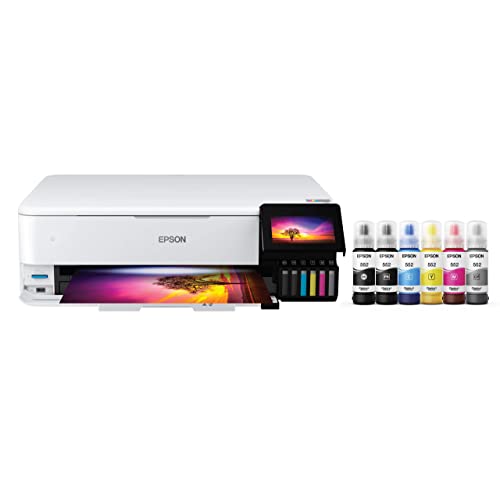
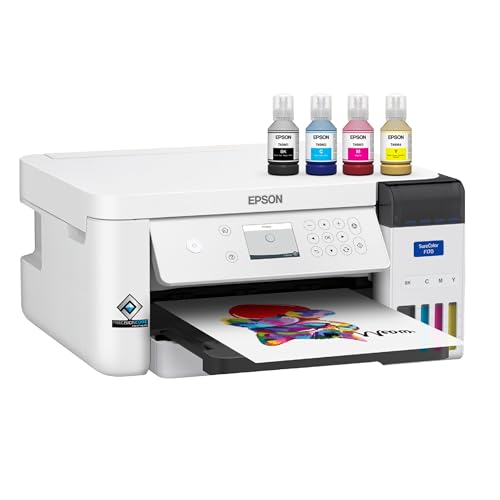
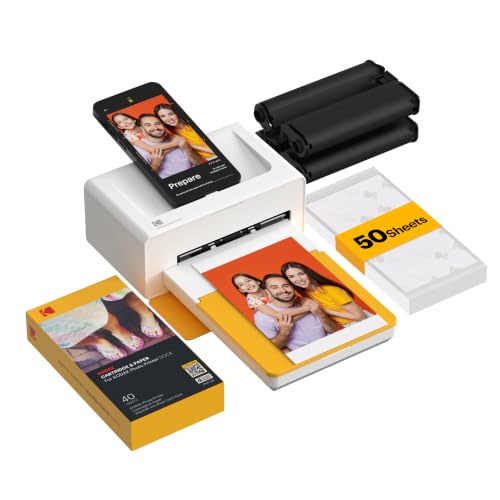
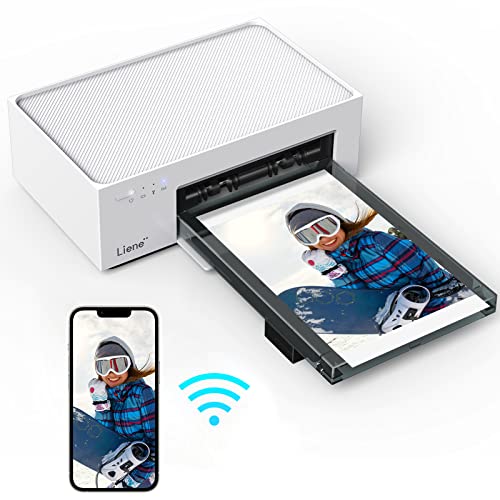
Choosing by Budget Tier
Best Budget Choice: Strong Prints Without Studio Overhead
A good budget choice handles standard photo sizes cleanly, holds color well on quality paper, and keeps ink costs predictable for low to moderate volume. You will usually accept slower print speeds, a smaller color set, and fewer paper thickness options. That is a fair trade for portrait mini sessions, school events, or a small shop adding photo sales. Avoid units that look cheap but use tiny cartridges, because ink cost per print will erase any savings within months.
Best Midrange Choice: The Working Studio Standard
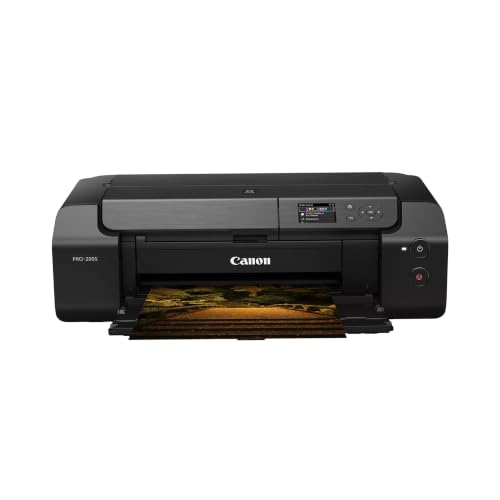
Midrange printers add larger format support, more ink colors for smoother skin tones and deeper blacks, and better roll or sheet handling. Print speeds improve and color profiles are more widely available for popular papers. For most studios selling prints up to medium large sizes, this tier balances quality and cost per print well. You also gain more reliable paper feeding, which matters when a client order cannot wait for repeated misfeeds and wasted sheets.
Best Premium Choice: Wide Format and Fine Art Work
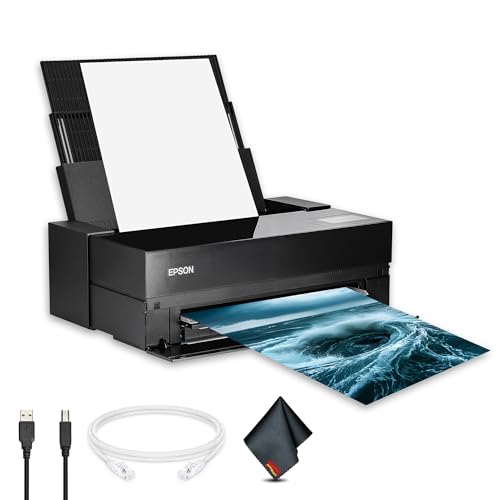
Premium printers support wide format output, advanced black and white modes, and very consistent color across long runs. They use larger ink cartridges or tanks that lower cost at high volume, and they handle thick fine art papers that budget units cannot feed. The trade is size, weight, and a higher upfront cost plus more space for paper storage and drying. Buy at this level when large prints are a core revenue source, not an occasional extra.
What Your Money Gets You at Each Price Tier
Budget Tier: What to Expect
Budget models, often around $300 to $700, print well up to common enlargements and suit low volume sales. Expect dye or basic pigment inks, borderless printing on popular sizes, and WiFi for easy ordering from a phone or tablet. Color longevity is shorter than premium pigment systems, so disclose print care to clients. For proofs, event strips, and small framed prints, results can look excellent when you use the maker recommended paper and profiles.
Midrange Tier: The Sweet Spot for Most Buyers
Midrange models, often about $700 to $1800, bring pigment inks, more colors, and support for larger sheets and sometimes rolls. This is where cost per print becomes easier to manage for regular orders. If you are weighing general image quality against commercial needs, our guide to the best photo quality printers helps clarify how consumer photo quality differs from printers built for paid, repeatable output and client deadlines.
Premium Tier: When Spending More Pays Off
Premium models, often about $1800 to $5000 or more, focus on width, consistency, and low running cost at volume. Large cartridges, precise paper handling, and strong service support justify the price for busy studios. You also get better handling of matte, glossy, and textured papers in one workflow. Pair this tier with a calibrated monitor and a simple color workflow, or the extra printer capability will not show up in the final print.
Features Worth Paying For and Ones to Skip
Printer Type: Inkjet, Laser, Tank, and Specialty Options
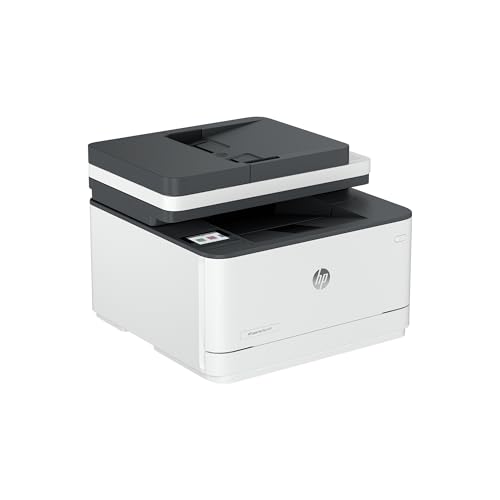
For photos, inkjet is the standard because it lays down fine droplets for smooth tones and rich color. Laser printers are fast for documents but struggle with photographic gradients and glossy photo paper. Tank systems lower ink cost for high volume small prints, while dye sublimation suits instant event prints. Ignore unrelated categories in spec lists and focus on photographic ink sets, paper compatibility, and the largest size you need to sell.
Connectivity and Mobile Printing
Reliable WiFi, Ethernet for a studio network, and support for AirPrint and common print apps save time when orders arrive from several devices. Ethernet is worth paying for in a shared studio because it avoids dropouts during large file transfers. Mobile printing matters for event work where you print from a tablet on site. What you can skip is novelty voice control or extra screens if your workflow already runs from a computer.
Footprint and Noise
Wide format printers need more than desk space. You need clearance in front and behind for paper feed, room to load rolls, and a sturdy stand that does not vibrate during printing. Noise is lower than office laser units, but fans and paper movement still matter in a small studio where clients sit nearby. Measure doorways and turns before ordering a premium unit, since returns for size are costly and slow.
Reliability and Support
Commercial work needs drivers that update cleanly, firmware that does not break color profiles, and support that can ship print heads or parts quickly. Check how long the maker supplies inks and spare parts for the class of printer you want. A slightly older, widely used class often beats a new niche model because profiles, tutorials, and service knowledge are easy to find when a deadline is close.
Print Speed
Speed ratings in pages per minute mean little for photos, where a single large print can take several minutes at best quality. Look at real times for your typical size and quality setting. Faster draft modes help for proofs, but final sales prints should run at the quality setting you quoted to the client. For event work, total time from capture to a handed over print matters more than speed claims from a brochure.
Long Term Costs to Factor In
Ink and paper will cost more than the printer over its life if you print regularly. Estimate cost per print for your main sizes, including failed prints and trial sheets, and price your work with that number in hand. Add maintenance cartridges, replacement print heads where applicable, and calibration tools. Paper storage matters too, because humidity warped sheets cause misfeeds and wasted ink. A warranty that covers the print head for a longer period can be worth more than a small discount at checkout. Studios that also print documents may compare options in our guide to the best commercial printers to keep photo and office work on separate, better suited devices.
For client proofs and smaller jobs, many studios also keep a secondary unit. Our guide to the best printers to print photos covers smaller format choices that can support a main commercial printer without replacing it.
Keep a simple log for each job that records paper type, profile used, and any color correction applied. That habit saves reprints when a client reorders months later and expects the same skin tones and blacks. It also helps new staff reproduce house style without guesswork, which protects margins on repeat portrait and event work.
Commercial Photo Printers: Your Questions Answered
What does cost per page mean?
Cost per page means the ink and paper cost to produce one print at a given size and coverage. For photos, cost per print is more useful, because a full color image uses far more ink than a text page. Calculate it from cartridge yield at photo coverage, not document yield, and include one trial print in every batch to keep your real costs honest.
Are ink tank printers worth it?
Yes, ink tank printers are worth it when you print many small to medium photos and want low ink cost without swapping tiny cartridges often. They are less suited to fine art work that needs many ink colors and thick paper handling. Check that the tank system uses pigment inks if longevity matters for client sales, since some tank models use dye inks with shorter display life.
Which specialty printer is easiest for new users?
For photographic work, the easiest option is a mainstream inkjet photo printer with good profiles and clear paper loading, not a specialty production device. Automatic paper alignment, guided maintenance, and a large user community reduce learning time. Start with the maker recommended papers, master one or two profiles, and add exotic papers only after your basic workflow produces consistent color from screen to print.
Inkjet or laser: which is cheaper long term?
For photos, inkjet is cheaper long term in practical terms because laser photo output usually needs reprints or outsourced printing to satisfy clients. Laser toner is cheap per text page, but photographic quality on laser is limited, especially for skin tones and smooth skies. Count satisfied client prints, not raw pages, and inkjet wins for any studio selling photographic work.
Wrapping Up
Match format size, ink system, and monthly volume first, then compare speed and connectivity. The product table above helps you line up those basics within your tier. When those pieces fit your orders and your space, the best commercial photo printers become a reliable profit center instead of a constant source of wasted paper and ink.