
Best Commercial Generators Guide for Everyday Use 2026
Disclosure: We may earn a commission when you buy through links on this page, at no extra cost to you. As an Amazon Associate I earn from qualifying purchases. Learn more
Learn how to choose best commercial generators with confidence, from fit and key features to care, common mistakes, and answers to frequent questions.
When the power goes out, a shop loses its coolers, a job site loses its tools, and a small office loses its network. A generator turns that outage into a short interruption, but only if it is sized for the loads you actually run and wired in safely. This guide explains how to choose among the best commercial generators for a shop, a work crew, or a small business that cannot afford to go dark.
Use the comparison table below to see the main models side by side, then work through the sizing and hookup checks before you order. Most buying mistakes in this category come from guessing the wattage, not from picking the wrong brand.





Types of Commercial Generators
Business buyers meet three broad types, and each one answers a different question: how much power do you need, for how long, and how clean does it have to be?
Portable Open Frame Generators
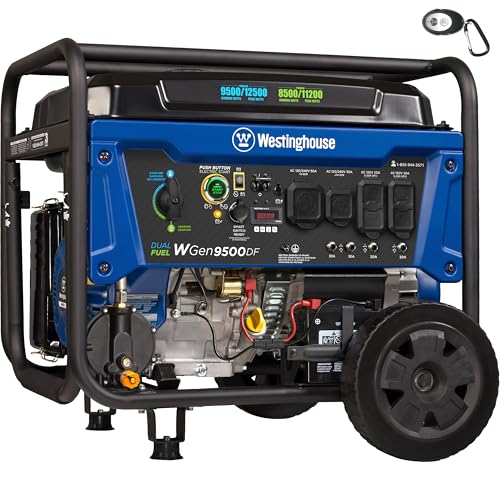
Open frame portables are the workhorse of job sites and small shops. They run on gasoline and, on dual fuel and tri fuel models, on propane or natural gas as well. They deliver the most power for the money and have wheels and handles for moving them between sites. They are louder than inverter models and their power is less smooth, which is fine for tools and lighting but less ideal for sensitive electronics.
Inverter Generators
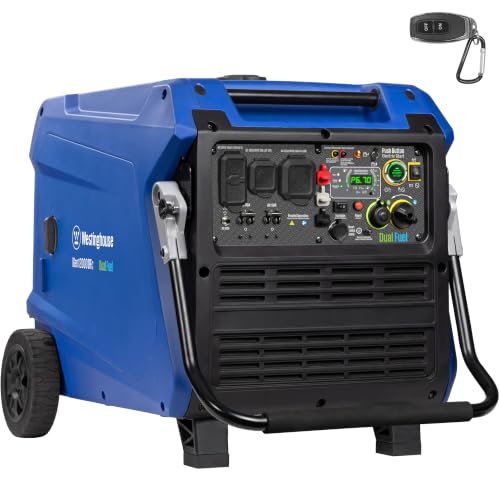
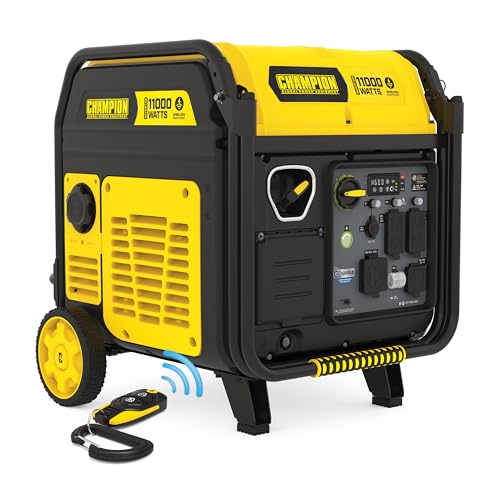
Inverter models produce steadier power that is safer for computers, point of sale systems, and network gear. They are usually quieter and use fuel more efficiently at light loads. The trade is price and size, since large inverter units cost more per watt than open frame models. They suit offices, food stands, and events where noise matters.
Standby and Automatic Generators
Standby units are installed outside a building and start on their own when the power fails, using a transfer switch and a permanent fuel line. They suit businesses that must stay open through every outage, such as clinics, restaurants, and cold storage. They cost the most and need professional installation and permits, so they are a project rather than a purchase. For that route, see our guide to the best automatic generators.
How to Size the Best Commercial Generators for Your Loads
Sizing is the step that matters most. A generator that is too small trips and shuts down, while one that is far too large wastes fuel and money.
Running Watts and Starting Watts
Every device has a running wattage and a higher starting wattage that it draws for a moment when a motor or compressor kicks in. Refrigeration, pumps, saws, and air compressors are the usual culprits. Add up the running watts of everything that will run at once, then add the largest starting surge on top. Choose a generator whose rated running output covers that total with room to spare.
Phases, Voltage, and Outlet Types
Most portables supply standard household outlets and a higher voltage outlet for larger tools. Check that the outlets match your plugs, and that the generator can supply the voltage your equipment needs. Three phase equipment is a different category and usually calls for a larger unit chosen with an electrician, not a typical portable.
Fuel Type, Runtime, and Noise
Gasoline, Propane, and Dual Fuel
Gasoline is easy to find but goes stale in storage and is harder to stockpile. Propane stores well for long periods and burns cleaner, and natural gas on tri fuel models removes the refueling step entirely when a line is available. Dual fuel and tri fuel models give you options if one fuel is short during a storm. Propane typically gives a little less output than gasoline, so check the rating on each fuel.
Runtime and Tank Size
Runtime depends on tank size and how hard you load the engine. Compare the stated hours at a half load, and plan refueling so the generator never runs dry in the middle of a shift. Always let the engine cool before refilling, and store fuel in approved containers away from the generator.
Noise and Neighbors
Open frame generators are loud, and some towns limit generator noise or hours of operation. Inverter models and enclosed designs run quieter. If your generator will run near customers or neighbors, treat noise as a purchase criterion, not an afterthought.
Safe Hookup and Placement
Never plug a generator into a wall outlet, because that can send power back into the grid and harm utility workers. Use a properly installed transfer switch or an interlock kit fitted by a licensed electrician, or plug equipment directly into the generator with heavy duty cords. Run generators outdoors, well away from doors, windows, and vents, and never in a garage or enclosed space, because exhaust contains carbon monoxide that you cannot see or smell. Fit battery powered carbon monoxide alarms nearby, and keep a fire extinguisher within reach.
Common Buying Mistakes
- Sizing by running watts only, then watching the generator trip when a compressor starts.
- Choosing the cheapest open frame model for a site with computers and sensitive equipment.
- Forgetting the transfer switch and installation cost, which can add a large amount to the project.
- Storing gasoline for months without stabilizer, which makes the engine hard to start when you need it.
- Ignoring local noise and fuel storage rules for a business location.
Care, Maintenance, and Storage
- Run the generator under load for a short period on a regular schedule so it starts when the power fails.
- Change the oil and check the air filter on the maker schedule, and keep a log of hours and service.
- Use fresh fuel or stabilizer, and run the carburetor dry or follow the manual before long storage.
- Keep spare spark plugs, filters, and fuel containers on hand.
- Keep the generator dry and covered, with plenty of space around it when it runs.
Frequently Asked Questions
What size generator does a small business need?
List the equipment that must run during an outage, add their running watts, and then add the largest starting surge. A shop with lighting, a computer, a small refrigerator, and a few tools needs far less than one with air conditioning or large compressors. Pick a generator rated above your total with some margin, and ask an electrician if you are unsure.
Is dual fuel better than gasoline only?
Dual fuel gives you a second option when gasoline is hard to find, and propane stores longer without going stale. Gasoline usually gives slightly more output, and propane gives longer shelf life and cleaner running. If you want flexibility for emergencies, dual fuel is the safer choice.
Can I run a generator in a garage with the door open?
No. Carbon monoxide can build up in a garage or any enclosed space even with the door open. Run the generator outdoors, well away from windows and vents, and use carbon monoxide alarms inside. Follow the manual for minimum distances from buildings.
Do I need a transfer switch?
If you want to power building circuits, yes. A transfer switch or interlock kit keeps generator power from flowing back to the grid and lets you run selected circuits safely. It must be installed by a licensed electrician and may require a permit.
How long can a generator run continuously?
Runtime depends on tank size and load, and every model lists its own hours at a stated load. For extended outages, plan to refuel on a schedule, let the engine cool before filling, and service it on the maker interval. Some models can run from a propane tank or a natural gas line for longer unattended periods. For wider backup planning, see our guide to the best backup generators.
Final Thoughts
Size from your real loads, choose the type that matches your site, and plan the hookup before the generator arrives. Check fuel options and noise rules, and compare your shortlist in the product table above. The best commercial generators are the ones that carry your essential loads on the worst day, start without drama, and run safely outdoors until the power is back.


