
Best Commercial Dishwashers: Buying Guide for 2026
Disclosure: We may earn a commission when you buy through links on this page, at no extra cost to you. As an Amazon Associate I earn from qualifying purchases. Learn more

Compare the best commercial dishwashers by type, sanitizing method, racks per hour, power and water needs so you can pick the right machine for your kitchen.
A restaurant, cafe, or church kitchen can wash more dishes in one lunch rush than a household does in a week, and a home machine cannot keep up with that pace. The best commercial dishwashers are built around racks per hour, fast cycle turnaround, and a sanitizing method that satisfies the health inspector, not around quiet mode or third rack extras.
This guide explains the machine types, how sanitizing works, and the utility checks that decide whether a unit can even be installed in your space. Use the comparison table below to see the main styles side by side, then read on to match one to your volume and your plumbing.
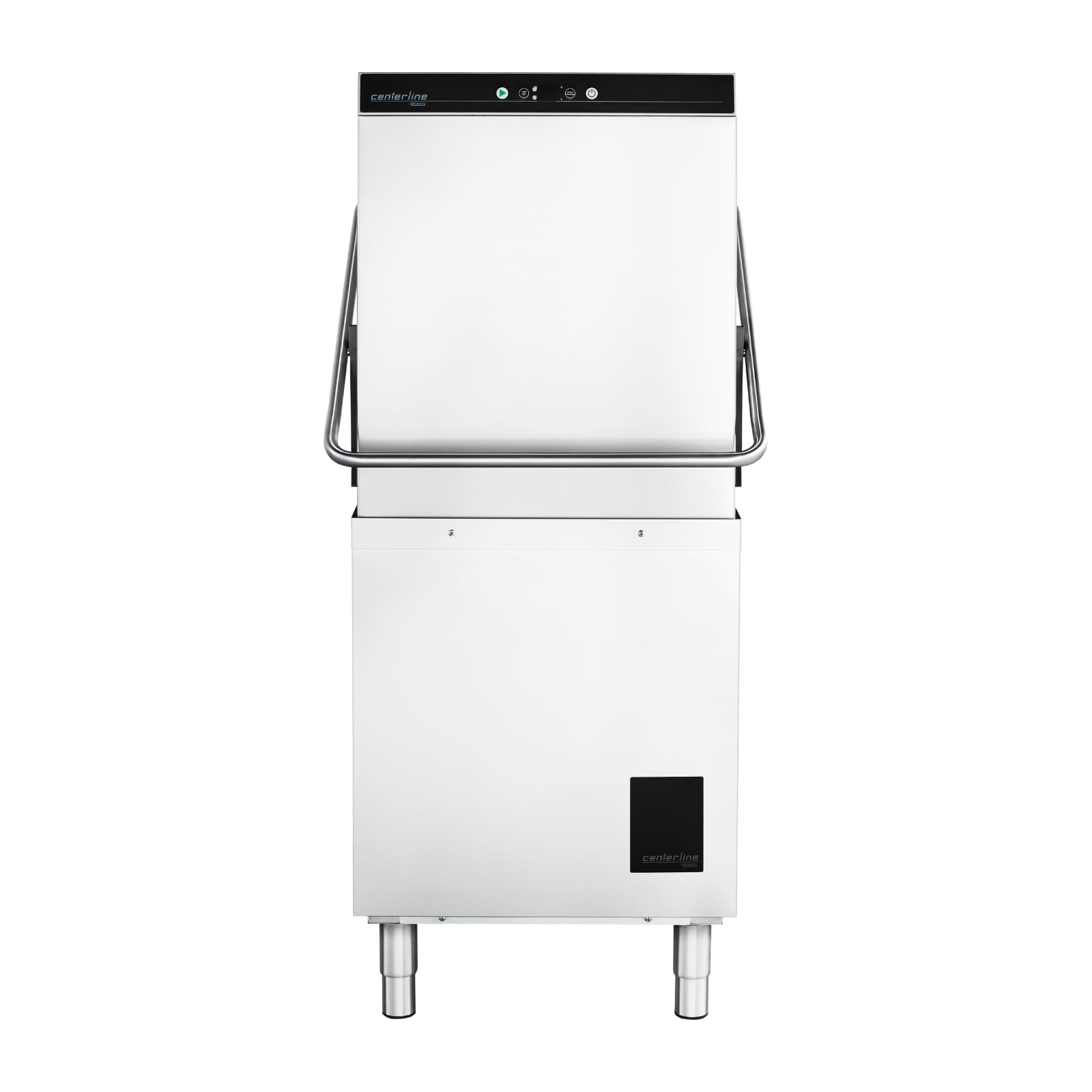
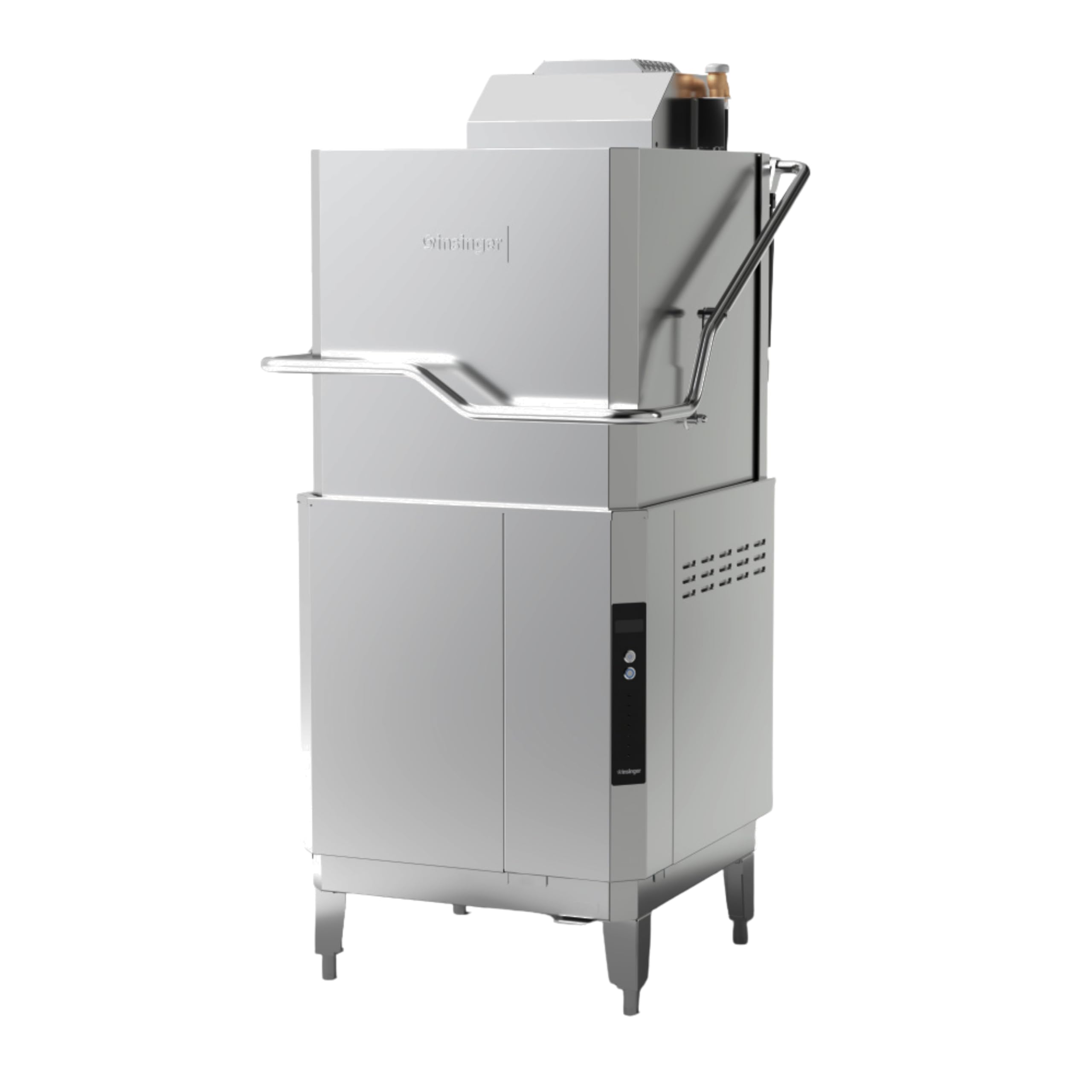

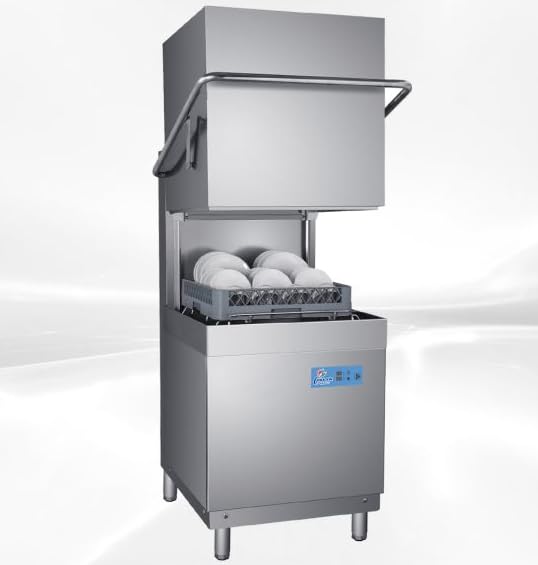
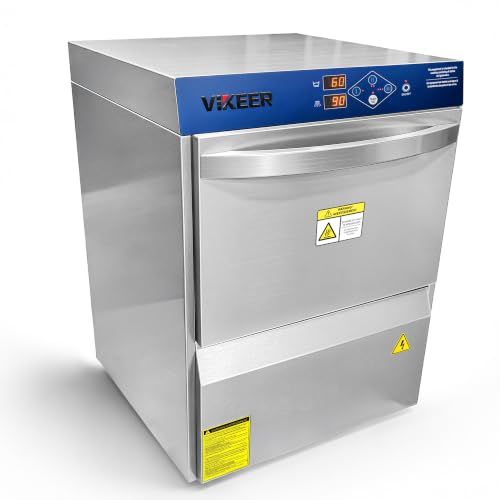
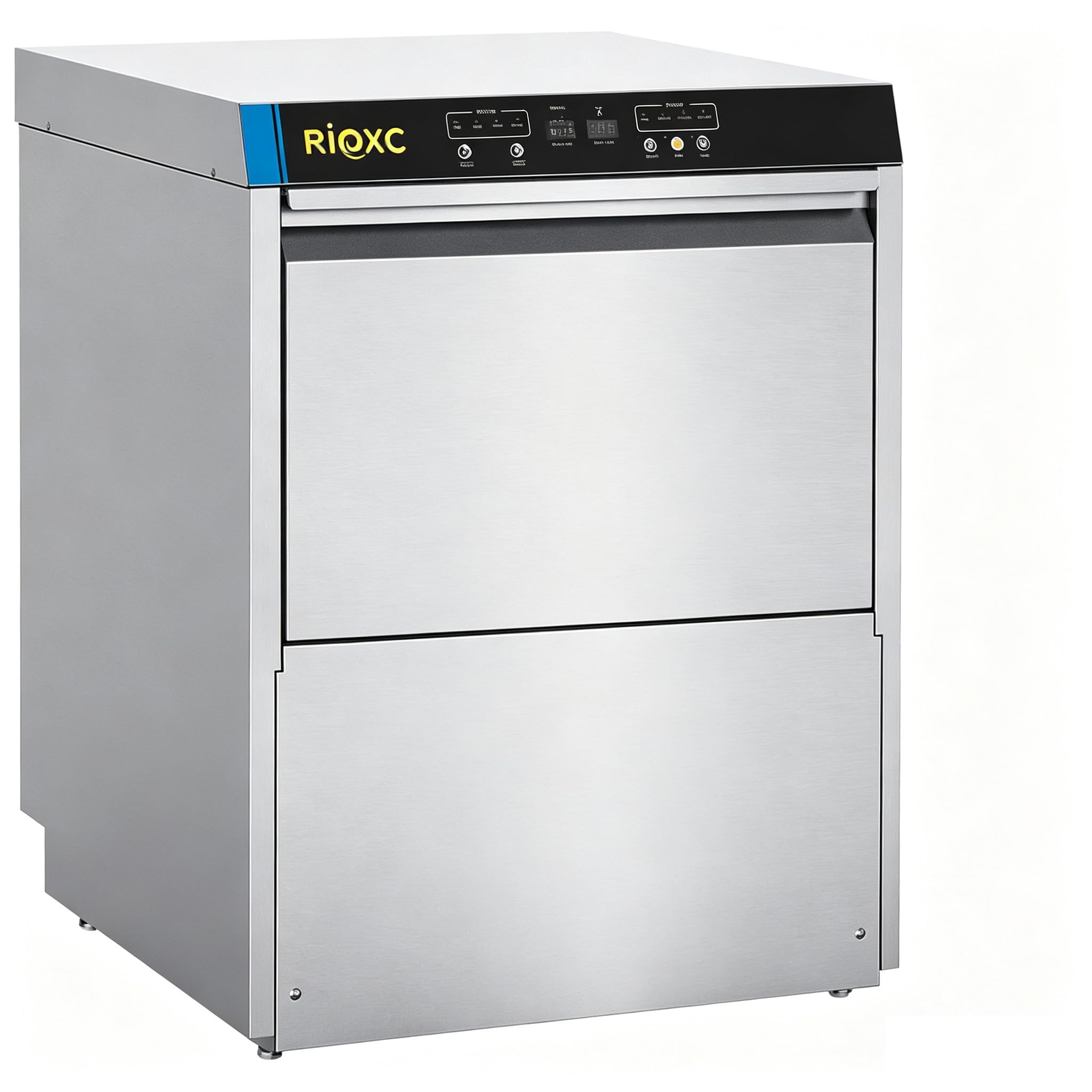
Types of Commercial Dishwashers
Commercial machines are grouped by how the racks move, and the type you need follows from the number of racks you wash in a busy hour. A small cafe and a banquet hall are shopping in different categories, even when both search for the same keyword.
Undercounter Dishwashers
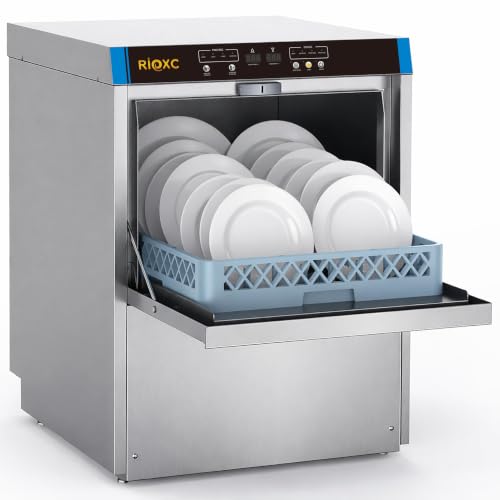
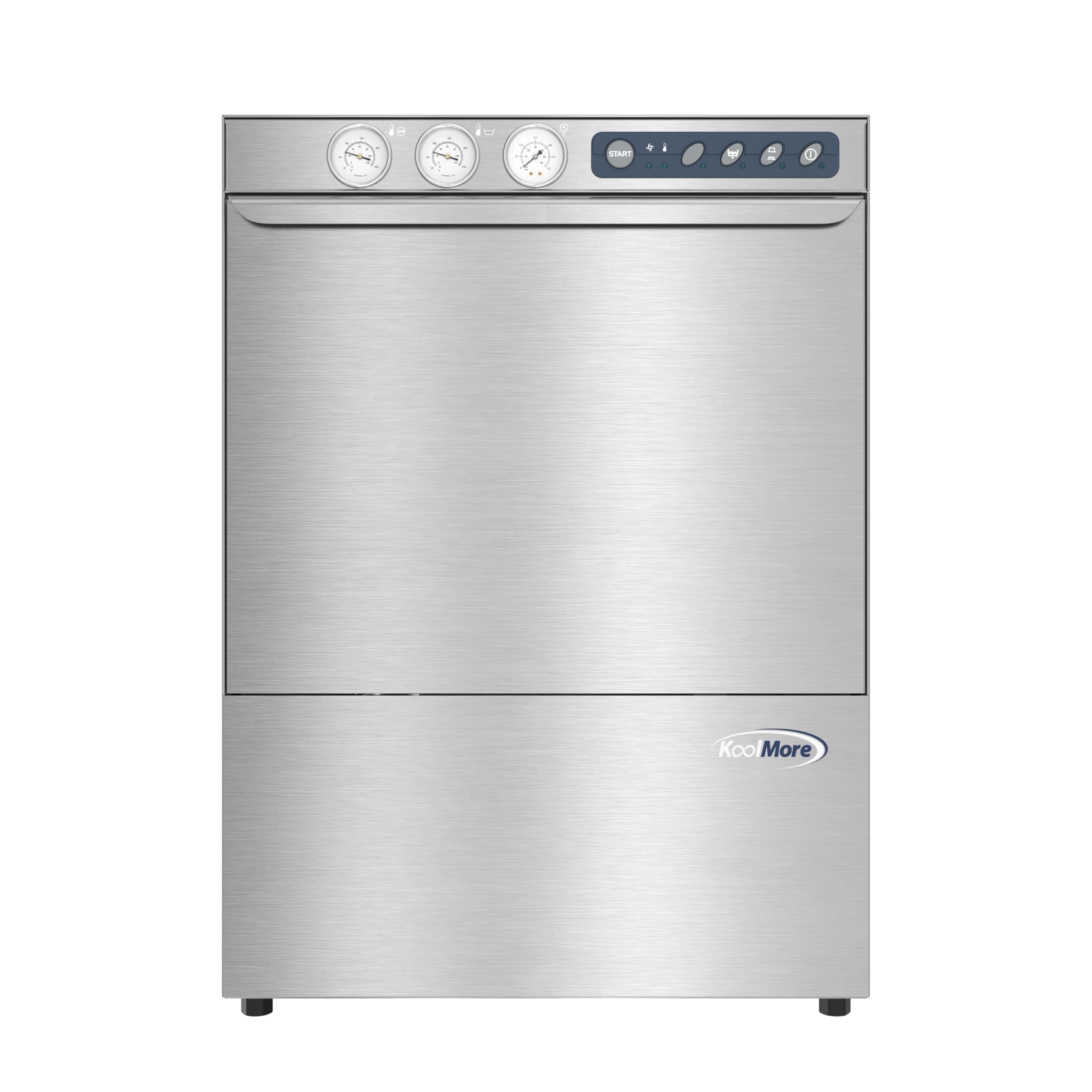
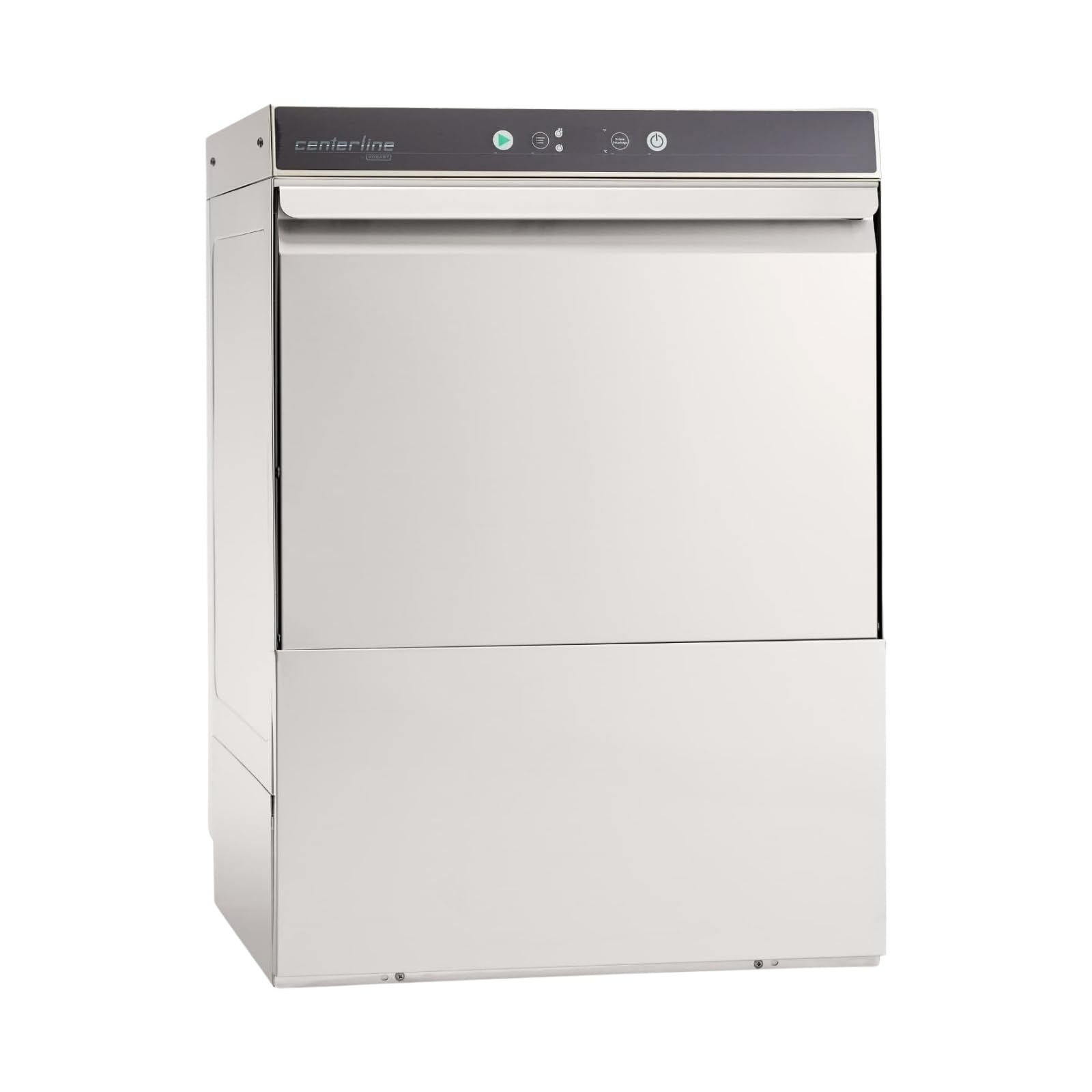
An undercounter unit slides beneath a standard work counter and takes one rack at a time through a short cycle. It suits cafes, bars, small restaurants, and food trucks with a fixed kitchen, where the dish load is steady but not huge. Many models handle glasses and plates in the same rack, and some are sold specifically as glass washers for bars. The limit is volume, since one rack at a time means a queue during a rush.
Door Type Dishwashers
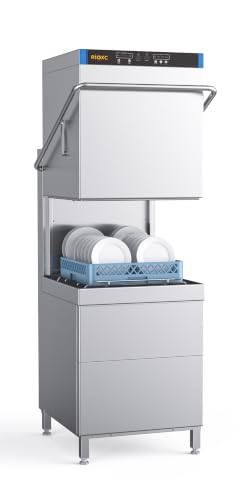
A door type machine, also called a hood type, has a lift up hood that you raise to slide a rack in from one side and out the other. It handles taller items like sheet pans and stockpots better than an undercounter unit and moves more racks each hour. It needs floor space, a dish table on each side, and usually a stronger electrical and water supply. Mid size restaurants and school kitchens use this type most.
Conveyor Dishwashers for High Volume
Conveyor machines pull racks through wash and rinse zones on a moving belt or rack track. They are built for hospitals, large catering operations, and busy dining rooms where dishes arrive in a constant stream. They cost the most, need the most space and utility capacity, and are overkill for anything smaller. If your kitchen cannot fill a conveyor all day, a door type unit is the better buy.
High Temp or Low Temp: How the Machine Sanitizes
Every commercial dishwasher has to sanitize, and there are two ways to do it. A high temp machine finishes with a very hot rinse that sanitizes with heat, and many of these units carry a booster heater so the final rinse reaches the required temperature even if your building water is cooler. A low temp machine sanitizes with a chemical in the rinse water, which means it runs with cooler water and needs a chemical feed.
High temp units cost more and need stronger power, but dishes leave hot and dry quickly with no chemical residue to monitor. Low temp units cost less to buy and can plug into simpler utilities, but they depend on a steady chemical supply and test strips to confirm the sanitizer level. Your local health department sets the rules for both methods, so check what it expects before you commit.
How to Choose Among the Best Commercial Dishwashers
Start with the volume you wash in your busiest hour, then check the building. The factors below decide whether a machine fits, runs well, and passes inspection.
Rack Size and Racks per Hour
Makers rate each unit in racks per hour, and a standard commercial rack is a square tray that holds a set number of plates or glasses. A cafe washing a few hundred pieces after service needs far fewer racks per hour than a dining room turning tables all night. Choose a unit rated comfortably above your peak, because a machine run flat out all day wears faster and leaves dishes waiting.
Power, Water, and Drain Requirements
Many commercial units need a dedicated circuit, and larger high temp models often use higher voltage or three phase power that a small building may not have. Confirm the electrical supply with an electrician before you order. Water pressure, supply line size, and a floor drain or drain pump matter just as much. The listings in the product table above show wide differences in voltage and phase, so read each nameplate carefully.
Detergent, Rinse Aid, and Chemical Feed
Commercial machines use commercial detergent and rinse aid, usually fed automatically by small pumps, and the wrong product causes film, spotting, or foam. Buy the products the maker recommends, store them away from food, and keep spare feed tubing on hand. For consumables, see our guide to the best dishwasher detergents to understand the differences in cleaning chemistry.
Build Quality, Certification, and Warranty
Look for stainless steel tanks and frames, a clear NSF listing, and a warranty that explicitly covers commercial use. Home warranties often shrink or vanish in a business, so read the terms. Ask where replacement pumps, wash arms, and heating elements come from, because a dishwasher down for two weeks can shut a kitchen. A plain machine with fast service beats a feature rich one with slow parts.
Space, Ventilation, and Installation
Measure the opening or the footprint, the lift of the hood, and the clearance for loading and unloading racks. Door type and conveyor machines release steam, so plan for a vent hood or a ventless model if your layout has no exhaust. Delivery matters too, since these machines are heavy, and a narrow back door can stop an install on the day it arrives. Have a licensed plumber and electrician do the hookup.
Common Buying Mistakes
- Buying on racks per hour alone and ignoring the electrical supply, which can leave a machine you cannot power.
- Choosing a low temp unit without a plan for chemical supply, test strips, and staff training.
- Forgetting the dish table, rack storage, and scrap area, which take as much room as the machine.
- Skipping the check with your local health department on sanitizing rules before you buy.
- Putting a large conveyor into a kitchen that cannot keep it busy, which wastes space and utilities.
Care and Maintenance Tips
- Scrape and pre rinse food into the scrap area so strainers and wash arms stay clear.
- Drain and clean the tank, strainers, and wash arms at the end of each service day.
- Descale the machine on the maker schedule, more often if your water is hard.
- Check the chemical feed tubes and refill detergent and rinse aid before they run out.
- Keep a service log so repeat problems and warranty dates are easy to find.
Frequently Asked Questions
What is the difference between high temp and low temp commercial dishwashers?
A high temp unit sanitizes dishes with a very hot final rinse, while a low temp unit sanitizes with a chemical added to the rinse water. High temp machines usually cost more and draw more power, but dishes dry fast and there is no sanitizer level to monitor. Low temp machines are cheaper to run on simple utilities, but they depend on chemical supply and checking. Your local health rules and your power supply often decide the choice.
How many racks per hour do I need?
Count the racks you fill in your busiest hour and choose a unit rated comfortably above that number. A small cafe may peak at a handful of racks, while a busy restaurant fills many more. If you are between two sizes, the larger one is the safer buy, because a machine pushed to its limit all day wears faster and slows service.
Do commercial dishwashers need special electrical and plumbing work?
Often yes. Many models need a dedicated circuit, and larger units use higher voltage or three phase power. They also need the right water supply, a floor drain or pump, and sometimes a booster heater. Have a licensed electrician and plumber confirm your building before you buy, and get the work done by qualified tradespeople.
Can I put a commercial dishwasher in a home kitchen?
Some small undercounter models can work in a home with the right power and plumbing, but most commercial units need utilities that houses do not have. Check the nameplate voltage, the drain method, and the chemical feed before you consider it. For a family kitchen, a standard home dishwasher is usually the simpler and cheaper choice, and our guide to the best ranked dishwashers covers those models.
How long does a commercial dishwasher last?
A well kept commercial dishwasher often runs for many years, with the exact span depending on daily racks, water hardness, and how consistently staff clean and descale it. Heavy use with skipped maintenance shortens life quickly, while regular tank cleaning and prompt repairs extend it. Pumps, heating elements, and wash arms are the usual wear parts, so confirm they are sold before you buy.
Final Thoughts
Start with your busiest hour, match the type to that volume, and confirm the power, water, and drain before you fall for any machine. Then choose a sanitizing method that fits your health rules and your staff. Compare your shortlist in the product table above, and the best commercial dishwashers for your kitchen will be the ones you can install, service, and keep running through the rush.


