
Best Commercial Countertop Ice Maker (2026): Which Type Fits Your Home
Disclosure: We may earn a commission when you buy through links on this page, at no extra cost to you. As an Amazon Associate I earn from qualifying purchases. Learn more

Choose the best commercial countertop ice maker by ice type, output, space and upkeep for a busy home, bar or small office.
The guests are on their way, the drinks are chilling, and your freezer tray holds exactly nine cubes. That gap between everyday freezer ice and party demand is where a best commercial countertop ice maker earns its counter space. These machines make ice in small batches all day, so a busy household, a home bar, or a small office stops rationing cubes. The comparison table below groups the main types by output, ice style, and footprint.
This guide focuses on how these machines fit real homes: ice type, space, power, and ownership cost. If your needs are lighter, our guide to the best countertop ice maker covers smaller home models.
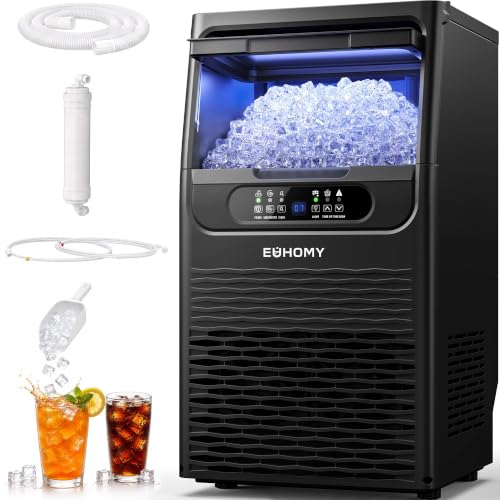
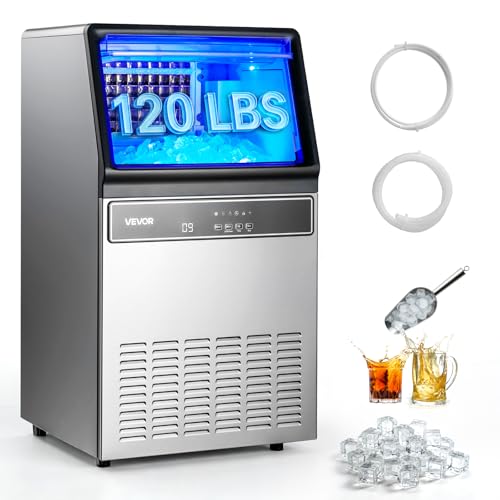

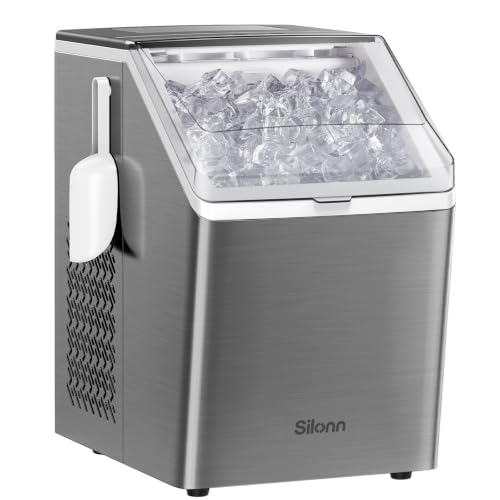

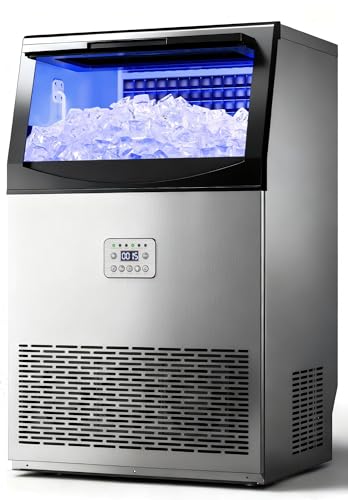

Quick Answer: Three Types Worth Comparing
No single design suits every kitchen, so the short answer is a choice between three types. Each trades speed, texture, and storage differently, and the right pick depends on your busiest ice day.
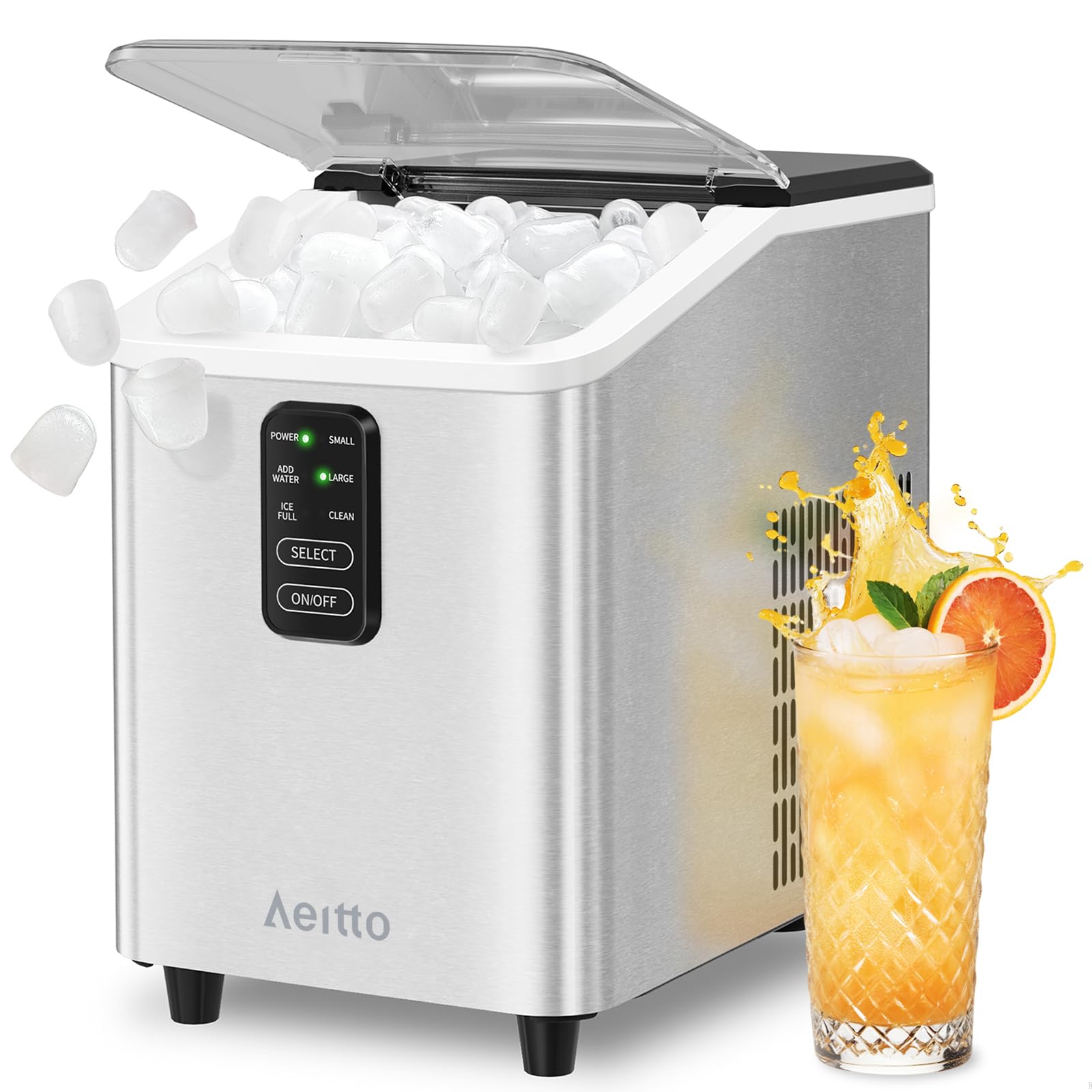
- Bullet ice models make hollow, rounded cubes quickly and suit families that fill pitchers, coolers, and water bottles all day.
- Nugget ice models make soft, chewable pieces that pack into glasses and suit soda, iced coffee, and cocktail drinkers.
- Clear ice models freeze denser, slower melting cubes and suit home bars where drinks are served over a long evening.
Output claims need a second look. A daily rating assumes the machine runs all day with regular emptying, while the bin usually holds only about 1.5 to 3 pounds at once. Judge bin size and first batch speed alongside headline output.
Before You Buy: A Quick Checklist for Choosing a Countertop Ice Maker
Work through the six points below before you compare prices. Most regrets in this category come from a mismatch on one of them, not from a machine that failed to make ice.
Which Type Fits Your Routine
Bullet ice is the workhorse choice. The cubes are hollow, so they chill drinks fast but melt sooner, and the machines tend to cost less for a given output. Nugget ice is compressed flakes, soft to chew and quick to absorb flavor, which is why soda and iced tea fans love it. Clear ice freezes in layers, melts slowly, and looks clean in a glass. Our explainer on nugget vs bullet ice walks through taste, melt rate, and blender use in more depth.
Features Worth Paying For and Ones to Skip
A cleaning cycle is worth paying for, since it flushes the water path with little effort from you. A full bin sensor and a low water alert also save real frustration, and a removable basket makes serving easier. Skip oversized touch panels and drink presets you will never use, and treat a scoop holder as a bonus rather than a reason to buy. If easy upkeep tops your list, see the best countertop ice maker with self cleaning options for how that cycle varies between designs.
Wattage, Power and Energy Use
Most countertop models draw about 100 to 200 watts while freezing, which is modest, but the cost adds up if the machine runs around the clock. The bin is insulated rather than refrigerated, so stored ice melts slowly and the machine refreezes that melt water, using more power across the day. Leaving the unit off between gatherings saves more energy than any single efficiency feature. For a full cost breakdown, read how much electricity does a countertop ice maker use before you decide to run one daily.
Safety Features and Certifications
Look for a UL or ETL mark on the label, which shows an independent safety lab certified the appliance for household electrical use. Sensible designs add automatic shutoff when the bin is full or the tank runs dry, and they keep water and electrical parts separated inside the housing. Place the machine on a stable, level surface away from a hot stove, and never block its side or rear vents. A grounded three prong plug should go straight into a wall outlet, not into a light duty extension cord.
Counter Space and Dimensions
Measure width, depth, and the height with the lid open, because many models open upward and can hit low cabinets. Most designs need a few inches of clear space at the vents so warm air can escape during each freeze cycle. Then picture the machine in daily use, with room in front to lift out the basket and wipe up drips. A unit that fits the tape measure but crowds your only prep area will annoy you within a week.
Realistic Budget Ranges
The under $100 tier usually buys a compact bullet model with modest output and a small bin, fine for one or two people. Spending about $100 to $200 covers larger bullet models with faster cycles and better insulation. Most nugget models sit at about $200 to $300, since their freezing parts cost more to build. Higher output, clearer ice, and stronger housings aimed at heavy daily use run about $300 to $500. Paying more should buy output, texture, or build quality you can name, not extra lights or panels.
Three Types Compared for Different Homes
With the checklist in mind, here is how the three main types line up against the homes that use them most. Treat these as briefs to match against your own kitchen, not ranks on a single ladder.
Bullet Ice Models for Busy Family Kitchens
Families that fill lunch bottles, sports coolers, and dinner pitchers need volume and speed more than texture, and bullet models deliver both at the lowest cost per pound. A first batch often lands in about 6 to 13 minutes, so the machine recovers quickly after a big serving round. Choose this type if ice in your home is a utility, used in quantity and rarely chewed or admired.
Nugget Ice Models for Drink Lovers
Nugget ice suits households where drinks are the point, from soda and sweet tea to iced coffee and blended cocktails. The pieces pack tightly in the glass, chill fast, and stay soft enough to chew without fighting your teeth. These machines cost more and often run a little louder, and the ice melts faster than dense cubes in a warm room. If that texture is what your family asks for by name, start with the best nugget countertop ice maker designs and compare their bin sizes and noise notes.
Clear and High Output Models for Home Bars and Small Offices
Clear ice models freeze more slowly, but the dense cubes dilute a drink less and look sharp in a short glass, which suits a home bar. High output countertop models suit a small office break room or a rental home where many people draw ice across the day. Both types cost more and take more counter room. Choose them when melt rate or daily volume matters more than price and footprint.
How to Compare Commercial Countertop Ice Makers
Compare machines on six points: daily output, storage capacity, ease of daily use, cleaning effort, operating noise, and safety listing and warranty terms. No type should be chosen on output numbers alone. Fit matters too, since a slightly slower unit that fits under your cabinets beats a faster one that never gets used.
Strengths and Trade Offs of Commercial Models
Commercial leaning countertop models beat standard home units on recovery speed, bin size, and build, and they hold up better when several people use them all day. They also tend to offer clearer cleaning access and sturdier baskets. The trade offs are real, though. They cost more, occupy more counter, and their fans and compressors are easier to hear in a quiet kitchen.
Standard home models still win for occasional use. If you make ice twice a month, a smaller and cheaper machine covers your needs and stores in a cabinet between parties. The commercial step up only pays when high output is a weekly habit.
Common Buying Mistakes to Avoid
- Buying by daily output alone, because a small bin still empties fast at a party and the machine cannot store a full day of ice.
- Measuring only the closed footprint, because the lid may not open fully under your cabinets once the machine is in place.
- Ignoring water quality, because hard water leaves scale that slows freezing and shortens the life of the pump.
- Leaving the machine running for weeks without use, because standing melt water grows stale and flavors the next batches.
- Expecting freezer storage from the bin, because the unrefrigerated basket lets ice melt and clump if it sits for hours.
Cost of Ownership and Care
Running costs stay modest but are not zero. Electricity for daily use typically lands in the range of a few dollars a month, filters or cleaning solution add a small yearly cost where your water needs them, and a replacement scoop or basket is cheap if one cracks. Wipe the bin and basket weekly, wash removable parts in warm soapy water, and dry everything before storage so odors do not set in.
Descale on the schedule in your manual, more often if your tap water is hard, and always run a plain water rinse cycle afterward. Our step by step guide on how to clean a countertop ice maker covers the full routine, including the first batches to discard after cleaning. Store the machine drained, with the lid open until the interior is fully dry.
Your Questions, Answered
Are commercial countertop ice makers worth it for a home?
They are worth it if your household runs out of ice most weeks, hosts often, or fills coolers for sports and trips on a regular basis. The higher output and sturdier build repay their price through daily convenience in those homes. If you host only a few times a year, the math flips, and freezer trays plus a bag of store ice for parties will cost far less over the same period.
How long does a commercial countertop ice maker usually last?
With regular descaling and dry storage between long breaks, many owners get about 3 to 5 years of regular use from a countertop unit. The pump and fan usually wear first, especially in homes with hard water or heavy daily use. A model with a warranty of at least one year and available spare parts gives you a better chance of a simple repair instead of a full replacement.
Can a commercial countertop ice maker stay plugged in all day?
Yes, most are built for that pattern, and the full bin sensor pauses freezing until you draw ice down. Two habits help. Keep the lid closed so the bin stays cold, and rinse the basket if the machine will sit full over a hot weekend, since old cubes melt and refreeze into a lump that strains the next cycle. Unplugging during vacations also guards against power surges.
Does a commercial countertop ice maker need a water line?
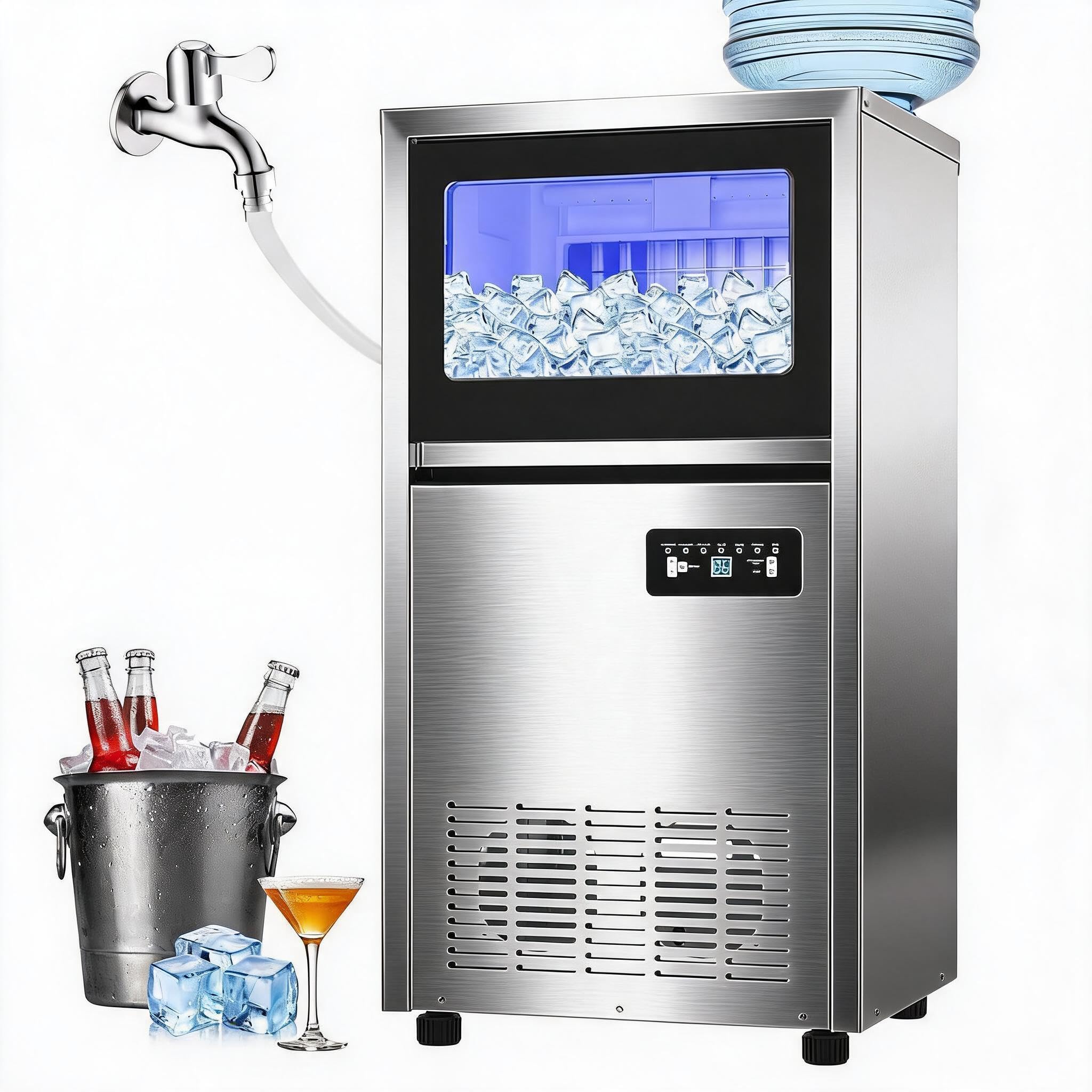
No. Countertop models use a refillable tank or reservoir that you fill with a pitcher, which is exactly why they suit renters and rooms without plumbing nearby. The trade off is attention, since a busy day can mean two or three refills. Plumbed machines belong to the under counter category, a different install with a drain and a water supply, so do not buy a countertop model expecting to connect one later.
What is the best commercial countertop ice maker for a small kitchen?
For a small kitchen, the best fit is usually a compact bullet model with a narrow footprint, a front facing control panel, and a bin near the smaller end of the range. Check the lid swing against your cabinet depth before anything else, since that single measurement rules out more models than width does. A smaller bin is a fair trade here, because a machine you can leave out gets used far more than a larger one stored in a closet.
Final Thoughts
Start with your busiest ice day, not your average one, and let it choose between bullet speed, nugget texture, and clear ice polish. Check the fit under your cabinets, confirm the safety listing, and budget for cleaning. Chosen that way, the best commercial countertop ice maker for your home is the type you will happily run every week. Compare your shortlist against the product table above, and check the product page for current price and availability.


