
Best Commercial Conveyor Toasters 2026: High Volume Guide
Disclosure: We may earn a commission when you buy through links on this page, at no extra cost to you. As an Amazon Associate I earn from qualifying purchases. Learn more

Choose the best commercial conveyor toasters by belt width, output, heat control and recovery for cafes, diners and hotel breakfasts.
Breakfast rushes leave no time for batch toasting, and the best commercial conveyor toasters keep slices moving steadily through a heated tunnel at a set speed. The comparison table below compares belt widths, output rates, and heat controls. A good conveyor toaster browns evenly on both sides, recovers quickly between slices, and fits the pace of a cafe, diner, or hotel breakfast line.
Conveyor models differ from pop up toasters in capacity, control, and cleaning needs. Belt speed and element heat together set the browning level, while belt width decides how many slices pass at once. This guide explains output ratings honestly, the controls that matter during service, and the daily care that keeps browning even over months of use.

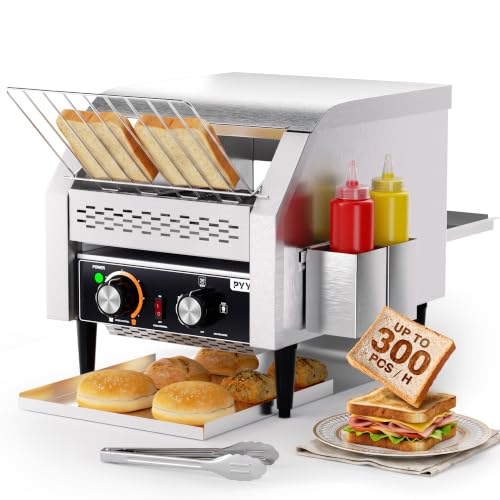


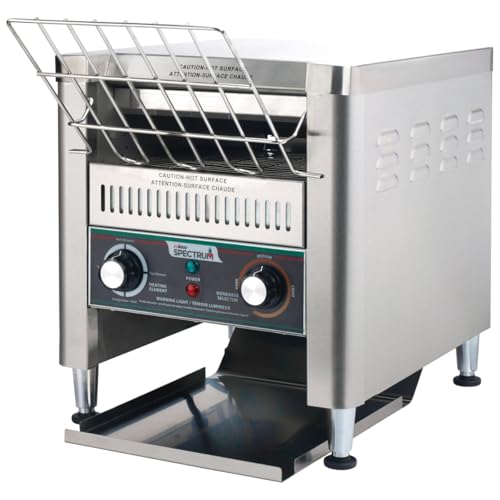
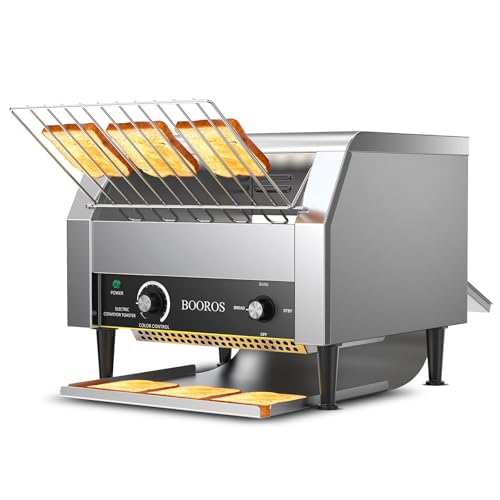
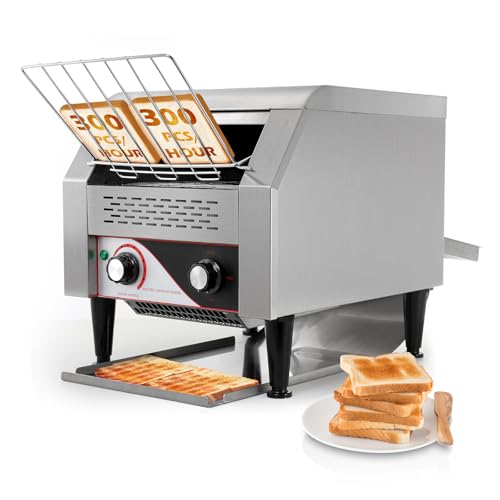

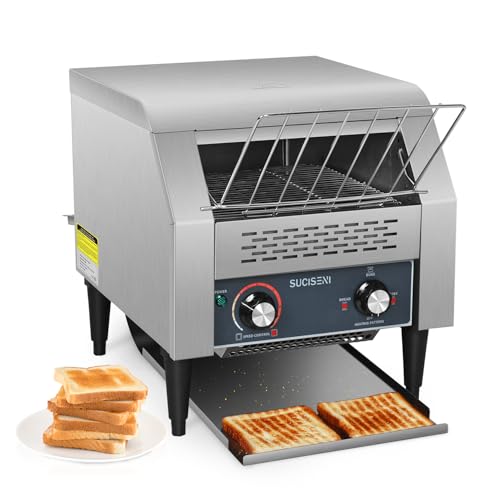
Who Should Buy the Best Commercial Conveyor Toasters
Conveyor toasters suit cafes, diners, hotels, schools, and catering kitchens that toast dozens of slices per hour. Breakfast buffets and sandwich shops benefit most, since steady output beats batch waiting. Small kitchens with low toast volume may do better with a simpler model, because conveyor units need counter space and ventilation. If your peak hour regularly overwhelms a pop up toaster, a conveyor model is worth considering.
Key Features Worth Comparing
Output Rate and Belt Width
Output rate, stated in slices per hour, tells you how the unit performs at a medium browning level. Belt width decides whether you toast one row of standard slices or wider items such as thick bread and bagels. A wider belt suits varied menus, while a narrow belt saves counter space. Compare output at the browning level you actually serve, since darker settings slow throughput.
Heat Control and Even Browning
Top and bottom elements with separate controls let you balance browning for different breads. Even heat across the belt width prevents pale edges and dark centres. Look for controls that adjust in small steps rather than only light and dark presets. During service, small tweaks beat large swings, because elements need time to settle after each change.
Recovery Time Between Slices
Recovery time measures how fast the unit returns to browning temperature after a run of slices. Weak recovery causes later slices to come out pale during a rush. Heavier elements and better insulation usually recover faster. If your peak involves back to back batches, favour a model with strong recovery over one that only looks fast on a single slice.
Crumb Management and Cleaning
Crumbs build up fast in commercial use, and a full crumb tray protects both safety and flavour. Removable trays and accessible belt areas make daily cleaning realistic rather than a chore. A unit that is hard to clean will brown unevenly as crumbs burn and smoke. Plan cleaning into the closing routine, not as an occasional deep clean.
Power, Ventilation, and Counter Space
Check the power supply before buying, since many commercial units need a dedicated circuit. Leave clearance around the unit for airflow and for heat escaping from the tunnel ends. Measure the counter depth including the entry and exit zones, not just the body of the unit. A cramped install overheats nearby items and makes loading awkward during a rush.
Bread Types and Settings Guide
Thin sandwich bread, thick artisan slices, bagels, and frozen items each need different belt speeds. Start with the maker guide settings, then adjust in small steps and note the results for your menu. Keep a simple settings card near the unit so any staff member can repeat the right browning. Taste and colour checks during the first week will lock in reliable settings.
Living With Your Choice
A conveyor toaster earns its place when it runs steadily through every peak without drama. Train staff on belt speed, crumb tray emptying, and safe handling of hot surfaces. Inspect the belt weekly for wear and food buildup. If browning turns uneven, check element condition and belt tracking before assuming the unit has failed. Good daily care keeps output steady for years.
Schedule a monthly deep clean and element inspection, and keep spare belts or parts on hand if the supplier recommends them. Record settings that work for each bread type so new staff can repeat results.
Related Guides Worth Reading
For home scale context, best inexpensive toasters covers budget pop up models and their limits.
A Final Check Before You Order
Before ordering, count your busiest breakfast hour honestly and add margin for darker browning, which slows output. Measure counter depth including entry and exit zones, not just the unit body. Check the power supply and circuit needs with your electrician before delivery day. Confirm belt width against your widest menu items, including thick bread and bagels.
Ask the supplier about element replacement and belt availability, since commercial units need parts over years of service. Compare recovery performance, not just headline slice counts, because weak recovery causes pale slices during a rush. Check crumb tray access and cleaning steps with the staff who will close the kitchen each night. A unit that is hard to clean will soon brown unevenly.
Settings, Staff Habits and Long Term Use
Train every breakfast cook on belt speed settings for each menu item and keep a settings card near the unit. Check color on the first slices each morning before service starts, and stagger loading during peaks so slices space evenly and heat recovers between batches. Log any browning changes, since a gradual shift often signals element wear or belt tracking trouble.
When the menu changes, try new breads on the conveyor before service and record the belt speed and heat for each item. Thick artisan loaves, frozen waffles and bagels each need different settings, and guessing during a rush wastes product.
Order spare elements and belts before failure, since breakfast service cannot wait for parts. Let the unit cool fully before deep cleaning and never use water on hot elements. A conveyor unit rarely travels well, so plan a separate portable toaster for off site events, and add a second small unit rather than overloading the belt if queues form at peak.
Frequently Asked Questions
How many slices per hour do I need?
Slice need depends on your peak hour, not your daily total. Count the busiest breakfast hour and add a margin for growth and for darker browning, which slows output. A cafe serving fifty covers at breakfast needs far less output than a hotel buffet. Choose a unit rated above your peak so the belt never becomes the bottleneck.
Can conveyor toasters handle bagels?
Many conveyor toasters handle bagels when the belt width and the slot height suit them. Some models offer a bagel mode that heats one side more than the other. Check the opening height against your thickest items before buying. If bagels are a core menu item, try your actual products during a trial period.
Do conveyor toasters use a lot of power?
Conveyor toasters use substantial power because elements run continuously during service. Check the wattage and the circuit needs before purchase, and plan for a dedicated outlet. Turning the unit down between peaks saves energy without a long warm up later. Compare running costs across models, not just the purchase price.
How do I clean a conveyor toaster?
Daily cleaning means emptying the crumb tray, wiping exterior surfaces once cool, and brushing loose crumbs from accessible areas. Follow the maker guide for belt cleaning and never use water on hot elements. Deep cleaning on a weekly schedule prevents burnt crumb smoke and uneven browning. Always unplug the unit and let it cool before any cleaning.
What causes uneven browning?
Uneven browning usually comes from worn elements, a dirty belt, or crumbs burning near the heat source. Check that slices sit centred on the belt and that belt speed matches the bread type. Inspect elements for dark or dead sections. If problems persist after cleaning, a service check may be needed before the next busy period.
Final Thoughts
Steady output, even browning, and simple cleaning separate a good conveyor toaster from a frustrating one. Compare belt width, output, heat control, and recovery using the product table above. Match capacity to your real peak hour, and train staff on settings and daily care. With the right choice, the best commercial conveyor toasters can keep breakfast service moving without delay.


