
Best Comfy Shoes 2026: A First Time Buyer Guide
Disclosure: We may earn a commission when you buy through links on this page, at no extra cost to you. As an Amazon Associate I earn from qualifying purchases. Learn more

The best comfy shoes balance fit, cushioning and support for your foot shape. Learn what to check before you buy your first pair.
Comfort is personal, but the best comfy shoes share a few traits: a fit that matches your foot shape, cushioning that does not collapse, and support that lasts through a full day. The comparison table below gives an overview, and this first time buyer guide explains each trait in plain language.
Many people buy for looks and hope comfort follows. A better approach is to learn what your feet need, try shoes properly, and then choose a style you also like. This guide follows that order so your first comfortable pair is not an accident.


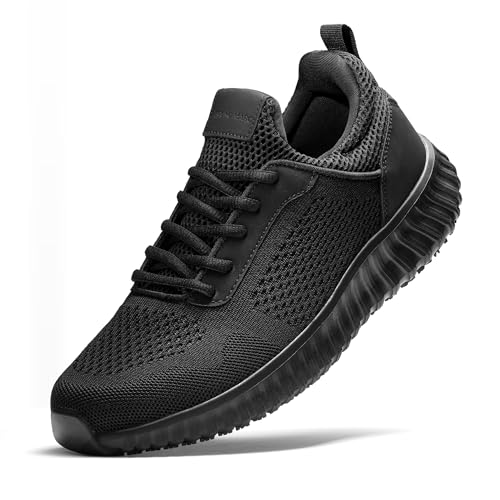


Comfy Shoes 101: The Basics
A comfortable shoe starts with fit. Length, width, and toe box shape all matter, and a shoe that is right in one dimension can still pinch in another. Feet change size through the day, so afternoon fittings give a truer result than morning ones.
Cushioning and support work together. Soft foam feels lovely at first but can flatten under daily use, while firm support feels odd at first but protects feet over long days. The best balance depends on your weight, your walking surface, and how many hours you stand.
Key Specs Explained in Plain English
Shoe specs sound technical, but each one answers a simple question about how the shoe will feel after hours on your feet. Learn the handful that matter and ignore the rest.
Fit, Sizing, and Toe Box
Measure both feet while standing, since feet differ and standing spreads them to their true size. Choose the size that fits the larger foot, and leave about a thumb width of space beyond the longest toe. A wide toe box lets toes spread naturally, which reduces pressure and blister risk.
Try shoes with the socks you will actually wear. Thick socks change fit more than people expect, and a shoe that fits with thin socks may pinch with thicker ones. Walk, turn, and climb a step in the store rather than just standing still.
Weight and Flexibility
Lighter shoes tire feet less over a long day, but very light shoes sometimes sacrifice support and durability. Flex the shoe by hand and by foot: it should bend near the ball of the foot, not in the middle, which matches how feet naturally roll.
A shoe that is too stiff forces feet to work harder, while a shoe that is too floppy offers little guidance. The right flexibility feels natural from the first steps, without a long painful break in period.
Arch Support and Cushioning
Arch support should match your arch height. Flat feet often need more structured support, while high arches often need more cushioning to fill the gap. Removable insoles help, since they let you swap in a custom or over the counter insole that fits your arch better.
Cushioning materials differ in how they age. Some foams stay springy for months, while others flatten quickly. Press the midsole and check how fast it rebounds, and ask about durability if you walk long distances daily.
Matching Comfort to Your Day
A shoe for desk work and errands differs from a shoe for standing all day. Standing jobs need stable support, grippy soles, and cushioning that survives eight hours. Walking heavy days need light weight, breathability, and a sole that handles varied pavements.
Consider your surfaces. Smooth indoor floors need less grip than wet streets or trails, while hard concrete demands more cushioning than soft grass. One shoe rarely covers every surface perfectly, so prioritize the surface you meet most.
Judging Comfort Before You Commit
Use the store or your home as a walking track. Walk for at least ten minutes, climb stairs if possible, and stand still for a few minutes to feel pressure points. New shoes should feel good almost at once; pain that you hope will fade often does not.
Check return policies before buying, especially online. A generous trial period lets you try shoes on your real routine rather than a shop floor. Keep the box and receipt until you are sure, and wear them indoors first so returns stay possible.
If work comfort is your priority, see best comfy shoes for work. For warm weather, best comfy sandals covers open styles. Pillows, chairs, and blankets are separate comfort topics and are not covered here, since this guide stays focused on footwear.
Care That Keeps Shoes Comfortable
Rotate pairs when you can. Rest days let foam recover and moisture dry out, which extends comfort life noticeably. Replace insoles when they flatten, since fresh insoles often restore a shoe that feels tired.
Keep shoes clean and dry, and avoid leaving them in hot cars or near radiators, which can warp cushioning. Small care habits add months to the comfortable life of a pair you love.
Breaking In New Shoes Wisely
Wear new shoes indoors for short periods over several days before a long day out. Short sessions reveal pressure points while keeping returns possible if fit proves wrong. Gradual wear also lets materials soften naturally without painful blister formation.
Use the socks and insoles you plan to wear daily while breaking them in. Changing socks or insoles after purchase alters fit enough to create new pressure points. Judge the full combination, not just the shoe alone.
If a specific spot rubs, try lacing adjustments or a heel grip before giving up on an otherwise good shoe. Small fit tweaks solve many minor issues, while persistent sharp pain signals a wrong size or shape that tweaks cannot fix.
Comfort for Different Foot Shapes
Wide feet need wide fits or stretch materials rather than simply larger lengths. A longer shoe that is still narrow squeezes toes and causes blisters, while a true wide fit gives toes room without heel slip. Check width options before sizing up in length.
High arches need cushioning that fills the arch gap and absorbs impact, while flat feet need structured support that prevents excessive inward rolling. Knowing your arch type turns shoe shopping from guessing into targeted selection.
People with bunions, hammertoes, or other foot conditions should favor soft uppers, wide toe boxes, and seamless interiors. These features reduce pressure on sensitive areas and prevent many common pain flare ups during long days.
When to Seek Professional Advice
Recurring foot pain, numbness, swelling, or skin breakdown deserves professional assessment rather than another shoe purchase alone. A clinician or foot specialist can identify conditions that footwear supports but does not cure, such as plantar fasciitis or nerve issues.
Bring your most worn shoes to appointments, since wear patterns tell professionals how you walk and where pressure concentrates. This information guides insole or footwear advice far better than describing pain alone.
Custom insoles help many people when stock insoles fall short, but they work best in shoes with removable insoles and adequate depth. Check insole compatibility before buying shoes if you already use custom supports.
Before You Place Your Order
Consider buying from a seller that offers width options and half sizes, because comfort often hides in those details rather than in a new brand. A correct width with the right length beats a famous name in the wrong fit, and half sizes resolve many cases where one size pinches and the next slips. Fit precision is the cheapest comfort upgrade available.
Frequently Asked Questions
How long should new shoes take to break in?
Good shoes should feel comfortable almost at once, with only minor softening over the first week. If shoes cause real pain in the first days, they are likely the wrong fit rather than a pair that needs breaking in. Do not push through sharp pain.
Are soft shoes always more comfortable?
Not always. Very soft shoes can lack support and tire feet over long days, especially for people with flat feet or high arches. The most comfortable shoe balances softness with support that matches your foot shape and daily hours.
Should I buy a half size up for comfort?
Only if your toes feel crowded in your usual size. Sizing up without need can cause slipping and blisters. Measure both feet standing, try the size that fits the larger foot, and judge by toe room and heel hold rather than a rule.
Do insoles really help comfort?
Yes, especially when the shoe fit is close but support is lacking. A well chosen insole can improve arch support and cushioning without changing shoes. Remove the original insole first if the new one makes the shoe feel tight.
When should I replace comfy shoes?
Replace shoes when cushioning feels flat, soles wear unevenly, or foot pain returns after a pain free period. Daily walkers often need replacement sooner than occasional wearers. Rotating pairs helps you notice wear earlier.
Final Thoughts
Comfort comes from fit first, then support and cushioning matched to your day. Learn your foot shape, try shoes on real surfaces, and give new pairs a proper trial before committing. The product table above is a starting point, but your feet are the final judge.
Take your time, trust what your feet tell you, and choose the best comfy shoes for your routine. A pair that feels right from the first walk will serve you far better than a stylish pair you hope to break in.


