
Best Comfy Boots for Winter: Every Type Explained Side by Side for 2026
Disclosure: We may earn a commission when you buy through links on this page, at no extra cost to you. As an Amazon Associate I earn from qualifying purchases. Learn more

Learn how to choose the best comfy boots for winter by comparing boot types, insulation, cushioning, arch support, fit, and traction for cold days.
Choosing winter boots feels confusing because comfort means different things on a snowy commute, a long shift on concrete, and a weekend walk with the dog. The best comfy boots for winter for you will match your foot shape, your usual temperatures, and the surfaces you cross each day. This guide compares the main boot types side by side so the tradeoffs are clear before you spend anything.
Start with the comparison table below, then read the type breakdown that follows. You will learn which designs favor soft cushioning, which add firmer support, and which trade a little bulk for serious warmth in deep snow.
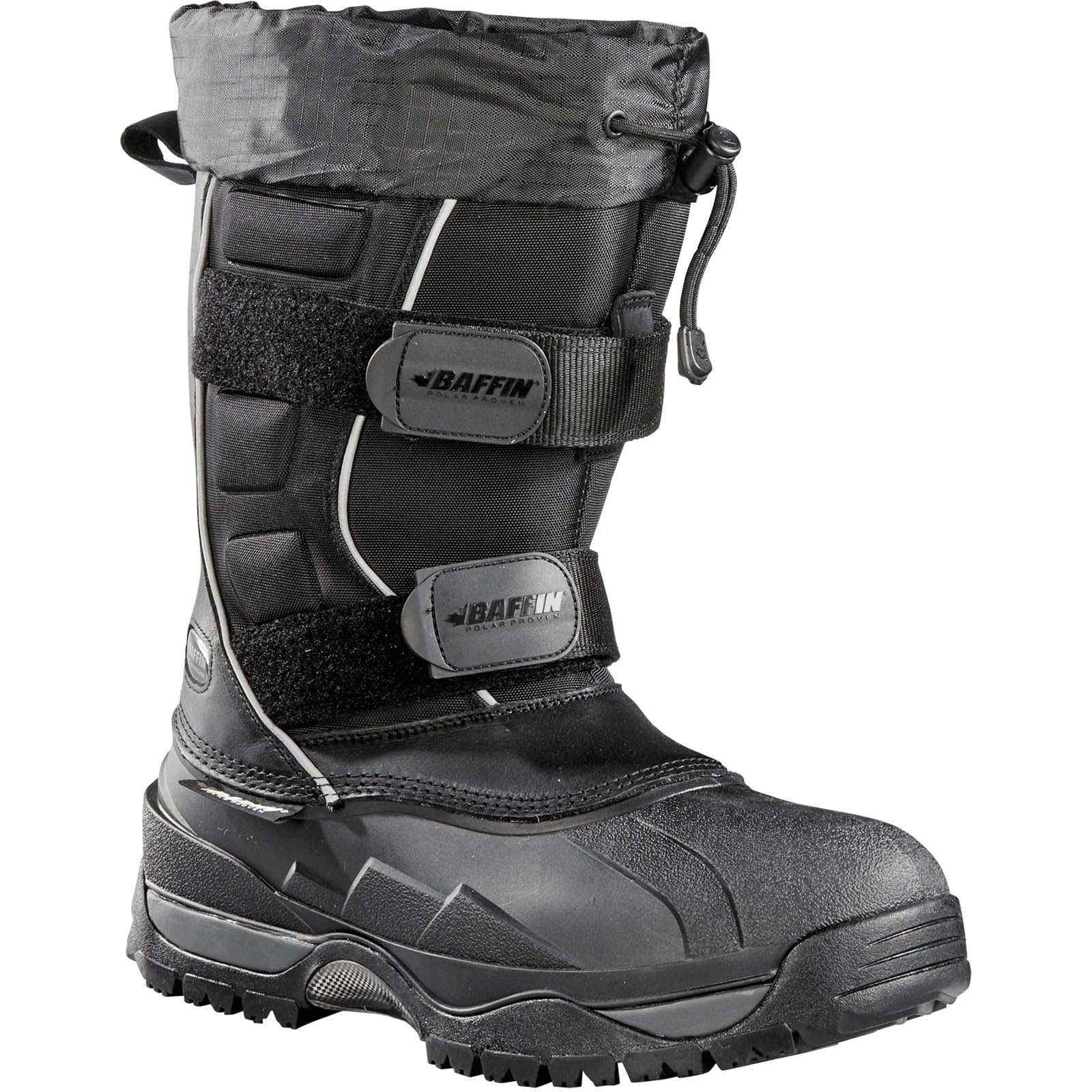

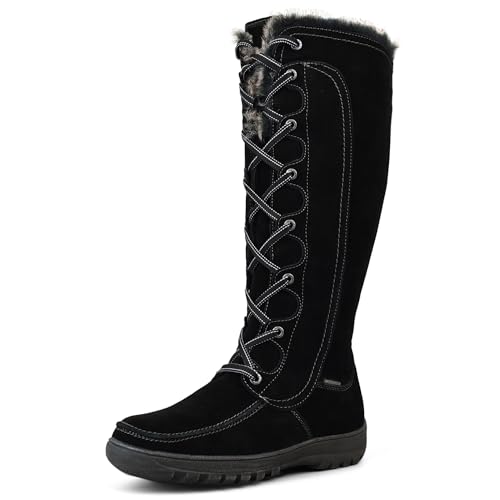
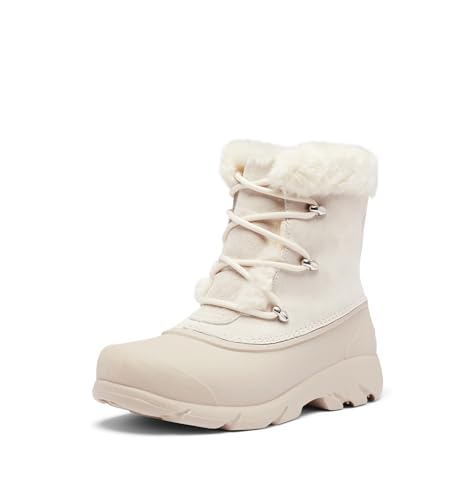
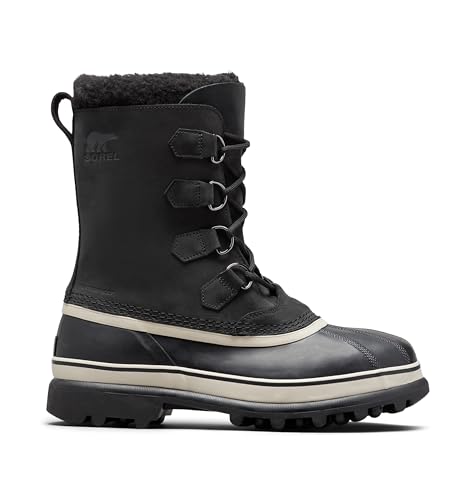
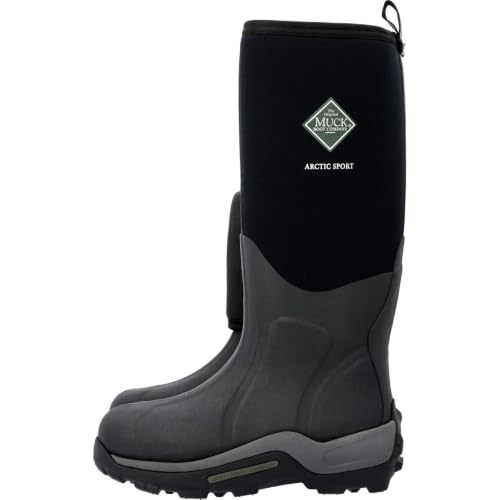

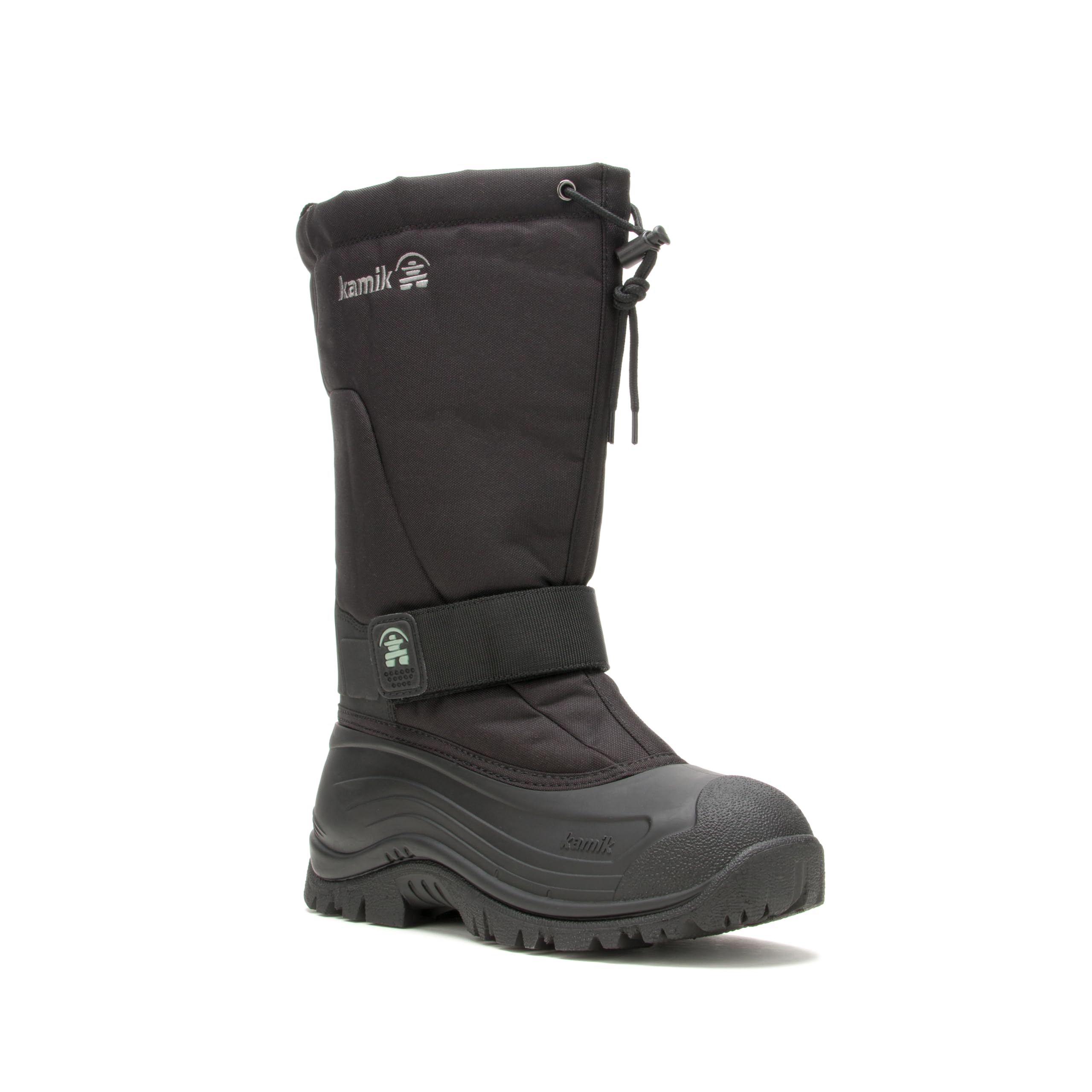
Types of Comfy Boots Compared
Winter boots fall into a few broad families, and each family solves a different problem. Some feel light and flexible from the first wear, while others feel stiff at first and protect you better on ice. If warmth for storms is your top priority, see our guide to the best winter boots for the broader warmth focused picture alongside this comfort focused one. The goal is to match the best comfy boots for winter to the job they will actually do.
Soft Cushioned Boots for Everyday Winter Wear
Soft cushioned boots use a thick, even midsole and a plush footbed with no firm shaping under the arch. Your foot moves naturally, so the feel is relaxed and forgiving on short walks, errands, and travel days. They suit people with higher arches who mainly want padding underfoot.
The tradeoff is control. On uneven snow or long days standing, that softness can feel wobbly, and feet that roll inward a lot may tire faster. Choose this type for mild to moderate cold and mostly cleared sidewalks, and expect a price around $80 to $160 for a solid insulated pair.
Supportive Structured Boots for Extra Control
Supportive structured boots add a firmer section under the arch and a deeper heel cup. That structure steadies your foot as you walk, which many people with flat feet find more restful over a full day. The ride feels firmer and less plush than a cushioned design, especially at first.
These boots shine for long shifts, longer walks, and anyone whose ankles feel unsteady on packed snow. They can feel too rigid if your arches are high, so comfort here depends on matching the support to your actual foot shape rather than buying the most support available.
Insulated Pac Boots and Snow Boots for Deep Cold
Pac boots and tall snow boots put warmth first, with thick insulation, a waterproof shell on the lower foot, and a tall shaft that keeps snow out. Many use a removable liner you can take out to dry overnight. They are the most protective choice for shoveling, snow play, and standing in slush for long stretches.
Comfort in this family comes from warmth and room rather than a soft walking feel. These boots are heavier and warmer than most people need for a quick commute, and the roomy fit can feel loose on narrow feet. For mostly urban winter use, a lighter cushioned type will usually feel better mile after mile.
Soft Cushioned Boots vs Supportive Structured Boots: Which Should You Choose?
Look at the product table above and narrow your choice with four checks. First, watch how your old shoes wear down. Even wear suggests a cushioned design will suit you, while heavy wear on the inner edge suggests a structured boot may help.
Second, consider your arch. Higher arches usually pair well with soft cushioning, while lower arches often feel better with added structure.
Third, think about your day. Short trips and mostly indoor work favor the softer cushioned feel, while long hours on your feet favor the steadier support design. Fourth, weigh the ground you cross. The more uneven and slippery your route, the more a structured boot helps you feel planted. If you are between types, a moderately cushioned boot with a firm heel cup is a sensible middle path.
How to Choose the Right Comfy Boot
Features That Matter for Winter
Winter comfort starts with keeping feet warm without trapping sweat. Insulation is often listed by weight, and around 200 grams suits active days and milder cold, while around 400 grams suits colder regions and lower activity. Waterproof membranes such as Gore Tex block slush from entering, yet the lining still needs to be breathable so moisture from your feet can escape during a long day.
Also check the closure and shaft. Laces let you adjust snugness over the instep, while a taller shaft keeps deep snow out of your socks. A gusseted tongue helps seal the opening against snow and cold air, a small detail that matters a lot on windy days.
Outsole Traction and Terrain
The outsole decides whether a warm boot is actually safe to walk in. Look for rubber that stays flexible in cold temperatures, since hard rubber turns slick on ice. Deep lugs, often around 4 to 6 mm, bite into snow and loose grit, while wider spacing between lugs sheds packed snow instead of holding it and turning the sole smooth.
Match the pattern to your terrain. Cleared city sidewalks call for many small contact points that grip wet pavement, while trails and unplowed paths call for larger and more aggressive lugs. No lug pattern makes smooth ice fully safe, so slow down on glossy patches and use handrails where you can.
Arch Support and Foot Type
Arch support should match the shape of your foot rather than push against it. If you stand on a wet floor and leave a full footprint, you likely have lower arches and will value a supportive footbed. If only a thin strip along the outer edge shows, your arches are higher and you will value cushioning that fills the space under the arch without forcing it upward.
Many winter boots ship with thin and flat insoles, so check whether the insole removes easily. A removable design lets you add the support shape you already know works for you. Pain that is sharp, numbness that keeps returning, or swelling that does not settle are signs to talk with a clinician or a fitting professional rather than trying another boot.
Fit, Sizing, and Toe Box
Try boots late in the day, when your feet are at their largest, and wear the socks you plan to use in winter. Your toes should wiggle freely and never press the front when you walk downhill or kick lightly against the floor. A thumb width of space in front of your longest toe is a useful guide with thick socks on.
Heel slip should be minimal, because a loose heel creates friction and blisters on longer walks. Men comparing fits across brands can see our guide to the best boots men winter for more on standard and wide options. Women often need a narrower heel with a roomier forefoot, and our guide to the best ladies winter boots covers that fit difference in more depth.
Cushioning and Support
Cushioning comes from the midsole foam and its thickness under the heel and forefoot. A thicker midsole softens impact on concrete and frozen ground, which matters more the longer you walk. Very soft foam can feel tiring over distance, though, because your foot works harder to stabilize each step on an unstable surface.
Pay attention to the heel height and the boot weight as well. A moderate heel and a lighter shell feel familiar to most walkers and ease strain on the calf, while very heavy boots tire you over long distances even when they are warm.
Preparing and Caring for Your Comfy Winter Boots
Break new boots in with short indoor wear and a few brief walks before any long outing, so stiff spots show up while returning them is still simple. After wet days, pull the insoles out and air dry the boots at room temperature away from direct heat, since strong heat can crack leather and weaken adhesives. Stuffing them loosely with plain paper helps draw out moisture overnight.
Brush dried salt and grit off regularly, because salt stains and grit in the flex points wear materials down. Reapply a waterproofing treatment for the upper material when water stops beading on the surface. Rotating two pairs on consecutive days gives each pair time to dry fully, and that simple habit also spreads wear across both pairs. Store boots upright and loosely laced so the shaft keeps its shape.
Comfy Boots for Winter: Your Questions Answered
What features matter most in comfy boots for winter?
Fit matters most, followed by insulation matched to your temperatures and an outsole that grips your usual surfaces. A boot that fits poorly will hurt no matter how advanced its materials are. One point many buyers miss is sock choice, since a cushioned wool blend sock adds warmth and padding that can change how the same boot feels on a long day.
How long is the break in period for comfy winter boots?
Most comfy winter boots feel good within a few short wears, often over about one to two weeks of regular use. Soft lined ankle boots may need almost no time, while stiff leather and tall snow boots take longer. If a specific spot still rubs after a week of short walks, the size or shape is likely wrong rather than the boot simply needing more time.
Do comfy winter boots need to be waterproof?
Comfy winter boots need waterproofing if you regularly walk through slush, puddles, or wet snow. Dry and powdery snow in very cold places is less likely to soak through a treated leather upper during short trips. Remember that waterproof membranes also slow drying once water enters over the top of the shaft, so gaiters or taller shafts help in deep snow.
How often should you replace comfy boots for winter?
Replace comfy boots for winter when the cushioning feels flat, the tread is worn smooth, or the upper leaks despite fresh waterproofing treatment. For daily wear through a full season, many pairs feel noticeably tired after two to three winters. Check the heels in particular, since uneven heel wear changes how your foot lands and can quietly undo the support you bought the boots for.
Are expensive comfy boots for winter worth the extra cost?
Expensive comfy boots for winter can be worth it when the higher price buys better insulation, a more durable outsole, and a removable quality insole. Around $100 to $250 covers most well made options, and paying more mainly helps heavy daily use in harsh cold. Light and occasional users often get the same comfort from a simpler pair in the lower part of that range.
Final Thoughts
Comfort in winter comes from matching the boot type to your feet and your weather, not from chasing the thickest insulation or the softest foam. Use the comparison table above to check insulation weight, outsole design, and fit options against the points in this guide. When you find the best comfy boots for winter for your routine, your feet stay warm, dry, and rested from the first errand to the last walk of the day.


