
Best Comfortable Work Pumps: Buying Guide for 2026
Disclosure: We may earn a commission when you buy through links on this page, at no extra cost to you. As an Amazon Associate I earn from qualifying purchases. Learn more

Comfortable work pumps: compare heel height, cushioning, fit, materials, and price before you choose a pair for work.
A pump that pinches by ten in the morning can ruin an otherwise good workday. The best comfortable work pumps solve a specific problem: they look polished in meetings and on camera, yet they still feel kind during commutes, presentations, and long stretches on hard floors. This guide helps you judge heel height, cushioning, fit, and materials in a sensible order, so you buy for your actual schedule instead of for a photo.
Start with the comparison table below, then use the criteria that follow to check each option against your feet and your dress code. A few minutes of measuring and honest thinking about your day saves most people from a painful return.

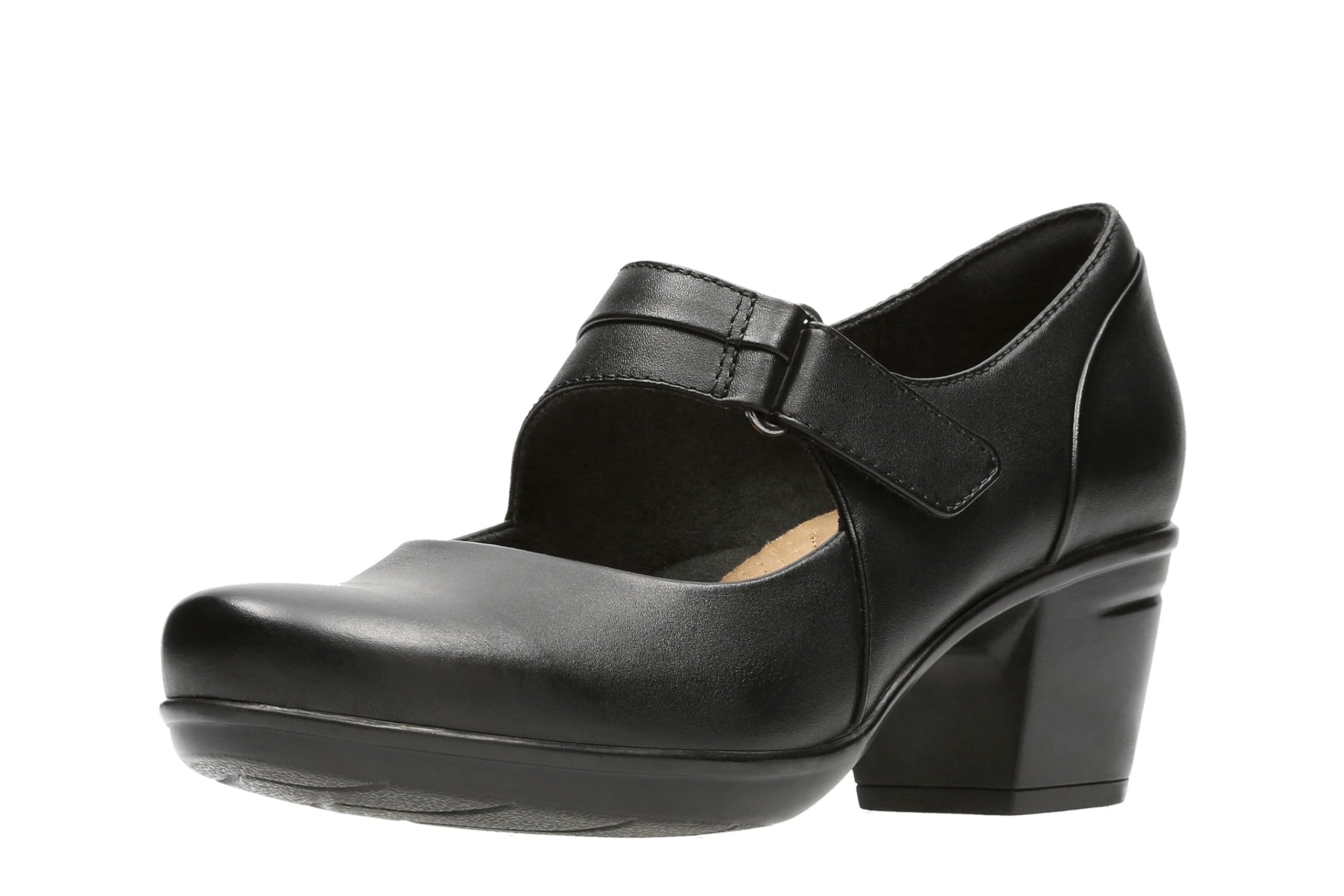


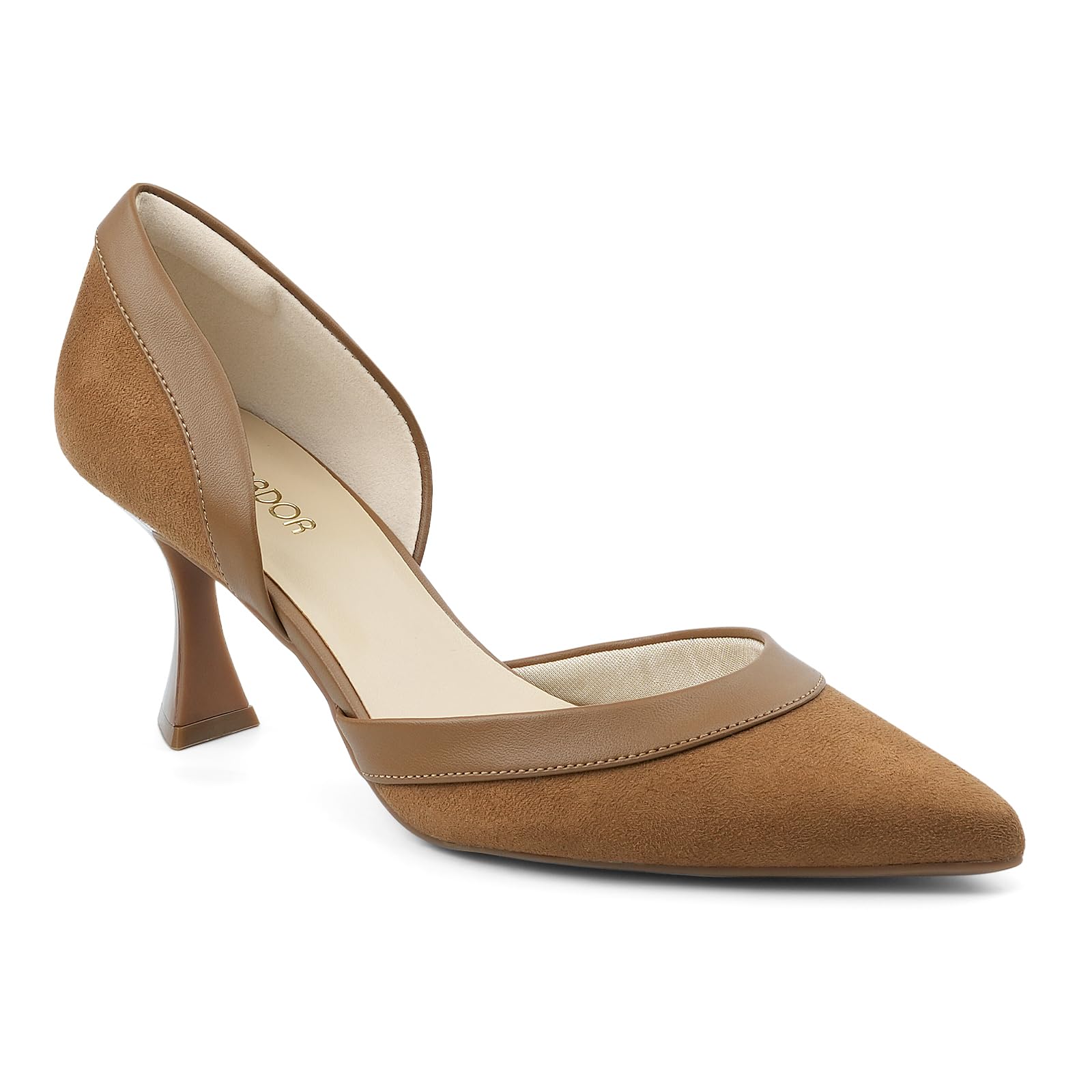

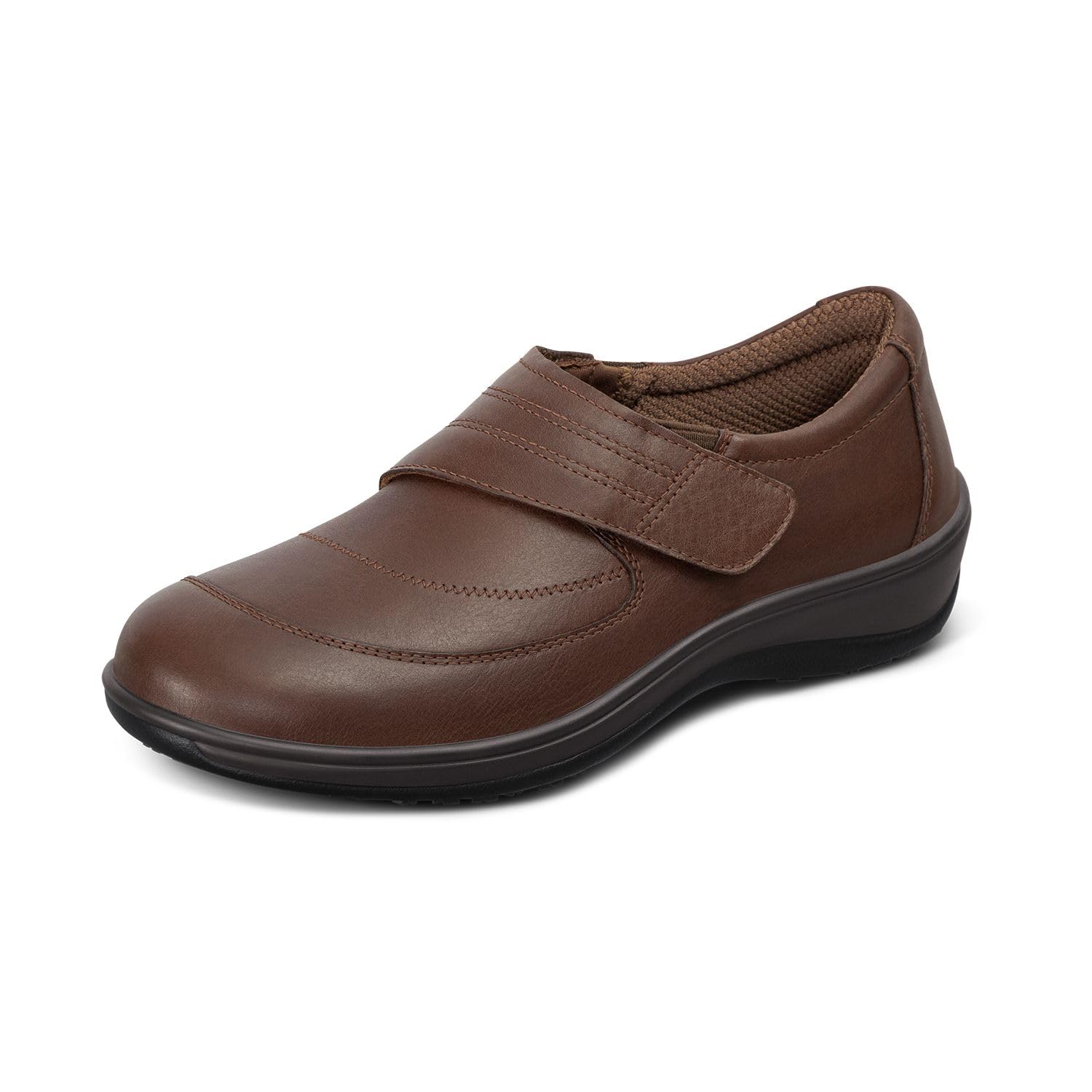

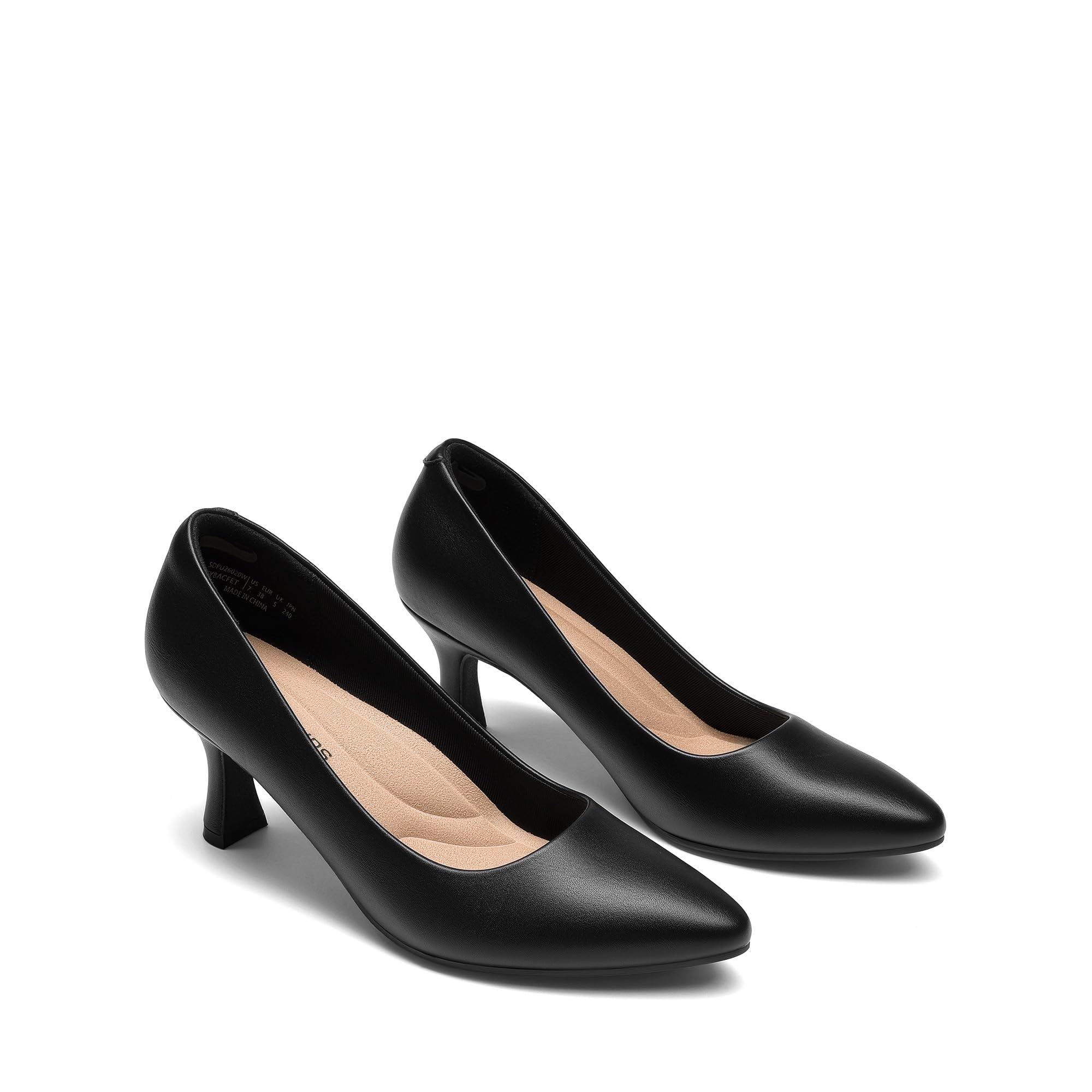
Three Profiles Worth Aiming For
Instead of chasing a single perfect shoe, think in profiles. Most happy buyers match one of the three profiles below, then filter the product table above by heel height, toe shape, and price.
The All Day Profile
This profile suits office days that mix sitting, walking, and standing. Look for a heel around 1.5 to 2.5 inches, a padded insole with real arch support, and a toe box that lets your toes lie flat. A slightly wider heel base adds stability on tile and polished concrete. Expect to pay about $70 to $130 for this balance of cushioning, lining quality, and durable construction. The trade off is a classic rather than dramatic silhouette, which most workplaces reward anyway.
The Value Profile
Value here means comfort features where they count, not the lowest price on the page. A value pair usually has a foam insole, a flexible forefoot, and a synthetic or blended upper that needs little breaking in. Prices often sit around $40 to $70. You may give up leather that molds to your foot and outsoles that last for years, but for two or three wear days per week, that trade can be smart. Check the return policy, because value shoes vary more in sizing.
The Gentle Starter Profile
If you rarely wear heels, start lower and simpler. A heel under 2 inches, a rounded or almond toe, and a strap free design you can slip on quickly will feel manageable from day one. Kitten heels and low block heels both fit this profile. Plan a short first wear at home, then a half day at work, before committing to a full schedule. Spending about $50 to $90 on a forgiving first pair beats buying a tall fashion heel that stays in the closet.
How to Choose Comfortable Work Pumps: A Buying Guide
Intended Use and Who It Is For
Write down what your workday actually asks of your feet. A teacher crossing a campus, a lawyer moving between offices, and a manager who mostly sits will choose differently. Count your daily steps if you can, and note surfaces such as carpet, tile, or pavement. If you stand for more than two hours at a stretch, prioritize cushioning and a lower heel over looks. If you commute on foot or by train, traction and a secure heel fit matter just as much.
Price vs Value
Budget pairs under about $50 can work for occasional wear, but thin insoles and stiff uppers often show up fast. Mid range options around $70 to $130 usually deliver better padding, smoother linings, and more consistent sizing. Premium pairs above about $150 tend to add leather linings, refined shapes, and construction you can resole or repair. Judge value by cost per wear. A pair worn three days a week for two years is cheaper in practice than a bargain pair replaced every season.
Safety and Certifications
Comfort shoes still need to keep you upright. Look for outsoles with textured rubber or grip patterns, especially if your building has polished floors or wet entryways. A stable heel base and a shank that resists twisting reduce ankle strain. Shoes rarely carry formal safety certifications for office use, so treat vague claims with care and rely on construction you can see in photos and descriptions. If your job involves labs, kitchens, or clinical areas, follow your employer rules first, since many workplaces require closed shoes with specific slip resistance ratings.
Key Performance Specs
Four specs drive most of the comfort you feel. Heel height sets the load on the ball of your foot, so lower is kinder for long days. Heel pitch, the difference between heel and forefoot height, matters too; a small platform can soften a taller heel. Cushioning thickness under the forefoot and heel absorbs impact, while arch support spreads pressure. Finally, weight matters more than people expect. A lighter shoe tires your legs less by late afternoon, especially on days with stairs.
Warranty and Customer Support
Shoes are wear items, so warranties usually cover defects in stitching, heel attachment, and materials rather than normal wear. Still, a brand that states a clear defect policy and answers sizing questions promptly is a good sign. Keep your order details and take photos if a heel tip or seam fails early. Generous return windows matter even more than warranty length for footwear, because fit problems appear in the first week. Buy from sellers with clear return terms, and test on carpet at home first before wearing a pair outdoors.
Size, Weight, and Fit
Fit is the single biggest comfort factor, and it is personal. Measure both feet in the evening, when they are slightly larger, and use the longer measurement. Leave a thumb width of space in front of your longest toe, and check that the heel grips without lifting with every step. If you are between sizes, consider width first; many comfort lines offer wide options that solve pinching better than sizing up. Remember that pointed toes need extra length to give toes the same room as a round toe.
Practical know how: try new pumps with the exact hosiery or socks you plan to wear at work, because thin stockings and padded socks change fit noticeably. Walk on a hard floor at home, not only carpet, to feel the real cushioning.
Build Quality and Materials
Leather uppers stretch and mold with wear, breathe better, and usually last longest, though they need a short break in period. Quality synthetics have improved and often feel soft immediately, but they may trap heat and crack sooner. Look for smooth linings with few internal seams over the toes and heel, since seams cause blisters. A cushioned collar, a firm heel counter, and stitching that sits evenly all signal care. Flex the shoe gently; it should bend at the ball of the foot, not in the middle of the arch.
Readers comparing broader footwear choices may also want our guide to the best comfortable work shoes, which covers flats, loafers, and sneakers approved for workplaces with flexible dress codes.
Types of Comfortable Work Pumps
Mid Range Options
Mid range pumps are the sweet spot for most office workers. They pair moderate heels with padded insoles, decent leather or high quality synthetic uppers, and shapes that suit most dress codes. They cost about $70 to $130 and balance daily comfort with a polished look. If you wear pumps four or five days a week, start your search in this tier and only move up or down if a specific need pushes you there.
Compact Options
In shoe terms, compact means low profile designs that pack and store easily, such as low heels and foldable or soft structured styles for travel days. They suit consultants and anyone who changes shoes at the office. The trade off is support; very soft shoes rarely cushion a full day of standing. Use them for travel, desk days, and as a backup pair in a drawer. If you often swap shoes for commuting, see our guide to the best pumps for work for more pairing ideas.
Budget Options
Budget pumps under about $50 serve occasional wearers, new hires building a wardrobe, and anyone testing whether a heel height works for them. Expect simpler foam padding, synthetic uppers, and less precise sizing. Improve them with a thin cushioned insert if there is room, and rotate them with other shoes so foam can recover between wears. Replace them once the heel tips wear unevenly, because a wobbling heel strains ankles and knees.
Choosing Pumps for Your Situation
Fit Notes for Women
Women have fit needs that general advice can miss: narrower heels that still grip, toe shapes that respect a wider forefoot, and sizing that accounts for swelling across the day. Women who run warm should favor breathable linings. Women with bunions should look for soft uppers and stretch panels over the joint. A classic choice for many offices is a black pair, and our guide to the best black pumps for work explains shade, finish, and outfit pairing in more depth.
Hot offices and summer schedules change the equation too. When your workplace allows open styles on some days, rotating to sandals gives pump weary feet a break, as covered in our guide to the best comfortable sandals for work.
Care and Maintenance Tips
- Read the care guidance first. Leather, patent, and fabric uppers each need different cleaners, and the wrong product can stain or crack a finish.
- Clean and inspect regularly. Wipe uppers after wear, check heel tips weekly, and replace worn tips before the metal core shows and damages floors.
- Rotate pairs. Resting a pair for a day lets cushioning rebound and moisture dry, which extends comfort and life.
- Store in a dry place. Keep pumps away from heat vents and damp closets, and use shoe trees or tissue to hold the shape.
- Register the product for warranty. Save receipts and register where the brand offers it, so defect claims are easy if a heel or seam fails early.
- Protect the soles. Thin rubber sole protectors added by a cobbler can add grip and months of wear for a modest cost.
Comfortable Work Pumps: Your Questions Answered
How long does a comfortable work pump last?
A well made pair worn three days a week typically lasts about one to two years before cushioning flattens and heel tips need repeated service. Leather uppers often outlast the insoles, so some buyers refresh padding instead of replacing the shoe. Watch for new forefoot soreness as the earliest sign of tired foam. Rotating two pairs is the simplest way to stretch the life of both.
How do I maintain a comfortable work pump?
Basic care is wiping the upper, airing the shoe overnight, and replacing heel tips on schedule. Condition leather about once a month if you wear the pair often, and keep it away from direct heat while drying. Store with trees or tissue so the toe box keeps its shape. Address scuffs early, because small marks are easy to polish out, while deep cuts in synthetic uppers rarely repair cleanly.
What features matter most when buying comfortable work pumps?
Fit, heel height, and forefoot cushioning matter most, in that order. A shoe that fits your length, width, and heel shape will beat a feature packed shoe that pinches. Next, check arch support and lining smoothness. One detail buyers miss is the insole edge; a raised ridge under the toes can cause soreness on long days, so choose smooth, contoured padding that cradles rather than crowds your foot.
How much should I spend on a comfortable work pump?
Most full time office wearers land around $70 to $130 for a pair that stays comfortable past the first month. Occasional wearers can spend less, around $40 to $70, and still be happy. Spend more mainly for leather quality, refined shapes, and repairable construction. Avoid judging by price alone; an expensive fashion heel with thin padding can hurt more than a modest comfort design.
Are expensive comfortable work pumps worth it?
They can be, when the extra money buys better materials and construction rather than a logo. Premium leather molds to your foot, better linings reduce friction, and sturdier heels stay quiet and stable longer. The value shows up after months, not minutes in a store. If you wear pumps daily, that durability often justifies the price. If you wear them twice a month, a mid range pair usually gives you nearly the same day one comfort.
Our Verdict
Choose by fit first, heel height second, and cushioning third, and most other decisions fall into place. Match the profile to your schedule, use the product table above to compare the details side by side, and give any new pair a gradual first week. Done well, the best comfortable work pumps disappear into your day, which is exactly what work shoes should do.


