
Best Black Pumps for Work 2026 Comfort and Fit Guide
Disclosure: We may earn a commission when you buy through links on this page, at no extra cost to you. As an Amazon Associate I earn from qualifying purchases. Learn more

Compare the best black pumps for work by heel height, toe shape, cushioning, and grip, so you can choose a pair that stays comfortable all shift.
Black pumps for work need to do two jobs at once: look professional and feel comfortable through a full day of standing, walking, and meetings, and best black pumps for work are worth choosing with comfort first. Heel height, toe shape, and cushioning matter far more than brand names, and a pair that pinches in the shop will not improve by Friday. The comparison table below shows the main styles side by side, so you can compare heel heights, toe shapes, and sole grip before you buy.
This guide explains how to pick a heel height you can actually wear all day, which toe shapes suit wider feet, and what to check in cushioning, arch support, and outsoles. It also covers break in, care, and the warning signs that mean a pair does not fit, so you can avoid the blisters and sore feet that come from choosing style over fit.


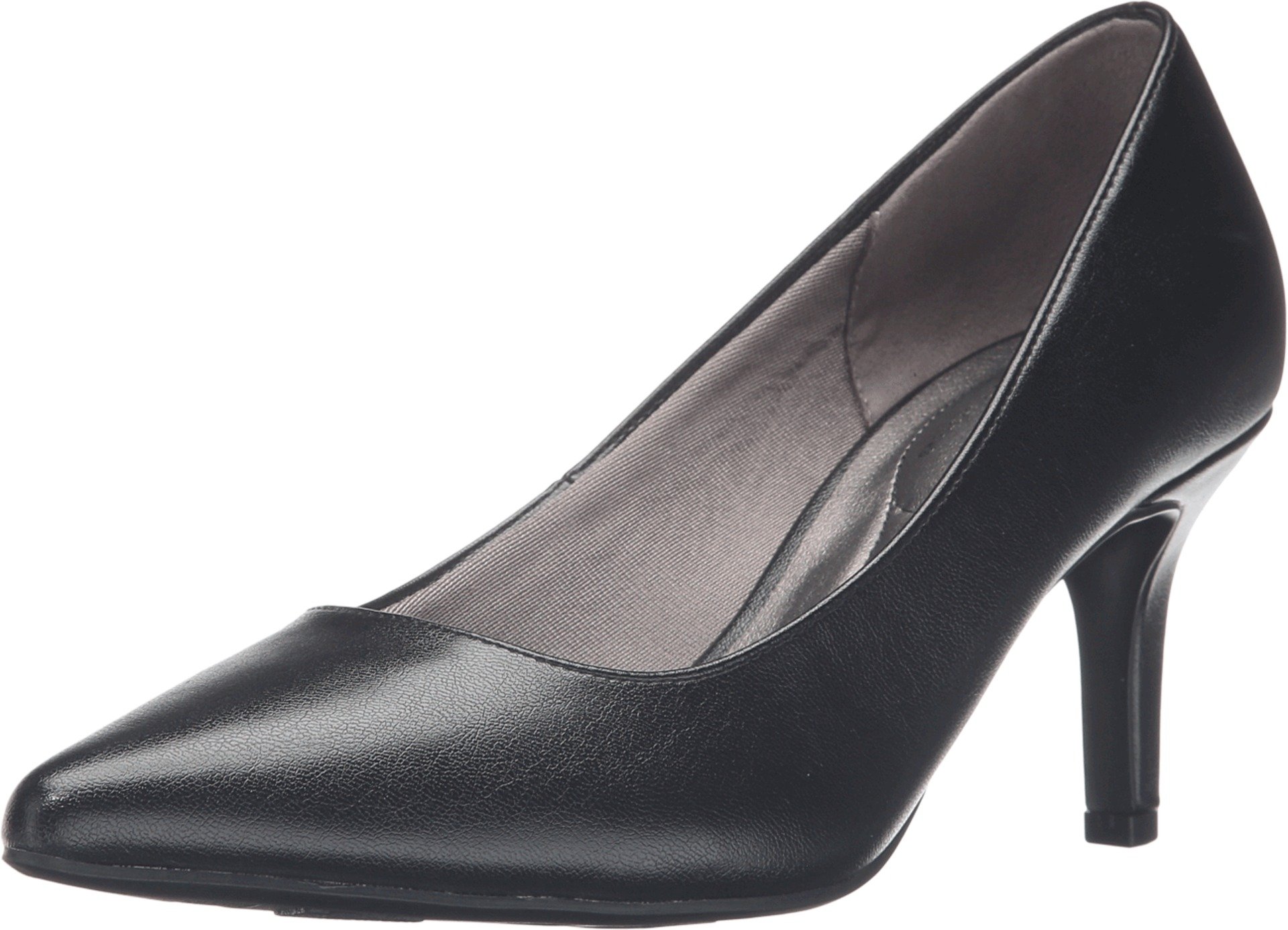


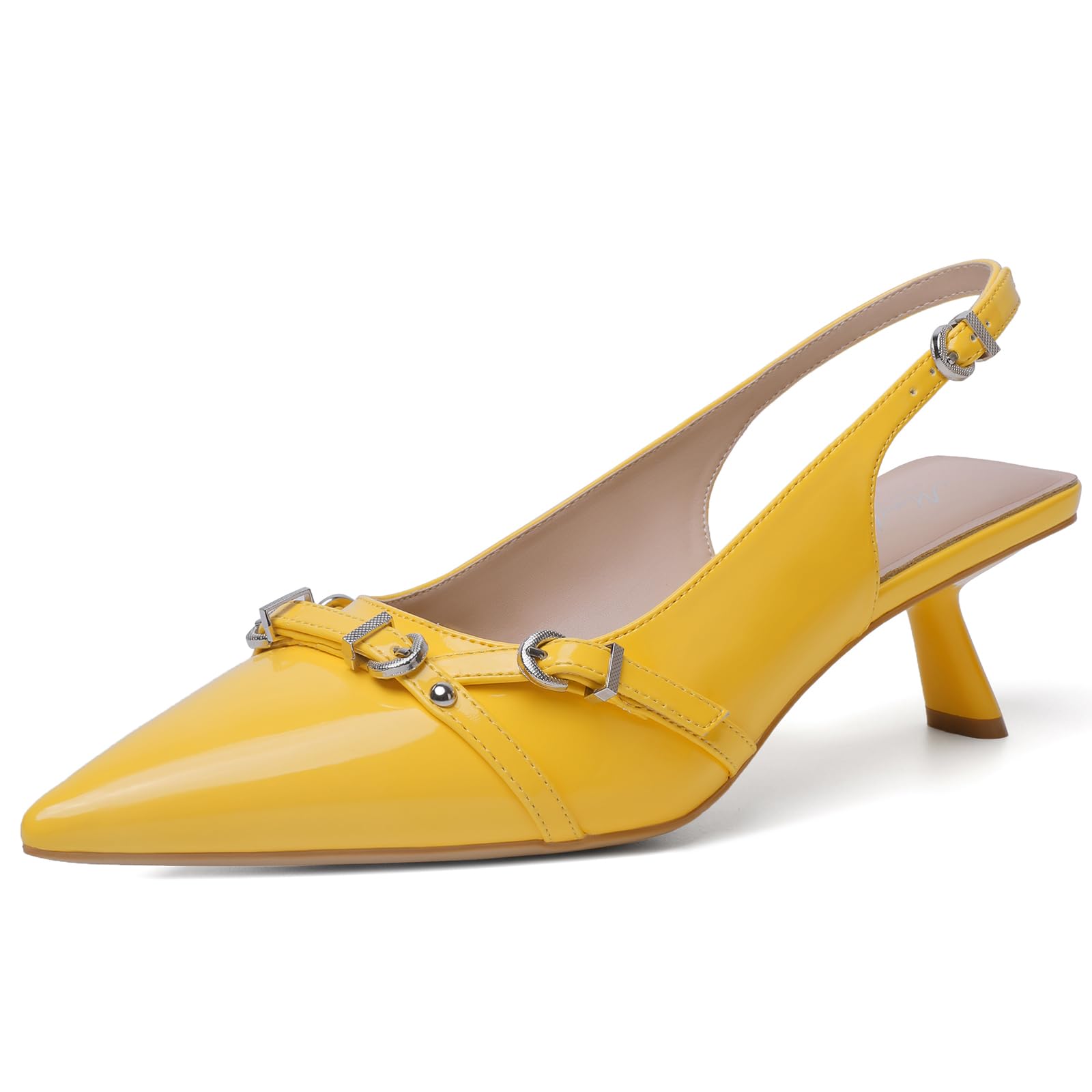

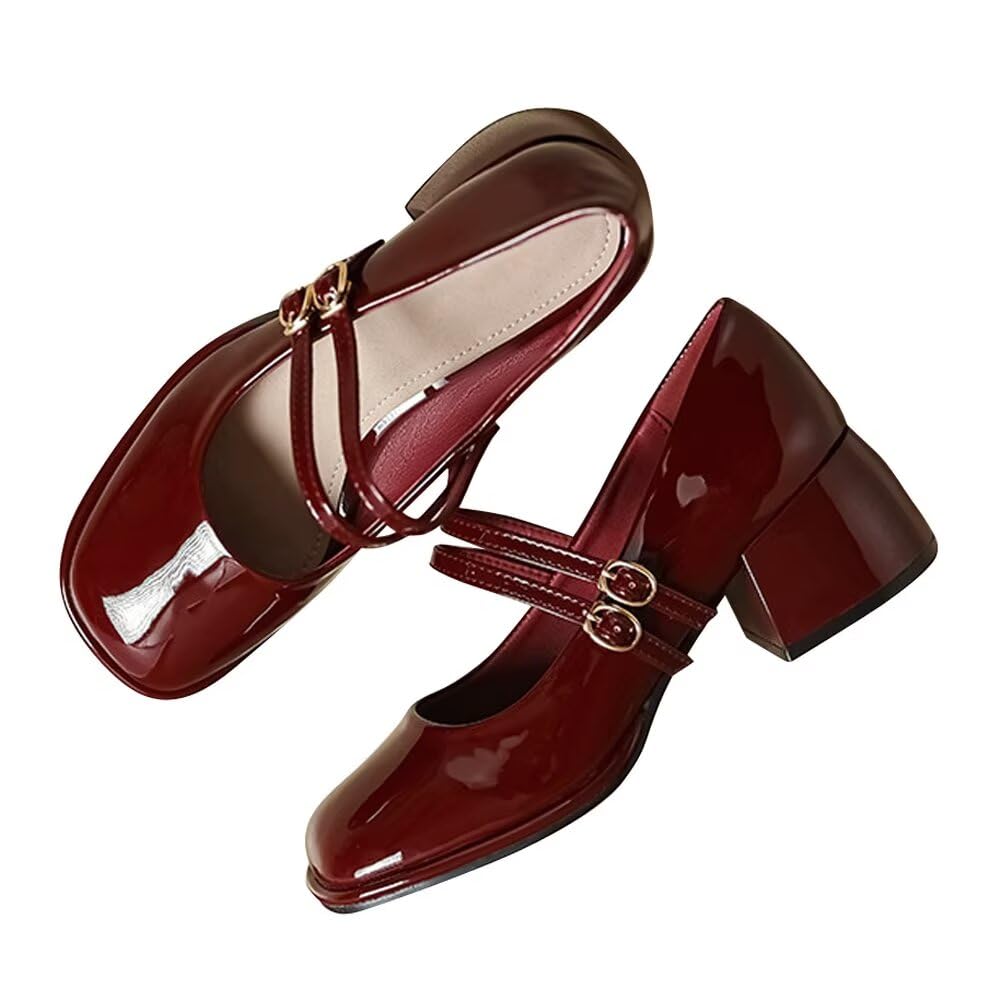
Heel Height You Can Wear All Day
For all day work wear, a heel around 2 to 5 cm is the most realistic range for most people, with block heels offering more stability than stilettos at the same height. Higher heels shift weight forward onto the ball of the foot, which causes pain faster and increases the risk of slips on smooth floors. If your job involves standing for hours, a lower block heel or a wedge will serve you far better than a tall slim heel.
Consider your commute too: a heel that feels fine at a desk may ache after walking to the station and standing on a train. Many workers keep a comfortable pair for commuting and change into work pumps at the office, which extends the life of both pairs. Whatever height you choose, the heel should feel stable, with no wobble when you walk on a hard floor.
Toe Shape, Width, and Fit
Toe shape changes comfort more than any other feature. A pointed toe squeezes toes together and suits short occasions, while a round or almond toe gives toes room to spread and suits long days. If you have bunions or wider feet, look for a wide fit option rather than sizing up in a narrow shoe, since sizing up adds length that can cause heel slipping.
Try pumps on at the end of the day when feet are slightly larger, and walk on a hard floor, not just carpet, before deciding. Your toes should not press the front, your heel should not slip with each step, and the widest part of your foot should match the widest part of the shoe. If the shoe pinches across the toes in the shop, it will pinch worse after eight hours.
Cushioning, Arch Support, and Insoles
Good work pumps have cushioning under the ball of the foot, where pressure concentrates in heels, plus a shaped insole that supports the arch. Removable insoles are a bonus, since they let you fit a custom insole or an orthotic if you need one. Check that the insole stays in place and does not bunch up, which causes blisters faster than a firm insole does.
Leather linings breathe better than synthetic ones and reduce sweating over a long day, while padded collars around the ankle prevent rubbing at the heel. If you stand all day, look for a shoe with a cushioned footbed and a stable shank, the stiff layer under the arch that stops the shoe twisting. A shoe that twists easily in your hands will not support your foot well.
Outsoles, Grip, and Office Floors
Office floors range from carpet to polished stone, and the outsole needs grip on both. Rubber outsoles grip better than smooth leather soles, especially on wet entrances and smooth tiles, and they last longer on hard surfaces. A textured tread pattern helps on wet days, while a completely smooth sole can slip dangerously on a polished floor.
Check the sole flex too: it should bend at the ball of the foot, where your foot naturally bends, and not in the middle of the arch. A sole that bends in the wrong place forces your foot to work harder and causes fatigue. If your workplace has a dress code that requires leather soles, consider a stick on grip pad for wet days, fitted by a repair shop.
Break In, Care, and Making Them Last
Leather pumps break in over one to two weeks of regular wear, softening around the toes and heel, but they should not cause blisters from the first day. Start with shorter days and build up, and use heel grips or insoles early if you feel rubbing, rather than waiting for a blister to form. Rotate between two pairs when possible, since shoes recover their shape better with a day of rest between wears.
Care is simple: brush off dirt, apply leather conditioner from time to time, and store pumps with shoe trees or stuffed with tissue to hold their shape. Keep them dry, since wet leather stretches and then shrinks unevenly, and let wet shoes dry at room temperature away from radiators. A repair shop can replace worn heels and soles, which extends the life of a well fitting pair.
Warning Signs and Foot Health
Work pumps should never cause ongoing pain, numbness, or skin breakdown. Warning signs such as persistent forefoot pain, numb toes, blisters that keep reopening, or ankle instability mean the fit or heel height is wrong, and you should change shoes and talk with a clinician or podiatrist if pain persists. These shoes are not medical devices, and no pair is worth lasting foot damage.
If you have diabetes, poor circulation, or a foot condition, choose comfort and fit over style, and check your feet regularly for pressure marks. A podiatrist can advise on insoles and shoe features that suit your feet, and that advice is worth more than any buying guide. Your feet carry you through every workday, so treat them as the priority.
Changing Shoes Through the Day
Many workers keep a comfortable pair for commuting and change into work pumps at the office, which protects both pairs and spares feet during long walks and station stairs. A roomy tote or a desk drawer keeps the work pair clean and ready, and the commute pair can be flat, grippy, and weatherproof without worrying about office dress codes. This habit also extends the life of work pumps, since they avoid rain, puddles, and pavement wear.
If your office has no changing space, choose a work pump that also walks well, with a block heel and rubber sole, so one pair covers the whole day. Keep a pair of foldable flats in your bag for emergencies, such as a broken heel or a blister that appears midday. Planning for shoe changes is not vanity, it is practical foot care for people who walk and stand all day.
Related Buying Guides
For the wider range, start with best black pumps and best pumps for work. If you need a broader work shoe, compare best black work shoes, and for a women specific fit, see best women's pumps for work.
Frequently Asked Questions About Black Pumps for Work
What heel height is best for work pumps?
For all day wear, a heel around 2 to 5 cm is the most realistic range, with block heels offering more stability than slim heels at the same height. Higher heels shift weight onto the ball of the foot, which causes pain faster and increases slip risk on smooth floors. If you stand for hours, a lower block heel or wedge will serve you far better than a tall slim heel.
Should I choose pointed or round toe work pumps?
A round or almond toe gives toes room to spread and suits long days, while a pointed toe squeezes toes together and suits short occasions. If you have bunions or wider feet, look for a wide fit option rather than sizing up in a narrow shoe, since extra length can cause heel slipping. Try pumps on at the end of the day and walk on a hard floor before deciding.
How do I break in new work pumps without blisters?
Start with shorter days and build up over one to two weeks, giving leather time to soften around the toes and heel. Use heel grips or insoles early if you feel rubbing, rather than waiting for a blister to form. Rotate between two pairs when possible, since shoes recover their shape better with a day of rest between wears.
Are leather or synthetic work pumps better?
Leather linings breathe better than synthetic ones, reduce sweating over a long day, and mold slightly to the foot. Synthetic uppers are easier to clean and usually cost less, but they can trap heat and feel stiffer. For all day work wear, breathable leather linings and cushioned insoles usually justify the higher price.
When should foot pain in work pumps prompt a professional check?
Ongoing pain, numb toes, blisters that keep reopening, or ankle instability mean the fit or heel height is wrong and should not be ignored. Change shoes first, and talk with a clinician or podiatrist if pain persists, especially if you have diabetes, poor circulation, or a foot condition. No pair of work shoes is worth lasting foot damage.
Final Thoughts
The best black pumps for work are the ones you can wear from the first meeting to the last without counting the hours. The product table above gives a quick comparison, but heel height, toe shape, and cushioning matter more than any brand name. Try them on late in the day, walk on a hard floor, and be honest about how long you stand. A comfortable pair that looks professional will earn its place in your work wardrobe far faster than a beautiful pair that hurts.


