
Best Comfortable Women's Slippers for 2026: Budget, Midrange, and Premium Tiers Explained
Disclosure: We may earn a commission when you buy through links on this page, at no extra cost to you. As an Amazon Associate I earn from qualifying purchases. Learn more

Comfortable women's slippers by price tier: what each level should deliver in support, warmth, soles, and fit at home.
Slipper prices range from a few dollars to well over one hundred, and the gap is not always obvious from a photo. Extra money can buy real arch support and a durable sole, or it can pay only for decoration. This guide shows you where spending helps most when you shop for best comfortable women's slippers for daily wear at home.
Use the comparison table below to see how styles and prices line up, then read what each tier should deliver. That way you can set a budget based on your floors, your foot needs and how many hours a day you wear slippers.


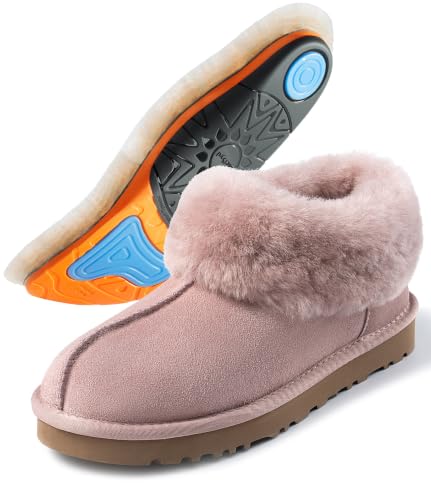


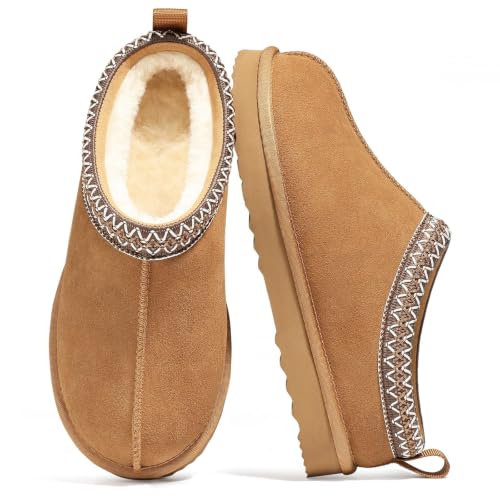

What Each Budget Level Should Deliver
Think of the tiers below as service levels rather than named choices. A tier only earns its price if the footbed, sole and upper all match the promise. Use these notes to audit any pair in the product table above before you order.
The Budget Profile
A good budget pair, often around $15 to $30, should still give you a cushioned footbed, a closed or secure heel, and a sole with enough texture for smooth indoor floors. This level suits guest use, warm climates and buyers testing whether they prefer a slide, a moccasin shape or a bootie style. Expect simple foam and lighter stitching, so comfort may fade sooner with daily wear. The smart move at this price is to prioritize fit and sole grip over decorative details that add cost without adding support.
The Midrange Profile
The midrange, often around $30 to $60, is where most daily wearers should shop. At this level you should find firmer and longer lasting cushioning, better arch contour, and rubber outsoles that handle a quick trip to the porch or mailbox. Uppers in wool blends, sturdy knit or soft suede hold their shape better than thin fleece alone. This tier balances comfort, durability and price for women who wear slippers for hours each day. If you work from home and stand in the kitchen often, this level usually gives the clearest upgrade over budget pairs.
The Premium Profile
Premium pairs, often around $60 to $120, should justify the cost with dense support that resists flattening, quality leather or wool that regulates temperature, and construction you can clean or resole in some cases. Look for removable footbeds if you use inserts, and for solid stitching at stress points. This tier suits women with achy arches, cold floors, or a habit of wearing one pair all day, every day. The limit is value for light use, since occasional wearers may never notice the upgrades enough to justify the higher spend.
What Your Money Gets You at Each Price Tier
Budget Tier: What to Expect
Budget slippers focus on softness first. Foam feels plush on day one, linings feel cozy, and styles are easy to slip on for short tasks around the home. The trade offs appear over time, as thin soles transmit cold and hard floor pressure, and foam compresses into a flat pad. Grip can be minimal, which matters on tile and polished wood. Buy this tier for warmth and convenience, keep your receipt, and plan on replacing the pair sooner if you wear them daily. For a wider view of styles, see our guide to the best women's slippers.
Midrange Tier: The Sweet Spot for Most Buyers
Midrange slippers add structure where it counts. Footbeds gain arch shape, soles gain rubber coverage and tread, and uppers use materials that keep their fit after months of wear. Many styles at this level handle indoor and brief outdoor steps without feeling fragile. Temperature control also improves, since better linings wick moisture instead of trapping sweat. For most women, this tier delivers the longest comfort per dollar, especially for home workers and anyone on hard floors. It is the level to beat when you compare any premium claim.
Premium Tier: When Spending More Pays Off
Spending more pays off when your needs are specific. If you need strong arch support, a wide fit that still looks neat, or natural wool that stays warm without overheating, premium construction delivers those traits more reliably. Durability is the second payoff, since dense soles and stitched uppers can outlast two cheaper pairs. Premium pairs also tend to offer better size ranges and replaceable footbeds. Skip this tier if you mainly want a soft pair for bedtime routines. Our guide to the best comfortable slippers helps you compare support levels across price points.
Features Worth Paying For (and Ones to Skip)
Outsole Traction and Terrain
Pay for a rubber outsole with visible tread if your home has tile, polished wood or smooth stone. A patterned sole also lets you step onto a porch, patio or garage floor without changing shoes. Thin fabric soles belong only on carpet and for very light use, because they wear smooth and can slide. Lug depth in slippers is modest by design, so judge grip by material and texture rather than by aggressive patterns. This is a safety feature first and a convenience feature second, and it is worth money at any tier.
Durability and Expected Lifespan
Durability comes from dense foam, strong stitching and uppers that resist stretching at the heel and toe. Daily wear on hard floors is demanding, even indoors, because each step compresses the same small area. A midrange or premium pair worn daily should hold supportive shape for about a year or more, while budget foam may flatten within a few months. Rotate two pairs if you wear slippers all day, and keep them away from radiators and strong heat, which age foam and glue faster than normal use does.
Upper Materials and Breathability
Wool naturally balances warmth and airflow, which helps feet that run cold in the morning and warm by afternoon. Cotton and knit uppers feel light and wash easily, but they give less structure and can stretch. Suede and leather look polished and block drafts, yet they need gentle care and can feel warm in summer. Fleece linings feel instantly cozy, though low quality fleece traps sweat during long wear. Pay for the material that matches your climate and skin comfort, not for the most luxurious label. Breathable uppers matter more as daily wear time increases.
Fit, Sizing, and Toe Box
Measure your feet in the evening and check the size chart for each style, since slipper sizing varies more than shoe sizing. Your toes need a toe box that lets them rest flat and spread slightly, with no pressure on the sides and no sliding forward. A secure heel, whether from a back strap, a closed back or a snug bootie shape, prevents the foot slapping and toe gripping that cause fatigue. If you wear thick socks in winter, test the fit with those socks in mind and size accordingly.
What Women Should Look For
Women specific designs often use a narrower heel, a shaped arch and strap or collar placements that suit smaller ankles, but fit varies by brand, so treat those traits as a starting point. Look for width choices if standard slippers pinch your forefoot, and for adjustable closures if your feet swell during the day. Weight matters during long wear, since a heavy clog style can tire legs at home just as it would outside. If you shop for an older relative, our guide to the best women's slippers for elderly covers easy entry and stability in more detail.
Long Term Costs to Factor In
The purchase price is only part of the cost. Budget pairs replaced three times in a year can cost more than one midrange pair that lasts. Add the cost of replacement footbeds if your style uses them, plus gentle detergent for washable uppers. Consider warmth savings too, since a well insulated pair can make cold floors comfortable without extra heating in the room you use most, though that effect is modest. Finally, factor in fall risk on smooth floors. A grippy sole that prevents one slip is worth more than any small saving at checkout.
FAQs
What makes comfortable slippers for women different?
Fit shape is the main difference, with many women styles using a narrower heel and a contoured arch. Good pairs also offer smaller size steps and widths that match common fit needs. Beyond fit, look for light weight and secure heels, since slippers are worn for many small trips around the home. Always judge by your own measurements rather than by the label alone, and use the return window for an indoor trial on your actual floors.
Are expensive comfortable slippers worth it?
They are worth it for daily, long hour wear, especially on hard or cold floors. Premium cost should buy support that lasts, natural materials that manage temperature, and soles that grip and endure. For light evening use, a midrange pair often feels just as good. A practical test is cost per month of real use. If a premium pair lasts twice as long and feels supportive at the end, it can be the cheaper choice over a full year of daily wear.
How should comfortable slippers fit?
They should fit with your heel secure, your arch lightly supported and your toes resting flat with a little room to move. Your foot should not slide side to side or slip out at the heel when you walk on a smooth floor. Try pairs in the evening and walk on both carpet and hard surfaces during the trial. If you plan to add inserts, bring them to the fitting, because added thickness changes toe room and heel hold in noticeable ways.
How often should I replace my comfortable slippers?
Replace them when the footbed stays compressed, the sole tread smooths out, or the upper stretches so much that your foot slides. Daily wearers often need a new pair every six to twelve months, while light use can extend that timeline. Check for uneven sole wear, since a tilted base changes how you stand at home. Keeping a newer pair in rotation also makes decline easier to notice, because your feet can compare fresh support with worn support directly.
Can I wear comfortable slippers all day?
Yes, if the pair offers real arch support and a stable sole rather than only soft foam. All day wear at home still means hours of standing on hard kitchen and bathroom floors, so treat slippers like footwear, not bedding for your feet. Take short barefoot or shoe breaks if your feet feel dependent on one shape. If you have ongoing foot pain, diabetes related foot concerns, or balance problems, talk with your clinician about the level of support and sole grip that is safe for you.
How long is the break in period for comfortable slippers?
Most slippers need only a few wears to settle, and many feel good right away. Wool and knit uppers relax slightly, while foam molds to your foot within the first week. Persistent rubbing, heel slip or toe pressure will not resolve with time, so exchange early if those appear. A useful home test is to wear the pair through a normal morning routine. If you forget them on your feet in a good way, the fit and break in are on track.
Do I need waterproof slippers?
No, most home use does not call for waterproof construction. What you may want is a rubber outsole for damp porch steps, bathroom tile and quick outdoor tasks. Fully sealed uppers would trap warmth and moisture indoors and feel clammy during long wear. If you often step outside in wet grass or snow, choose a style built for brief outdoor use, such as those covered in our guide to the best women's outdoor slippers, and keep a separate indoor pair for dry comfort.
The Bottom Line
For most buyers, the midrange tier gives the best mix of support, grip and lifespan, while budget pairs suit light use and premium pairs reward daily wearers. Check the product table above against your floor type and hours of wear. When you choose best comfortable women's slippers with a secure heel and a sole that grips your floors, your budget works harder and your feet feel the difference every single day. For bedroom focused styles, see our guide to the best women's bedroom slippers.


