
Best Comfortable Waterproof Sandals: Every Type Explained Side by Side for 2026
Disclosure: We may earn a commission when you buy through links on this page, at no extra cost to you. As an Amazon Associate I earn from qualifying purchases. Learn more

Comfortable waterproof sandals compared by type, with pros and cons, ideal users, and price range to help you choose a style.
Waterproof sandals look similar in photos, yet they are built for very different days: a closed toe pair for rocky streams, a light sport pair for travel, a cushioned pair for wet city streets. Picking the wrong type leaves you with sore feet, slippery soles, or straps that stay damp for days. This guide compares each type clearly so you can match the best comfortable waterproof sandals design to your plans. Start with the comparison table below, then read the type sections to see how each one behaves in real water and on real walks.




Types of Comfortable Waterproof Sandals Compared
The three types below cover nearly everything sold as a waterproof sandal. Prices overlap, so choose by use first: simple molded pairs often run around $30 to $60, sporty neutral designs around $50 to $100, and protective closed toe styles around $70 to $130. The strengths and limits of each type will tell you more than any single feature list. For a broader comfort overview before you narrow down, our guide to the best comfortable sandals explains footbed basics that apply to every type.
Closed Toe Water Sandals
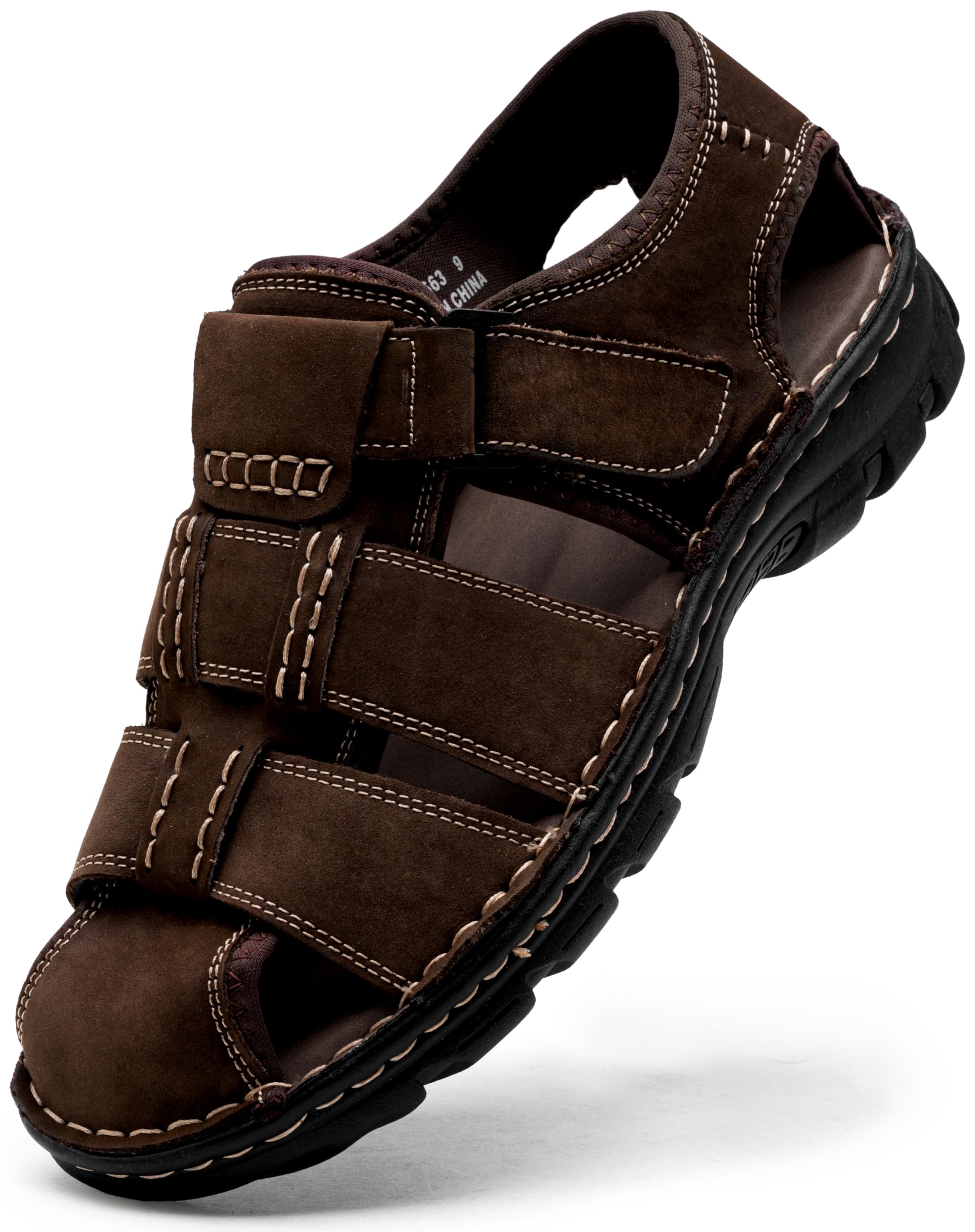
This category covers the most protective end of the family: closed toe sandals and hybrid water shoes with a covered forefoot, drainage ports, and a sturdy rubber outsole. They guard toes against rocks, roots, and boat hardware while water flows in and drains out freely. The upside is confidence on rough, wet terrain like stream beds and rocky shores. The downside is weight and slower drying, since covered uppers hold more moisture. Choose this type for hiking near water, fishing, and adventure travel. If your days are gentle and urban, the protection is more than you need, and a lighter type will feel better.
Open Toe Sport Sandals
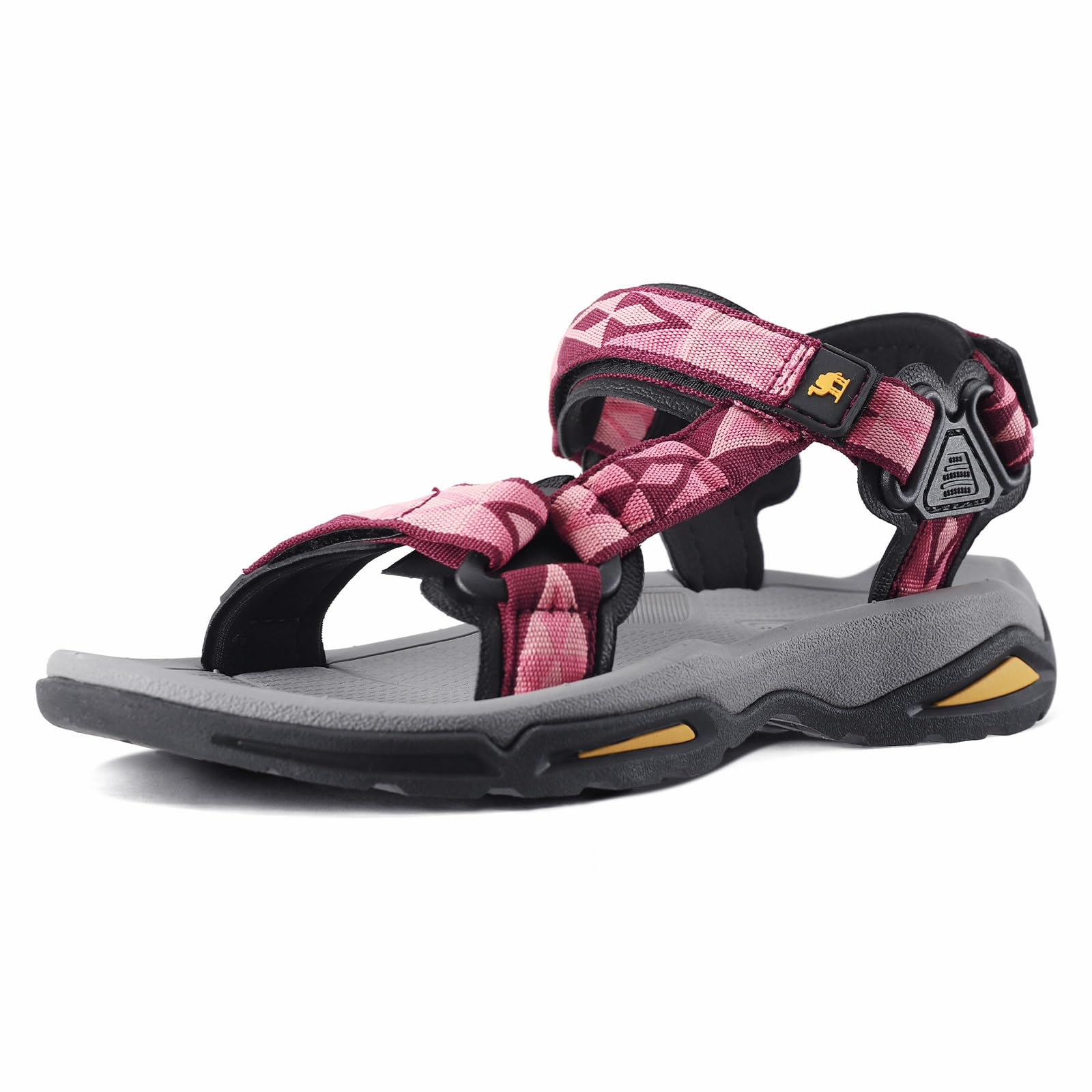
Open toe sport sandals use balanced cushioning without strong support structures that steer your stride. They are typically open toe sport sandals with adjustable webbing straps, a moderately thick foam midsole, and a grippy rubber outsole. They feel natural for most feet, dry quickly, and handle mixed days that move between pavement, sand, and shallow water. The trade off is guidance: feet that roll far inward may tire sooner without firmer support. This is the most versatile type and the safest first purchase for travel, beach towns, and summer commuting in rainy climates.
Lightweight Molded Sandals
Lightweight waterproof sandals are built from molded foam or very light synthetics, often as a single piece with minimal straps. A pair can weigh under a pound, packs flat in a suitcase, and dries almost as soon as you step out of the water. They shine as camp shoes, shower shoes, kayak extras, and poolside pairs. Their limits are support and grip on rough ground: thin soles transmit rocks, and basic tread can slip on algae covered stone. Buy them as a second pair for water specific moments rather than your main walking sandal, unless your days are short and easy.
Closed Toe vs Open Toe Sport Sandals: Which Should You Choose?
Compare these two on five points. Protection: the closed toe style wins, since covered toes and sturdier soles handle rock and debris. Comfort on long walks: the open toe style usually wins, because it is lighter and its straps adjust more finely. Drying speed: the open toe style wins again, with open straps shedding water fast. Grip: both can grip well, but closed toe styles often carry deeper lugs for mud and wet rock. Price: open toe designs usually cost less at similar quality. So choose the closed toe style when terrain is rough and water is constant, and choose the open toe style when your wet days are mostly flat, warm, and on foot for hours. Many travelers own the open toe type first and add the protective type later.
How to Choose the Right Comfortable Waterproof Sandal
Outsole Traction and Terrain
Traction decides safety on wet surfaces, so read the outsole before the color options. Look for rubber rather than smooth foam, with siping, the thin slits that channel water away, and lugs deep enough to bite on trails. On algae, wet wood, and polished stone, softer rubber grips better than hard rubber. Match lug depth to terrain: shallow patterns for decks and streets, deeper lugs for mud and stream beds. If walking in water is your main plan, our guide to the best waterproof sandals for walking covers tread patterns in more depth.
Arch Support and Foot Type
Wet feet slide more inside a sandal, so support matters even more than in dry shoes. Flat feet that roll inward need a firmer arch and a heel cup that keeps the foot centered. High arches often need extra cushion under the heel to absorb impact on hard wet surfaces like pool decks. Neutral feet can enjoy most midrange footbeds. Check support by standing on one foot in the sandal: if your foot spills over the inner edge, the support or width is wrong for you.
Weight and Flexibility
Water adds weight to any shoe, so a light dry weight matters. A sandal that feels fine in the store can feel heavy after an hour of repeated soaking and draining. Flexible soles feel natural on flat ground but offer less protection on rocky bottoms, while stiff soles shield feet yet can fight your stride on long walks. A sensible middle ground flexes at the toes and stays firm under the arch. Closed toe protective styles will always weigh more, so judge them against their job rather than against a foam slide.
Cushioning and Support
Cushioning in a waterproof sandal must survive water without turning soggy, so closed cell foams that absorb almost nothing are the standard. Thickness alone is not comfort: a firm base with a softer top layer supports better than a thick soft slab, which can feel unstable on slick ground. Heel to toe drop in most sport sandals is modest, keeping your stride natural. If you plan to stand in water or on boats for hours, prioritize a cupped heel and textured footbed, since texture stops your foot sliding on the foam when wet.
Fit, Sizing, and Toe Box
Fit your sandals in the afternoon and, if possible, with wet feet, because straps behave differently when soaked. You want a thumb width of space at the toes for closed toe styles so toes never strike the front on downhill steps into water. A roomy toe box lets toes spread for balance on slick rock. Check that straps do not cross your bunion area or ankle bone. Women comparing shaped options can also read our guide to the best comfortable sandals for women, and anyone weighing the broader waterproof category can start with our guide to the best waterproof sandals.
How to Make Your Comfortable Waterproof Sandal Last Longer
Waterproof sandals fail early mostly from salt, sun, and bad drying habits, all of which are easy to fix. Rinse sandals in fresh water after saltwater or chlorinated pool use, since both degrade straps and glues over time. Air dry them in shade away from direct heat, because hot dashboards and radiators crack rubber and warp foam. Rotate two pairs if you wear them daily, letting each dry fully between outings, which also limits odor. Brush grit out of the footbed texture weekly, since trapped sand grinds into foam and shortens its life. With this routine, a midrange pair worn most days in summer commonly lasts several seasons, and men shopping the same category can compare our guide to the best waterproof sandals men's styles.
FAQs
How should comfortable waterproof sandals fit?
They should fit slightly more securely than dry sandals, because wet straps and foam let your foot move more. Your heel should sit in the cup, toes should rest flat with a small margin, and straps should hold without digging. Check by walking on a wet smooth floor if you can: your foot should not slide forward. If a pair feels perfect dry but loose in the store already, it will feel worse in a stream.
Do I need waterproof sandals for water activities?
You need them if your activities put your feet in water often, such as kayaking, stream hiking, boating, or rainy travel days. Ordinary sandals with leather straps or absorbent foam get heavy, stretch, and degrade after repeated soaking. Waterproof designs use materials that ignore water, so they stay light and keep their shape. For a rare splash at the pool, almost any synthetic sandal is fine, but daily water use justifies the dedicated type.
Are expensive comfortable waterproof sandals worth it?
Expensive pairs are worth it when the price buys a better outsole rubber, drainage that actually clears water fast, and straps that resist stretching when wet. Those details decide grip and fit on the tenth wet day, not the first. Past around $130, you mostly pay for brand and styling. Occasional users can choose a midrange open toe sport pair and lose little. Frequent water hikers should weight the outsole heavily in the decision.
How long is the break in period for waterproof sandals?
The break in period is short, usually one to three wears for webbing and foam styles, because synthetic materials change little with use. Closed toe protective styles may need a few outings for the upper to shape to your foot. Wear a new pair on a short wet walk before a long one, since rubbing shows up faster on wet skin. Blisters at that stage mean the strap placement is wrong for your foot, not that you need more time.
How often should I replace my comfortable waterproof sandals?
Replace them when the tread is smooth at the heel and forefoot, the footbed feels flat, or straps have stretched so the adjustment range is used up. On wet ground, worn tread is a safety issue, not just a comfort one, because grip is the first thing to go. Daily summer wearers may replace a light foam pair every season or two, while sturdy sport and closed toe styles often serve three or more seasons with basic rinsing and shade drying.
Can I wear comfortable waterproof sandals all day?
Yes, the open toe sport and closed toe types are built for all day wear, provided the footbed matches your arch and the straps are adjusted well. Feet swell and get more slippery as the day goes on, so check strap tension at midday and tighten slightly if your foot starts to slide. The very light molded type is the exception: save it for shorter stretches and water breaks, since its thin sole and mild support tire feet over long distances.
Our Verdict
Match the type to your water first: protective closed toe styles for rough terrain, open toe sport styles for most travel and daily wear, and light molded pairs as a handy second set. Then check grip, footbed shape, and fit with wet feet in mind. Compare your shortlist in the product table above, and you will find the best comfortable waterproof sandals for your plans without guesswork.


