
Best Comfortable Shoes for Standing All Day in 2026: Guide
Disclosure: We may earn a commission when you buy through links on this page, at no extra cost to you. As an Amazon Associate I earn from qualifying purchases. Learn more

Compare cushioning, arch support, fit and slip resistance to choose the best comfortable shoes for standing all day on long shifts.
Standing is harder on feet than walking, because the same muscles and pressure points work for hours without relief. The best comfortable shoes for standing all day combine cushioning that does not bottom out by midday, arch support matched to your foot and a fit that stays comfortable as feet swell. Slip resistance and weight matter too, depending on the floors you work on. If you notice persistent pain, swelling, numbness or skin changes, seek prompt advice from a clinician and do not rely on shoes alone.
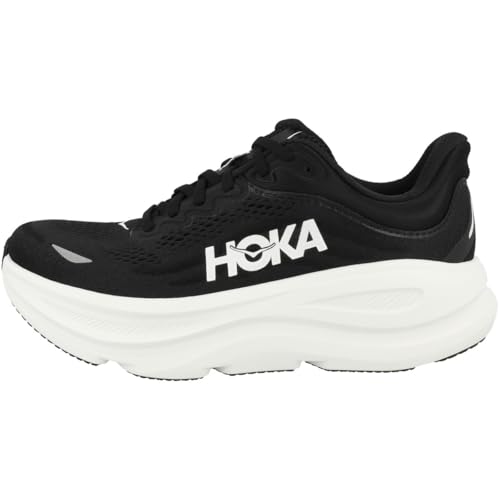
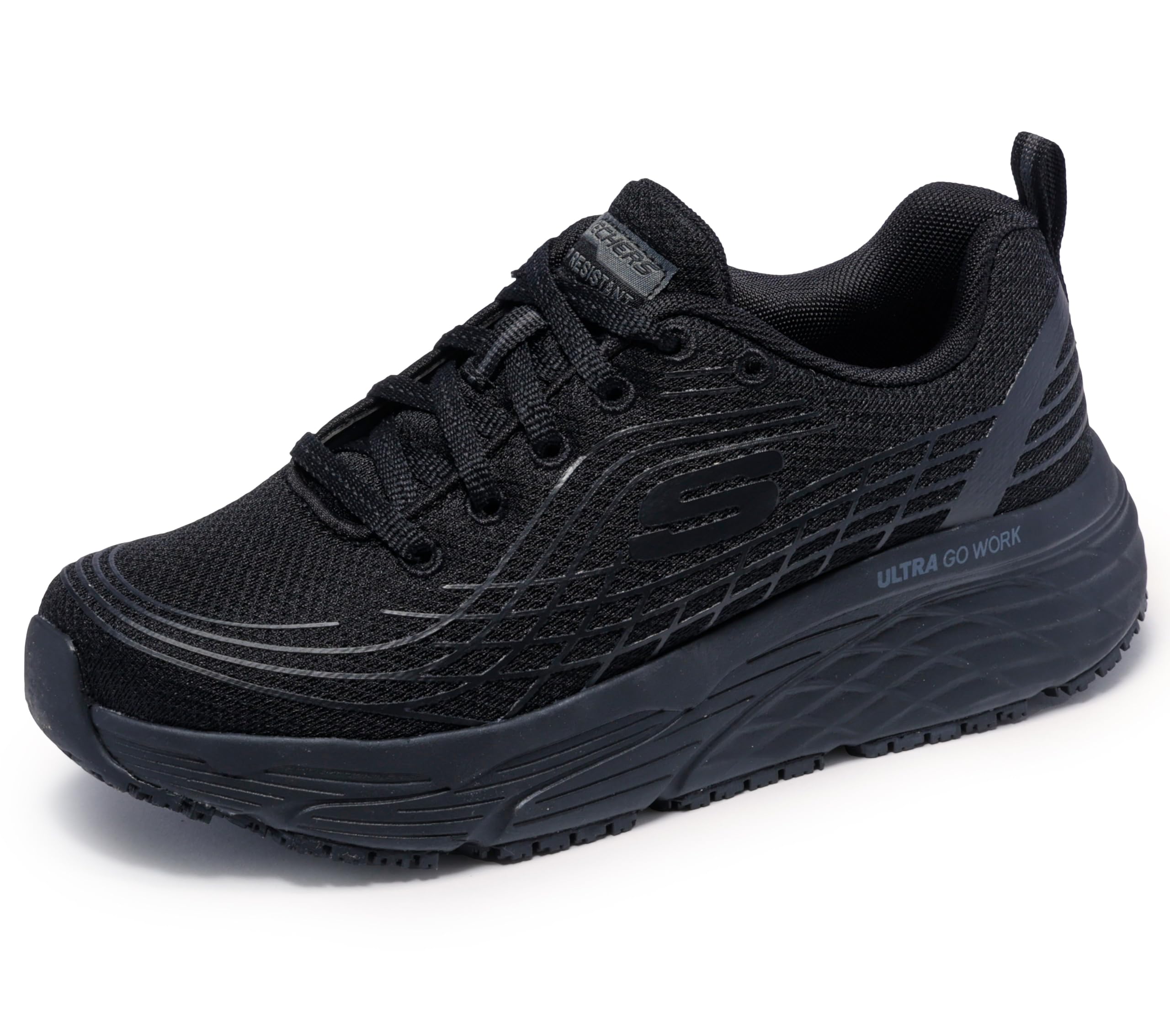
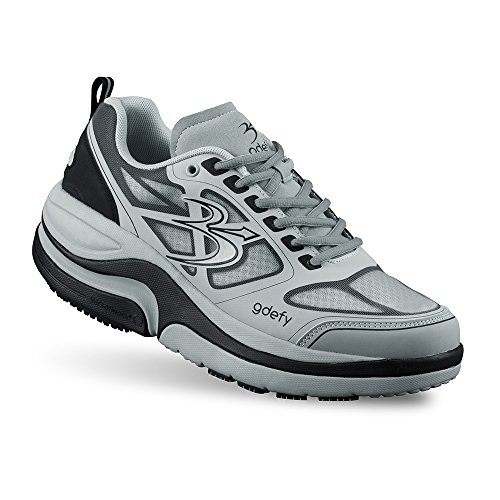
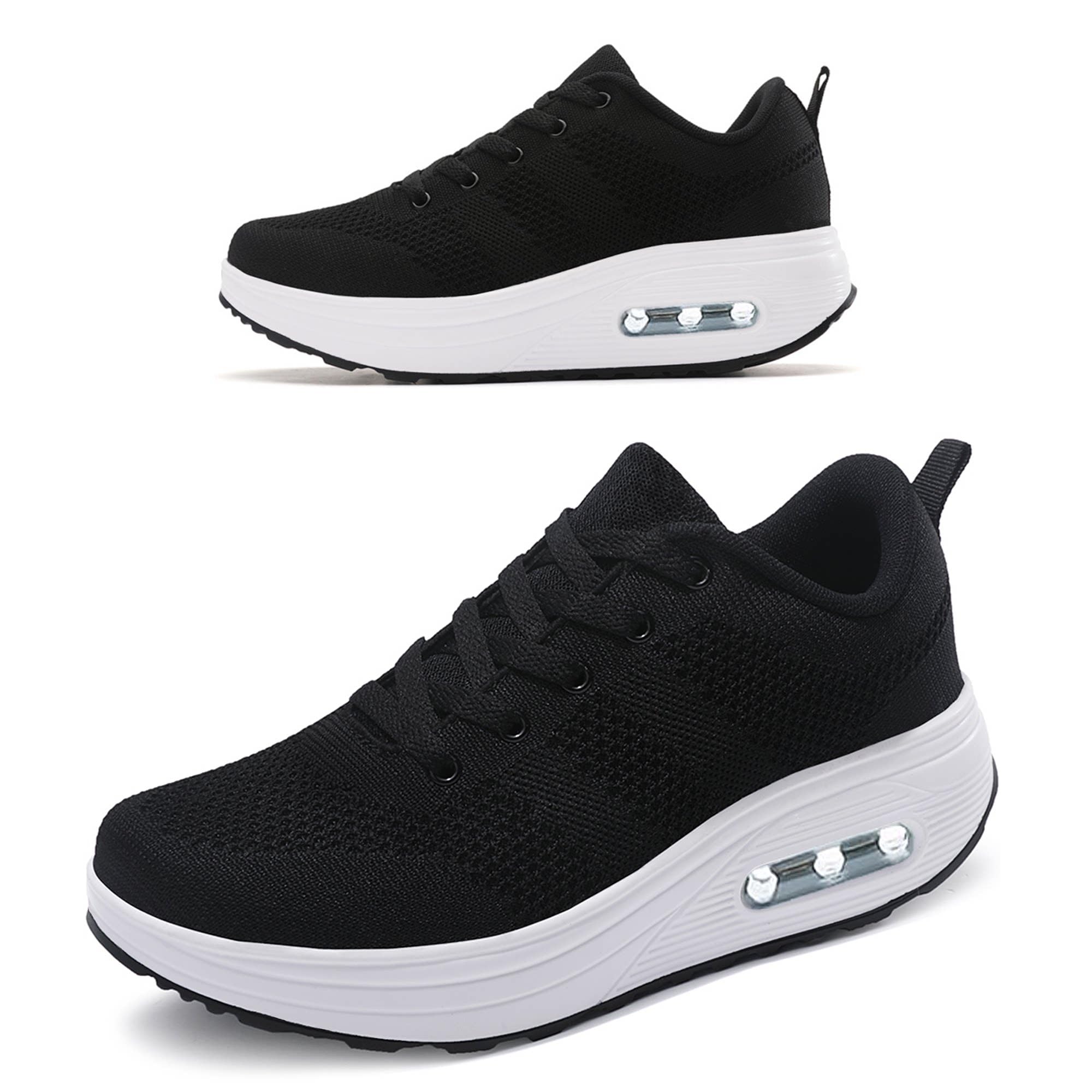
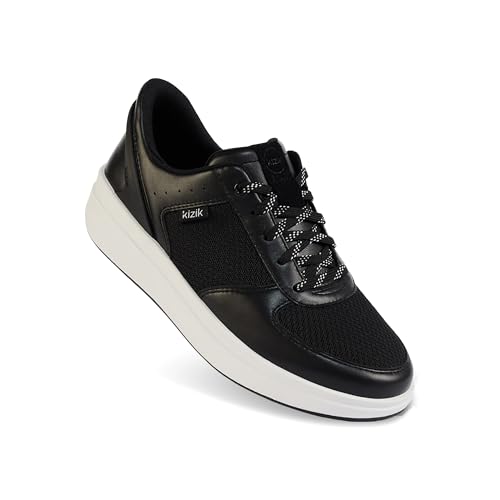
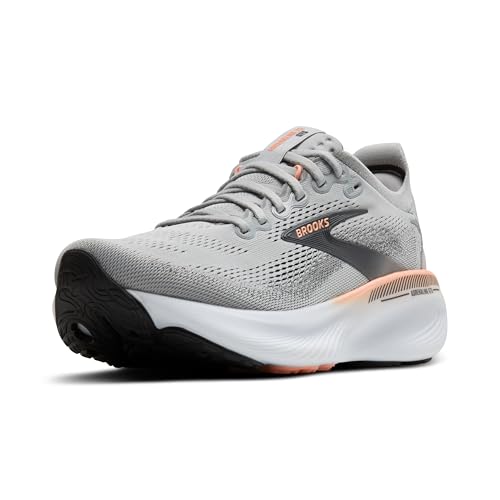
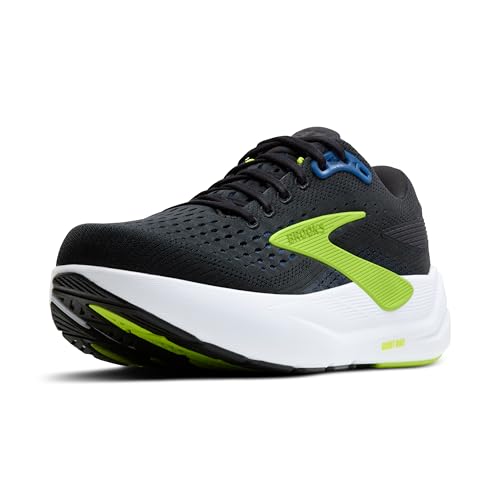
The comparison table below gives a quick overview of current options. The sections that follow explain how to match a shoe to your job, what to check in the midsole, and how to look after shoes that work as hard as you do. Standing shoes usually cost about $60 to $180, and midsole quality accounts for most of the difference.



Who Should Buy This Kind of Standing Shoe
Different jobs ask different things of a shoe, so start by naming where you spend your shift.
- Retail and hospitality staff: Choose cushioned, slip resistant shoes that look smart enough for the shop floor or dining room.
- Healthcare workers: Pick supportive, easy clean shoes with good grip for long ward shifts.
- Kitchen and bar workers: Look for slip resistant, water resistant uppers that cope with spills and heat.
- Teachers, hairdressers and counter staff: A cushioned trainer style with a roomy toe box often suits indoor work on smooth floors.
Types to Compare
- Cushioned trainers: These suit indoor work on smooth floors where laces and a sporty look are allowed.
- Supportive work shoes: These suit jobs that need slip resistance and a tougher, wipe clean outer.
- Slip on work shoes: Slip on models suit quick changes and jobs where laces could catch or trip.
- Wide fit shoes: Wide models suit feet that swell during long shifts or need extra toe room.
Key Features to Check
- Cushioning: Even cushioning that does not bottom out by midday reduces fatigue. Press the midsole with a thumb: it should push back and recover, not stay dented.
- Arch support: Support that matches your arch height keeps feet aligned during hours of standing. Flat feet usually need a firmer arch, while high arches need more cushioning under the heel and forefoot.
- Width and toe room: Enough toe room prevents pinching as feet warm and swell through the day, and a wide toe box also helps circulation.
- Slip resistance: A grippy outsole matters on smooth, wet or greasy floors in kitchens and hospitals.
- Weight: Lighter shoes reduce leg fatigue, especially when you also walk many steps.
Why Standing Is Different From Walking
Walking moves load from heel to toe and gives muscles a rhythm of work and rest. Standing holds the same position, so pressure stays on the heel and ball of the foot, calf muscles stay tense and blood tends to pool in the lower legs. A shoe for standing therefore needs a wider, steadier base and cushioning that spreads load, rather than a springy midsole built for push off.
Small habits help as much as the shoe. Shift your weight from foot to foot, take short breaks to sit when the job allows, stand on an anti-fatigue mat if one is available, and change socks if they get damp. A supportive insole can add arch cushioning, but it should never fix a shoe that fits badly.
How to Choose the Right Option
Try shoes on late in the day, when feet are largest, with the socks you wear at work. Stand still in them for several minutes as well as walking, because standing discomfort shows up slowly. Check that your heel stays put, that your toes can spread and that the arch feels supported rather than pushed.
Then check the work details: whether your employer requires closed toes, slip rated soles or a certain color, and whether the upper wipes clean. Read the return terms, so you can wear a new pair for a trial shift and swap it if your feet complain.
Care and Everyday Use
Rotate two pairs if you can, air shoes after shifts, and replace insoles when cushioning feels flat. Wash or wipe uppers following the maker guidance, check outsoles for wear, and replace shoes when grip or support fades. Moisture wicking socks also help comfort and reduce blisters.
Common Mistakes to Avoid
- Buying a size that fits in the morning but pinches by afternoon, when feet have swollen slightly.
- Choosing fashion shoes without slip resistance for smooth work floors.
- Wearing the same pair every day without airing, which shortens cushioning life.
- Judging comfort by walking in the shop instead of standing in the shoes for several minutes.
Related Guides to Compare
For other angles on the same need, see our guides to the best shoes to wear for standing all day, the best comfortable work shoes for standing all day and the best shoes for standing walking all day. Sneaker styles are covered in the best tennis shoes for standing all day and best gym shoes for standing all day guides.
Frequently Asked Questions
How should shoes for standing all day fit?
They should feel comfortable at the end of the day, not just in the morning, since feet swell slightly. Leave thumb width space at the toes and check that the heel does not slip. Try shoes later in the day if you can, with your usual work socks. If pain, swelling or numbness persists, talk with a clinician promptly.
Are cushioned trainers enough for long shifts?
Cushioned trainers can work well for indoor jobs with smooth floors and no safety footwear rules. Check slip resistance, arch support and whether your workplace allows trainers. Some jobs need tougher outsoles or toe protection, and workplace rules come before style.
Do insoles help for standing all day?
Insoles can add cushioning and arch support, but they should not fix a poor fitting shoe. Choose insoles that match your arch height and fit inside the shoe without crowding toes. Replace insoles when they feel flat or uneven. If foot pain persists, seek clinician advice rather than adding thicker insoles.
How often should I replace standing shoes?
Replace shoes when cushioning feels flat, grip wears smooth or support no longer feels even. Heavy daily use wears shoes faster than occasional use. Rotating two pairs can extend life and lets each pair dry fully. Watch outsole wear at the heel and forefoot.
What socks help when standing all day?
Moisture wicking socks reduce dampness and blisters during long shifts. Choose a thickness that fits your shoes without crowding toes. Compression socks may help some workers, but ask a clinician if you have circulation concerns. Change socks mid shift if feet become very damp.
Final Thoughts
Choose cushioning that lasts, support that matches your arch, and a fit that allows for swelling. The right best comfortable shoes for standing all day feel steady in the first hour and still comfortable in the last. Use the product table above to compare your shortlist, and wear a new pair for a trial shift before you rely on it.


