
Best Comfortable Shoes for Nurses in 2026: Complete Buying Guide
Disclosure: We may earn a commission when you buy through links on this page, at no extra cost to you. As an Amazon Associate I earn from qualifying purchases. Learn more

Compare cushioning, arch support, slip resistance and fit to choose the best comfortable shoes for nurses for long shifts.
Nurses spend most of a shift on their feet, so best comfortable shoes for nurses must balance cushioning, support, and grip across many hours. A shoe that feels soft for ten minutes can still cause sore feet by the end of a long shift. This guide explains how to judge comfort for real shift work.
Hospital floors are hard, spills happen, and shifts include walking, standing, and quick turns. The right shoe should protect your feet, stay secure, and clean easily. The sections below cover fit, support, and safety features that matter on the ward. The comparison table below gives a quick overview of the main types before the detailed guidance that follows.
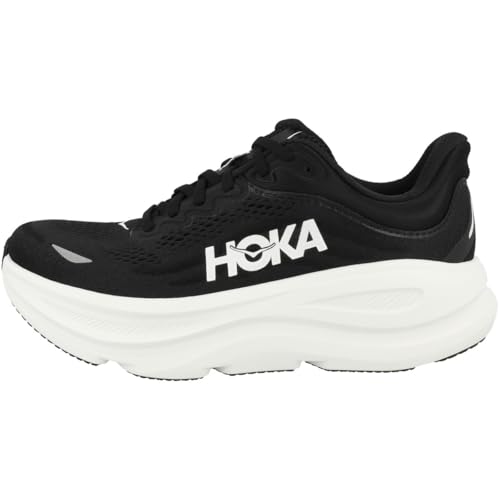

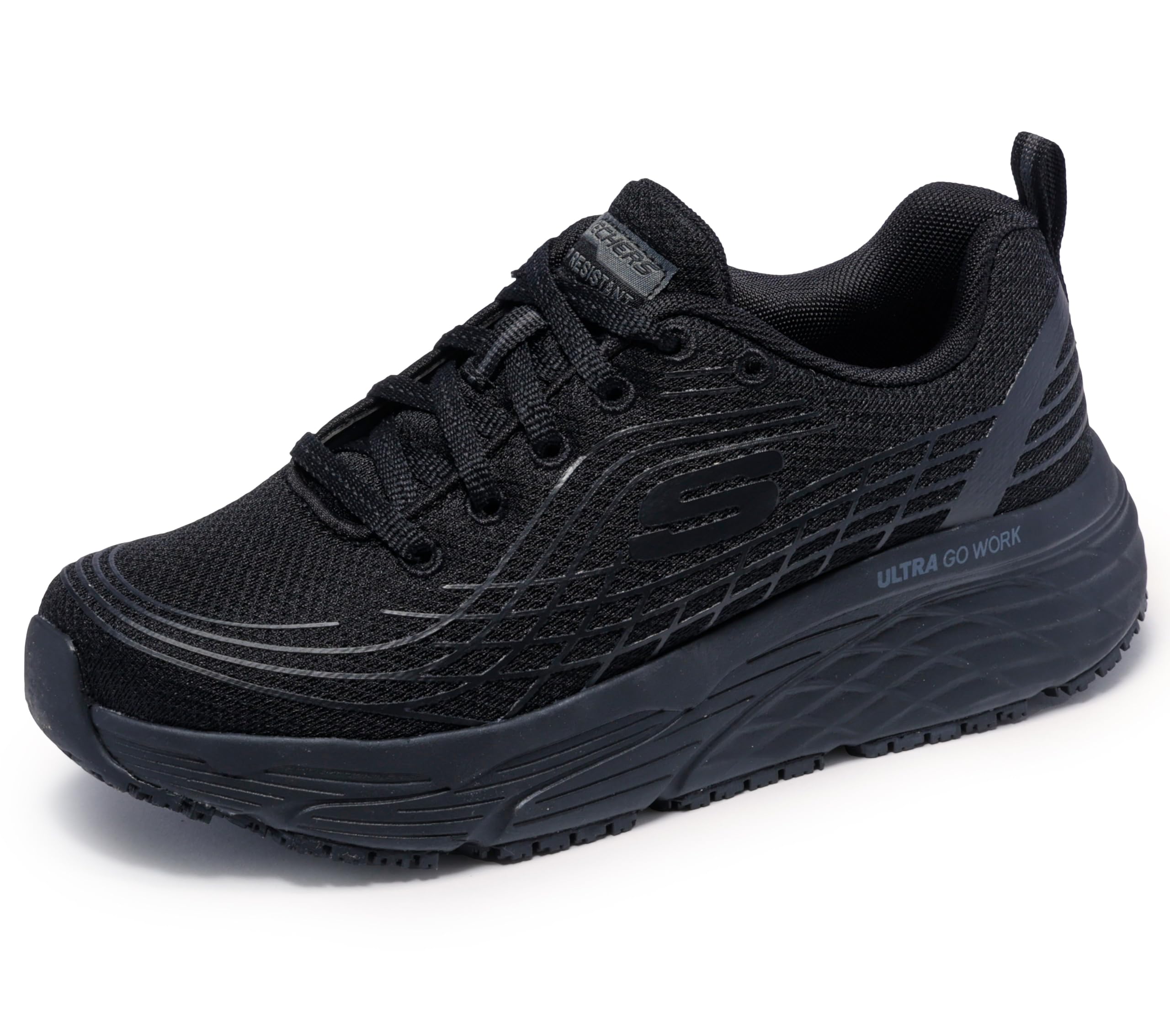
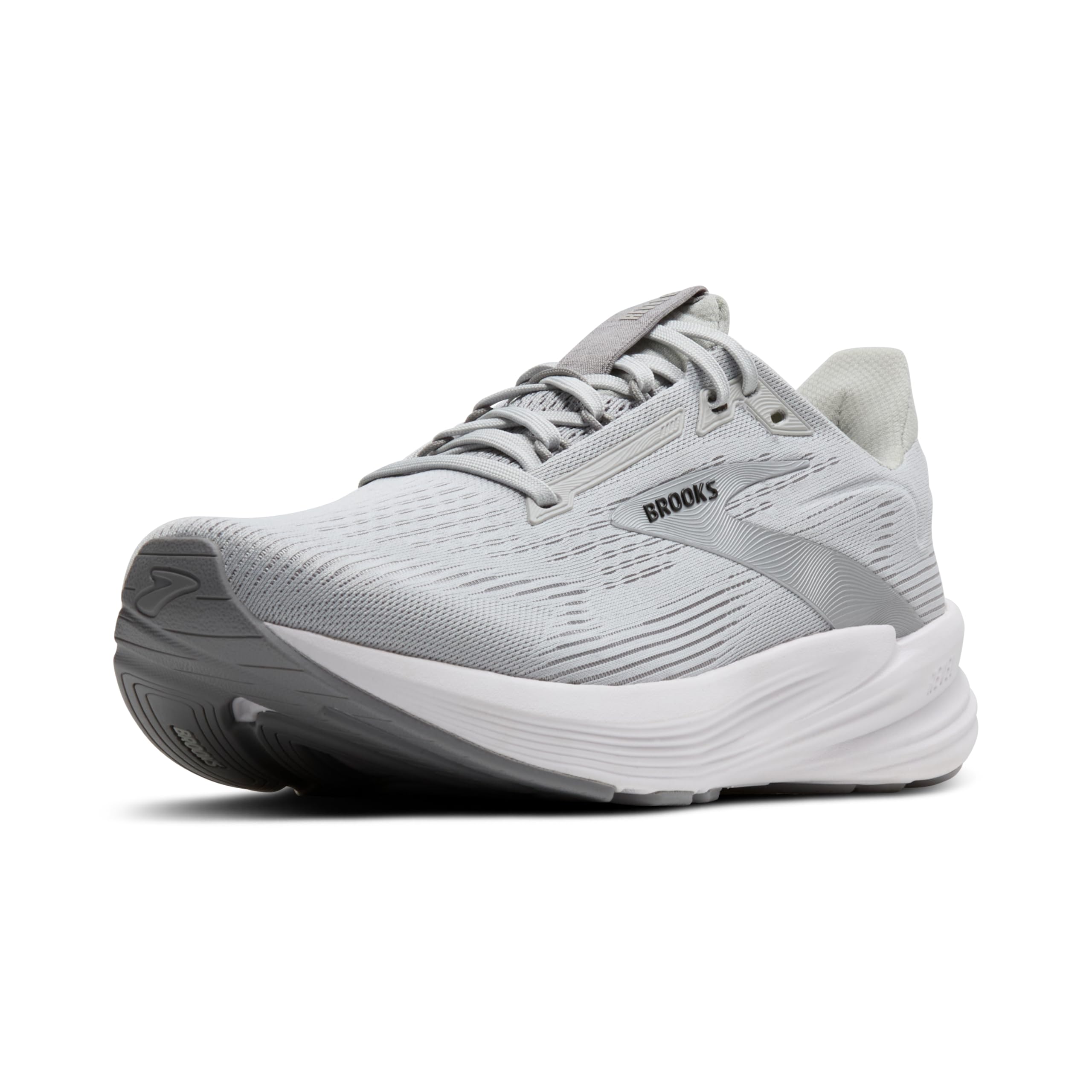
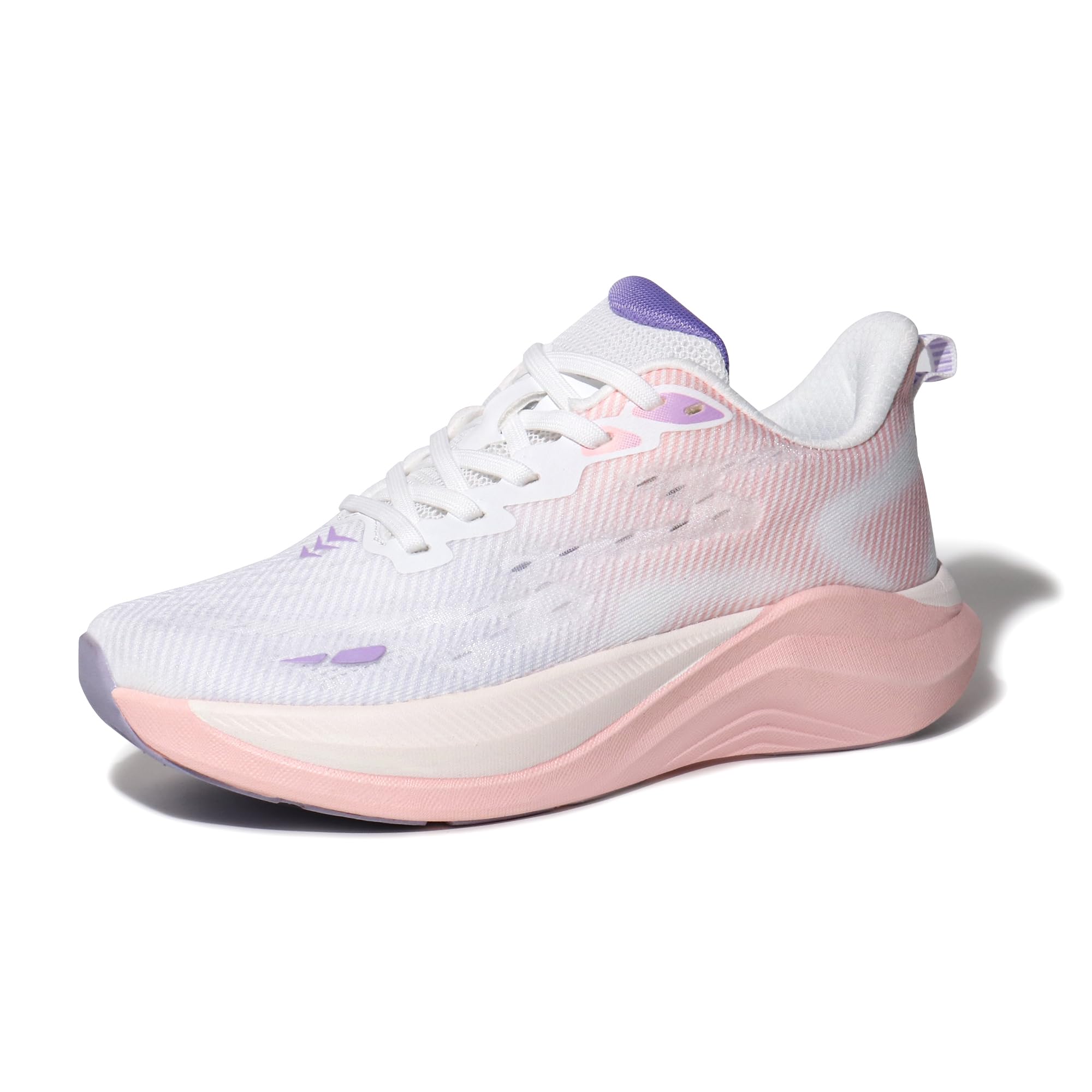


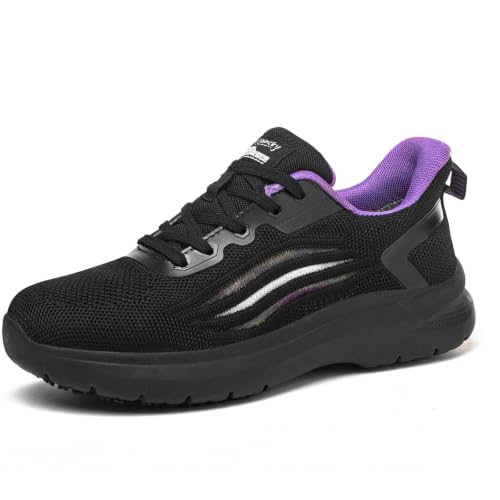
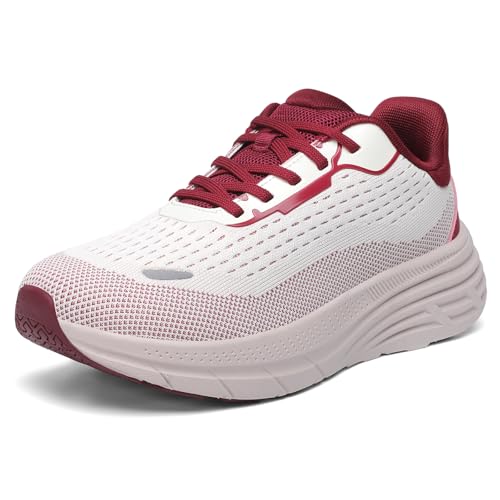
Who Should Buy Best Comfortable Shoes For Nurses
Nursing work varies by ward and shift length, and each setting rewards slightly different features.
For Ward Nurses
A ward nurse walks miles in a shift and stands for long periods at bedsides. Cushioning that stays supportive after hours matters more than initial softness. Look for a secure fit, good arch support, and a sole that grips polished floors.
For Operating Room and Procedure Staff
Theatre staff need shoes that are easy to clean and secure around fluids and equipment. A closed, wipe clean upper and a slip resistant sole are essential. Check your workplace dress code, because some areas require specific colors or styles.
For Community Nurses
A community nurse walks between homes, drives, and climbs stairs, so a shoe must handle varied surfaces. Light weight and a flexible sole help with walking, while a secure heel helps on stairs. Choose a shoe that is comfortable for walking outdoors as well as indoors.
Types Compared
These shoe types cover most nursing work, and each one suits a different shift pattern.
| Type | Best For | Typical Price |
|---|---|---|
| Cushioned Walking Shoes | Long ward shifts | about $80 to $160 |
| Supportive Work Shoes | Standing and stability | about $90 to $180 |
| Slip Resistant Clogs | Easy cleaning | about $60 to $140 |
Cushioned Walking Shoes
Cushioned walking shoes offer soft, even cushioning for long hours on hard floors. They suit ward nurses who walk constantly. They may lack the rigid support some feet need, so try them for a full shift if possible before committing.
Supportive Work Shoes
Supportive work shoes add firmer arch support and a stable base for standing work. They suit nurses with flat feet or high arches who need steady support. Check that the support matches your foot shape, not just a generic label.
Slip Resistant Clogs
Slip resistant clogs are easy to clean and quick to put on, which suits theatre and procedure areas. They offer less ankle support than lace up shoes, so they suit shorter shifts or roles with less walking. Ensure the heel stays secure during quick movement.
Key Features to Compare
These features decide whether a shoe stays comfortable from the first hour to the last.
Cushioning That Lasts
Cushioning should stay supportive after many hours, not just feel soft in the shop. Foam that compresses quickly will leave feet sore by mid shift. Look for cushioning described for all day wear, and try shoes late in the day when feet are slightly swollen.
Arch Support and Fit
Arch support should match your foot shape, and the toe box should leave room for toes to spread. Measure feet in the afternoon, and wear your usual work socks when trying shoes. A shoe that pinches at the toes will cause blisters on a long shift.
Slip Resistance
Slip resistance matters on polished floors, wet areas, and around spills. Look for soles rated for wet and oily surfaces, and check the tread pattern. Worn soles lose grip, so replace shoes when tread becomes smooth.
Cleaning and Hygiene
Hospital shoes should clean easily and dry quickly. Wipe clean uppers suit clinical areas, while fabric uppers may need washing. Check the care guidance, because a shoe that cannot be cleaned properly will not last in clinical work.
Price and Value
Budget shoes around $60 to $100 suit shorter shifts and first time buyers. They offer basic cushioning and slip resistance. They may wear faster under daily long shift use, so check sole and upper durability.
Mid range shoes around $100 to $160 suit most nurses working full shifts. They usually offer better cushioning, support, and durability. Most nurses will find the best balance in this range.
Premium shoes around $160 to $200 suit nurses with specific foot needs or very long shifts. They often add better materials and removable insoles for custom orthotics. Spend at this level if you have ongoing foot discomfort or work very long hours.
Fit, Setup, and Everyday Care
Break in new shoes gradually, starting with shorter shifts if possible, and check for pressure points early. Rotate two pairs if you can, because rest days let foam recover and reduce odor. Clean shoes after each shift following the care guidance, and dry them away from direct heat.
Replace shoes when cushioning feels flat, tread is worn, or the upper no longer supports your foot. Worn shoes increase slip risk and foot pain. Keep a simple log of start dates if you work many shifts, so replacement is planned rather than sudden.
Seek prompt care for persistent foot pain, swelling, numbness, skin breakdown, or a foot injury that does not improve, and talk with your clinician about footwear if you have diabetes, circulation problems, or an ongoing foot condition. Shoes can support comfort, but they do not replace medical advice for foot pain.
Mistakes to Avoid
Avoid these mistakes, because they turn a promising shoe into a painful shift.
- Buying shoes in the morning when feet are smallest and finding them tight later.
- Choosing softness alone without checking arch support and heel security.
- Ignoring slip resistance ratings for polished and wet hospital floors.
- Wearing new shoes for a full long shift without a gradual break in period.
- Keeping worn shoes long after cushioning and tread have lost their function.
Before You Order
Match the shoe type to your ward first. Cushioned walking shoes suit constant walking, supportive work shoes suit long stretches of standing, and slip resistant clogs suit areas that need easy cleaning. Then check the details that matter every shift: cushioning that still supports after hours, a heel that stays put during quick turns, a sole rated for wet or oily floors and an upper that wipes clean.
Check your workplace dress code before you buy, because some units require closed, wipe clean footwear or set limits on color and branding. Try shoes on late in the day with your work socks, walk on a hard floor, and keep the return terms in mind so you can swap a size after a first trial shift.
Related Guides
For a broader overview, see our guides to the best shoes for nurses and the best shoes for nurses female. Sneaker style options are covered in the best tennis shoes for nurses and best gym shoes for nurses guides, and everyday comfort in the best comfortable shoes guide.
Frequently Asked Questions
How should nursing shoes fit?
They should fit snugly at the heel and midfoot with room for toes to spread, and they should feel secure without pinching. Try them in the afternoon with your usual work socks. A thumb width of space at the longest toe is a useful starting check, but comfort during movement matters most.
Are clogs or lace up shoes better for nurses?
Lace up shoes usually offer better support and security for long walking shifts, while clogs offer easy cleaning and quick changes. The best choice depends on your ward, shift length, and workplace rules. Try both styles if your workplace allows them.
How often should I replace nursing shoes?
Replace them when cushioning feels flat, tread is smooth, or support no longer feels steady, often after several months of daily long shifts. Heavy use wears shoes faster than occasional wear. Keeping a second pair in rotation can extend the life of each pair.
Do I need waterproof shoes for nursing?
Waterproof or wipe clean shoes help in areas with fluids and frequent cleaning. They are not essential on every ward, but they make hygiene easier. Check your workplace dress code, because some areas require closed, wipe clean footwear.
Can insoles help with shift foot pain?
Removable insoles let you add support that matches your foot shape, and they can help if the original insole feels flat. Choose insoles made for work shoes and try them over several shifts. If pain persists, talk with your clinician rather than relying on insoles alone.
Final Thoughts
A good pair of best comfortable shoes for nurses should feel supportive at the end of a shift, not just at the start. The product table above is a useful starting point, and the sections in this guide explain how to weigh each factor for your own situation.
If foot pain, swelling, numbness, or skin problems persist, talk with your clinician about footwear and foot care.


