
Best Comfortable Mens Winter Boots by Budget: A Practical Guide for 2026
Disclosure: We may earn a commission when you buy through links on this page, at no extra cost to you. As an Amazon Associate I earn from qualifying purchases. Learn more

Compare the best comfortable mens winter boots by budget, with guidance on insulation, cushioning, traction, fit, and which upgrades are worth paying for.
Winter boots can cost under $60, with premium pairs reaching about $300, and the price gap leaves many men unsure what extra money actually buys. Choosing the best comfortable mens winter boots for your budget is less about chasing the highest price and more about matching insulation, cushioning, and fit to the cold you really face. A boot that feels great on a plowed city sidewalk can be the wrong choice for unshoveled rural roads.
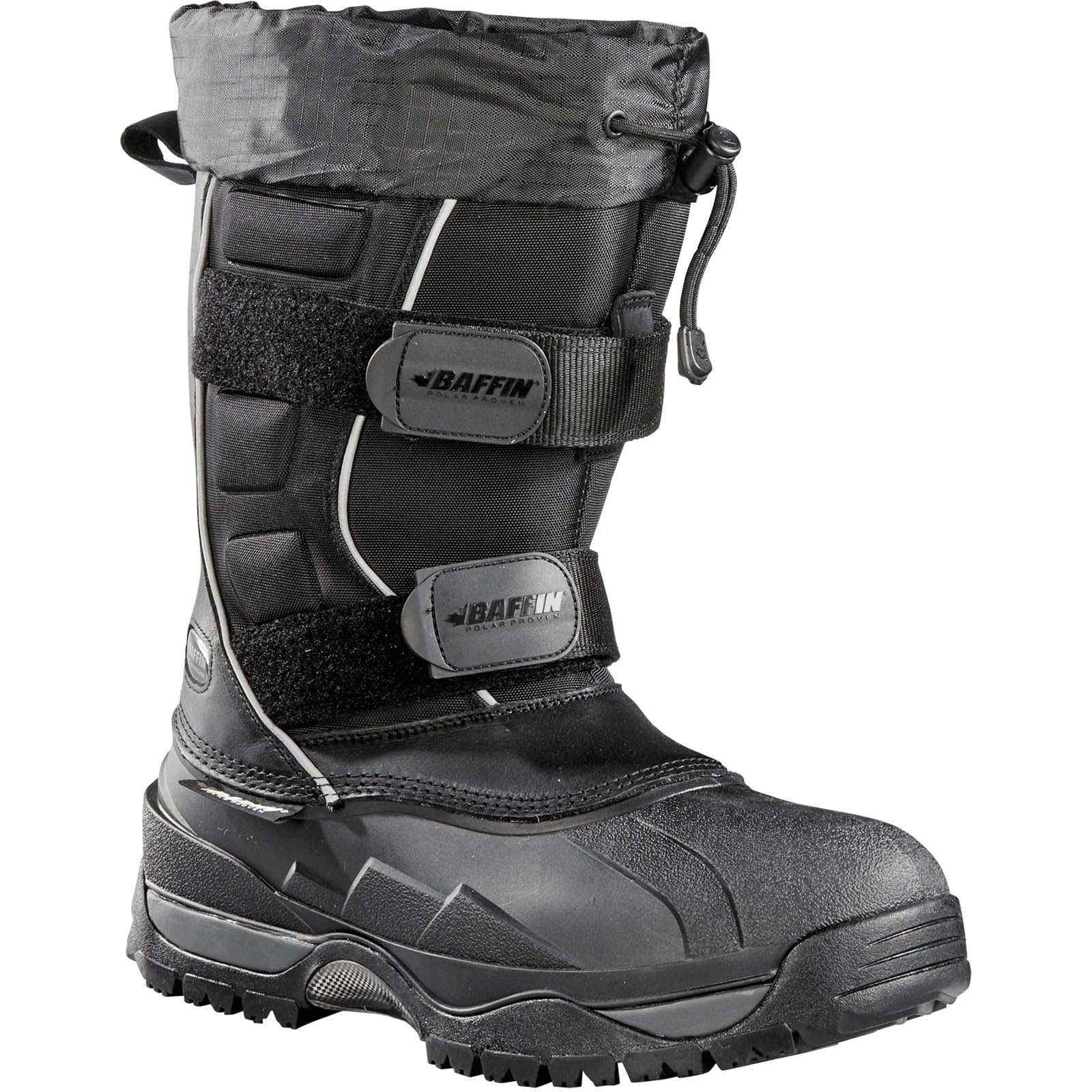
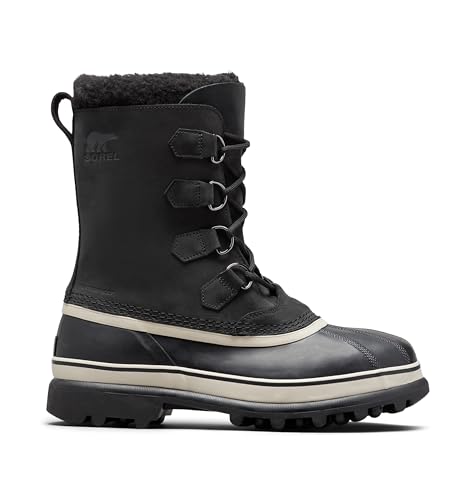
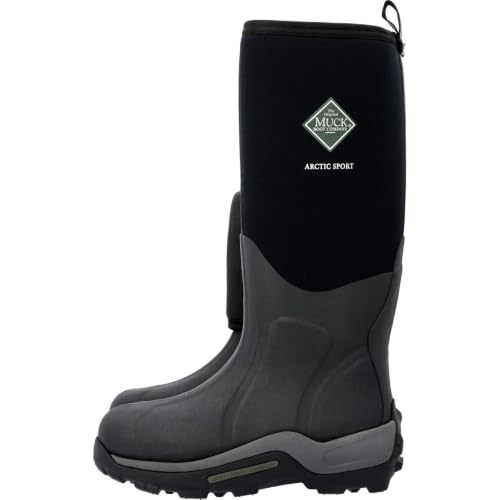
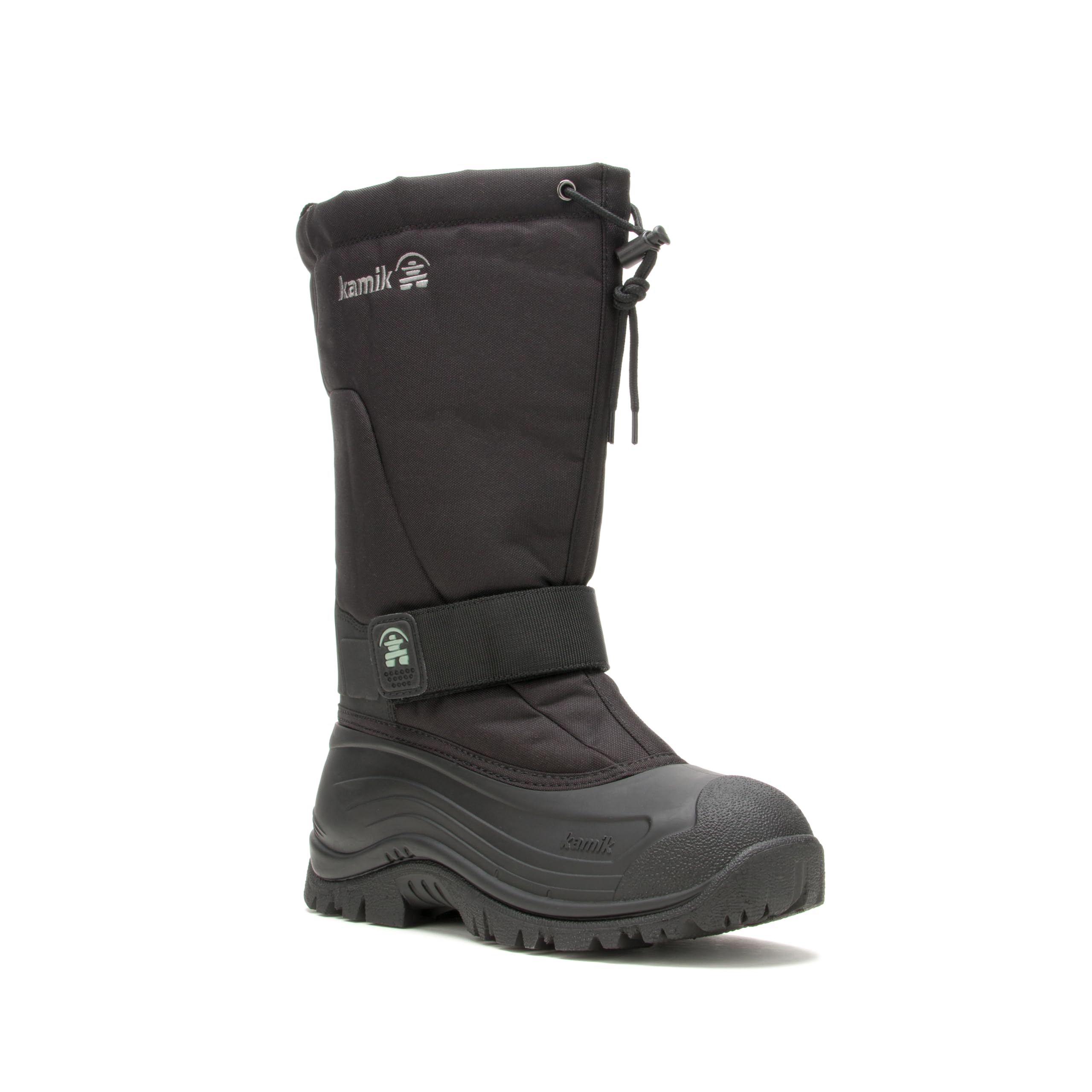
This guide walks through what each price tier delivers, which comfort features deserve your money, and which extras you can skip. The comparison table below pulls together current options across budgets so you can compare insulation, weight, and closure styles side by side. If you want a broader look at comfort features across seasons, see our guide to the best comfortable winter boots for more background.



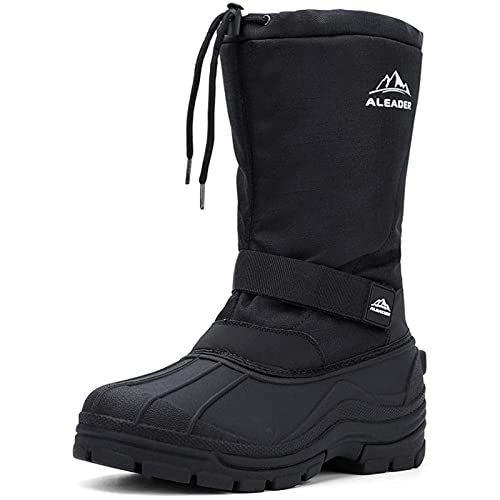


What Your Money Gets You at Each Price Tier
Price alone never guarantees comfort, but each tier does follow a pattern in materials and construction. As you scan the product table above, you will see that budget boots cluster under $100, midrange boots run about $100 to $200, and premium boots start around $200. The sections below explain what changes as you move up, and where the spending stops helping.
Budget Tier: What to Expect
Boots under $100 usually pair synthetic uppers with basic foam insulation and a simple molded midsole. Warmth is fine for short trips in mild winter weather, and many budget pairs feel soft right away because the cushioning is plush rather than structured. The trade offs show up over time. Outsoles tend to use softer rubber that wears faster, waterproofing is often a coating that fades, and arch support is minimal. Budget boots suit men who face a few snowy weeks a year, drive most places, and mainly need warmth for errands and short walks.
Midrange Tier: The Sweet Spot for Most Buyers
Between about $100 and $200, boots gain the features that matter most for daily comfort. Expect leather or sturdier synthetic uppers, waterproof membranes such as Gore Tex on many models, and insulation choices around 200 to 400 grams so you can match warmth to your climate. Cushioning improves with molded footbeds and better midsole foams, and outsoles use deeper lugs in firmer rubber. This is also the tier where removable insoles become common, which lets you add your own support. For most men who walk daily through a real winter, this tier delivers the strongest comfort per dollar.
Premium Tier: When Spending More Pays Off
Above around $200, you pay for materials and construction that extend the life of the boot more than they change the first day feel. Full grain leather uppers resist scuffs and mold to your foot, premium outsoles hold grip longer, and some boots use stitched construction that a cobbler can resole. Fit options widen too, with more half sizes and wide widths. Premium pairs also tend to look cleaner with dress pants, and if appearance matters for work, our guide to the best looking men's winter boots covers style driven choices. Spending up pays off when you wear boots daily for years.
Who Should Buy Which Style of Comfortable Winter Boot
Budget only sets the range. Your daily routine decides which style inside that range will actually feel comfortable, so match the boot to the hours and surfaces your feet meet most.
Men Who Stand and Walk All Day at Work
If you work on concrete or warehouse floors, cushioning and stability matter more than extreme insulation. Look for a firm midsole with a cushioned top layer, a moderate heel to toe drop that keeps your stride natural, and a wide base that resists rolling when you pivot with a load. Indoor heat also matters, so breathable linings help feet stay dry during long shifts. Men in these jobs often wear out foam insoles within a season, so a removable footbed you can swap is worth more than a small jump in insulation weight.
Daily Commuters and Drivers
Commuters split their day between icy sidewalks, train platforms, and car pedals, and that mix favors a lighter, more flexible boot. A sole that bends at the ball of the foot makes driving feel natural, while siped lugs grip wet platform edges and painted crosswalks. Ankle height boots are easier to drive in than tall pac boots. If your commute ends at an office, a leather Chelsea or chukka style boot keeps warmth while looking tidy, and our guide to the best winter dress boots men's explains which styles pair with dress pants.
Men in Deep Snow Country
Where snow piles above the ankle and stays for months, shaft height and insulation move to the top of the list. Tall boots with gusseted tongues keep snow out when you step off a cleared path, and insulation around 400 grams or more protects during slow outdoor work like shoveling or ice fishing. A roomy fit matters because tight boots restrict circulation and feel colder. If deep snow is your normal, compare the taller and warmer options in our guide to the best men's winter boots for snow before you settle on a height.
Features Worth Paying For (and Ones to Skip)
Comfort comes from a handful of features working together, and every tier adds or removes some of them. Pay for the ones below when your routine demands them, and skip decorative hardware, fashion stitching, and insulation weights far beyond your climate, since none of those change how a boot feels at hour six.
Outsole Traction and Terrain
The outsole decides whether a warm boot is safe on ice. Lugs around 4 to 6 mm deep bite into packed snow, and softer rubber compounds stay flexible in deep cold so the tread can grip instead of skating. Small slits called siping add edge grip on wet ice and tile. What you can skip is a smooth fashion tread, which looks clean but gives little hold on frozen sidewalks. Match the tread to your ground: deep lugs for trails and unplowed lots, finer siped patterns for mostly cleared city pavement.
Arch Support and Foot Type
Flat feet, high arches, and overpronation all change what support feels like inside a stiff winter boot. Flat feet usually need a firmer arch and a stable heel cup to limit inward rolling, while high arches need more cushioning under the midfoot because pressure concentrates at the heel and forefoot. A removable insole is the key feature to pay for, since it lets you fit an aftermarket support shaped to your arch. Built in arch bumps are often too mild or oddly placed to help, so treat them as a bonus rather than a reason to buy.
Durability and Expected Lifespan
A comfortable boot only stays comfortable while its midsole and outsole hold their shape. Expect a budget pair to feel good for one to two winters of regular use, a midrange pair for about three to four winters, and a premium stitched pair longer still with resoling. Stitching through the sole, leather that can be conditioned, and replaceable laces all stretch lifespan. Thin glued soles and foam that packs flat are the usual failure points. Paying for durability lowers your cost per winter, which the next section adds up.
Fit, Sizing, and Toe Box
Fit drives comfort more than any single feature, and winter adds thick socks to the equation. Measure your feet in the afternoon, when they are at their largest, and try boots on wearing the socks you will actually use. Your toes need room to spread and wiggle, since a roomy toe box keeps circulation moving and feet warmer. Leave about a thumb width of space in front of your longest toe, and check that the heel stays put when you walk. Many men size up half a size in winter boots, especially with heavyweight socks.
What Men Should Look For
Mens winter boots differ from unisex or womens lasts in a few practical ways. Mens models usually run wider through the heel and forefoot, come in larger sizes, and use stiffer shanks that suit heavier loads. Calf circumference matters on tall styles, and pull tabs plus speed hooks help you get boots on while wearing gloves. Weight adds up too, since a heavy pair can tire legs on long walks even when the cushioning is good. For a wider view of mens comfort footwear beyond winter, see our guide to the best comfortable boots men's.
Long Term Costs to Factor In
The purchase price is only part of what a pair of winter boots costs you. Replacement insoles run about $20 to $40 and refresh cushioning once the original footbed packs down. Waterproofing sprays and leather conditioners cost a few dollars a season and keep uppers working. Premium stitched boots may need a resole at around $60 to $100 after several winters, which still beats buying a new pair. Add these costs to the tier prices above and a midrange boot worn four winters often costs less per season than a budget boot replaced every other year. Whatever tier you pick, the best comfortable mens winter boots are the pair whose cost per winter stays low because the construction holds up.
How to Make Your Comfortable Winter Boots Last Longer
Care for these boots is simple and specific. Dry them at room temperature away from heaters, since direct heat cracks leather and warps foam midsoles. If you wear the same pair daily, stuff them with newspaper overnight to pull out moisture, and rotate with a second pair when you can so the cushioning rebounds. Brush off road salt the day it lands and wipe salt lines with a damp cloth, because salt dries leather and eats stitching. Condition leather uppers each season, refresh waterproof treatments on fabric uppers, and store boots upright in a cool spot so the shafts keep their shape.
FAQ
What makes comfortable winter boots for men different from regular winter boots?
Comfort focused winter boots for men add shaped cushioning, a contoured footbed, and a last built around mens feet, while basic winter boots mainly chase warmth and waterproofing. Many comfort models also add flex grooves at the forefoot so the sole bends with your stride instead of fighting it, which matters on long walks. The warmth ratings may look identical on paper, yet the fit details decide how the boot feels after hours of wear.
How often should men replace comfortable winter boots?
Men should replace comfortable winter boots when the midsole feels flat and the tread no longer grips, which is often after three to five winters of regular use. One check many people miss is the heel strike zone at the back of the outsole: once those lugs wear smooth, slips start even when the upper still looks fine. Replacing the insole first can buy another season if the outsole and midsole still feel supportive.
Do men need waterproof winter boots for everyday winter wear?
Men who walk through slush, puddles, and wet snow most days do need a waterproof membrane, because soaked insulation loses warmth fast. In cold dry climates with plowed sidewalks, a water resistant leather upper that you treat each season can be enough and often feels more breathable during long indoor stretches. Think about your wettest normal week, not the worst storm you can imagine, and choose for that.
Can men wear comfortable winter boots all day?
Yes, men can wear comfortable winter boots all day when the fit leaves toe room and the insole supports their arch type. Feet still swell over a long day, so a boot that feels snug at breakfast may pinch by evening, and lacing a touch looser at midday helps. Once home, switching into sandals and recovery footwear for the evening lets the cushioning rebound and your feet fully dry before the next wear.
How should comfortable winter boots fit on mens feet?
Comfortable winter boots should fit snugly at the heel and midfoot with clear space and wiggle room at the toes, wearing your thickest winter socks. One check worth adding in the store is walking down an incline or a set of stairs: your toes should never slide forward and tap the front of the boot. Repeated tapping on real hills is what bruises toenails, so this quick check prevents a common sizing mistake.
Final Thoughts
Start with your budget tier, then let your routine pick the style: traction and support for long workdays, flexible lighter boots for commuting, and tall insulated pairs for deep snow. Fit and a roomy toe box will decide your comfort more than any single upgrade, so spend your time there and use the product table above to compare the finalists in your tier. Chosen that way, the best comfortable mens winter boots for you are simply the pair your feet forget about by midday.


