
Best Comfortable Non Slip Work Shoes of 2026: Complete Buying Guide
Disclosure: We may earn a commission when you buy through links on this page, at no extra cost to you. As an Amazon Associate I earn from qualifying purchases. Learn more

Compare the best comfortable non slip work shoes by outsole grip, cushioning, fit and durability for long shifts on wet or greasy floors.
A work shoe has two jobs that pull against each other. It must grip wet, greasy, or polished floors without hesitation, and it must keep your feet comfortable through a full shift of standing and walking. The best comfortable non slip work shoes manage both, because grip without comfort gets left in the locker and comfort without grip is a fall waiting to happen. This guide shows you how to judge both sides before you buy.
Use the comparison table below for a first pass over styles and price tiers. Then work through the checks below, especially the outsole and fit sections, since those two decide most returns.

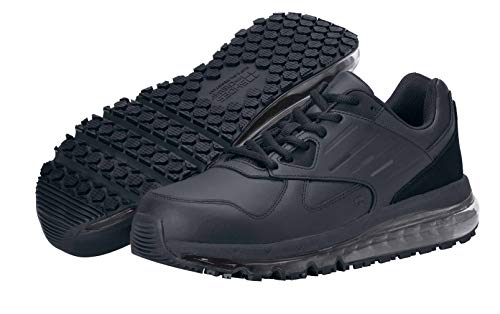
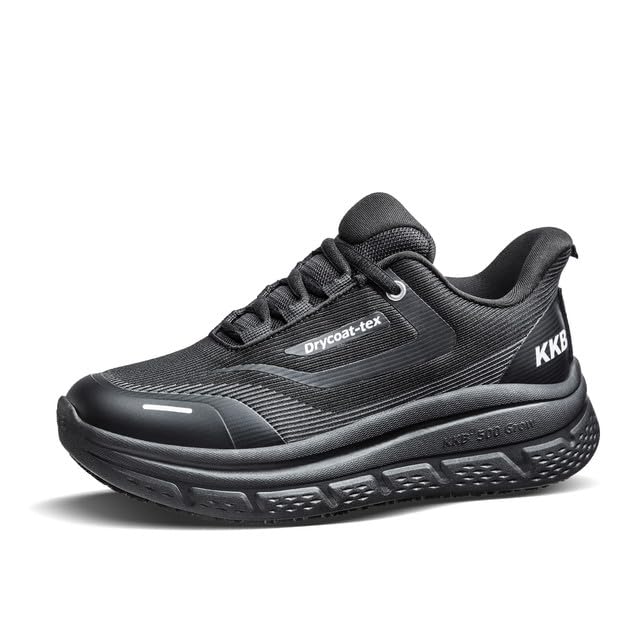


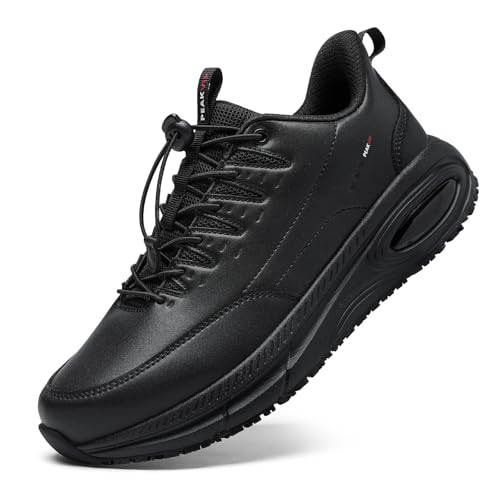
Three Work Shoe Tiers at a Glance
Rather than naming individual pairs, this section explains what each price tier generally delivers, who it suits, and where it compromises. Match the tier to your shift length and floor type first.
The All Round Tier
The all round tier, often around $80 to $120, balances a certified slip resistant outsole with cushioning that survives long shifts. Expect a patterned rubber outsole that channels liquid away, a supportive midsole, and uppers that wipe clean after spills. It suits full time restaurant, health care, and retail workers. The compromise is weight, since serious outsoles and support add heft that you notice by the final hour of a double shift.
The Value Tier
Value pairs, often around $50 to $80, cover the core needs: real slip resistant tread, moderate cushioning, and sizing that matches normal shoe sizes. They suit part time staff, shorter shifts, or a backup pair kept at work. You give up some durability, since uppers scuff sooner and midsoles pack down faster, and arch support is usually basic. For many workers on a budget, this tier still beats a cheap pair with no rated outsole at all.
The Premium Tier
Premium pairs, often above $120, add refined fit, stronger leather or engineered uppers, and footbeds shaped for long standing. Some include extra protection such as reinforced toes where workplace rules allow them. They suit workers on their feet ten hours or more who have learned that foot pain costs more than shoes. The trade off is price and a firmer first feel, because structured support rarely feels plush straight out of the box.
How to Choose the Best Comfortable Non Slip Work Shoes: Buying Guide
This is the core of the decision. A shoe can pass every comfort check in the store and still fail on a wet kitchen floor, so judge grip and comfort together. Somewhere in this process, the best comfortable non slip work shoes for your job will stand out clearly from the rest.
Fit, Sizing, and Toe Box
Try work shoes late in the day or after a shift, when your feet are slightly swollen, because that is the size they will be at work. You want a thumb width of space in front of your longest toe and a toe box wide enough that your toes lie flat rather than squeeze together. The heel should stay seated when you walk fast. If you fall between sizes, remember that thick work socks add volume, and many workers do better with the larger size plus an insole.
Weight and Flexibility
Every extra ounce repeats thousands of times per shift, so lighter shoes reduce leg fatigue. Flexibility matters too: the shoe should bend at the ball of the foot, where your foot bends, not in the middle of the arch. Very stiff shoes protect better on rough ground but fight your stride on smooth floors. Kitchen and hospital work on flat surfaces usually favors a lighter, more flexible shoe, while warehouse work with debris may justify a sturdier build.
Cushioning and Support
Cushioning absorbs the shock of hard floors, and support keeps that cushioning working in the right places. A neutral shoe with even foam suits most workers, while a stability design with firmer material on the inner side helps if your ankles roll inward during long stands. A small heel to toe drop keeps calves from tiring. If your employer has specific rules, check them first, and readers comparing job specific options can see our guide to the best non slip shoes for restaurant work for kitchen focused needs.
Outsole Traction and Terrain
Traction is the whole point of this category, so read the outsole description carefully. Look for a slip resistant rating from a recognized rating, wide flat tread blocks with many small edges, and channels that push water and oil out from under the shoe. Deep hiking style lugs are not better here, because they reduce the rubber contact area on flat wet floors. Smooth worn tread is a safety problem, not a cosmetic one, and floors with grease need more aggressive patterns than floors with water alone.
Durability and Expected Lifespan
Work shoes live hard lives of spills, heat, and constant flexing. Stitched or strongly bonded sole joins, abrasion resistant uppers, and closed cell foam that does not soak up liquid all extend useful life. Expect a hard working pair to give strong service for about six to twelve months of full time shifts before grip or cushioning fades. That is much shorter than casual shoe life, and planning the replacement budget ahead keeps you from working in worn out tread.
Break In Period and Comfort Out of the Box
Most soft work shoes feel fine immediately, while leather or structured pairs may need several shifts to settle. Wear a new pair for a short shift or a shift at home doing chores before trusting it with your longest day. Rubbing at the heel or pressure on top of the toes usually signals a fit problem rather than a break in stage. Pain that grows across a shift is your cue to exchange the size while you still can.
Types of Comfortable Non Slip Work Shoes
Neutral Shoes
Neutral work shoes give even cushioning with no strong correction, which suits most feet and most indoor jobs. They are the safest default if you have never had foot problems at work. Their weakness appears only if your feet roll heavily inward or outward, where a shaped design may serve you better over long shifts.
Stability and Support Shoes
Stability designs add firmer support under the arch and inner heel to guide the foot through each step. They suit workers whose shoes wear unevenly or whose knees and arches ache by mid shift. They can feel firmer at first and cost a little more. Shoppers comparing gender specific fits can also see our guides to the best non slip work shoes men's styles and the best non slip work shoes women's styles for sizing notes.
Waterproof Boots
Boots and waterproof styles suit jobs with standing water, outdoor yards, or heavy spills, where a low shoe would soak through in minutes. Sealed uppers and higher cuffs protect well, and the trade off is heat and weight over a long shift. Indoors on merely damp floors, a low shoe with a water resistant upper is usually cooler and quite sufficient.
Sandals and Recovery Footwear
Sandals and open recovery footwear have no place on a working floor, because they expose toes to dropped items and spills and offer poor grip in motion. Save them for after your shift, when soft recovery soles genuinely help tired feet rest at home. Any employer safety policy will say the same, so treat open styles as home footwear only.
How to Make Your Comfortable Non Slip Work Shoe Last Longer
- Rotate two pairs if you can. Alternating days lets midsoles recover and uppers dry fully, which extends grip and cushioning life.
- Clean the tread often. Packed grease and crumbs in the tread blocks quietly destroy slip resistance, so brush the outsole out weekly.
- Air dry away from direct heat. Break room heaters and radiators crack uppers and harden foam, while open air drying overnight is enough.
- Lace properly to prevent heel slip. A snug lace pattern stops internal rubbing that wears linings and causes blisters.
- Replace on grip, not on looks. When tread blocks look smooth or you start sliding on floors that used to feel safe, the shoe is done, whatever the upper looks like.
One more practical point: many workplaces require black footwear, and if that is your situation, our guide to the best black non slip work shoes narrows the field to uniform friendly options. For a broader cross check of the category, see our guide to the best work non slip shoes as well.
Comfortable Non Slip Work Shoes: Your Questions Answered
Can I wear comfortable non slip work shoes all day?
Yes, that is exactly what they are built for, provided the fit is right and the cushioning matches your floor. Hard concrete floors demand thicker, firmer cushioning than softer commercial flooring. If your feet ache badly by mid shift in a new pair, the issue is usually fit or support level rather than the category itself, and an insole change or a different size often fixes it.
How should comfortable non slip work shoes fit?
They should fit securely at the heel and midfoot, with room for toes to lie flat and a small gap at the front. Feet swell during shifts, so a fit that feels perfect first thing in the morning may pinch by evening. Wear your actual work socks when trying them, and walk quickly and turn corners, since slipping inside the shoe shows up in turns before it shows in straight lines.
Are expensive comfortable non slip work shoes worth it?
For full time workers, usually yes. Higher prices tend to buy outsoles that keep their grip longer, midsoles that resist packing down, and uppers that survive daily spills and cleaning. Part time workers on short shifts may never use that extra lifespan, so a value tier pair can be the smarter spend. Compare cost per month of safe service rather than the sticker price alone.
How often should I replace my comfortable non slip work shoes?
Plan on about six to twelve months of full time wear, and check the tread monthly. Kitchen grease and constant wet floors wear rubber faster than dry retail floors do. Replace the shoes when the tread pattern looks shallow, the midsole feels dead and flat, or you notice small slides that did not happen before. Waiting for the upper to fail usually means working months on unsafe grip.
Do I need waterproof work shoes?
Only if your job involves standing water, heavy mopping, outdoor work, or frequent soaking spills. Waterproof membranes keep liquid out but also hold heat in, which many indoor workers dislike by mid shift. For most restaurant and health care floors, a water resistant upper that sheds splashes, paired with a strong outsole, is the better balance of protection and comfort.
How long is the break in period for non slip work shoes?
Soft synthetic styles often need no break in at all. Leather uppers and firmer support designs may take three to five shifts to mold to your feet. Start with shorter shifts if you can, and use your older pair as a fallback during the first week. Sharp pain, hot spots that blister, or numb toes are not normal break in signs and mean the fit needs changing.
Final Thoughts
Judge grip first, fit second, and cushioning third, and most buying mistakes disappear. Check the tread pattern against your real floor, try shoes on with work socks at the end of the day, and budget to replace them before the grip fades. Compare the best comfortable non slip work shoes in the product table above with those checks in hand, and you will choose a pair that keeps you safe and comfortable all shift.


