
Best Comfortable Ladies Slippers: Every Type Explained Side by Side for 2026
Disclosure: We may earn a commission when you buy through links on this page, at no extra cost to you. As an Amazon Associate I earn from qualifying purchases. Learn more

Compare best comfortable ladies slippers by type, fit, cushioning, materials, and care with this clear buying guide for comfort at home every day.
A wall of soft slippers can look identical online, yet a plush slide, a light knit slipper, and a warm sheepskin moccasin solve different problems. The best comfortable ladies slippers for you depend on your floors, your foot shape, and whether you need warmth, support, or a sole that can step outside.
This guide compares the main types side by side, with the strengths, limits, and typical price of each, then explains the fit details that matter most for women. Use the comparison table below to check your short list once you know your type.

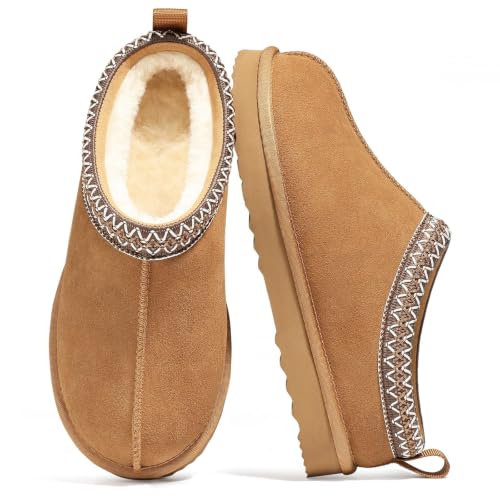
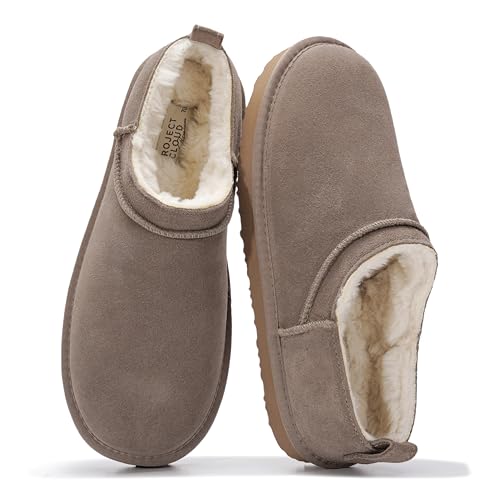


Types of Comfortable Slippers Compared
The short version first. Classic cushioned slippers suit most women in most homes and cost about $35 to $80. Slides and recovery style slippers suit warm rooms and tired feet, at about $25 to $60. Lightweight knit slippers suit travel and mild weather, at about $20 to $50. Bootie slippers and weather ready styles suit cold floors and quick outdoor steps, at about $50 to $110. For the widest starting point, our guide to the best ladies slippers surveys the whole category.
Classic Cushioned Slippers
This neutral, all purpose type pairs a soft upper with a padded, fairly flat footbed and usually a thin rubber outsole. It neither forces your foot into a corrected position nor leaves it on bare foam, which is why it suits the widest range of feet and routines. Shearling or fleece linings add warmth for cool homes, while cotton versions breathe better in mild weather. The main limit is lifespan of the padding: plain foam compresses with daily wear, so heavy users should expect a softer, flatter feel after a year or so of constant use.
Slides and Recovery Footwear Style Slippers
Slides trade coverage for freedom: an open back, often an open toe, and a thick molded footbed that cushions feet after workouts, shifts, or long days in heels. They slip on without hands and rinse clean, which makes them handy for summer, travel, and shared bathrooms. The downside is hold and safety, since a loose heel can catch on stair edges and offers no warmth or toe protection. Choose slides for warm rooms and flat, short routes, and keep a closed pair for stairs and chores.
Lightweight Knit and Travel Slippers
Lightweight slippers use knit or mesh uppers and thin flexible soles, so a pair can weigh only a few ounces and fold into a bag corner. They shine for travel, warm climates, and women who dislike the bulky feel of plush styles. Stretch uppers forgive bunions and mild swelling, which many women appreciate at the end of the day. The trade off is structure: thin soles transmit cold and hard floor impact, and stretch fabrics loosen over time, so this type works best as a second pair rather than your only all day footwear.
Bootie Slippers and Weather Ready Styles
Bootie slippers rise over the ankle, sealing in warmth that low styles lose, and weather ready versions add a sealed rubber outsole and a water resistant upper. They suit drafty houses, stone floors, and quick trips to the porch, mailbox, or garden in light rain. True waterproof boots are a different product, but a good bootie handles damp ground that would soak a fabric sole. They run warm, so hot sleepers may find them too much indoors. If natural warmth is your priority, compare the material notes in our guide to the best ladies sheepskin slippers.
Classic Cushioned Slippers vs Slides: Which Should You Choose?
Judge them on five points. Warmth goes clearly to classic cushioned styles, especially lined ones, while slides win for hot feet and summer nights. Support is modest in both, with classic styles slightly ahead because the upper holds the foot on the footbed. Safety goes to classic styles too, since a covered heel behaves better on stairs. Ease of entry belongs to slides, which need no bending or hands. Cleaning favors slides, which tolerate a rinse, while fleece and shearling need gentle care. Pick slides for warm rooms and short wear, and classic styles for longer wear, cool floors, and safer movement.
How to Choose the Right Comfortable Slipper
What Women Should Look For
Women's slippers are often cut narrower at the heel and lower in volume than unisex styles, so check heel grip as carefully as toe room. Adjustable or stretch uppers help because many women's feet swell noticeably by evening, and during pregnancy feet can swell and even grow, which makes a forgiving fit and a stable sole especially important. If swelling appears suddenly or affects one foot only, mention it to your doctor rather than treating it as a sizing issue. Lighter pairs also reduce leg fatigue when you are on your feet at home for hours.
Fit, Sizing, and Toe Box
Measure and try in the afternoon, wearing the socks you use at home, because a morning fit can mislead you. Your heel should sit inside the footbed, your toes should spread flat, and the toe box should clear bunions and hammer toes without pressure points. Many slipper brands use whole sizes only, so between size shoppers in closed styles usually do better sizing up and adding a thin insole. If your heel lifts out as you walk, go down a size or choose a closed back style instead.
Outsole Traction and Terrain
Your terrain is your home: hardwood, tile, carpet, stairs, and perhaps a patio or garden path. A rubber outsole with a real tread pattern grips polished wood and wet bathroom tile far better than a smooth fabric sole, which can skate without warning. Keep tread shallow enough that it does not catch on carpet edges. If you carry laundry or children down stairs, treat grip and a closed back as safety features, not luxuries, and retire any pair whose sole has worn smooth.
Durability and Expected Lifespan
Daily wear compresses foam, stretches uppers, and smooths outsoles, so a realistic life for a daily pair is about one to two years before comfort fades. Stitched soles outlast glued ones, and natural shearling or wool keeps its loft and odor control longer than basic synthetic fleece. Rotating two pairs rests the cushioning and can stretch that lifespan noticeably. For bedroom only wear, a softer and less durable pair is fine, and our guide to the best ladies bedroom slippers focuses on exactly that lighter use.
Upper Materials and Breathability
Wool and shearling manage moisture and temperature in both directions, which suits women whose feet run cold at rest and warm during chores. Cotton terry feels fresh and washes well but stays damp after spills. Knit and mesh uppers breathe best in warm homes and pack flat for travel. Synthetic fleece is affordable and warm, yet it can trap sweat and odor over time. If softness is the deciding factor for you, compare the plush options described in our guide to the best soft slippers for ladies.
Care and Maintenance Tips
Air your slippers after wear and rotate two pairs when you can, since resting foam and fleece restores loft and cuts odor. Let wet pairs dry at room temperature away from radiators and direct heat, which can warp molded soles and stiffen leather or shearling. Wash fabric pairs gently only when the label allows it, and brush suede with a dry brush. Replace pairs with smooth soles without delay, because a worn outsole on tile or stairs is a fall risk rather than a bargain.
FAQs
What makes comfortable slippers for women different?
The cut is the main difference: a narrower heel, a lower volume upper, and sizing that reflects women's shoe sizes rather than a scaled down men's last. That narrower heel stops the slip and rub that many women feel in unisex slippers. Some brands also add a slightly higher arch contour. Always check the size chart for the exact brand, since a women's size eight varies more between slipper brands than between shoe brands.
How long is the break in period for ladies slippers?
Most pairs need little or none, though shearling and firm supportive footbeds take about a week of regular wear to mold to your feet. A helpful approach is to wear a new pair for a few hours each evening and note any red spots, which warn you where friction will become a blister. If the heel still slips after a week, the size or cut is wrong, and an exchange will serve you better than patience.
Can you wear ladies slippers all day?
Yes, if the pair supports your arch and grips your floors, but variety helps your feet. Alternate a supportive closed pair for chores with a softer pair for rest, and choose a closed back for stairs. Women who stand on hard kitchen floors for hours may prefer an outdoor shoe level of support at home. If foot pain persists despite good slippers, a doctor or podiatrist can check for causes that footwear alone cannot fix.
Do you need waterproof ladies slippers?
For indoor use, no, but a rubber outsole and a water resistant upper are genuinely useful. They handle bathroom floors, kitchen splashes, and short steps onto a wet porch without soaking through. Save true waterproof footwear for outdoor work and heavy rain. One more point in favor of a sealed sole: it also blocks cold rising from stone or tile, so weather ready soles often feel warmer indoors too.
How should ladies slippers fit?
They should feel snug at the heel, free at the toes, and stable when you walk quickly or turn. Try them on your hardest floor and take a few stairs if you can. Because many women fall between whole sizes, keep both candidate sizes until you have walked in each at home on clean floors. A fit that needs constant toe gripping to keep the slipper on will tire your feet within an hour.
How often should you replace comfortable slippers for women?
Replace them when the padding stays flat, the tread smooths, or the upper stretches until your foot shifts as you walk. For a daily pair that is commonly every one to two years, while a bedroom only pair can last much longer. Lingering odor after washing is another honest signal, since worn fibers hold bacteria beyond the reach of gentle cleaning. Replacing on time is also a safety choice, not just a comfort one.
Final Thoughts
Choose your type first, then fit: classic cushioned styles for most homes, slides for warm rooms, lightweight knits for travel, and booties for cold floors and outdoor steps. Check heel grip, toe room, and outsole tread before you fall for a color. Compare your finalists with the product table above, and the best comfortable ladies slippers for your routine will stand out. If you want to widen the search before deciding, our guide to the best comfortable slippers covers mixed and unisex options too.


