
Best Compass Watches Made Simple: A Clear Buying Guide for 2026
Disclosure: We may earn a commission when you buy through links on this page, at no extra cost to you. As an Amazon Associate I earn from qualifying purchases. Learn more

Shopping for the best compass watches for the first time? Learn the key terms, compare movements and cases, and avoid rookie mistakes with this simple guide.
A compass watch does two jobs at once: it tells the time and helps you hold a direction when a trail bends, a fog rolls in, or your phone battery dies. If you are new to the best compass watches, the terms can feel like a foreign language at first. Words like movement, lume, and bezel sound technical, but each one maps to a simple decision.
This guide starts with the basics, explains every key spec in plain English, and flags the mistakes first time buyers make most often. Browse the product table at the top of the page as you read, and you will know exactly what to look for before you spend a dollar.


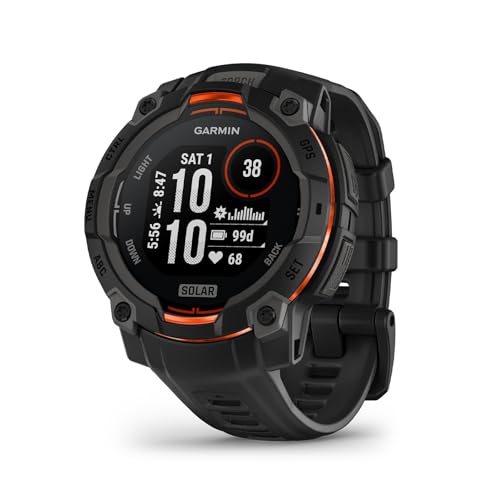
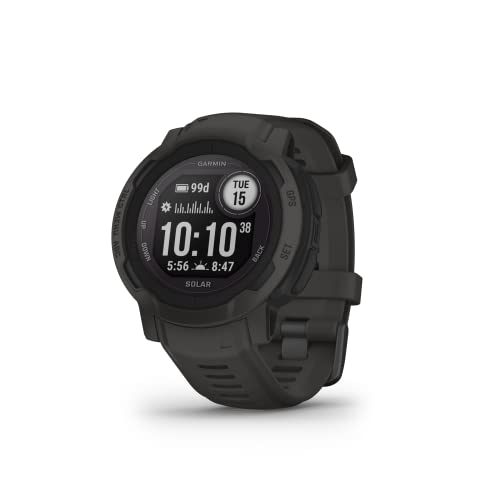

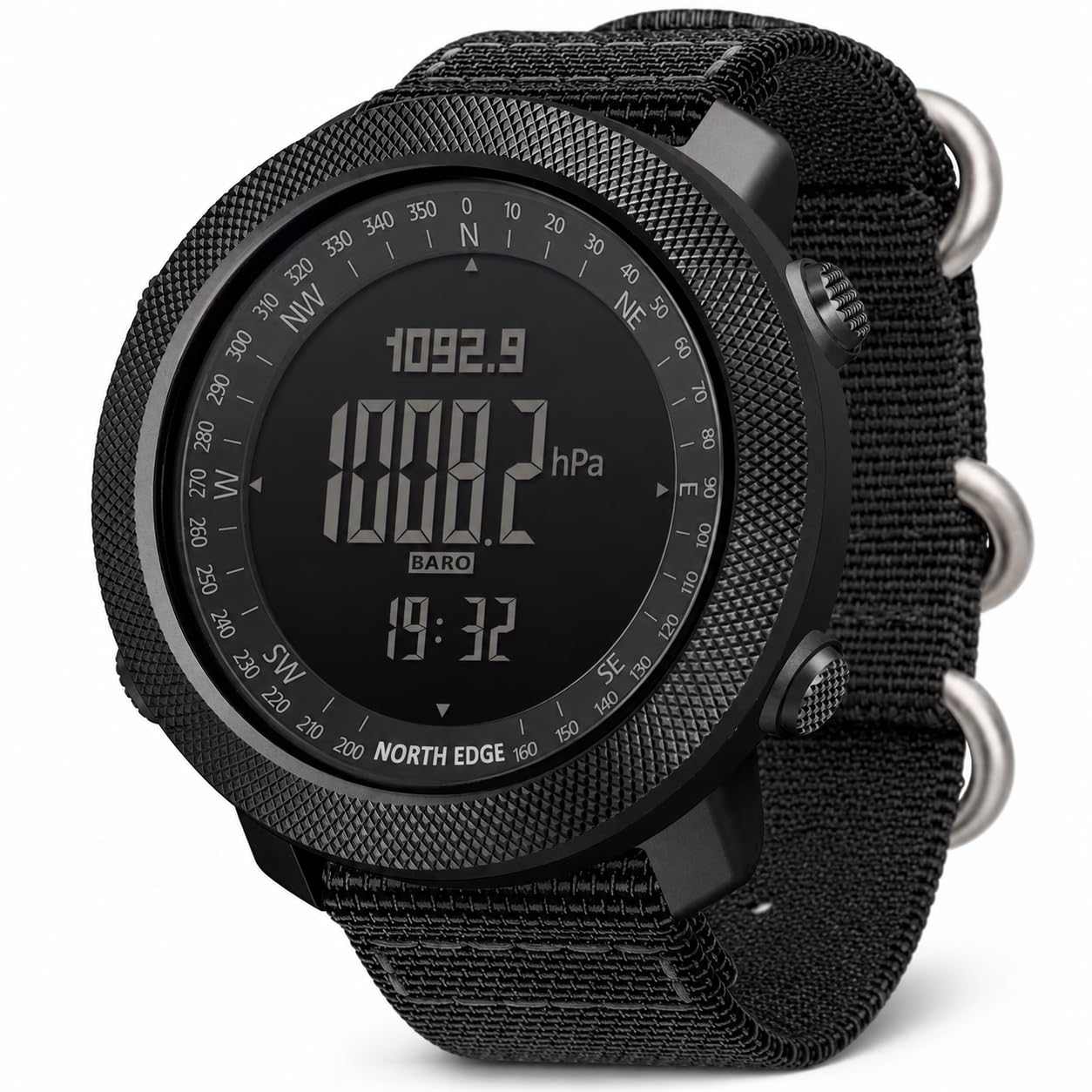
Compass Watches 101: The Basics
A compass watch shows direction in one of two ways. Analog models use a rotating compass bezel or a compass needle on the dial, and you align it with the sun or a landmark to find your heading. Digital models use an electronic sensor that reads the magnetic field and shows your bearing in degrees on screen, often with a declination setting.
Neither type replaces a proper baseplate compass and map skills on serious backcountry trips, but both shine for everyday navigation: trail running, hiking, fishing, travel, and general outdoor work. Think of the watch as a fast reference on your wrist. You glance down, confirm you are still heading north east or south west, and keep moving without digging gear out of your pack.
Accuracy depends on calibration and on keeping the watch away from metal objects, magnets, and car bodies while you take a reading. Most digital models ask you to rotate your wrist in a figure eight pattern to calibrate. Do this away from trailhead parking lots and your readings will be far more trustworthy.
Key Specs Explained in Plain English
Movement Type (Quartz, Automatic, Solar, Smart)
The movement is the engine that drives the watch. Quartz movements run on a battery, keep excellent time, and need almost no attention for years. Automatic movements wind themselves from your wrist motion and need no battery, but they cost more and need service over time. Solar movements charge from light and suit long trips. Smart models add screens and sensors, but need charging every few days, so match the movement to your habits.
Brand Reputation, Warranty, and Value
Established outdoor and watch brands tend to offer two year warranties, US based service, and straps and seals you can still buy years later. That matters because a compass watch lives a rough life of rain, dust, and knocks. Value is not the lowest price; it is the cost spread over years of reliable use. Our guide to the best quality watches explains how build quality shows up in daily wear.
Strap and Bracelet Options
The strap decides comfort more than any other part. Silicone handles sweat and rain and suits sport use. NATO style fabric straps dry fast, feel secure if a spring bar fails, and swap in seconds. Leather looks smart in town but hates water. Metal bracelets add weight and durability. Quick release spring bars let you change straps without tools, so one watch can cover the trail and the office.
Smart and Fitness Features
Smart compass watches add GPS tracks, heart rate readings, altimeter and barometer data, and storm alerts, which makes them popular with runners and hikers. GPS is genuinely useful for marking a trailhead or following a route back. Remember that wrist heart rate is a training guide, not a medical device, so never use it to judge a health condition. Battery life drops fast with GPS on, so check the rated hours before a long trip.
Crystal and Case Materials
The crystal is the clear cover over the dial. Sapphire crystal resists scratches best and stays clear for years, while mineral glass costs less and handles knocks well. Cases come in resin for light weight, stainless steel for durability, and titanium for strength without the weight. Case diameter is measured in millimeters across the case, not counting the crown. A tough case with a softer crystal is a common and sensible budget compromise.
Legibility and Style
You should read the time and your bearing at a glance, in bright sun and at dusk. Big numerals, strong contrast, and lume on the hands and markers make that possible; lume is the glow material that charges in daylight. A cluttered dial slows you down outdoors. Style still matters, because a watch you enjoy wearing gets worn. Field watch designs bridge trail and town better than oversized tactical styles for most people.
Rookie Mistakes to Avoid
- Skipping calibration. A digital compass that is never calibrated can point you the wrong way, so calibrate after battery changes and when you travel to a new region.
- Ignoring water resistance. A rating of 30 meters means splash resistance only. For swimming and wet weather, look for 100 meters or more.
- Buying too big. A huge case looks rugged in photos but bangs on rocks and cuffs. Measure your wrist before you order.
- Forgetting declination. Magnetic north and true north differ by location. Watches with a declination setting give far better map accuracy.
- Trusting the watch alone. Carry a map and know basic navigation. A watch compass is a helper, not a rescue plan.
Getting Started: Setup and First Use
When your watch arrives, set the time and date first, then calibrate the compass outdoors away from cars and metal fences. Walk a known route, such as a street that runs due north, and confirm the reading matches. Practice taking a bearing on a visible landmark and following it across an open field before you rely on the skill in the woods.
Store the watch away from speakers, phone cases with magnets, and other strong magnetic sources, because a magnetized sensor or movement can drift until it is serviced. If your readings suddenly look wrong after travel, recalibrate first before assuming the watch is broken. Nine times out of ten, a fresh calibration in an open space fixes the problem in under a minute.
Care is simple. Rinse the watch in fresh water after saltwater exposure and dry the strap fully before storing it. Keep solar models under light now and then so the cell stays charged. Automatic watches need professional service about every 5 to 7 years to replace worn seals and old lubricants. If you also train with your watch, our notes on the best workout watches cover fitness features in depth.
Frequently Asked Questions
Quartz or automatic: which is better?
Quartz is better for most first time buyers because it is accurate, affordable, and ready whenever you grab it. An automatic can sit unworn for days and stop, and its compass is usually a bezel rather than a sensor. Choose automatic if you love mechanical watches and accept the upkeep. Choose quartz or solar if the compass function itself is the point of the purchase.
How long does a watch battery last?
A typical quartz watch battery lasts about two to three years, and compass or backlight use shortens that span. Solar models can run for many years because light keeps the cell topped up. Smart compass watches are different: expect days, not years, between charges. When a quartz watch starts losing time or the digital display fades, treat it as a low battery warning and plan a replacement.
What case size fits my wrist?
Measure your wrist with a soft tape. Wrists under about 6.5 inches usually suit cases of 38 to 40 mm, mid size wrists suit 40 to 43 mm, and larger wrists can carry 44 mm and up. The lugs, the arms that hold the strap, should not hang past the edges of your wrist. Comfort and readability beat a bold look you stop wearing.
How water resistant should a watch be?
For rain and hand washing, 50 meters is a sensible floor. For swimming, snorkeling, and muddy trail work, choose 100 meters or more, and keep the crown pushed in before the watch gets wet. Water resistance fades as seals age, so have the seals checked every few years. Purpose built models in our guide to the best tactical watches with compass usually carry stronger ratings.
Is a smartwatch worth it over a classic watch?
A smartwatch is worth it if you will use GPS tracks, training data, and notifications every week, and you accept charging it often. A classic quartz or solar watch wins on simplicity, battery life, and long term cost. Many hikers split the difference with a digital outdoor watch. If your priority is a fuller feature set, compare the options among the best watches with compasses before deciding.
The Bottom Line
Focus on three things: a compass style you will actually calibrate and use, water resistance that matches your wettest days, and a case size that fits your wrist. Get those right and movement type and style become easy choices. Military style shoppers may also like our guide to the best military watches with compass. The best compass watches are the ones you understand and trust, so check the product table above and pick the watch you will wear on every trip.


