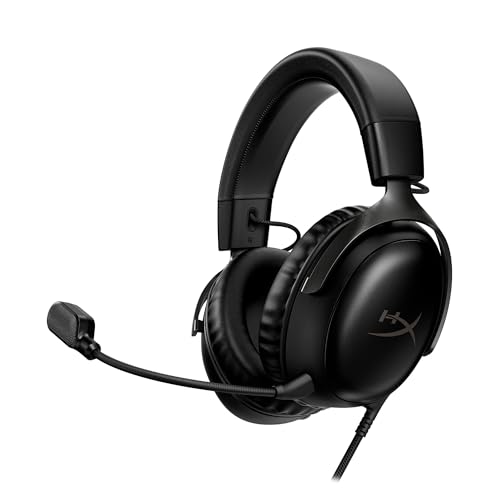
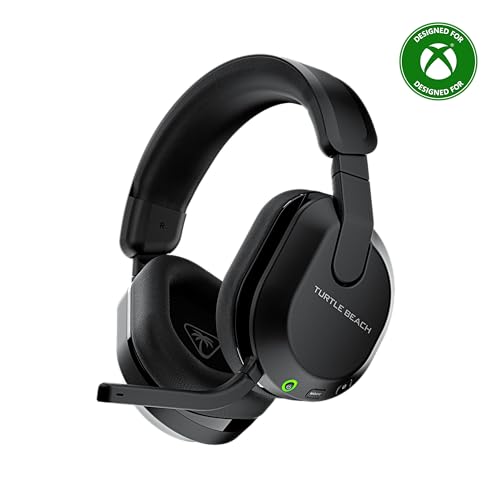
Best Comfortable Headsets in 2026 Made Simple: A Clear Buying Guide
Disclosure: We may earn a commission when you buy through links on this page, at no extra cost to you. As an Amazon Associate I earn from qualifying purchases. Learn more

Shopping for the best comfortable headsets for the first time? Learn the terms, compare options, and avoid rookie mistakes with this easy guide.
Comfort decides whether you keep a headset on or keep taking it off. The best comfortable headsets stay easy to wear through calls, study and travel, and they still sound clear when you speak. This guide starts with the basic terms, then moves to fit, sound and connection choices in the comparison table below.
Think first about one normal day of use. Note how many hours you wear a headset, whether you wear glasses, and how often you move between a laptop and a phone. Those facts will guide almost every choice that follows.


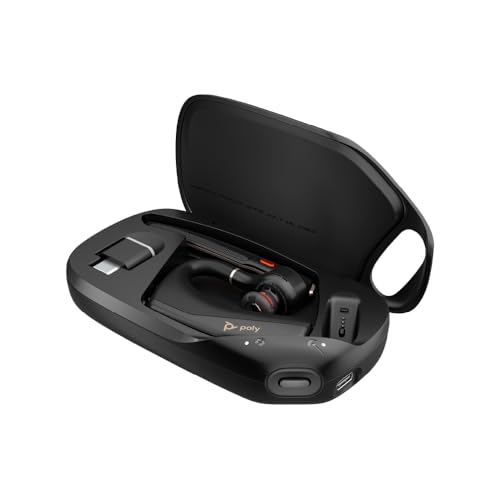


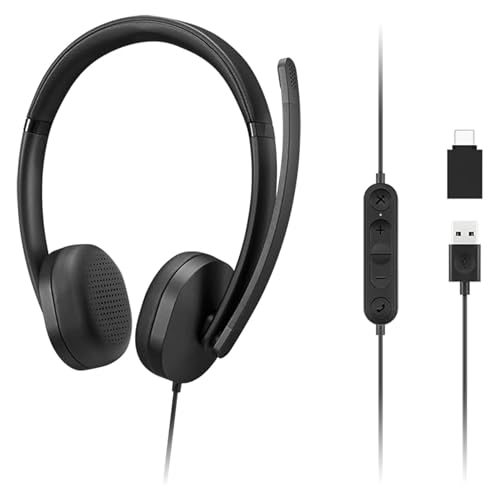
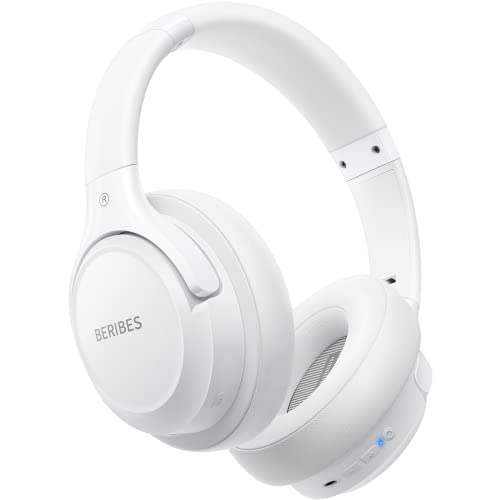
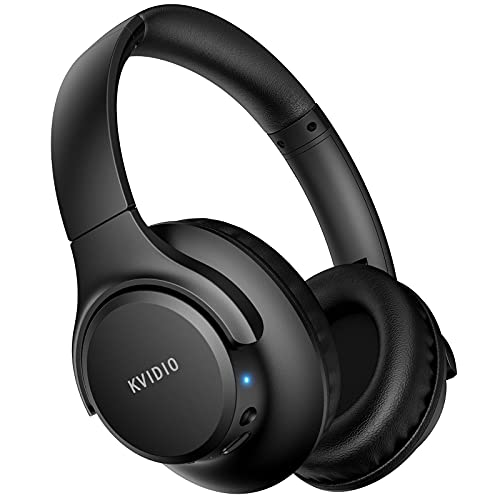

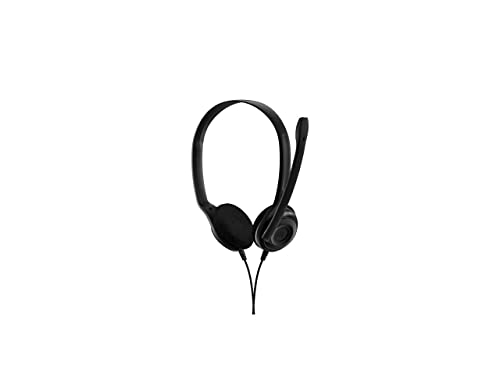
Comfortable Headsets 101: The Basics
A headset is a headphone with a microphone, built for talking as well as listening. Over ear models surround your ears with large cups, on ear models rest on the ears, and earbud models sit in the ear. Over ear designs usually spread pressure best for long sessions, while earbuds weigh least and pack smallest.
Comfort comes from fit, not from padding alone. Cup size, clamp force, weight and headband shape work together, and a model that suits a friend may pinch you. After about thirty minutes, you should feel no hot spot on top of your head, no ache in your jaw, and no need to keep shifting the cups.
Who Should Buy a Comfortable Headset for All Day Wear?
Start with the group that sounds most like you, because each group needs a different balance of weight, microphone quality and quiet.
Remote Workers and People on Calls for Hours
You need a clear microphone, soft cups and a headband that does not create a sore spot by midday. Look for a boom mic you can move close to your mouth, controls you can reach without looking, and multipoint pairing so one headset serves your laptop and phone. A wired backup option helps when the battery runs low.
Glasses Wearers and Listeners With Sensitive Ears or Jaws
Frames change how cups seal and where pressure lands. Softer cushions, deeper cups and a gentler clamp usually feel better over glasses arms, and lighter models reduce ache around the ears. If you feel sharp pain, numbness, ringing in your ears or dizziness that does not fade after you remove a headset, stop using it and talk with a clinician about your personal needs.
Travelers, Commuters and Students Who Switch Devices Often
You need low weight, a case that fits a bag, and pairing that reconnects fast. Folding cups save space, while quick charge support helps before a trip. You also move between quiet rooms and loud transport, so look for steady isolation and controls that work while you walk.
Key Features to Compare
Compare fit first, then sound, connection and battery. That order keeps a strong spec from hiding a headset you cannot wear for long.
Ear Cushions, Cup Size and Clamp Force
Cushions decide how pressure spreads around your ears. Deep cups give your ears room, while shallow cups can press the ear flat and cause soreness. Memory foam adapts to your head shape, fabric covers feel cooler in warm rooms, and synthetic leather seals sound in but can feel warm. Clamp force should hold the headset steady when you turn your head, yet stay gentle enough that your jaw feels relaxed after an hour.
Weight, Headband Shape and Adjustment Range
Total weight matters, but where that weight sits matters more. A padded headband or a floating strap spreads load over a wider area, so the top of your head stays comfortable longer. Many comfortable models weigh about 200 to 300 grams. Check that the sliders extend far enough for your head size and stay where you set them, and note whether the cups tilt to match the angle of your ears.
Sound Quality, Tuning and Microphone Clarity
Frequency response describes the range of sound a headset can produce, often stated as about 20 Hz to 20,000 Hz. Tuning is the balance within that range. A neutral tune suits calls and mixed listening, while extra bass can make voices sound thick and tire your ears. Driver size alone does not prove better sound. For talking, mic placement matters just as much, and readers who want a deeper look at audio quality can see our guide to the best quality headsets after they settle fit.
Bluetooth Version, Codecs and Multipoint Pairing
Bluetooth 5.3 gives a stable connection and efficient power use with recent phones and laptops. Codecs shape how audio travels. SBC works everywhere, AAC suits Apple devices, and aptX or LDAC can carry more detail with gear that supports them. Multipoint lets one headset stay paired to two devices and switch when a call arrives. Low latency helps video stay in step with sound, and for play focused options see our guide to the best comfortable gaming headsets.
Noise Cancellation and Passive Isolation
Passive isolation is the quiet you get from a good seal alone, and it needs no battery. ANC, short for active noise cancellation, uses microphones and processing to reduce steady low sounds such as plane engines and office air systems. ANC does less for sudden speech nearby. Fit still comes first, because a poor seal weakens both methods, and readers set on maximum quiet can see our guide to the best noise cancelling headsets.
Battery Life and Water Resistance for Daily Use
Wireless models often run about 20 to 40 hours per charge, and ANC use usually shortens that time. Treat maker claims as best case figures and keep a charging cable at hand. An IP rating describes dust and water protection. IP67 means strong protection for brief immersion, which suits outdoor and rugged models, while a basic splash rating suits office use.
Charge, Pair and Fit Your Headset the First Time
Charge the headset fully before pairing, then pair it with your main device first and your second device after that. Extend each slider a little at a time, and center the headband so both cups sit level. Make a short trial call and move the mic until your voice sounds clear without raised volume.
Update the firmware through the maker app when an update is offered, because updates often fix pairing drops and control faults. Try each control once and store the headset in its case from the start. A calm first setup makes later problems easier to spot, since you know how the headset behaved when new.
Rookie Mistakes to Avoid
- Buying on sound ratings alone leaves you with a headset that hurts after thirty minutes of wear.
- Choosing the tightest fit for extra bass makes your jaw and ears ache during long calls.
- Ignoring glasses arms when you try a headset leads to a broken seal and uneven pressure.
- Paying for ANC to block nearby voices disappoints you, because voices are what ANC handles least well.
- Leaving a headset loose in a bag bends sliders and crushes cushions over time.
Care and Maintenance for a Comfortable Headset
Wipe cushions and the headband with a soft, slightly damp cloth after heavy use, then let them dry fully before you close the case. Sweat and skin oils break down cushion covers over time, so gentle regular cleaning helps more than rare deep scrubbing. Keep the charging port dry and clear of lint.
Store the headset in its case to protect the drivers, hinges and mic in a bag. Charge it before long storage and again before use, and keep firmware updated as part of normal care. Replace worn cushions when they crack or flatten, because flat cushions change both comfort and seal. That balance is what separates best comfortable headsets from pairs that only feel fine at first.
FAQs
How long does the battery last on a comfortable wireless headset?
Most comfortable wireless headsets last about 20 to 40 hours on one charge. Your result depends on volume, ANC use and call time, since calls draw more power than quiet listening. Check the quick charge figure too, because some models add several hours of use from a charge of about ten minutes.
Does a wired comfortable headset sound better than a wireless headset?
A wired connection can sound slightly cleaner, because it avoids wireless compression and never adds delay. The gap is small for calls and everyday listening, and most listeners notice fit and tuning far more. One point worth adding is repairability. A worn cable on a wired model is often cheap to replace, while a worn battery inside a sealed wireless model usually is not.
Do I need a special codec to enjoy a comfortable headset?
No, you do not need a special codec to enjoy a comfortable headset for calls, classes and everyday music. The standard codec in every Bluetooth headset already carries voices clearly. Higher detail codecs help only when your phone or laptop supports them and your source files carry that detail. Spend first on fit and microphone quality, and treat codec support as a bonus.
Is ANC worth the extra cost on a comfortable headset for travel and office use?
Yes, ANC is worth the extra cost if you fly often or work beside steady machine noise. It lowers the volume you need, so long listening feels less tiring. Note that ANC models weigh a little more and their batteries drain faster with cancellation on. If your rooms are already quiet, a well sealed passive model can feel lighter and cost less.
What IP rating does a comfortable headset need for outdoor use?
A comfortable headset for outdoor use should carry at least a splash resistant rating for rain and sweat. Models rated IP67 resist dust and brief immersion, which suits runners and anyone caught in heavy weather. Check that the rating covers the whole headset, not only a case. After wet use, dry the ports fully before charging, because charging a damp port can cause lasting damage.
Our Verdict
For a first purchase, rank comfort in this order. Fit and weight first, microphone and battery second, and extra features last. Match the cup style to your longest session, confirm the headset pairs with every device you use daily, and use the product table above to check weight and battery life.
When you compare best comfortable headsets with those points clear, the right choice is usually the one you forget you are wearing. Pick that model, set it up calmly, and enjoy calls and listening without constant adjustment.