Best Comfortable Bed Pillows 2026: A Buyer Checklist for Better Sleep
Disclosure: We may earn a commission when you buy through links on this page, at no extra cost to you. As an Amazon Associate I earn from qualifying purchases. Learn more
Choose the best comfortable bed pillows with a checklist covering fill, loft, cooling, firmness and care for better nightly support.
Comfort at night rarely comes from softness alone. A pillow can feel plush in your hands and still leave your neck bent, your shoulder pressed, or your head too warm by midnight. The checklist in this guide for choosing best comfortable bed pillows starts with the fit between your head, your neck, and your usual sleep position, then moves to fill, loft, and cooling.
Work through each factor below before you order, and compare your short list against the comparison table below. A pillow that matches your position and your mattress depth will usually feel right far longer than one chosen for a single headline feature.


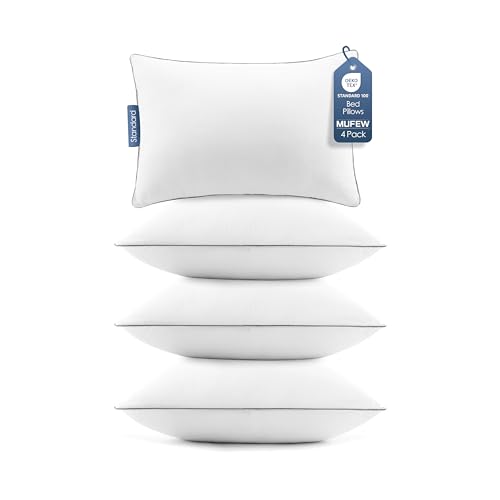
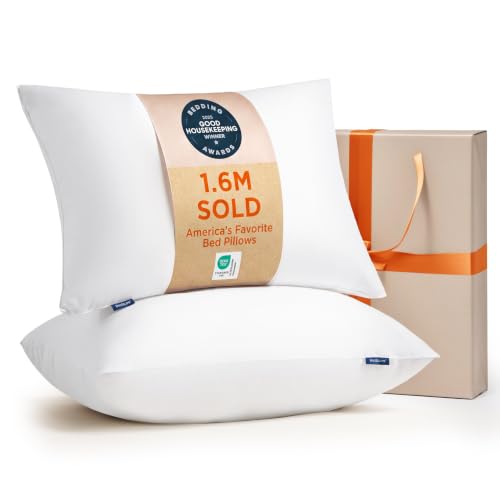
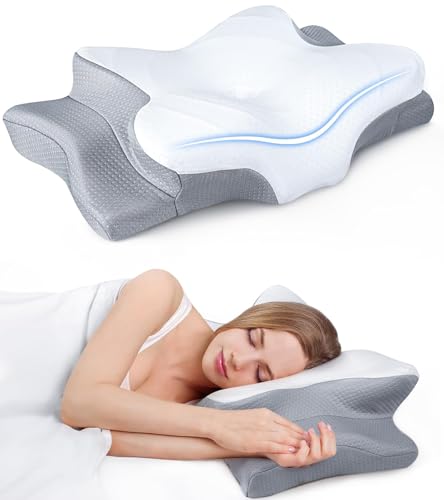
A Buyer Checklist for Comfortable Bed Pillows
Six factors decide most of how a pillow feels once the lights are out. Read each one with your own sleep habits in mind, because the right answer for a back sleeper is often the wrong answer for a side sleeper sharing a bed.
Material and Fill
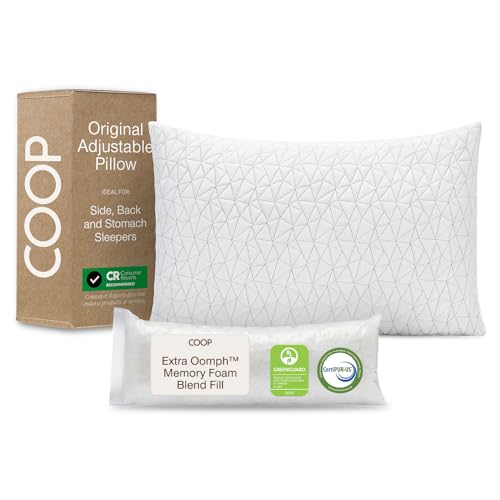
Memory foam molds closely around the head and neck, and it tends to feel steady and slow to spring back. Latex feels bouncier and more responsive, and it usually holds its shape well through the night. Down feels soft and easy to scrunch, while a down alternative fill made from polyester clusters offers a similar plush feel without feathers. Shredded fills let you remove or add material to adjust the height, and solid foam gives the most consistent surface from edge to edge.
Size and Fit
Standard and queen pillows suit most sleepers and most pillowcases, while king pillows are wider and fill the width of a large bed. A wider pillow is not automatically more supportive, since the extra width mostly helps if you shift from side to side during the night. Check that the pillow size matches the cases you already own, because a case that is too small compresses the fill and makes the pillow feel firmer than intended. If you are comparing sizes for a wide bed, see our guide to the best pillows for king bed for layout ideas.
Cooling and Breathability
Heat builds where your head meets a dense foam surface, so ventilation matters if you wake up warm. Open cell foam allows more air movement than a solid block, and gel infusions aim to draw heat away from the surface during the first part of the night. Latex with pinholes and shredded fills also let air pass more freely. Covers made from cotton or bamboo derived fabric tend to feel cooler against the skin than thick synthetic covers, and a removable cover makes it easier to keep that surface clean and fresh.
Firmness, Loft, and Sleep Position
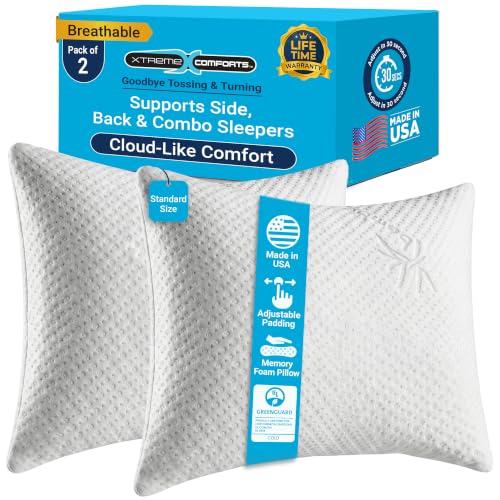
Loft is the height of the pillow once your head rests on it, and it matters more than the height listed on the package. Side sleepers generally need a higher, firmer pillow to fill the space between the ear and the shoulder. Back sleepers usually do better with a medium loft that supports the neck without pushing the chin toward the chest. Stomach sleepers need a low, soft pillow, because a high one bends the neck backward for hours. Your body weight and mattress softness shift these needs, since a soft mattress lets your shoulder sink and reduces the loft you require.
Support and Pressure Relief
Good support keeps your head and neck in line with the rest of your spine, so your neck muscles can relax instead of working all night. Pressure relief is about spreading contact evenly, which a contour shape or a moldable fill can do well around the jaw and the back of the head. If you often wake with an aching shoulder, the pillow may be too low or too soft to carry the gap at your neck. Seek medical care promptly for numbness, tingling, weakness, or pain that follows an injury, and talk with your clinician about ongoing neck or back pain rather than expecting a pillow alone to resolve it.
Noise and Fill Shifting
A pillow should be quiet when you move, because crinkling covers and rustling fill can disturb a light sleeper beside you. Buckwheat and some microbead fills shift with a soft sound that some sleepers enjoy and others find distracting. Loose fills can also drift toward the corners and leave the center thin, so look for inner chambers or baffles that keep the fill spread where your head actually rests. If you read or sit up in bed before sleep, a different shape serves that job better, and our guide to the best bed reading pillows covers those upright designs.
Buying Guidance Beyond the Checklist
Once the main factors narrow your list of best comfortable bed pillows to a few finalists, a few practical checks help you choose between options that look similar on paper. These steps cost nothing and prevent the most common returns.
Match the Pillow to Your Mattress and Bedding
Your mattress depth changes the pillow height you need, because a thick, soft mattress lets your body sink lower while your head stays on the pillow surface. On a firm mattress, your shoulder stays higher, so you may need more loft than you expect. Your sheets and cases play a smaller role, but a smooth, breathable case keeps a cooling pillow from being smothered by a heavy fabric layer. If you are refreshing the whole bed at once, see our guide to the best bed sheets for fabric and weave guidance that pairs well with a new pillow.
Use the Sleep Trial Wisely
Many pillows come with a sleep trial, and the first two or three nights are not always a fair test. Your neck may need close to a week to adjust when the new loft differs from your old pillow, so give it several nights unless the fit is clearly wrong. Keep the packaging until the trial decision is made, and note how you feel on waking rather than how the pillow felt in the first five minutes. A generous trial and a clear return policy matter more than a long warranty, since comfort is personal and hard to judge from a product photo.
Check Certifications and Construction Details
Look for CertiPUR US certification on foam fills, which addresses content and emissions standards for the foam itself. OEKO TEX labels on covers indicate the fabric was tested for certain harmful substances. Beyond labels, read the construction details in the listing: the fill type and amount, whether the cover removes for washing, and whether the loft can be adjusted. Listings for the wider category vary a lot in how much they disclose, and our guide to the best bed pillows explains how these baseline models compare on basic specs.
Quick Buyer Checklist
Run through these questions before you buy. A pillow that earns a yes on most of them is a strong candidate for your bed.
- Does the loft match your main sleep position once your head rests on it?
- Is the firmness right for your shoulder width and body weight?
- Does the fill suit how warm or cool you sleep?
- Will the pillow size fit the pillowcases you already own?
- Can you adjust the fill, or is the height fixed as delivered?
- Does the cover remove for washing?
- Are foam or fabric certifications listed by name?
- Does the sleep trial give you at least a few weeks to decide?
Red Flags to Watch For
Vague listings are the biggest warning sign in this category. Be cautious when a product page avoids naming the fill, hides the loft measurement, or leans on cure claims that a pillow cannot honestly make.
- The listing never states the fill type or the finished loft height.
- No certification is named for a foam fill, only generic safety language.
- The pillow promises to fix chronic pain, which no pillow can guarantee.
- The trial is very short or returns require the pillow to be unused.
- Reviews focus on the shipping box and smell rather than on sleep comfort over time.
None of these alone proves a pillow is poor, but two or three together suggest you should keep looking. Shoppers who want a broader view of comfort focused options can also see our guide to the best comfortable pillows, which approaches softness and support from a slightly different angle.
Care and Maintenance Tips for Bed Pillows
Daily care is simple. Fluff your pillow each morning to restore loft and move the fill back toward the center, and let it air out with the case off for a few hours now and then so trapped moisture can escape.
Use a washable pillow protector under your pillowcase, since it catches sweat and oils before they reach the fill and yellow it over time. Follow the care label for the fill itself, because memory foam and latex are usually spot cleaned rather than soaked, while many fiber and down alternative pillows tolerate a gentle machine wash. Replace a pillow that stays flat after fluffing, shows lumps that will not smooth out, or has an odor that washing does not remove.
Frequently Asked Questions
How do I wash comfortable bed pillows safely?
Start with the care label, since it overrides any general advice. Many fiber filled pillows wash on a gentle cycle with a small amount of mild detergent, and washing two pillows together helps the machine stay balanced. Dry them fully on low heat with breaks to refluff by hand, because damp fill clumps and develops odor. Foam and latex pillows should be spot cleaned only, then air dried away from direct heat.
Does a higher thread count pillowcase make a bed pillow more comfortable?
Not by itself. Thread count describes the case fabric only, and very high counts can feel dense and warm rather than soft. A smooth cotton percale or sateen case in a moderate count usually feels better against the skin and lets a breathable pillow do its job. If your pillow feels rough or hot, changing the case is a cheap first step before replacing the pillow itself.
Are cooling comfortable bed pillows worth it for hot sleepers?
They can be, if you regularly wake up warm or flip the pillow hunting for the cool side. Gel infused foam and ventilated latex address heat at the surface, where you actually feel it. Set expectations realistically, though, because a cooling pillow moderates warmth rather than chilling the bed. Room temperature, bedding weight, and your mattress foam all influence night heat as much as the pillow does.
How often should you replace a comfortable bed pillow?
Most pillows lose useful support within about one to two years, with fiber fills at the shorter end and latex at the longer end. A simple check is to fold the pillow in half and let go. If it stays folded or springs back weakly, the fill has broken down. Waking with new neck stiffness over several weeks is another practical sign that support has faded, even if the pillow still looks fine.
What pillow firmness helps with back and neck discomfort?
A medium firm pillow suits many back sleepers, because it cradles the head while filling the curve of the neck. Side sleepers with discomfort often need firmer support to keep the spine level. Treat a new pillow as a trial rather than a treatment, and give it several nights before judging. If pain persists, spreads into an arm, or comes with numbness or weakness, talk with your clinician instead of cycling through more pillows.
The Bottom Line
Start with loft and sleep position, then choose a fill that matches how warm you sleep and how much shaping you like. The product table above can help you compare those specs side by side once you know your targets. Chosen that way, best comfortable bed pillows stop being a guess and become a simple match between your body, your mattress, and a short list of honest specs.