Best Comfort Toilets 2026: Complete Buying Guide
Disclosure: We may earn a commission when you buy through links on this page, at no extra cost to you. As an Amazon Associate I earn from qualifying purchases. Learn more

Compare the best comfort toilets by bowl height, elongated shape, flush power and rough in size, plus seats, cleaning and installation tips.
A standard toilet sits low, and that low seat can strain your knees, hips and back. The best comfort toilets raise the bowl so you sit down and stand up with less bending and less push from your arms. This guide explains height, shape and flush, so you can use the comparison table below with confidence.
Comfort here is mostly about fit. A bowl that suits a tall adult may leave a shorter user with dangling feet, and a strong flush means little if it will not fit your rough in. The sections below match each choice to your body, your space and your water bill.





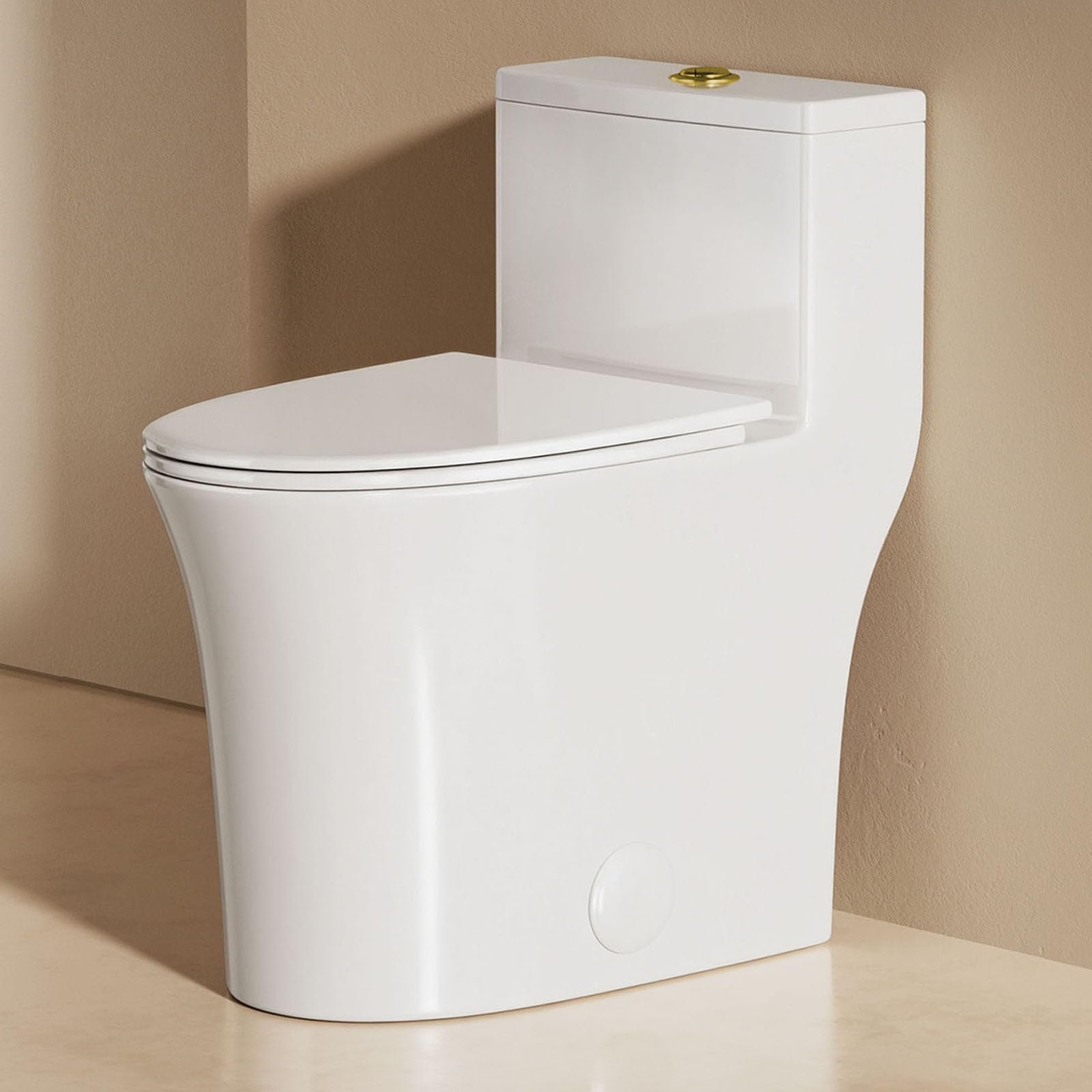

Who Should Buy a Comfort Toilet?
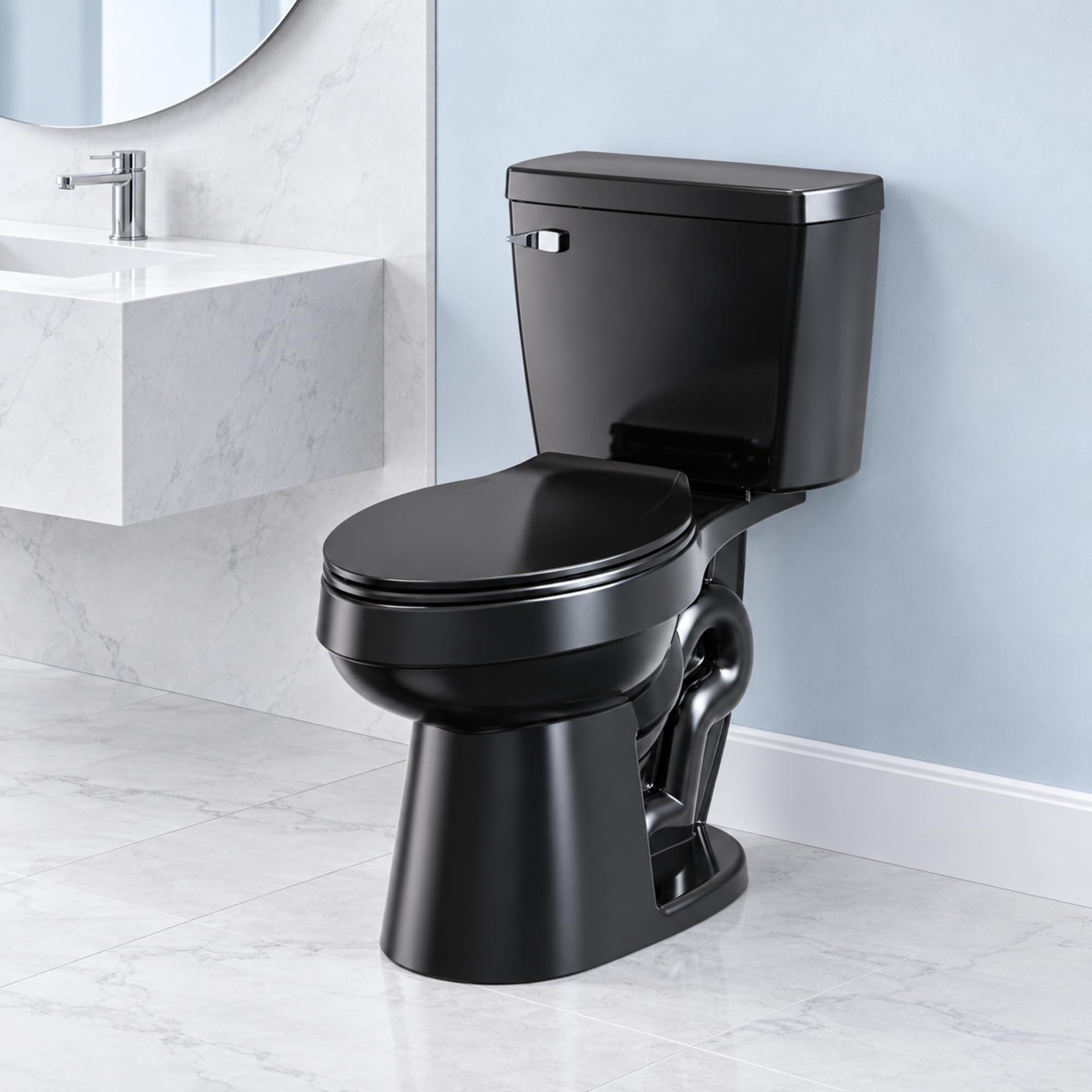
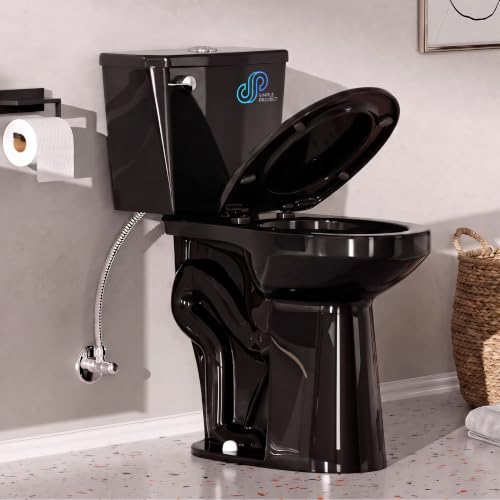
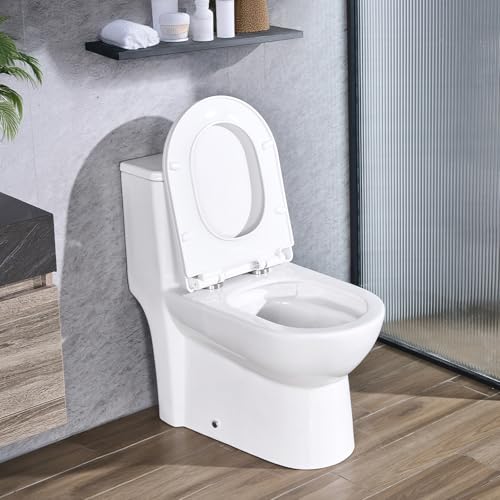
A comfort toilet is a standard toilet built taller, with a bowl rim about 17 to 19 inches from the floor. That height helps some users a great deal and others very little, so start with who sits on it most.
Taller Adults and People With Long Legs
If your knees rise above your hips on a standard bowl, standing takes real effort. A taller bowl lets your feet rest flat while your thighs sit closer to level, and standing takes less forward lean. An elongated bowl helps too, because the longer front gives long legs more support.
Older Adults and Anyone With Sore Knees or a Stiff Back
Less bending and a shorter drop onto the seat can make daily use feel steadier. New or sudden leg weakness, numbness, a recent fall, or pain that keeps getting worse needs prompt medical care, and a taller toilet alone is not a treatment. Talk with your clinician about personal needs, and ask a professional about grab bars if balance is a concern.
Households Sharing One Bathroom Among Different Heights
A bowl near the lower end of the comfort range often serves a mixed household best. Shorter adults and children can use a sturdy footstool in front of the bowl, and you can remove it when taller users need the space.
Key Features to Compare
When you compare best comfort toilets side by side, work through height, shape and plumbing fit before style or price.
Bowl Height Measured to the Top of the Seat
Manufacturers list height in two ways, to the top of the bowl rim or to the top of the seat, and the seat adds about half an inch to an inch. A standard rim sits about 15 to 16 inches high, while comfort models place the rim at about 17 to 19 inches, the range required for accessible public restrooms. For more on how brands label those levels, see our guide to the best comfort level toilets.
Elongated and Round Bowl Shapes
An elongated bowl is oval and measures about 18.5 inches from the rear bolts to the front edge, while a round bowl measures about 16.5 inches and saves roughly two inches of floor space. Most adults find the elongated shape more supportive, because it spreads weight along the thighs instead of concentrating it. For models that pair both traits, see our guide to the best comfort height elongated toilets.
Rough In Distance and Overall Footprint
The rough in is the distance from the finished wall to the center of the floor drain, and most homes use a 12 inch rough in. Older and smaller bathrooms may measure 10 inches, and a few measure 14 inches, so confirm yours before ordering, because a mismatch cannot be fixed with a different seat. Also check total depth and door swing, since an elongated model extends farther into the room than the toilet it replaces.
Flush Power, Trapway Size and Water Use
Flush strength comes from the water pathways inside the bowl and the size of the glazed trapway, commonly about 2 inches to 2.125 inches across. A WaterSense labeled toilet uses 1.28 gallons per flush or less, compared with 1.6 gallons for a standard modern toilet. Dual flush models add a lower volume option for liquid waste. Good bowl wash matters as much as volume, because a weak rinse leaves marks.
Bowl Glaze, Rim Design and Ease of Cleaning
A fully glazed trapway helps waste slide through, while open rim holes can clog with mineral scale over time. Some bowls rinse through fewer, larger openings, which clog less often. A skirted base hides the trapway behind a flat side wall, so dust has fewer ledges to collect on. For designs built around easy upkeep, see our guide to the best for cleaning toilets.
Seat Design and One Piece or Two Piece Construction
Most comfort toilets arrive without a seat, so budget for one with a slow close lid. Seats come in molded wood, which feels solid, and plastic, which is lighter and resists moisture better. A two piece toilet ships as a separate tank and bowl, costs less and is easier to carry upstairs. A one piece toilet casts tank and bowl together, removing the seam where grime collects, but it is heavier and pricier.
Types of Comfort Toilets Compared
Comfort toilets fall into a few clear groups, and most buyers need only one. For a broader view first, see our guide to the best ranked toilets, then return to the fit checks above.
Everyday Comfort Height Models for Most Homes
The common choice is a two piece, elongated model with a 1.28 or 1.6 gallon flush and a visible trapway along the base. Expect about $200 to $400 before installation. Choose this group if you have a standard 12 inch rough in and no space limits.
Water Saving Dual Flush Models for Lower Bills
Dual flush and high efficiency models cut water use on every liquid flush, which adds up in a busy household. They suit homes on metered water or with a septic system. The tradeoff is that very low volume flushes depend on a well glazed bowl to clear solids in one pass, so bowl design matters more than gallons saved.
Compact and Premium Skirted Models for Tight or Polished Bathrooms
Compact models pair a round bowl or shorter tank with the taller rim, fitting small bathrooms where an elongated front would crowd the door. Premium skirted models add a smooth base and a quieter flush, at about $400 to $900. Choose these when cleaning ease or a small footprint matters more than price.
Common Mistakes to Avoid
Most regrets come from a short list of measuring errors.
- Ordering before measuring the rough in leaves you with a toilet that cannot sit over the drain.
- Mixing rim height and seat top height figures makes a toilet feel taller or shorter than expected.
- Choosing an elongated bowl for a small bathroom can block the door swing or crowd your knees.
- Picking the lowest water volume without checking trapway size leads to repeat flushing that saves nothing.
- Forgetting a seat, a wax ring and a new supply line adds cost and a second trip on install day.
- Raising the bowl for one tall user without a footstool plan leaves shorter family members with numb feet.
Care and Maintenance for a Comfort Toilet
Clean the bowl with a mild cleaner and a soft brush, and avoid scouring powders that dull the glaze and give stains more grip. Wipe the seat and hinges gently, because strong chemicals can crack plastic seats. Check the base seam now and then for moisture that hints at a failing wax ring.
Inside the tank, simple checks prevent most problems. A worn flapper lets water run silently into the bowl, so replace it when the fill valve cycles on its own. Skip drop in tank tablets with bleach, because they can damage seals and may void a warranty. If the fill valve gets loud or slow, close the supply valve and flush grit from the valve cap first.
FAQ
What bowl height should I choose for a comfort toilet in a shared bathroom?
For a shared bathroom, choose a rim height near 17 inches and let shorter users add a footstool. A quick home test helps more than any chart. Sit on chairs of different heights and note where your feet rest flat with the least knee bend, then match that height to the seat top measurement.
Can a comfort toilet fit on the same drain as a standard toilet?
Yes, a comfort toilet fits the same drain as long as the rough in distance matches. Height changes nothing about drain position, because the taller bowl rises above the same floor flange. One extra check is the water supply stop. A skirted base sits closer to the wall and can crowd a stop placed low or off center, so measure that gap too.
Are premium comfort toilets worth the extra cost in a home bathroom?
Premium comfort toilets are worth the extra cost only when you will use what the money buys. A skirted base saves cleaning time every week, and a quiet flush helps a bathroom beside a bedroom. Decorative tank shapes add nothing you feel while seated. Spend first on correct height and a proven flush, then on extras that solve a real problem.
How do I keep a comfort toilet bowl clean and fresh for longer?
You keep a comfort toilet bowl fresh longer by brushing briefly every few days instead of scrubbing hard once a month. Frequent light cleaning stops mineral rings before they harden, especially with hard water. Close the lid before flushing to limit spray, and run the bathroom fan during showers so the seat and hinges dry fully.
How often should a comfort toilet be replaced?
A comfort toilet itself rarely needs replacement, because the porcelain body can serve for decades. Replace the seat when it loosens or cracks, and expect flappers and fill valves to need renewal every few years. Consider a new toilet when cracks appear in the bowl or tank, when the base rocks despite a new wax ring.
Our Verdict
Start with fit, because height and rough in decide whether a toilet works in your bathroom at all. Next, choose the bowl shape your space allows, then compare flush design and water use, and only then weigh extras such as a skirted base. The product table above pulls those details together.
Chosen that way, the best comfort toilets become a simple match between your body, your room and your plumbing. Measure twice, order once, and the new height soon feels normal.